Retno Hari Mulyono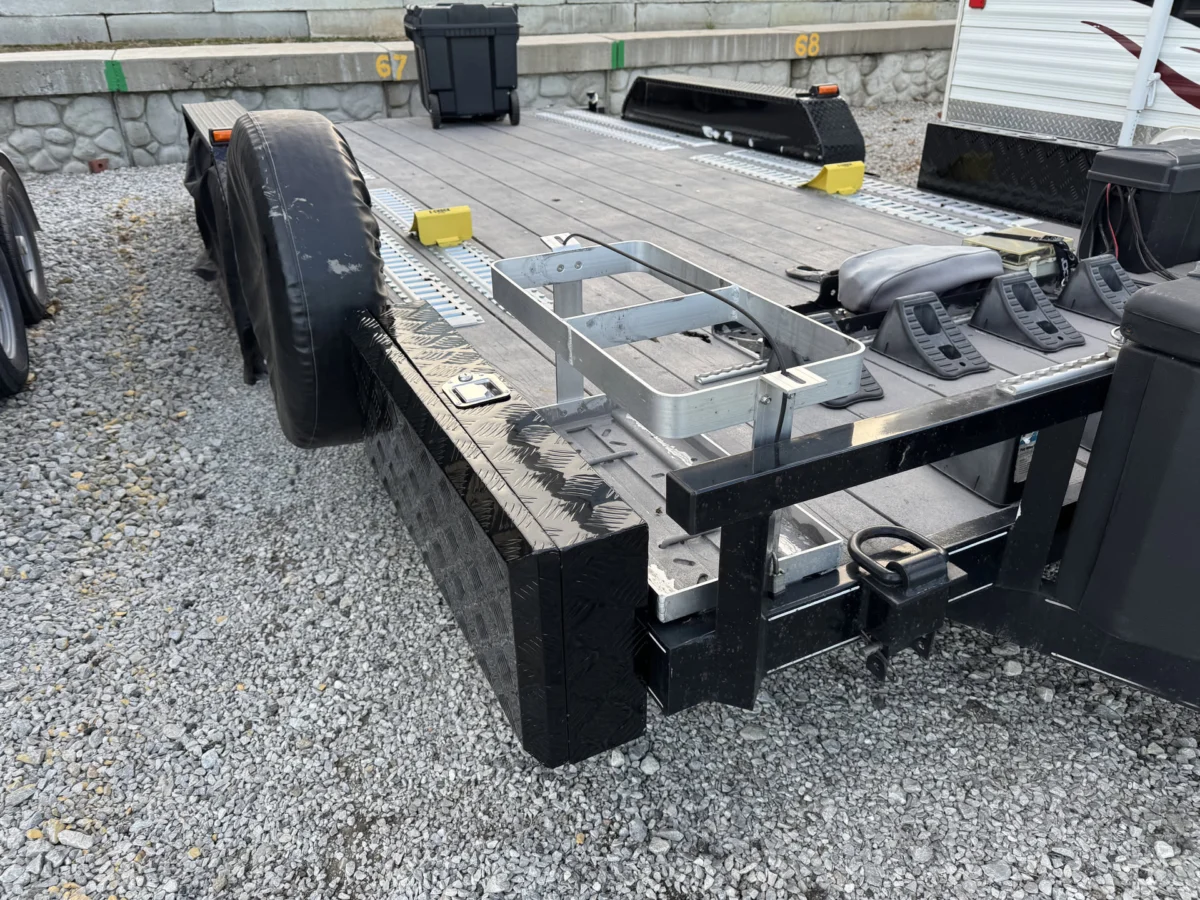
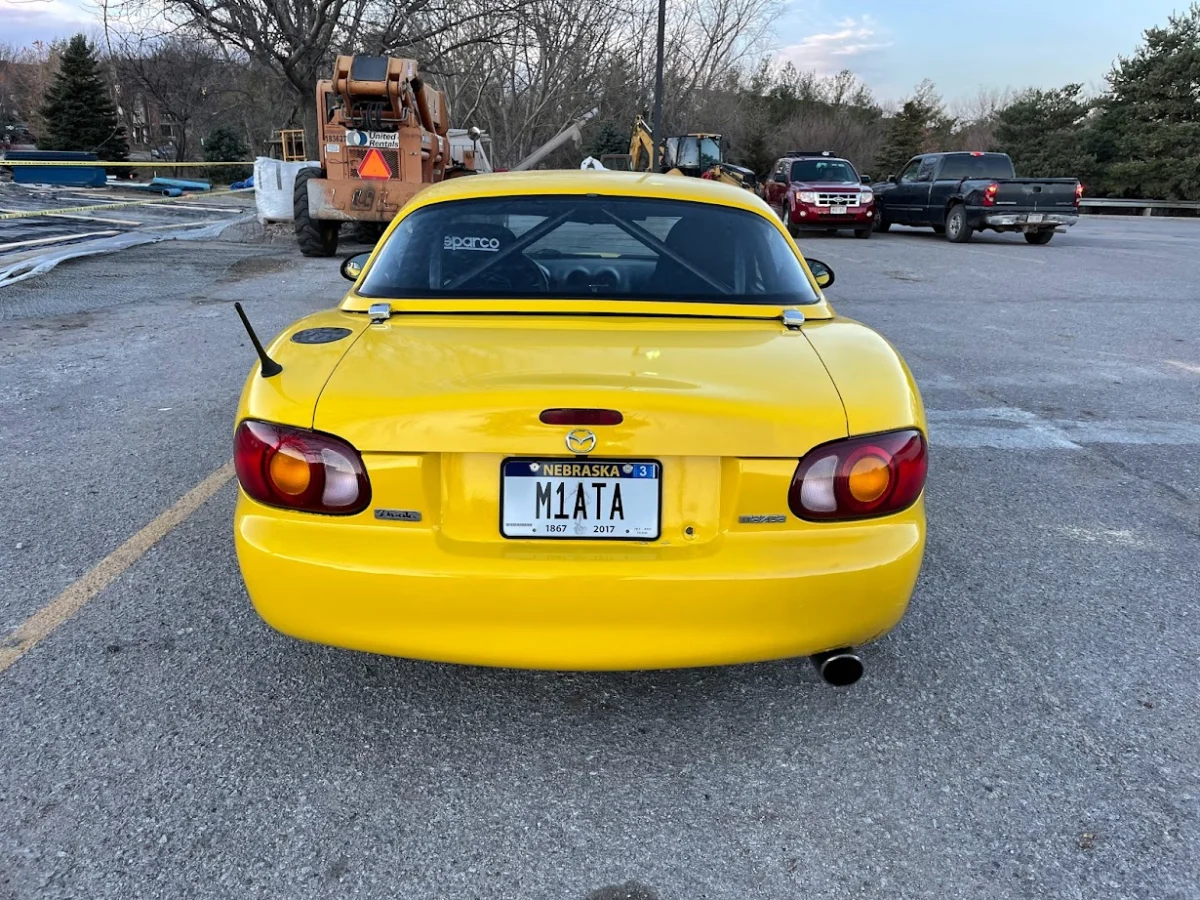
The evolution of a production vehicle into a purpose-built competition machine requires a disciplined approach to mechanical engineering, data analysis, and iterative testing. For one 2000 Mazda Miata (NB generation), the transition from a stock roadster to a high-performance track vehicle reached its fifth year of development in February 2026. This period, spanning from March 2025 through February 2026, was characterized by significant electronic overhauls, drivetrain refinements, and a shift toward bespoke engineering solutions to address reliability concerns inherent in aging automotive platforms.
Performance Benchmarking and the Annual Power Assessment
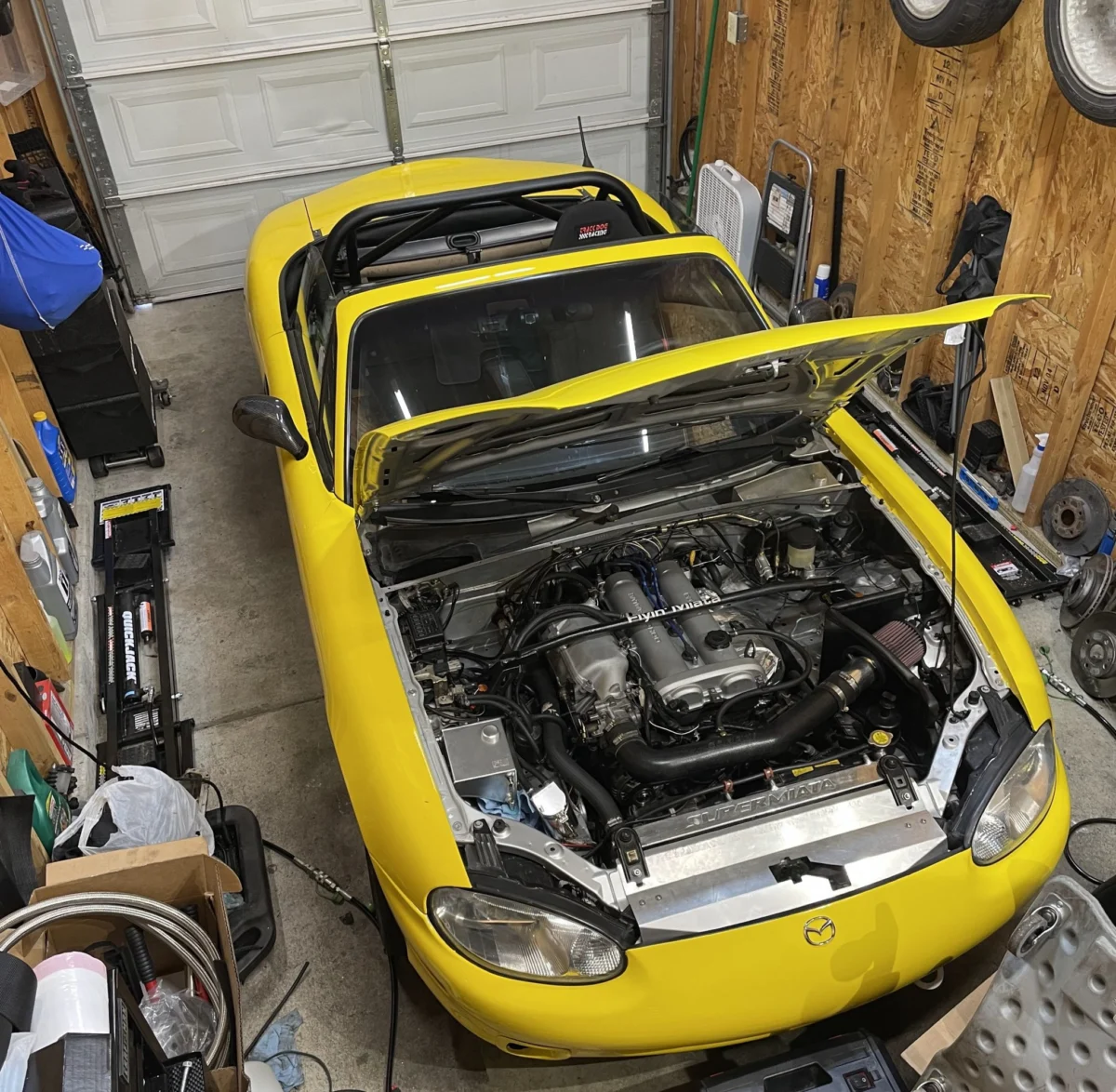
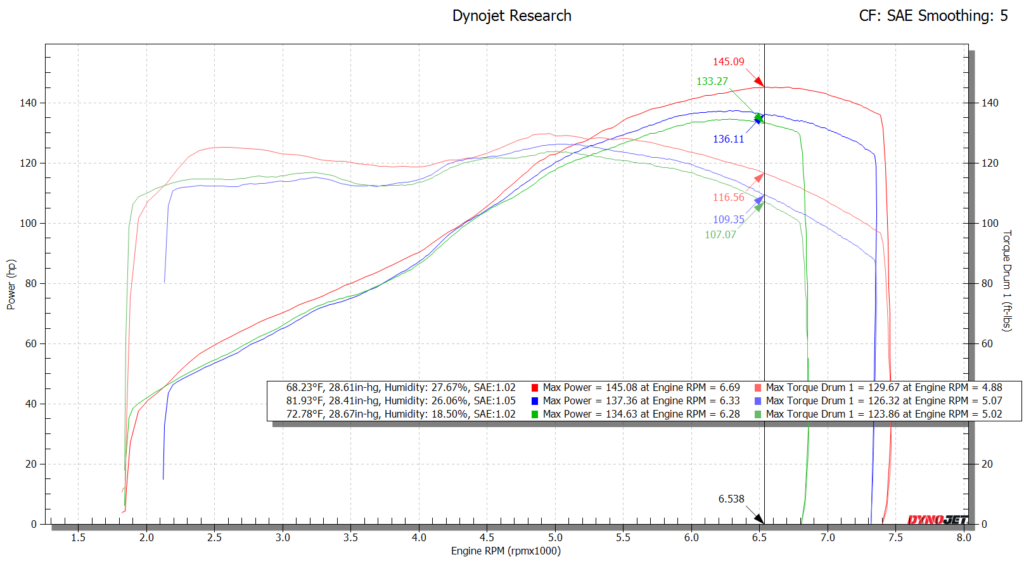
In March 2025, the vehicle underwent its annual dynamometer testing to establish a baseline for the Sports Car Club of America (SCCA) Mid-Division (MiDiv) Time Trials classing. The primary mechanical modification since the previous year was the replacement of the "square top" intake manifold with a Skunk2 performance manifold. Testing was conducted on a Dynojet chassis dynamometer, a standard in the industry for providing comparable wheel horsepower (whp) and torque figures.
The results indicated a peak output of 145.09 whp and 129.67 lb-ft of wheel torque. When compared to the vehicle’s stock configuration, which typically produces approximately 115 whp, the current setup represents a 26% increase in power. This improvement is attributed to a combination of optimized airflow and the implementation of a standalone engine management system. Historical data from the previous two years showed readings of 133.27 and 136.11 whp on a different Dynojet unit. While variations between individual dynamometers can account for minor discrepancies, the upward trend confirms the efficacy of the intake and tuning adjustments.
Spring Track Sessions and Surface Dynamics
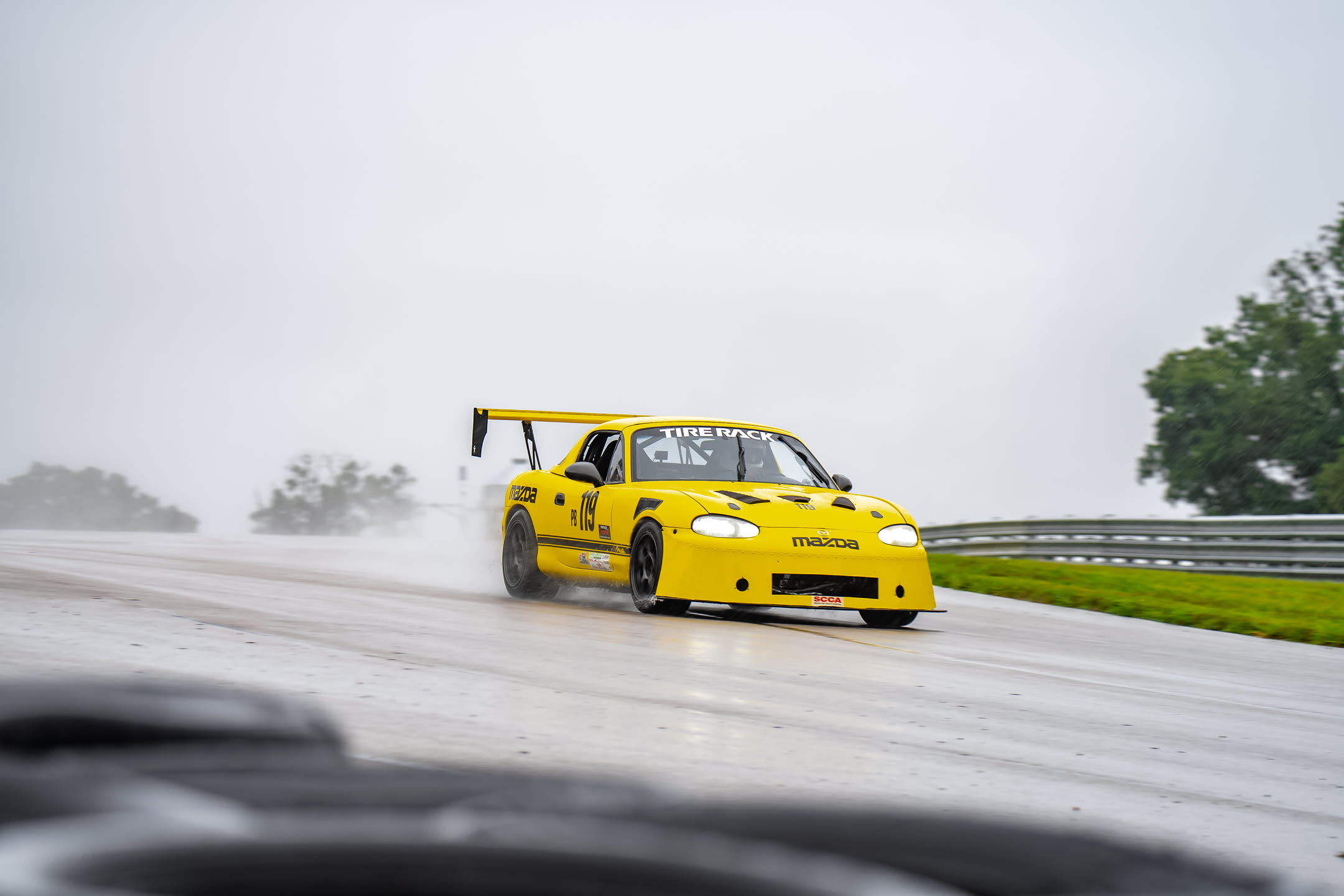
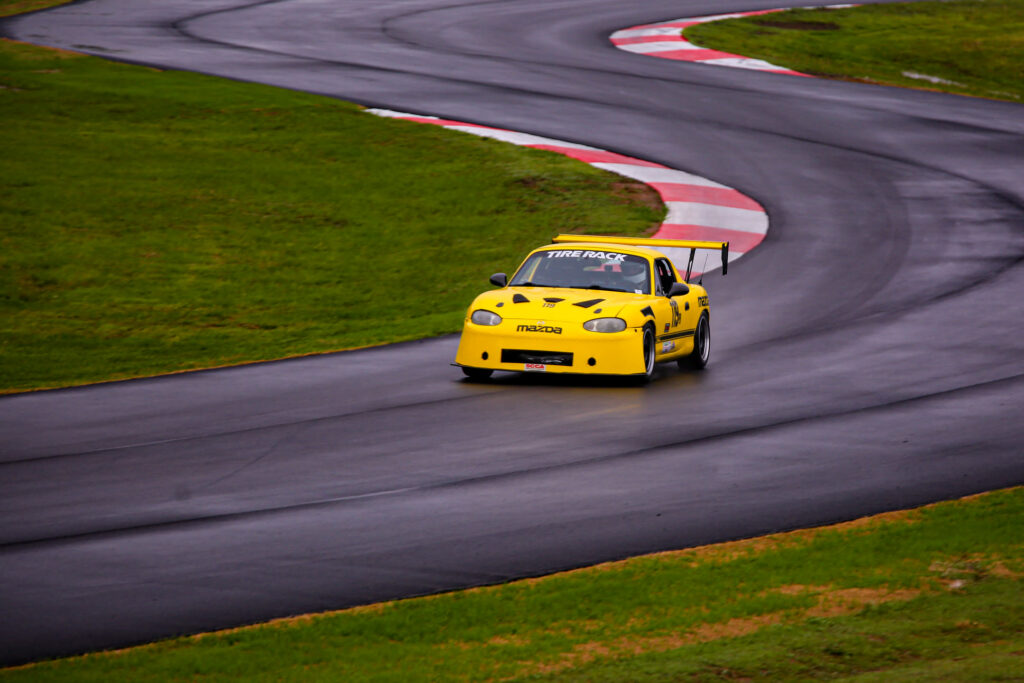
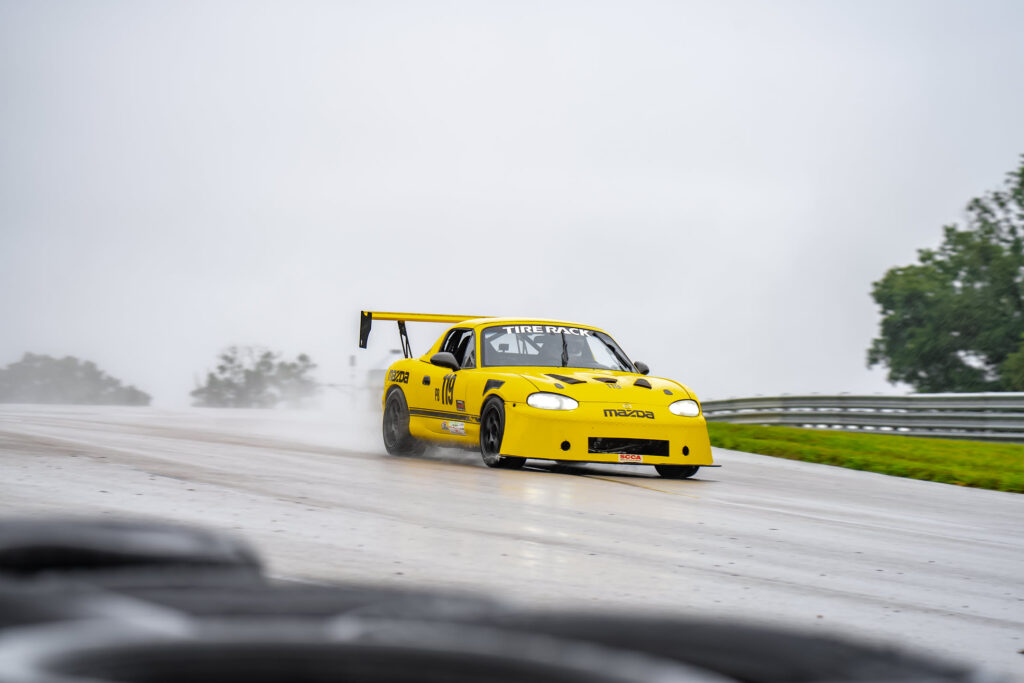
The April 2025 session at Hallett Motor Racing Circuit provided an opportunity to test the vehicle on a recently refurbished track surface. Management at Hallett had refinished several corner segments during the off-season to improve grip and longevity. However, inclement weather dominated the event, preventing the recording of personal best lap times.
Despite the lack of high-speed data, the session served as a critical evaluation of wet-weather handling and braking transitions. The "patchwork" nature of the track—alternating between old and new asphalt—created variable friction coefficients. Drivers reported that managing the extended braking zones required precise modulation to avoid lockups when transitioning between surfaces. This experience emphasized the importance of driver adaptability over raw mechanical grip in adverse conditions.
Mechanical Failures and the Limits of Aftermarket Components
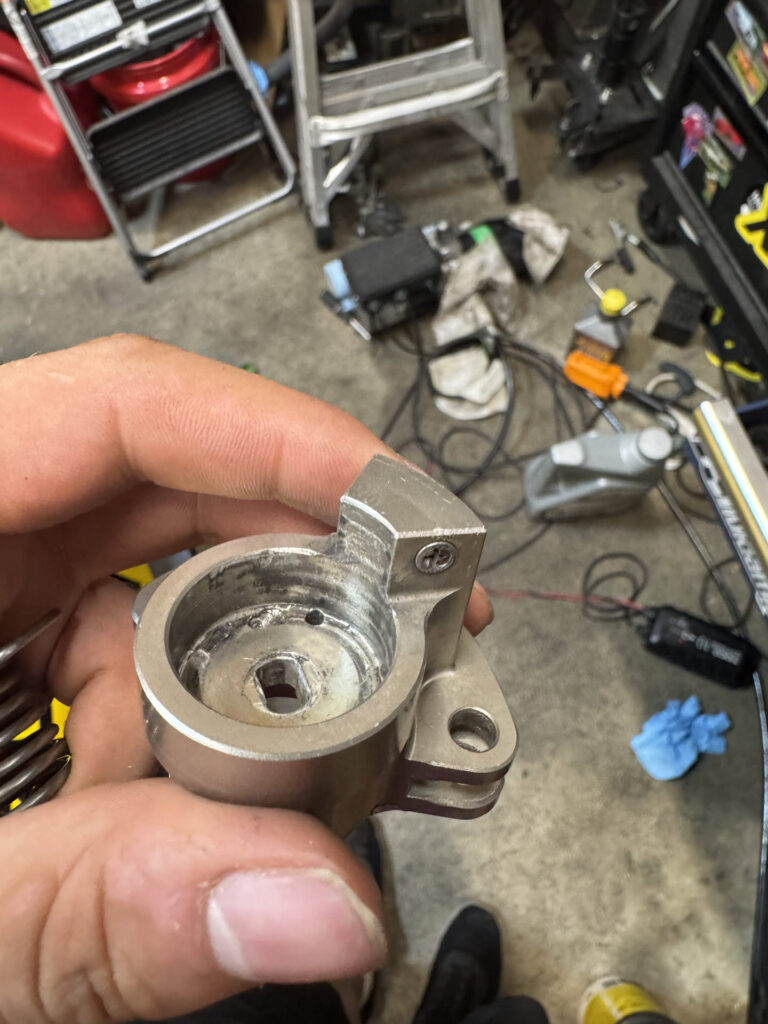
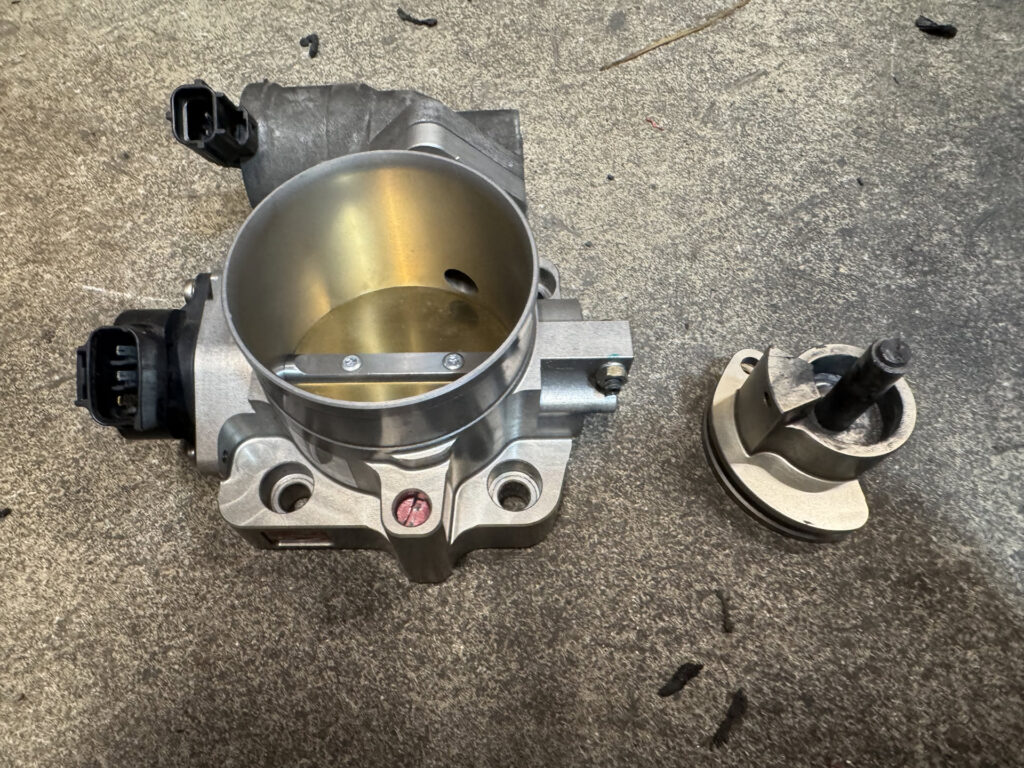
Reliability became the central theme of the mid-year sessions, specifically regarding the throttle body assembly. In May 2025, during a test day at I29 Speedway, the return spring on the Skunk2 throttle body suffered a fatigue failure. While the vehicle remained operable, the lack of a mechanical return necessitated an immediate field repair. A temporary fix was achieved by reshaping the remaining spring coil, allowing the vehicle to complete the event and return to the shop for a replacement unit.
The issue escalated in August 2025 at High Plains Raceway. During a timed session, the throttle body shaft snapped entirely. Unlike the previous spring failure, this was a catastrophic structural break. Fortunately, the fracture occurred on the external side of the housing, preventing internal engine damage from ingested debris. However, the failure resulted in a total loss of power and required a tow-off from the circuit.
These recurring failures highlight a known vulnerability in certain high-vibration, four-cylinder racing applications where aftermarket throttle bodies may not meet the durability standards of Original Equipment Manufacturer (OEM) components. In response, the vehicle was temporarily reverted to a stock Mazda throttle body to ensure the completion of the racing season while a more robust engineering solution was developed.
Logistics and Maintenance Infrastructure
To offset the rising costs of professional track support, the program integrated several DIY maintenance capabilities in June 2025. The acquisition of a manual tire changer, modified with a "duckhead" attachment and a bubble balancer, allowed for in-house mounting and balancing of 200-treadwear (200TW) competition tires.
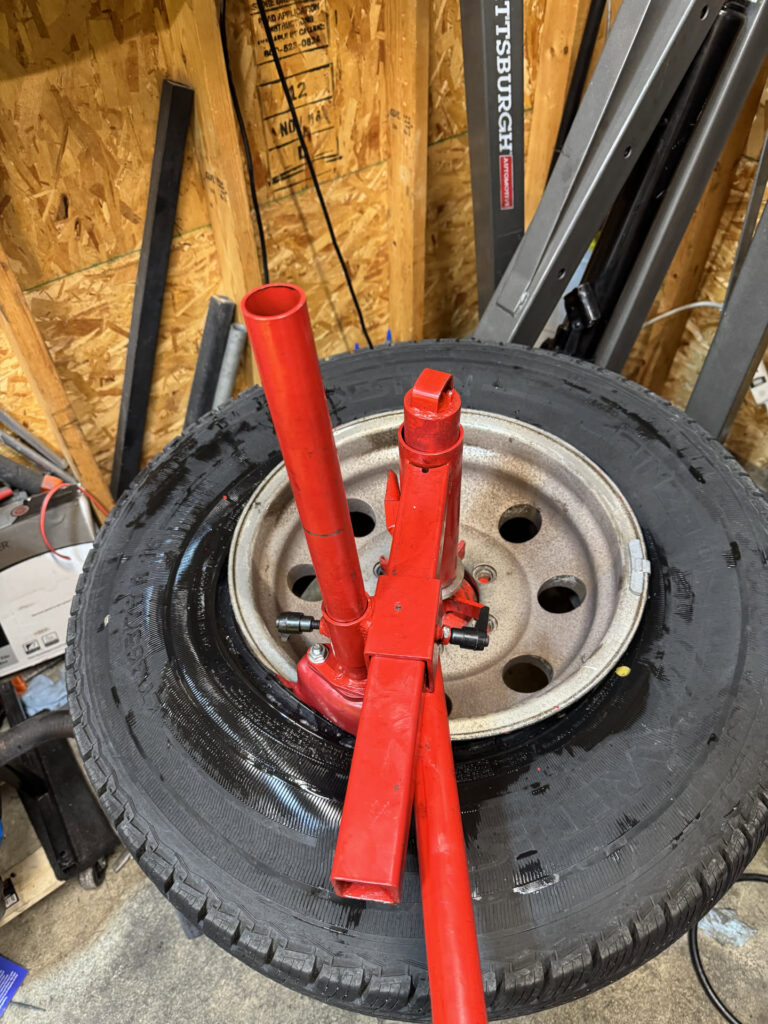
Economic analysis suggests that such tools pay for themselves within the mounting of a single set of tires, given the increasing labor rates at specialized tire shops. Furthermore, the precision of a manual bubble balance proved sufficient for track use, often exceeding the results of rushed commercial dynamic balancing.
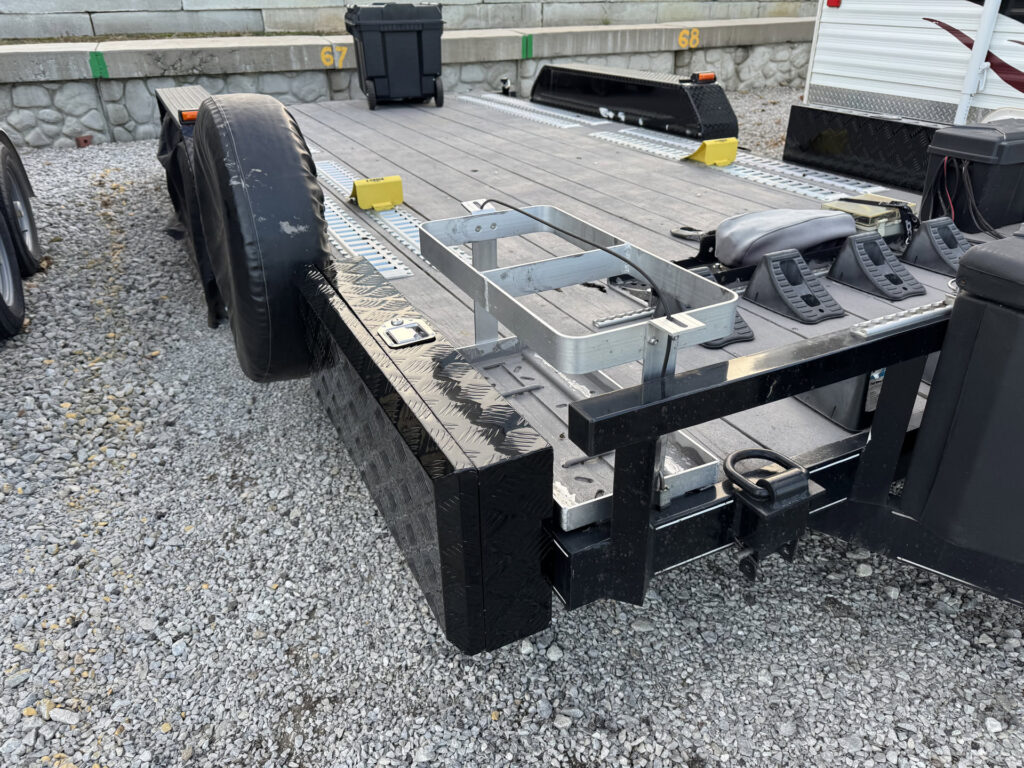
Logistical efficiency was further improved in September 2025 through upgrades to the open car hauler. Enhancements included:
- The installation of an E-track tie-down system, which secures the vehicle via the tires rather than the chassis, reducing stress on suspension components.
- The addition of a front-mounted rock guard to protect the vehicle’s finish from road debris during transit.
- Increased storage capacity for tools and spare parts, essential for multi-day regional events.
Electronic Evolution: Custom Harnessing and Drive-by-Wire
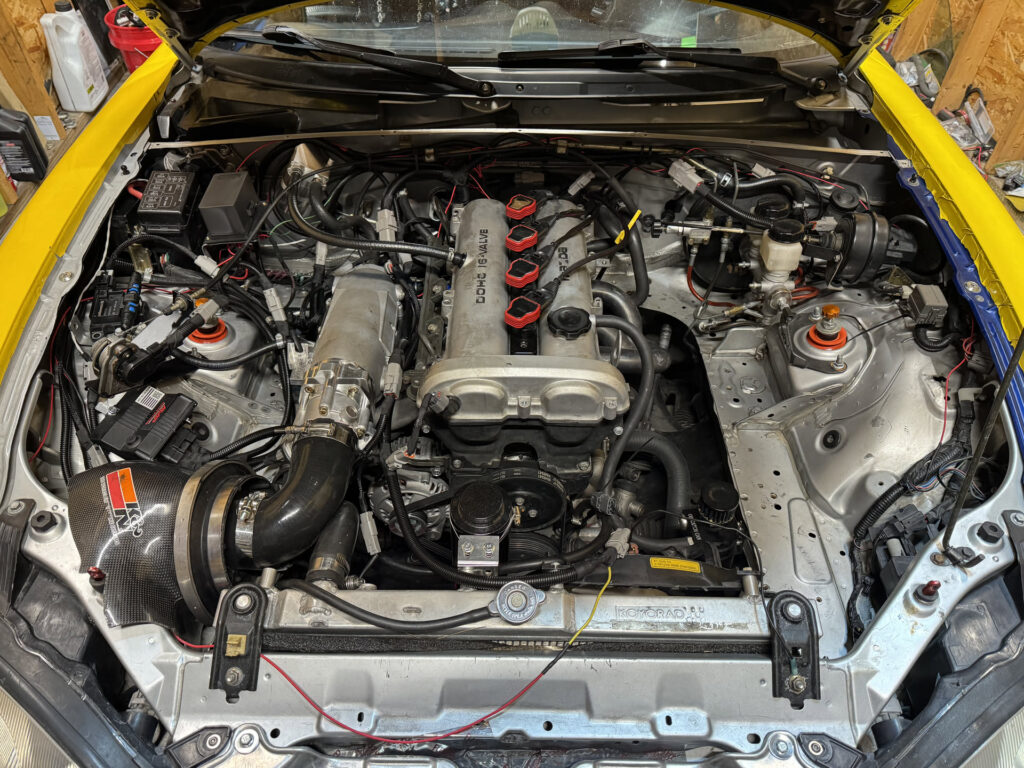
The most significant technical undertaking of the year occurred in October 2025. To eliminate the "cascading failure" risks associated with a 25-year-old factory wiring harness, the entire engine electrical system was redesigned. The new harness was built from scratch, utilizing high-grade wiring and Deutsch connectors for modularity.
This overhaul facilitated the conversion to a Drive-by-Wire (DBW) system. The mechanical throttle cable was replaced with a Bosch 60mm electronic throttle body, a Honda-sourced accelerator pedal position sensor, and an AMP EFI controller. Managed by a MegaSquirt 3 Pro (MS3Pro) Evo ECU, this setup allows for more sophisticated traction control, rev-matching, and throttle mapping, significantly modernizing the vehicle’s interface.
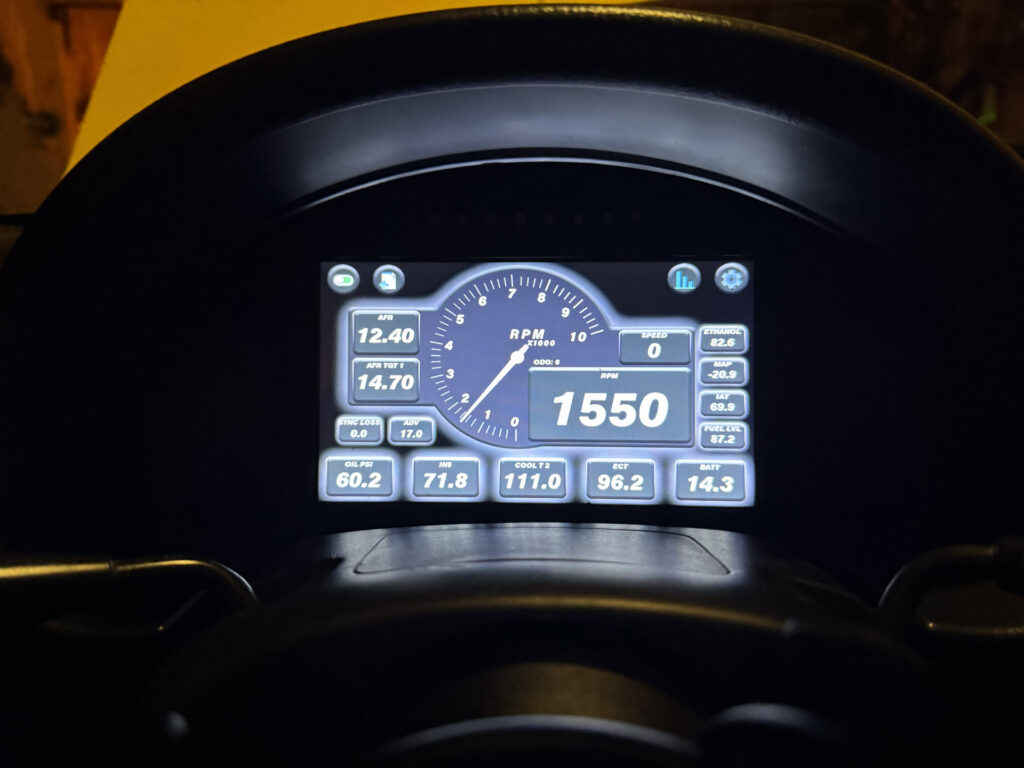
To complement the electronic upgrades, a Tinker Electronics digital dash was installed in November. Communicating via the Controller Area Network (CAN bus), the dash provides real-time monitoring of critical engine parameters, including oil temperature, coolant pressure, and air-fuel ratios. Visual alerts were programmed to trigger if any metric deviates from safe operating ranges, providing an essential layer of protection for the high-stressed engine.
Drivetrain Refinement and the OS Giken Integration
In December 2025 and January 2026, the focus shifted to power delivery and shifting precision. A Coolerworx short-throw shifter was installed to replace the previous aftermarket unit. The Coolerworx design features a heavy-duty external return-to-center spring and adjustable gate stops. These features are designed to eliminate "money shifts" (accidental downshifts into the wrong gear) and provide a mechanical reverse lockout, which is vital for high-stress competition environments.
The drivetrain was further optimized with the installation of a Supermiata-tuned OS Giken limited-slip differential (LSD). For several years, the car utilized a Torsen Type II differential. While effective for general use, Torsen units function as open differentials if one wheel completely loses contact with the ground or becomes significantly unloaded in sharp, low-speed corners. The OS Giken, a clutch-type LSD, ensures consistent torque distribution across both rear wheels regardless of vertical load, promising improved corner-exit speeds and more predictable handling characteristics.
Strategic Expansion: The Two-Car Methodology
The five-year journey concluded in February 2026 with the acquisition of a second NB Miata. The new vehicle, a 2001 model purchased for $1,800, was intended to serve as a "street-legal" counterpart and a testbed for new components before they are committed to the primary track car.
Initial restoration of the second vehicle included a new soft top, interior reconditioning, and the installation of the 4.30 Torsen differential removed from the track car. This two-car strategy allows for continued development of the primary racing platform without sacrificing the ability to conduct real-world testing on the road.
Summary of Track Operations and Broader Implications
The 2025-2026 season was a period of high operational volume. The vehicle completed 14 days on track, totaling 357 laps and approximately 10.9 hours of high-speed operation. Cumulative data from the Garmin Catalyst performance optimizer indicates that over its five-year life, the car has completed 1,380 laps (43.8 hours) under racing conditions.
The transition from basic performance modifications to advanced systems like Drive-by-Wire and clutch-type differentials reflects a broader trend in amateur motorsports: the "professionalization" of the hobbyist racer. As older platforms like the NB Miata age, the necessity for custom electrical and mechanical engineering becomes paramount to maintaining competitiveness and reliability. The data gathered over this fifth year suggests that while the platform is reaching its physical limits in naturally aspirated form, the integration of modern control systems and high-end drivetrain components continues to yield marginal gains in consistency and driver confidence.