Retno Hari Mulyono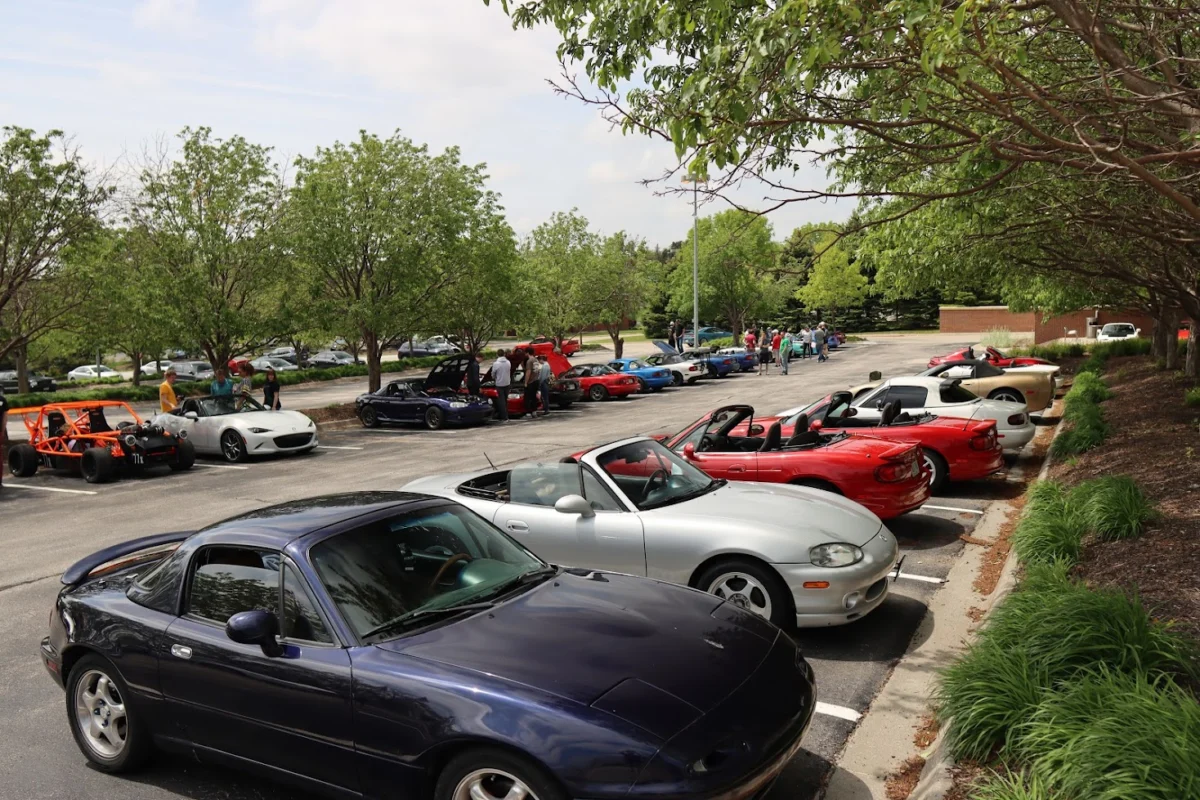
The acquisition of a 2000 Mazda MX-5 Miata, representing the second generation (NB) of the world’s best-selling roadster, marks the beginning of a documented twelve-month journey into automotive restoration, performance modification, and grassroots motorsports. Purchased in late March 2021, this particular vehicle serves as a case study for the enduring appeal of the lightweight, rear-wheel-drive platform and the technical demands of maintaining a twenty-year-old sports car. Over the course of one year, the vehicle transitioned from a neglected daily driver to a purpose-built machine capable of handling both the rigors of the track and the aesthetic demands of the enthusiast community.
The Acquisition of a Modern Classic: March 2021
The purchase of the 2000 Mazda Miata in March 2021 occurred during a period of significant price appreciation for the "NB" generation. While the first-generation "NA" Miata, known for its pop-up headlights, has long been a collector’s item, the NB has recently gained favor among enthusiasts for its stiffer chassis and more powerful 1.8-liter BP4W engine. The 2000 model year is particularly notable as it precedes the "NB2" facelift, offering a raw mechanical experience without the complexity of variable valve timing (VVT) introduced in later iterations.
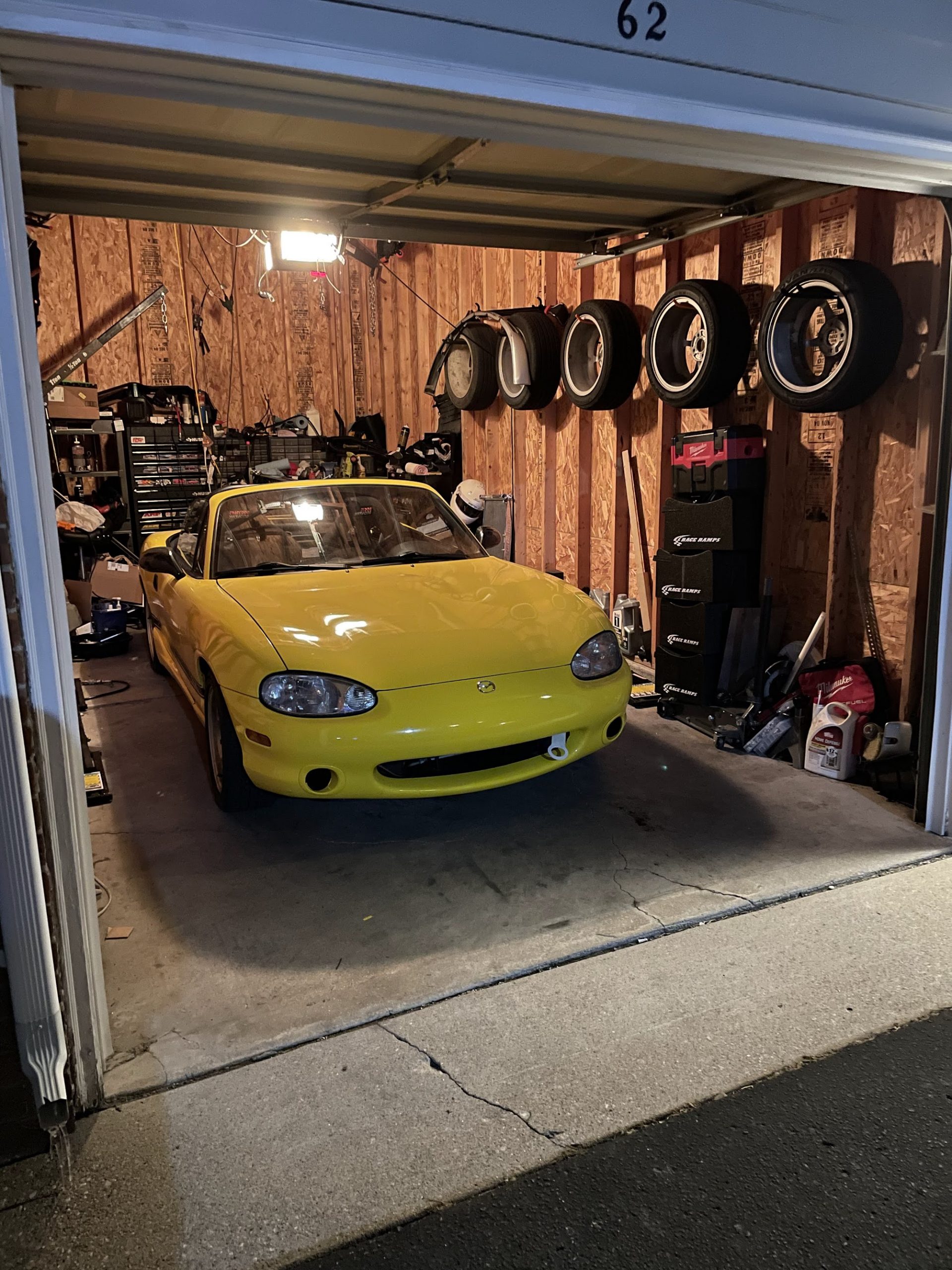
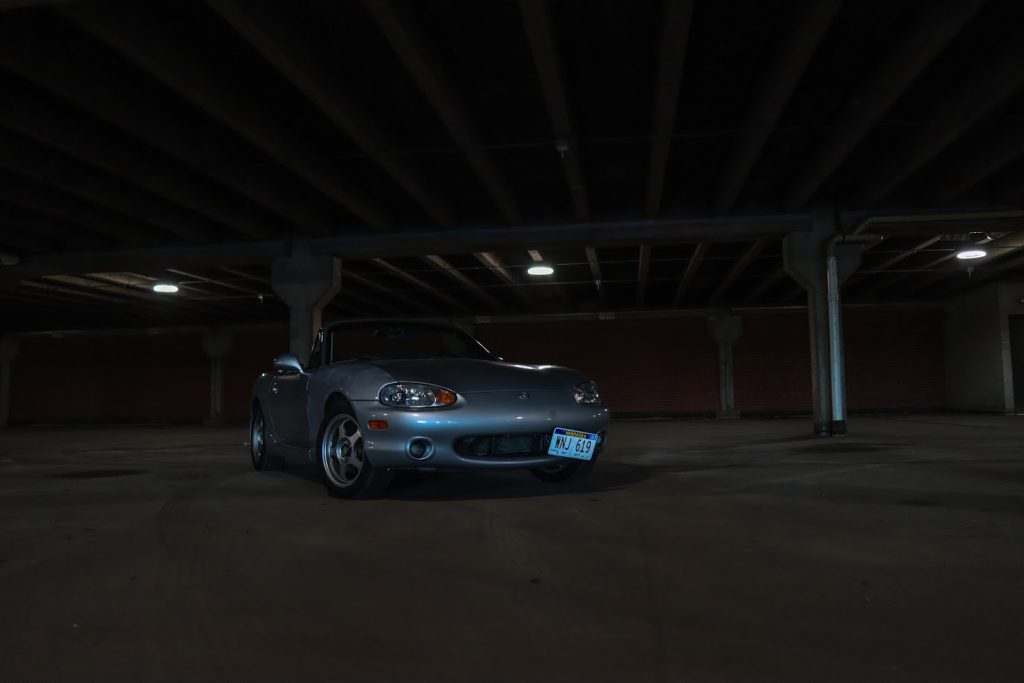
Upon delivery, the vehicle presented as a standard silver roadster. Initial assessments confirmed the classic Miata value proposition: a low-mass vehicle (approximately 2,300 lbs) that prioritizes handling dynamics over raw horsepower. The owner noted that while the stock engine’s output—factory-rated at 140 horsepower—is modest by contemporary standards, the vehicle’s power-to-weight ratio and communicative steering provide a visceral driving experience often absent in modern, electronically assisted vehicles.
Establishing a Baseline: The Critical Role of Preventative Maintenance
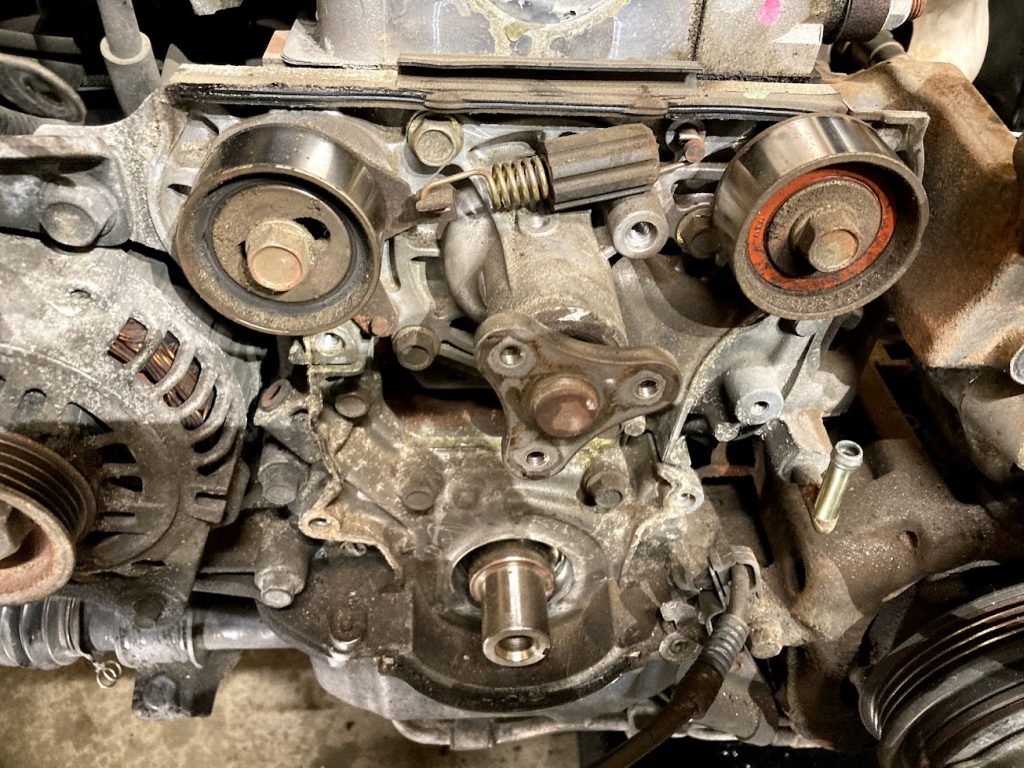
In April 2021, the focus shifted toward reliability. A common risk with used Miatas is the lack of documented service history, particularly regarding the timing belt. The Mazda BP4W engine is a non-interference design, meaning that a timing belt failure will not result in catastrophic valve-to-piston contact; however, such a failure still results in total engine stall.
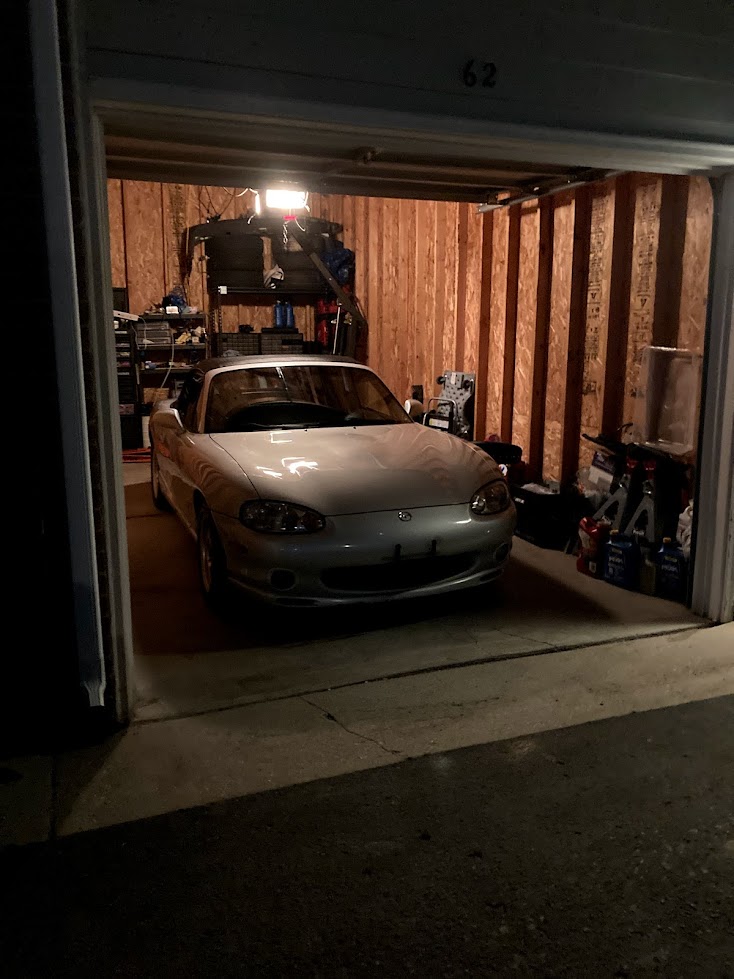
To achieve a "known good" state, the owner performed comprehensive baseline maintenance. This included replacing vital fluids, inspecting the cooling system, and addressing aged rubber components. For the amateur mechanic, the Miata platform is widely regarded as one of the most accessible for DIY work due to its spacious engine bay and extensive aftermarket support. This phase was essential before the vehicle could be subjected to the high-stress environments of autocross and track days.
Community Engagement and the Cult of Jinba Ittai
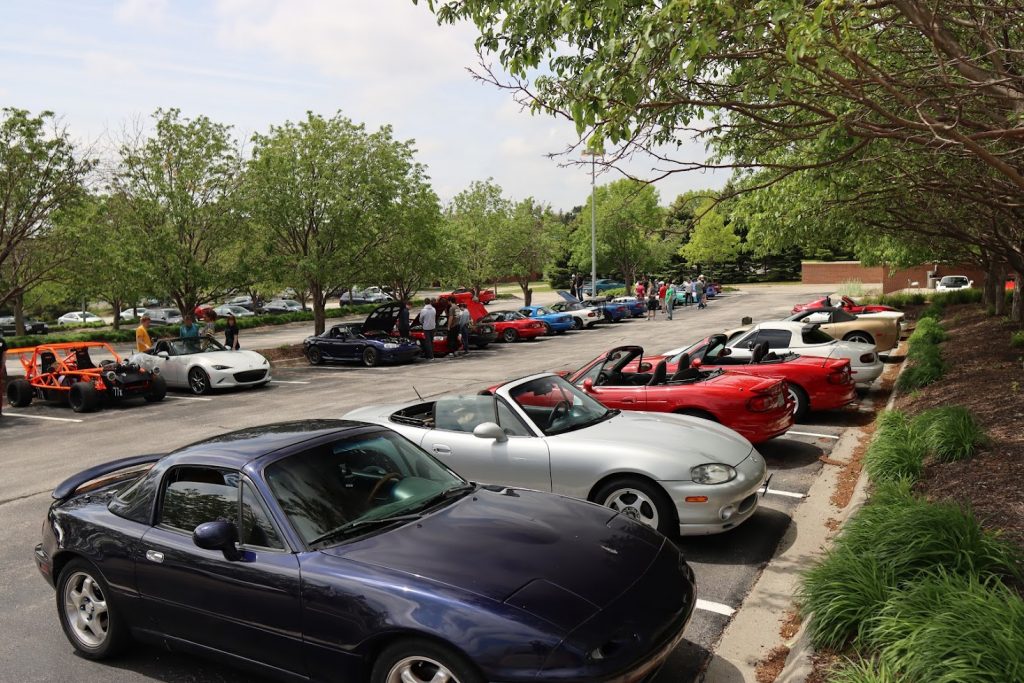
By May 2021, the vehicle began participating in the broader automotive culture through regional car meets. These gatherings highlight the diverse ways in which the Miata platform is utilized. Observations from these events revealed a spectrum of modifications ranging from stock preservation to extreme builds, including turbocharged setups, supercharged engines, and even "Exocet" kit car conversions utilizing Miata subframes.
The Miata community is underpinned by the Japanese philosophy of Jinba Ittai, or "horse and rider as one." This design ethos has fostered a massive global network of owners, which serves as a critical resource for troubleshooting and parts sourcing. For the owner of the 2000 NB, these interactions provided valuable insights into the performance limitations and potential of the platform.
Acoustics and Airflow: The Exhaust System Overhaul
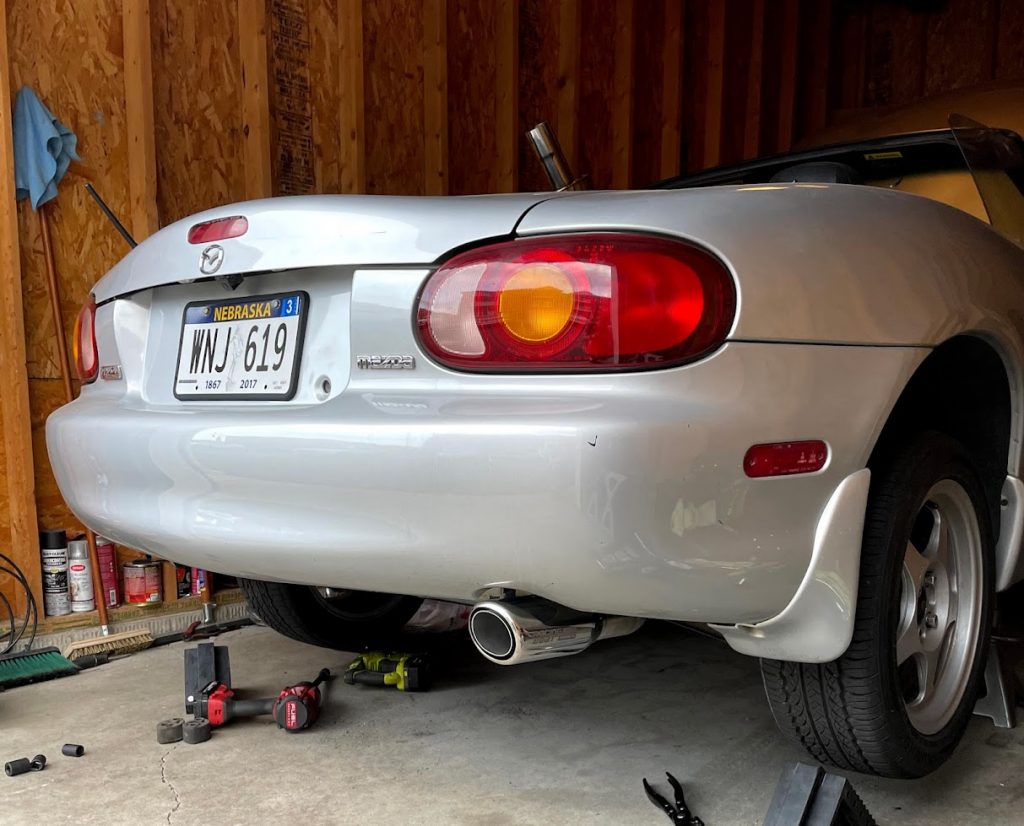
June 2021 marked the first significant performance modifications. The factory exhaust system, plagued by two decades of rust and restrictive catalytic converters, was replaced with an aftermarket suite consisting of a Raceland header, a Cobalt midpipe, and a Racing Beat Power Pulse muffler.
The objective was twofold: to improve the engine’s auditory profile and to marginally increase power by reducing backpressure. However, this installation also highlighted the complexities of modern emissions systems. A failure to properly reconnect the Exhaust Gas Recirculation (EGR) pipe led to persistent "check engine" lights, illustrating that even simple mechanical upgrades require precise execution to maintain vehicle drivability and diagnostic compliance.
Visual Identity and Aesthetic Customization: July–August 2021
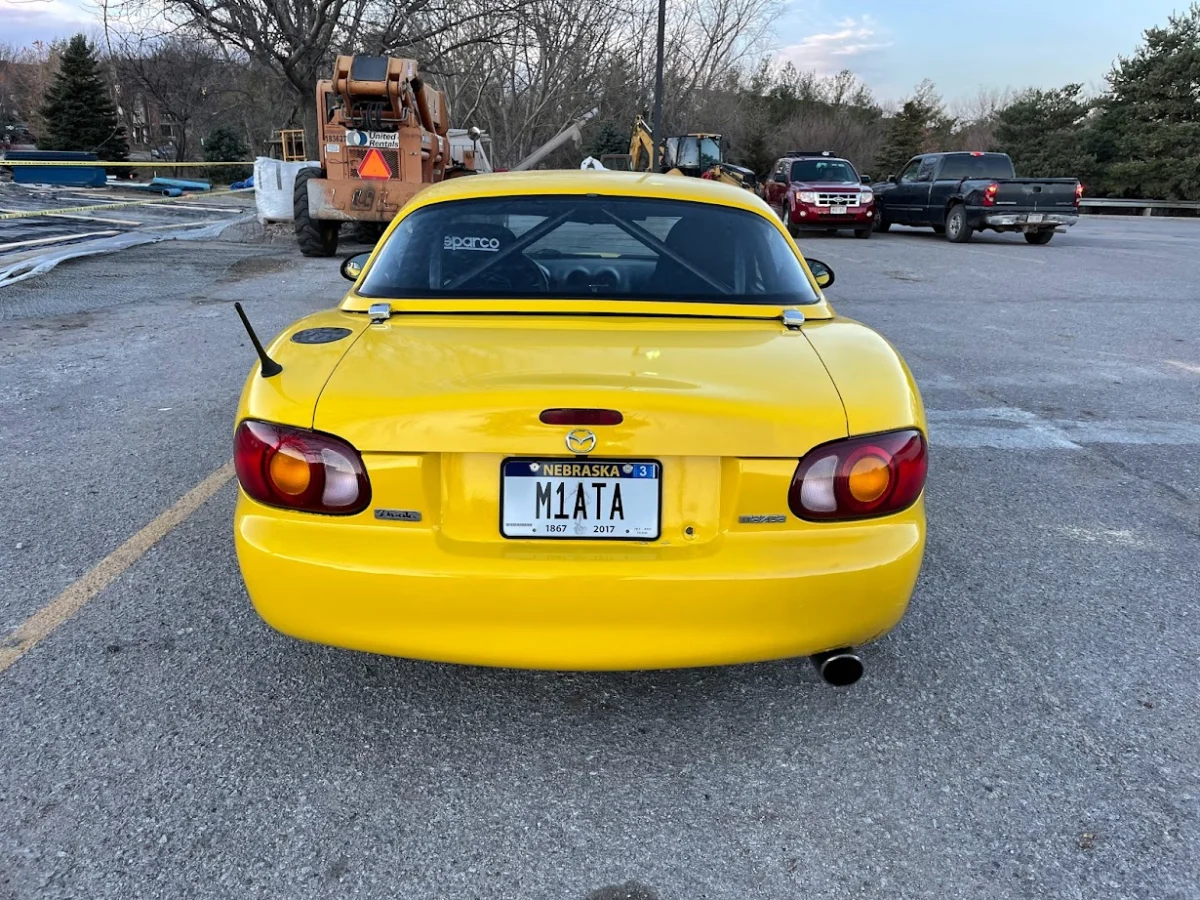
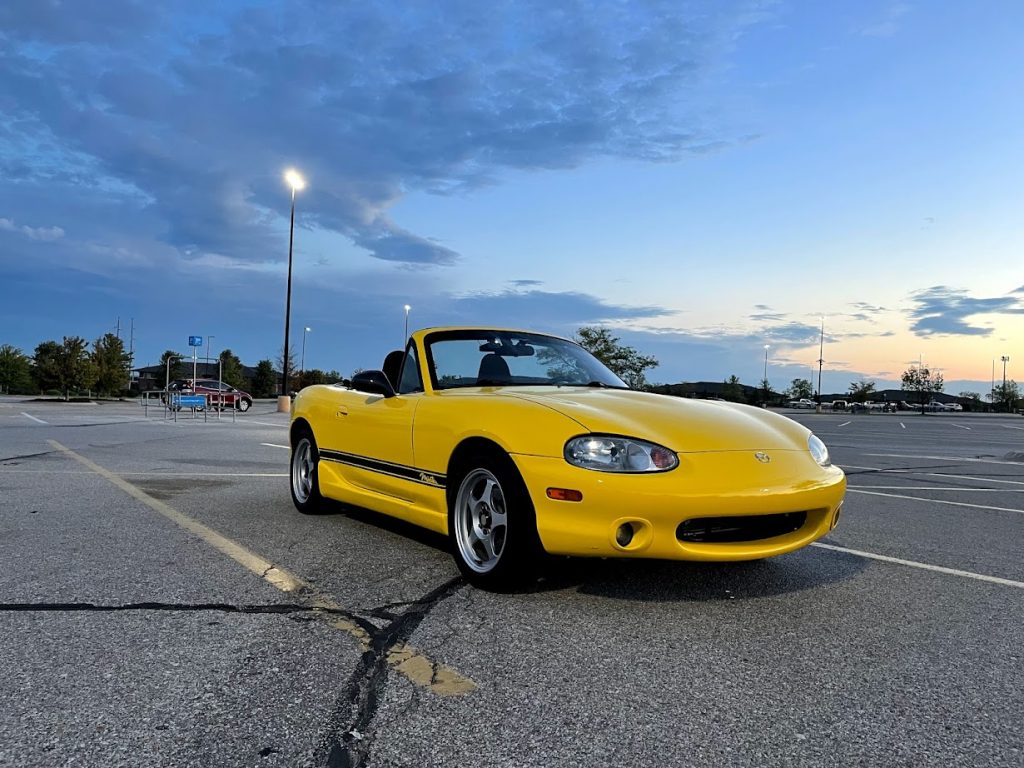
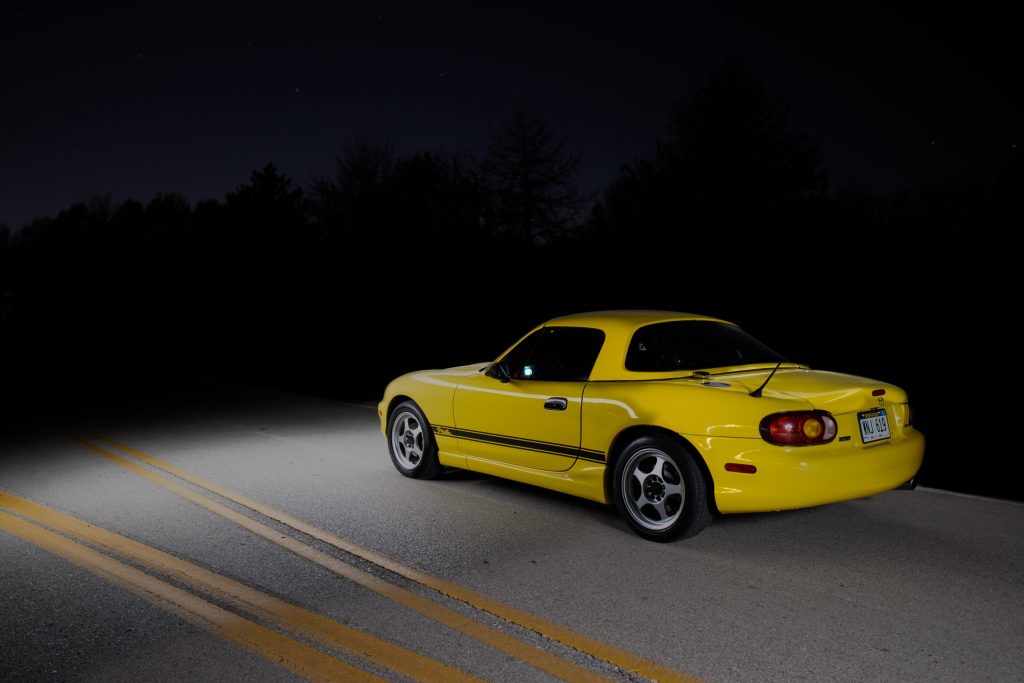
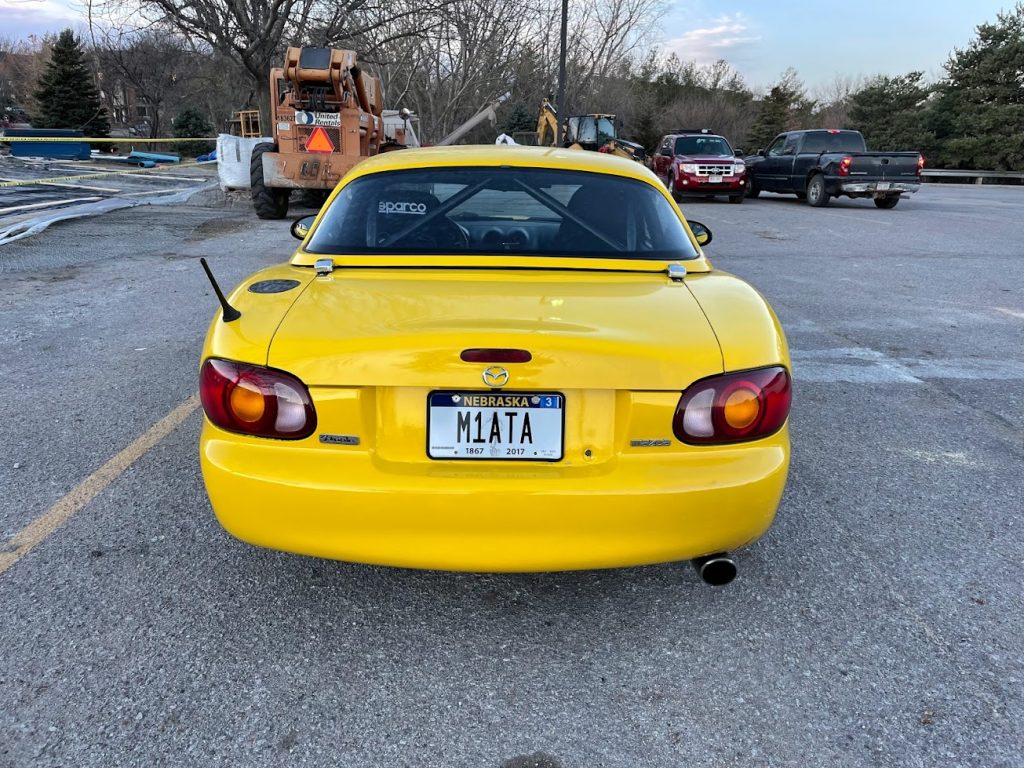
In the summer of 2021, the vehicle underwent a radical aesthetic transformation. While the original silver paint was serviceable, the owner opted for a full vinyl wrap in yellow. This process required significant preparation, including the replacement of a dented front fender with a new panel that was rattle-can painted to provide a smooth surface for the vinyl adhesive.
The transition to yellow was more than a cosmetic choice; it represented a shift in the vehicle’s identity from a generic commuter to a personalized enthusiast car. Professional-grade vinyl wrapping has become a popular alternative to traditional resprays, offering a protective layer for the underlying paint while allowing for a color palette that Mazda did not offer for the 2000 model year.
Transitioning to Competitive Motorsports: September–October 2021
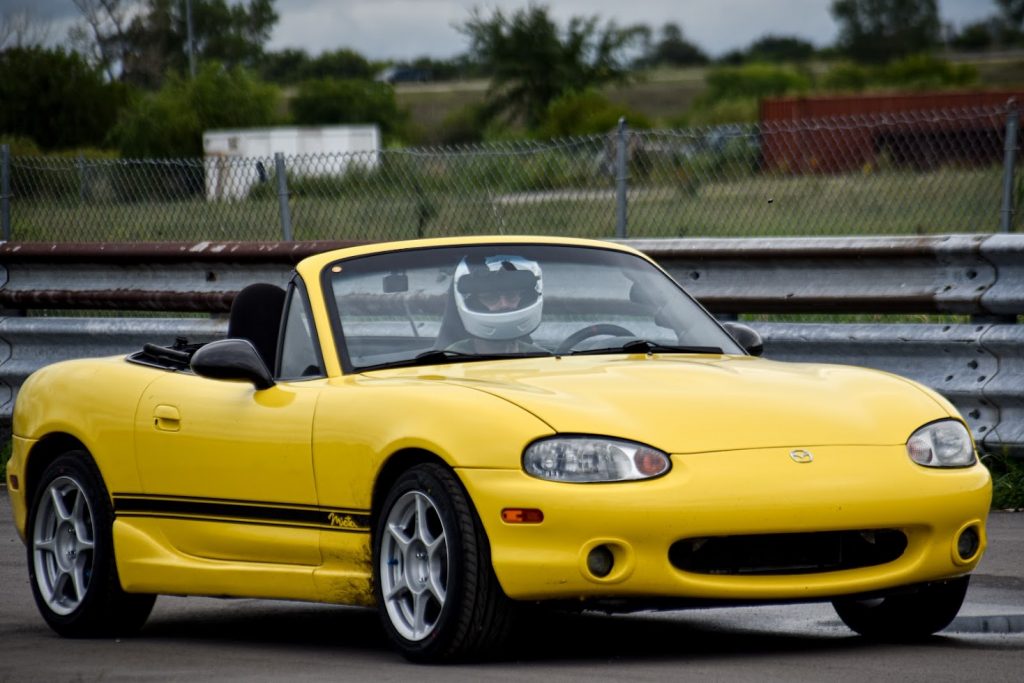
The true test of the vehicle’s mechanical preparation occurred in the fall of 2021. In September, the owner attended a track day at Raceway Park of the Midlands. Unlike public roads, track environments subject the braking and cooling systems to extreme thermal loads. The Miata’s performance confirmed its reputation as a premier "learner" car for high-performance driving, rewarding smooth inputs and momentum-based racing lines.
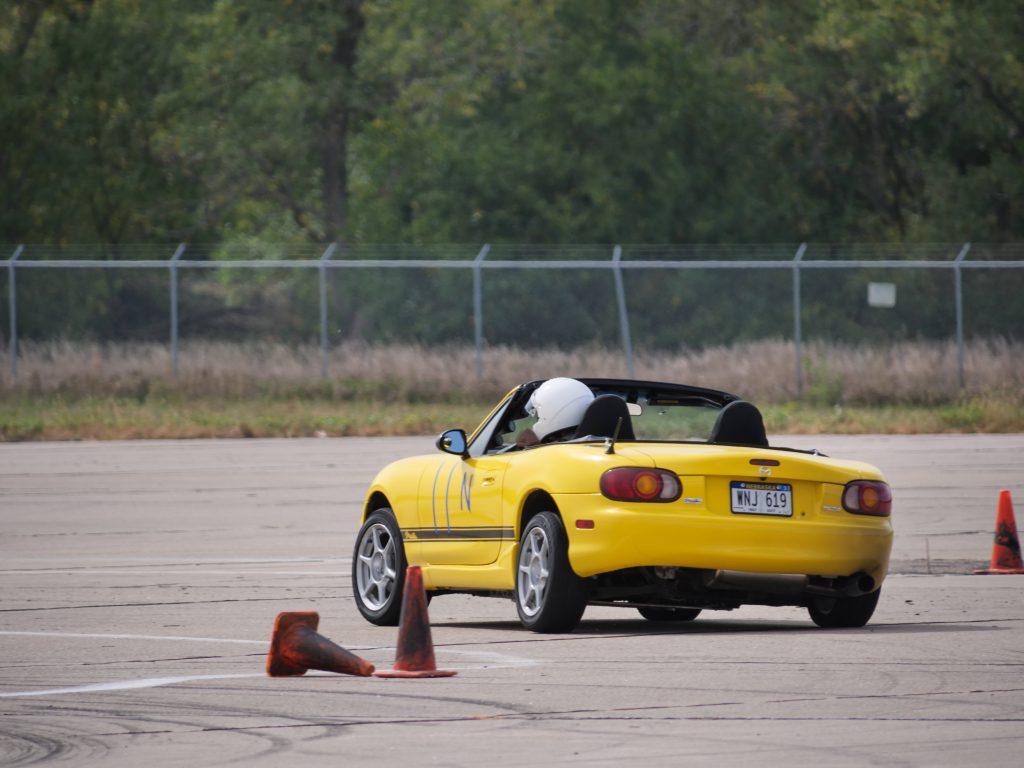
In October, the owner engaged in SCCA-style autocross. This form of motorsport, conducted on courses defined by traffic cones, emphasizes low-speed agility and driver precision. Autocross serves as a cost-effective entry point into competitive driving, and the Miata’s short wheelbase and responsive chassis make it a perennial favorite in the "Street" and "Street Prepared" classes.
Structural Integrity and Winter Preservation Strategies
As temperatures dropped in November, the owner addressed the environmental vulnerabilities of the NB chassis. In regions like Nebraska, the use of road salt during winter months is a primary cause of frame rail and rocker panel oxidation. NB Miatas are statistically more prone to rust than their predecessors due to the design of the front frame rails, which can trap moisture between layers of steel.
To preserve the vehicle, the owner elected to limit exposure to salted roads. During this period, the vehicle was equipped with a factory hardtop. Beyond weather protection, the hardtop significantly increases the structural rigidity of the car, reducing cowl shake and improving the overall feel of the suspension.
Advanced Mechanical Intervention: The Suspension and Engine-Out Phase
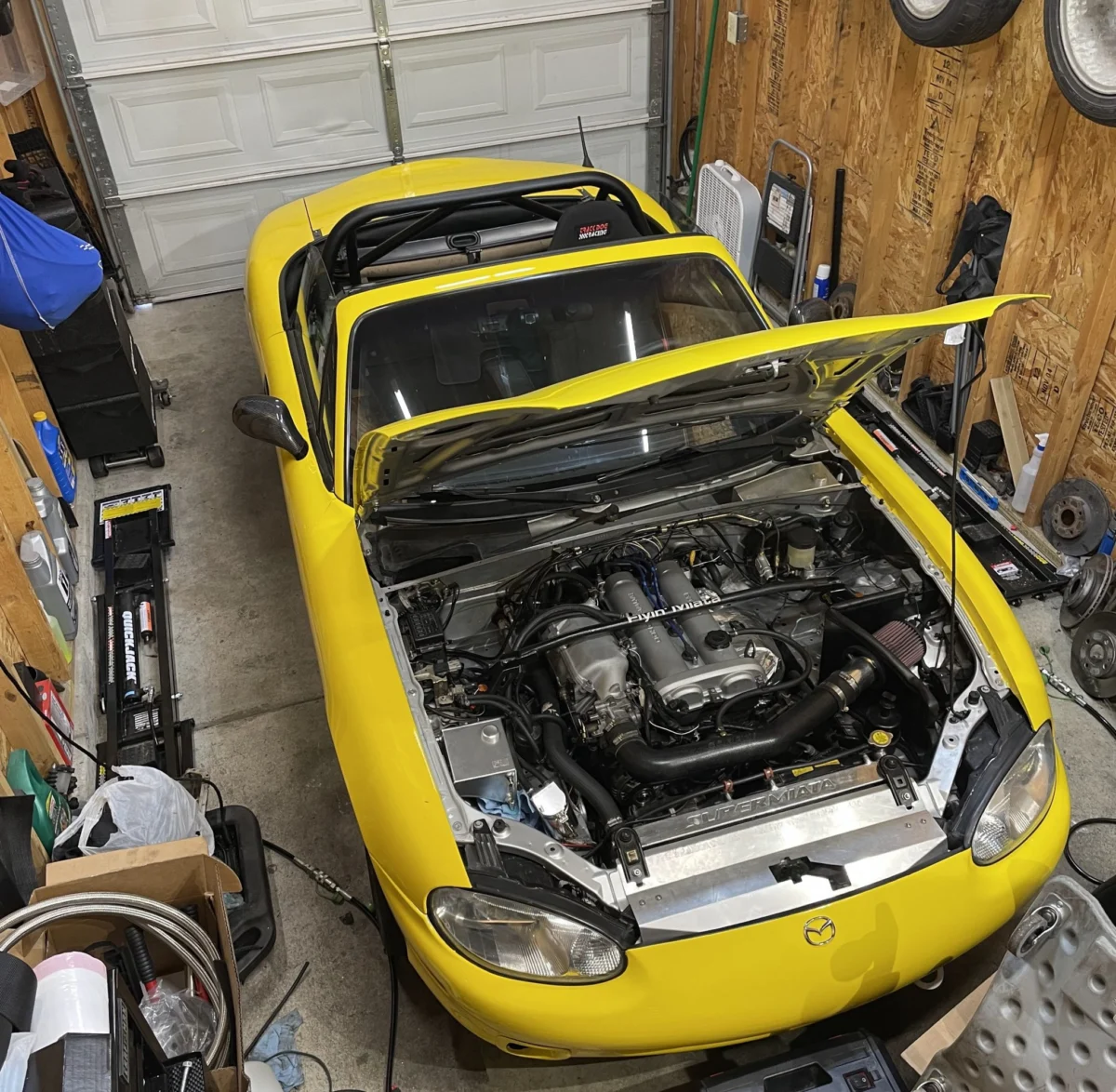
December 2021 and January 2022 were dedicated to heavy mechanical upgrades. With the vehicle off the road for the winter, the owner performed an "engine-out" service. While removing an entire engine may seem extreme, it is often the most efficient way to address certain maintenance items on a Miata, such as the rear main seal, the oil pan gasket, and the "cursed water plug" located at the back of the cylinder head.
During this period, a "coolant reroute" was installed. This is a common modification for the Mazda B-series engine. Because the engine was originally designed for a front-wheel-drive layout, the cooling path in the rear-wheel-drive Miata configuration is suboptimal, often leaving cylinder number four running hotter than the others. A reroute kit redirects the coolant flow to mirror the engine’s original design, ensuring more uniform temperatures across the head—a critical factor for engine longevity during track use.
Simultaneously, the suspension was overhauled with upgraded components to improve handling and adjustability. The combination of new bushings, shocks, and springs transformed the vehicle’s behavior, preparing it for the upcoming 2022 racing season.
Finalization of Safety Systems and Precision Alignment
In February 2022, as the first year of ownership drew to a close, the focus turned to safety and final tuning. Participation in track events requires adherence to the "broomstick test," a safety standard where a straight edge placed from the top of the roll bar to the windshield frame must clear the driver’s helmet. To achieve this, the owner installed Track Dog Racing UltraShield Rally Sport seats, which are mounted lower than the factory units.
Additionally, the owner implemented a DIY alignment. Using manual measurement tools rather than a computerized shop rack, the owner dialed in specific camber, toe, and caster settings tailored for performance driving. This "string alignment" method, while labor-intensive, allows the enthusiast to make incremental changes to the car’s handling characteristics without the recurring costs of professional shop visits.
Broader Implications and Economic Analysis of the NB Platform
The first twelve months of this NB Miata project reflect a broader trend in the automotive market: the rise of the "analog" enthusiast car. As new vehicles become increasingly heavy and reliant on digital interfaces, cars like the 2000 Miata offer a tactile connection to the road that is becoming a luxury.
From an economic perspective, the Miata remains a viable entry point into motorsports. While the "Miata Tax"—the rising cost of parts and vehicles—has increased the barrier to entry, the low cost of consumables (tires, brakes, and fuel) compared to heavier sports cars like the BMW M3 or Porsche 911 makes it a sustainable hobby. The owner’s journey illustrates that with a combination of DIY labor and strategic upgrades, a twenty-year-old Mazda can still outperform modern machinery in terms of driver engagement and smiles per mile.
As the vehicle enters its second year of ownership, the foundation has been laid for more advanced performance metrics. With the maintenance caught up and safety systems in place, the NB Miata stands as a testament to the enduring engineering of Mazda’s most famous platform, ready for another year of track days, autocross, and the open road.