Retno Hari Mulyono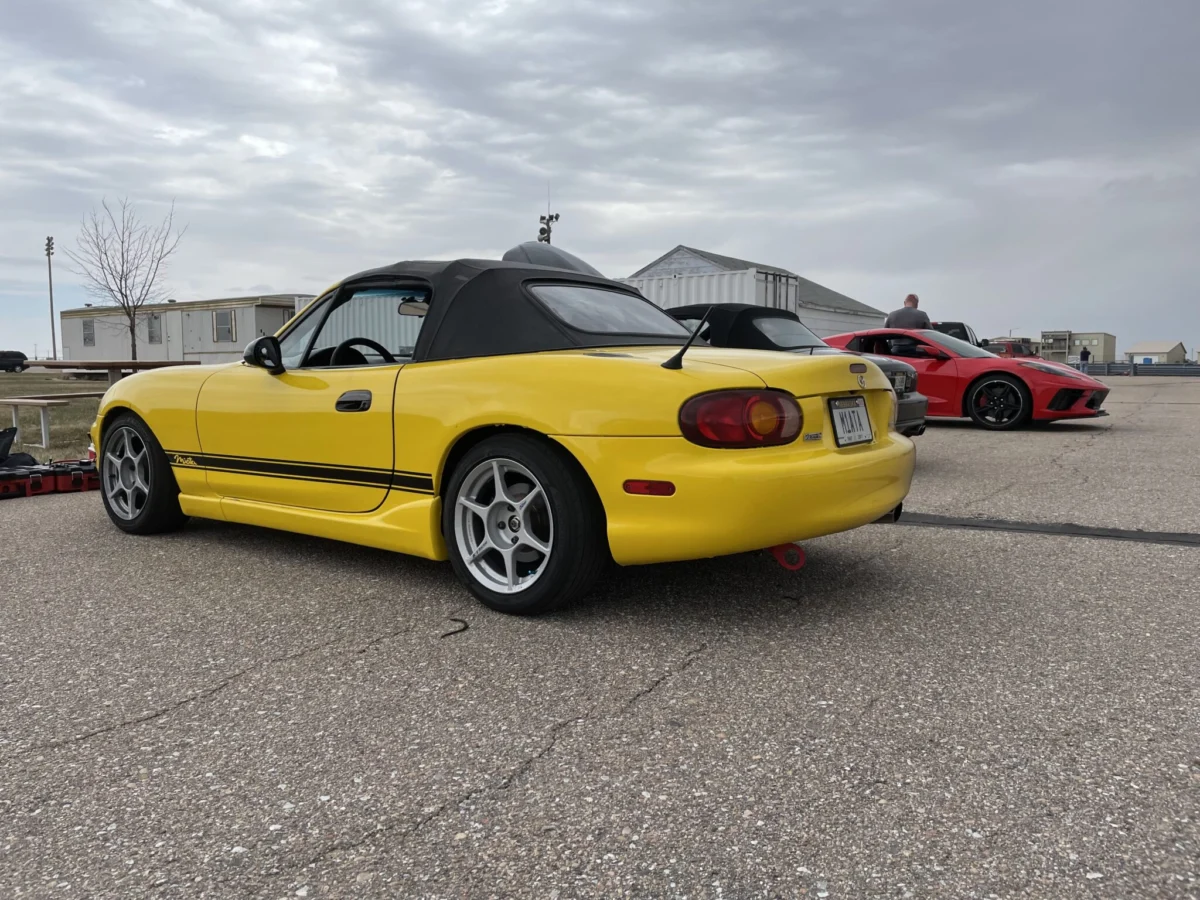
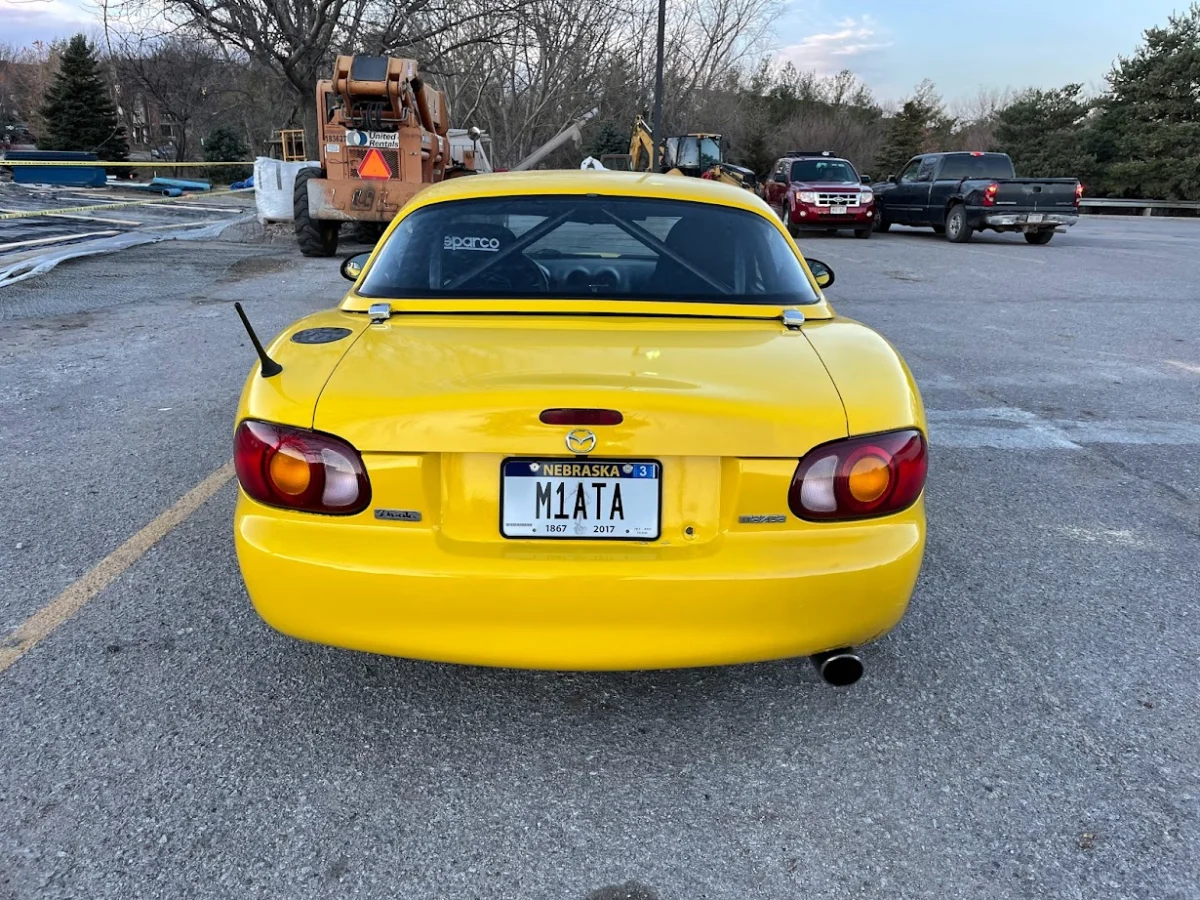
The Mazda MX-5 Miata, specifically the second-generation NB model produced between 1998 and 2005, remains a cornerstone of the amateur racing community due to its balanced chassis, rear-wheel-drive configuration, and extensive aftermarket support. In a detailed longitudinal study of a 2021-acquired project vehicle, a year-long progression from March 2022 to February 2023 reveals the significant performance gains achievable through a combination of mechanical optimization, aerodynamic enhancement, and driver development. This period, marking the second year of ownership for the subject vehicle, illustrates the transition from a standard road-going convertible to a purpose-built track and autocross machine capable of competing in high-performance driving events (HPDE) and SCCA-sanctioned competitions.
Mechanical Optimization and Power Delivery
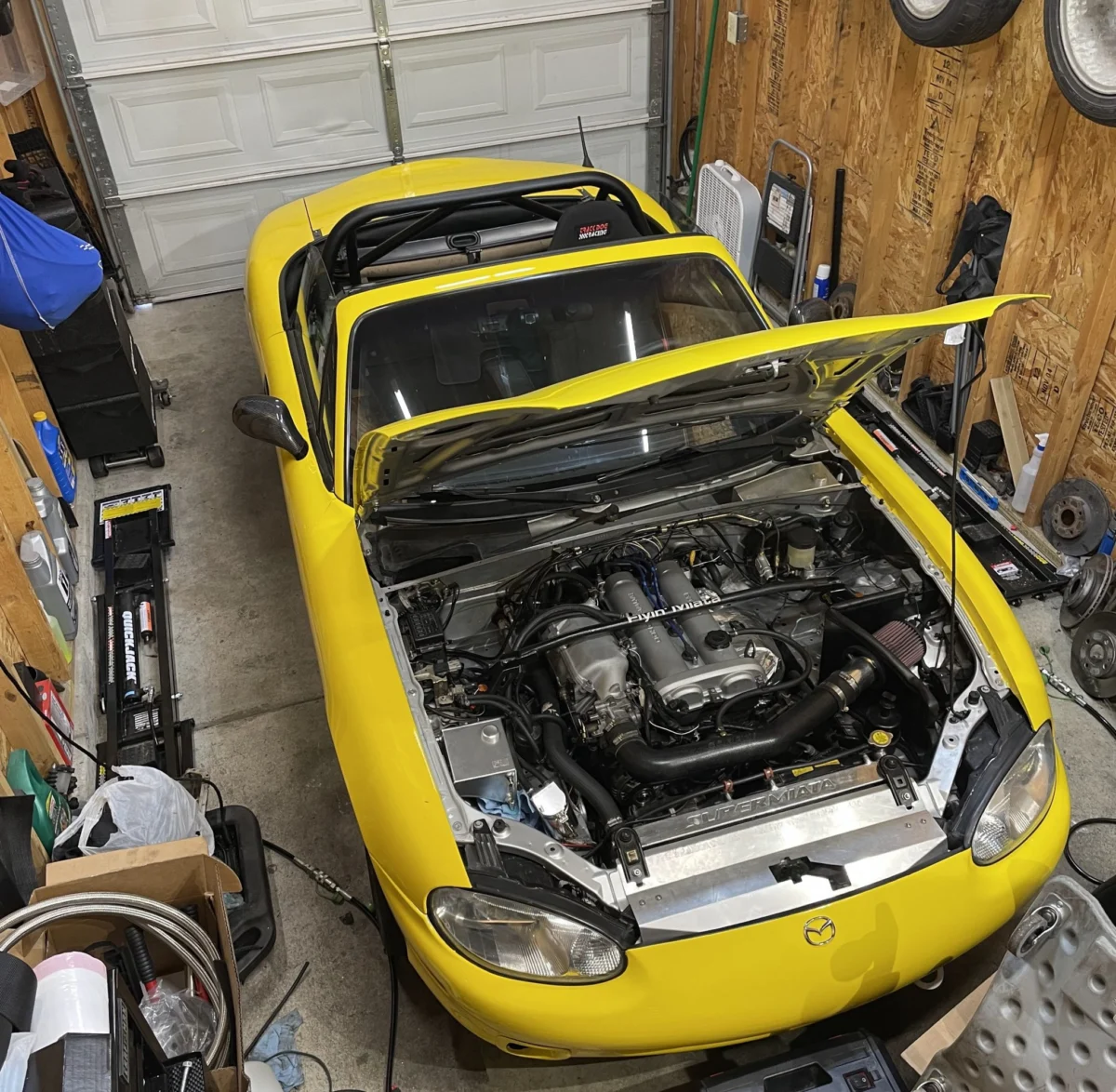
A critical component of the vehicle’s evolution involved a systematic approach to engine performance. In August 2021, the vehicle—equipped with a 1.8-liter BP4W engine—produced 115 wheel-horsepower (whp) and 106 lb-ft of torque. These figures are consistent with a healthy but largely stock NB1 power plant. By July 2022, after a series of targeted modifications, a subsequent dynamometer session recorded a peak output of 136 whp and 119 lb-ft of torque.
This 18% increase in horsepower was attributed to several key upgrades. The integration of a "squaretop" intake manifold—originally found on European and Japanese market Mazdas—allowed for improved airflow at higher RPMs. Furthermore, the installation of a Megasquirt standalone ECU (Engine Control Unit) enabled the vehicle to run on E85 ethanol fuel. E85 provides a higher octane rating and superior cooling properties compared to standard pump gasoline, allowing for more aggressive ignition timing. Industry analysts note that for naturally aspirated engines of this displacement, a gain of 21 whp represents a significant achievement in tuning efficiency.
The Competitive Driving Season: Track and Autocross Analysis
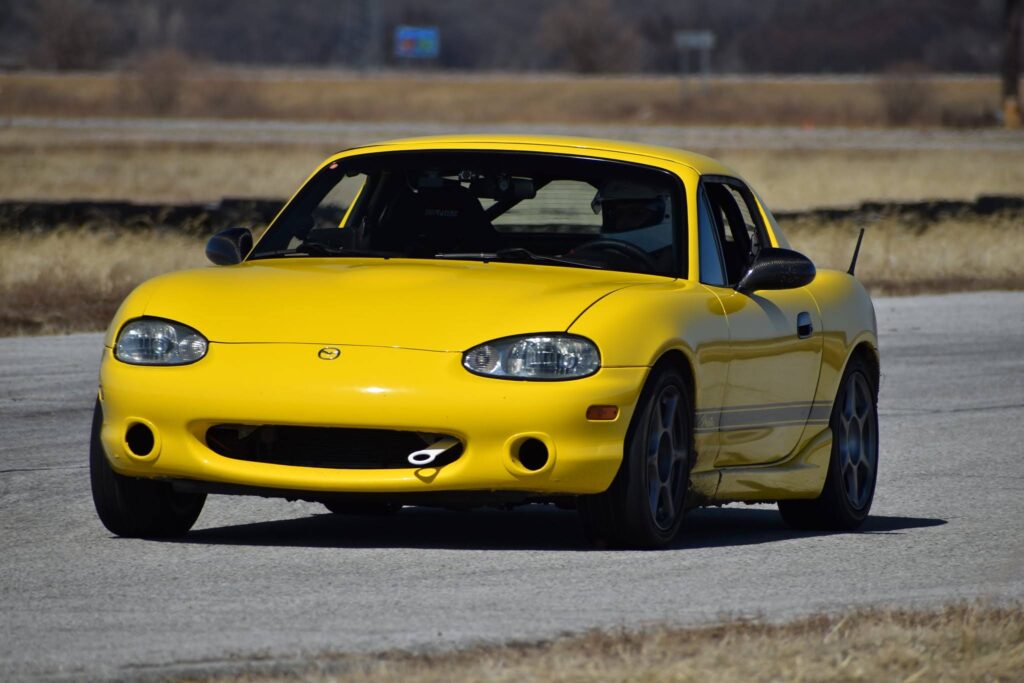
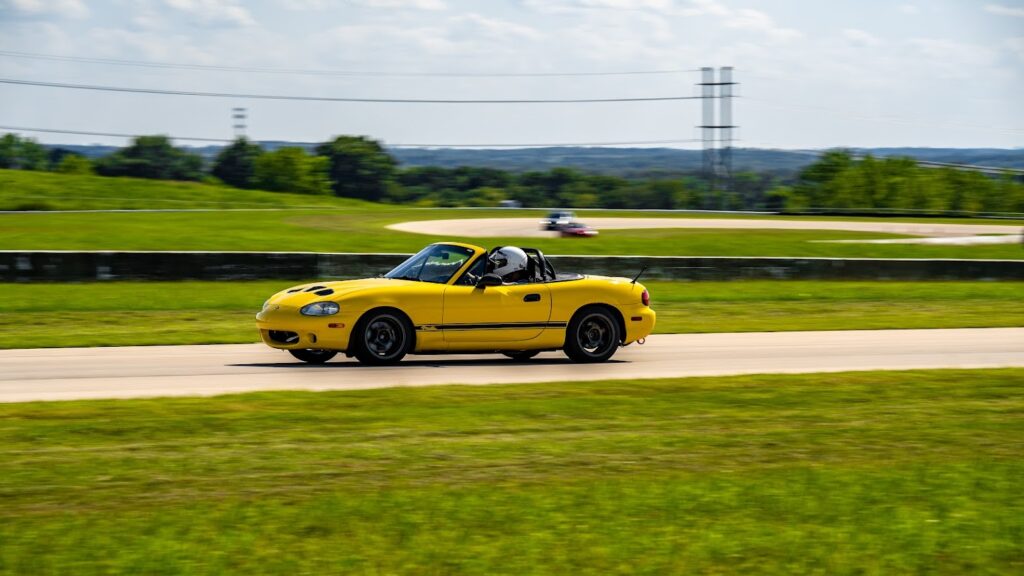
The 2022 driving season served as the primary testing ground for these mechanical changes. The vehicle was frequently campaigned at Raceway Park of the Midlands (RPM) in Iowa, a facility known for its technical layout and demanding, uneven surface. Over eight track days at this location, the vehicle’s lap times improved by 11.29 seconds. While mechanical upgrades contributed to this delta, data suggests that driver consistency and familiarity with the track’s nuances were the primary drivers of this improvement.
In April 2022, the project shifted focus to Motorsports Park Hastings (MPH) in Nebraska. Unlike the abrasive surface of RPM, MPH offered a freshly repaved asphalt circuit, providing a higher grip coefficient and a smoother experience for the vehicle’s suspension. The comparison between these two facilities highlighted the importance of adjustable damping and tire pressure management when transitioning between varying track textures.
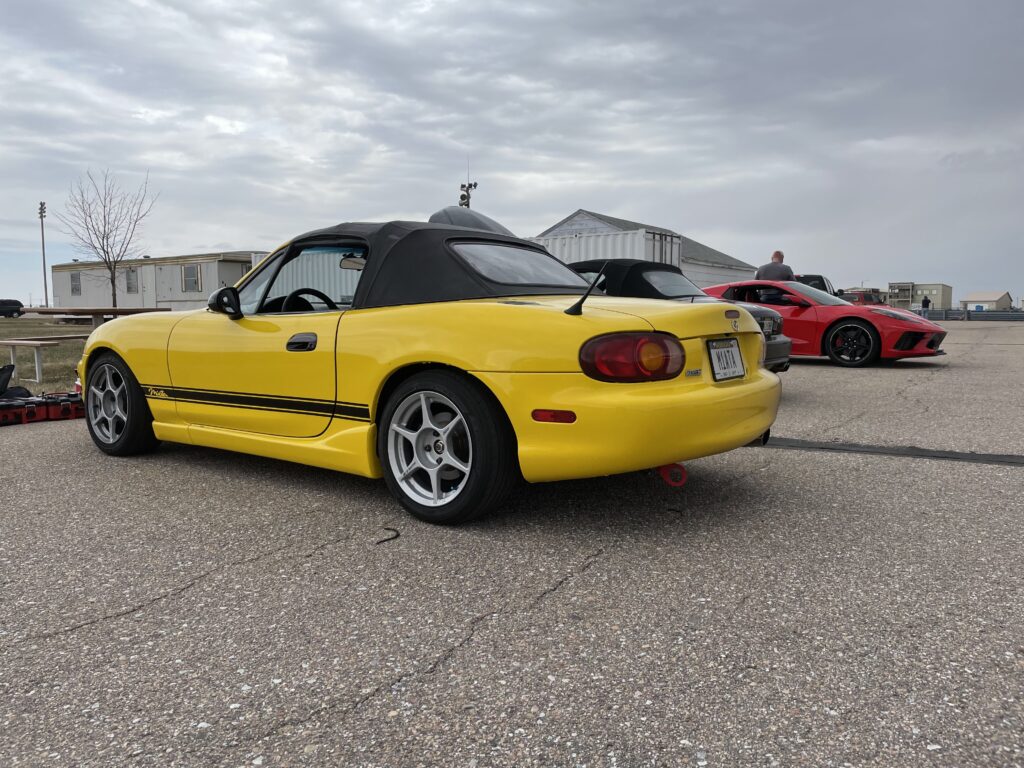
The vehicle’s versatility was further tested in August 2022 at Heartland Motorsports Park in Topeka, Kansas. This facility, a staple of the NASA Central Region and SCCA Mid-South schedules, features significant elevation changes and high-speed banking. The driver’s participation in "Track Night in America" events provided a baseline for the vehicle’s high-speed stability, though the aging Hankook RS4 tires began to show signs of heat-cycling degradation, leading to a decrease in peak lateral grip.
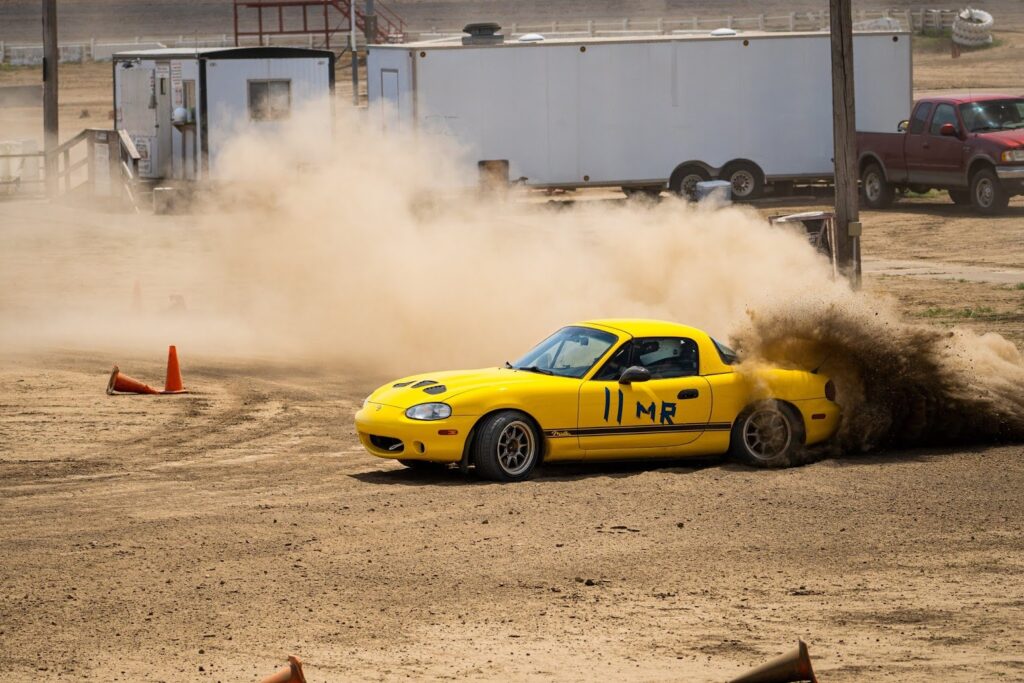
Beyond traditional road courses, the vehicle was entered into SCCA Autocross and Rallycross events. In the autocross circuit, the vehicle’s performance percentile rose from the bottom 8% of the field to the top 50% by the end of the season. This progression underscores the efficacy of the Miata platform as a tool for skill acquisition. A brief foray into Rallycross at I-80 Speedway demonstrated the chassis’s balance on low-traction surfaces, although the event resulted in the loss of a front aerodynamic lip, illustrating the hazards of using a track-oriented setup in off-road conditions.
Logistical Innovations: The Custom Tire Trailer
A perennial challenge for Miata owners is the vehicle’s limited cargo capacity. To facilitate self-supported track days, a custom tire trailer was engineered. Built upon a 40×48-inch Northern Tool frame, the trailer featured an extended plywood deck and a total loaded weight of approximately 700 lbs.
The configuration allowed for the transport of:
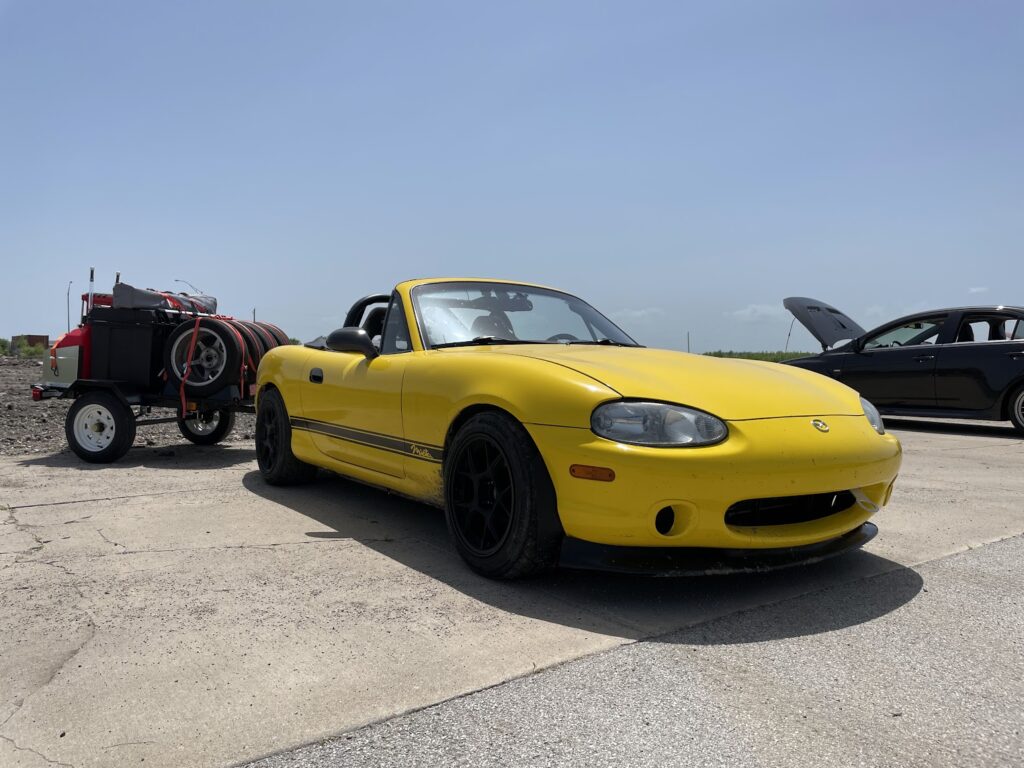
- A dedicated set of four track tires.
- A large latching storage box for tools and fluids.
- Milwaukee Packout modular tool systems.
- Two five-gallon fuel jugs.
- A canopy and seating for paddock use.
The vehicle successfully towed this payload for over 1,000 miles during the season. Engineering assessments of the NB Miata’s subframe suggest that while the vehicle is not rated for heavy towing, light-duty trailers under 1,000 lbs are manageable provided the tongue weight is properly balanced.
Incident Report and Cosmetic Restoration
The limits of the vehicle’s performance were reached on October 29, 2022, during the final track day of the season at Raceway Park of the Midlands. While navigating the complex between Turn 10 and Turn 11, the vehicle experienced a high-speed oversteer condition. Despite corrective steering inputs, the vehicle transitioned into an understeer slide on the grass, impacting a tire wall at approximately 60 mph.
The impact resulted in significant cosmetic damage to the front-left quadrant, including:
- Deformation of the hood and front bumper.
- Crushing of the left front fender.
- Destruction of the left headlight assembly.
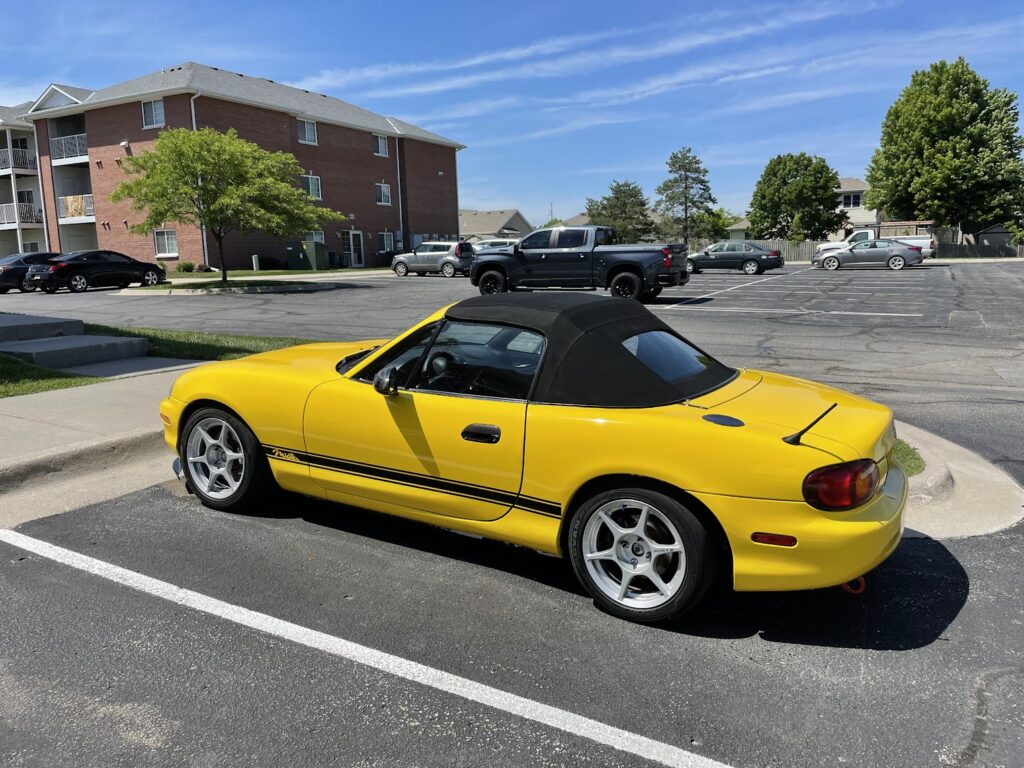
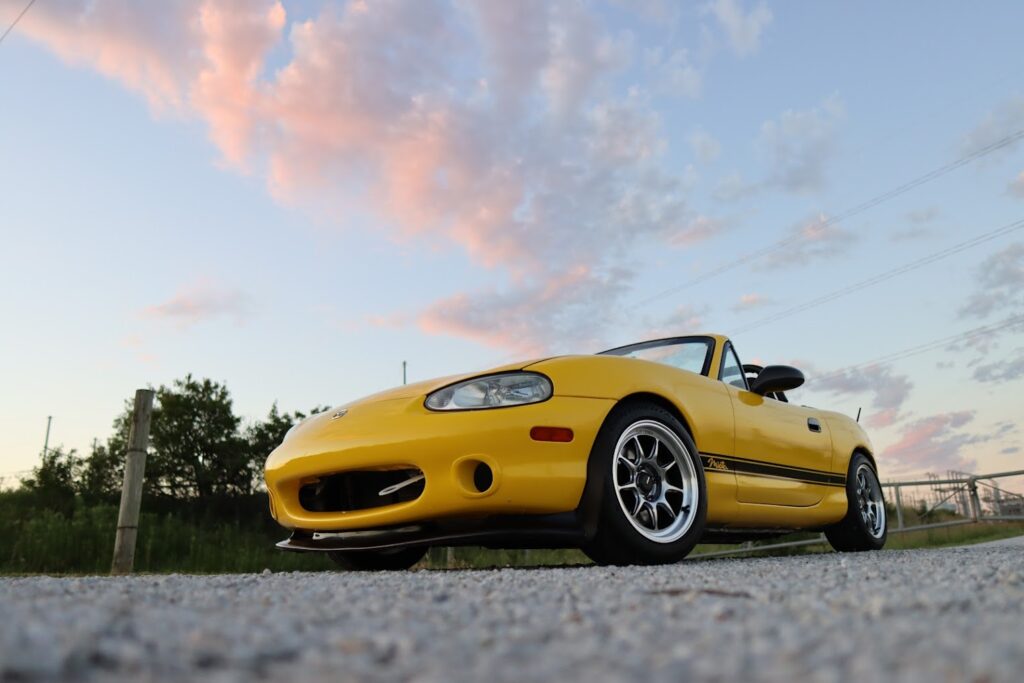
The tire wall functioned as a kinetic energy absorber, preventing structural damage to the frame or injury to the occupants. Demonstrating the modularity of the Miata platform, the owner performed a rapid restoration in November. Using junkyard components and a yellow vinyl wrap, the vehicle was returned to a "track-ready" state within weeks. The use of vinyl wrap over mismatched body panels was noted as a cost-effective alternative to professional paint, particularly for vehicles frequently exposed to the risks of wheel-to-wheel or high-speed track environments.
Winter Technical Overhaul: Suspension and Aero
Following the conclusion of the 2022 season, the vehicle underwent a comprehensive technical overhaul to prepare for 2023. This phase focused on the elimination of suspension "stiction" and the implementation of downforce.
Suspension Upgrades
In December 2022, the rubber bushings in the control arms were replaced with A1 Ground Control Nylatron bushings. Nylatron, a self-lubricating nylon-based plastic, offers a higher degree of rigidity than polyurethane while maintaining lower friction. This upgrade was complemented by Paco Motorsports adjustable rear upper control arms, allowing for precise camber and toe adjustments. While these changes increased Noise, Vibration, and Harshness (NVH) within the cabin, they provided a more direct mechanical link between the driver and the road surface.
Aerodynamic Integration
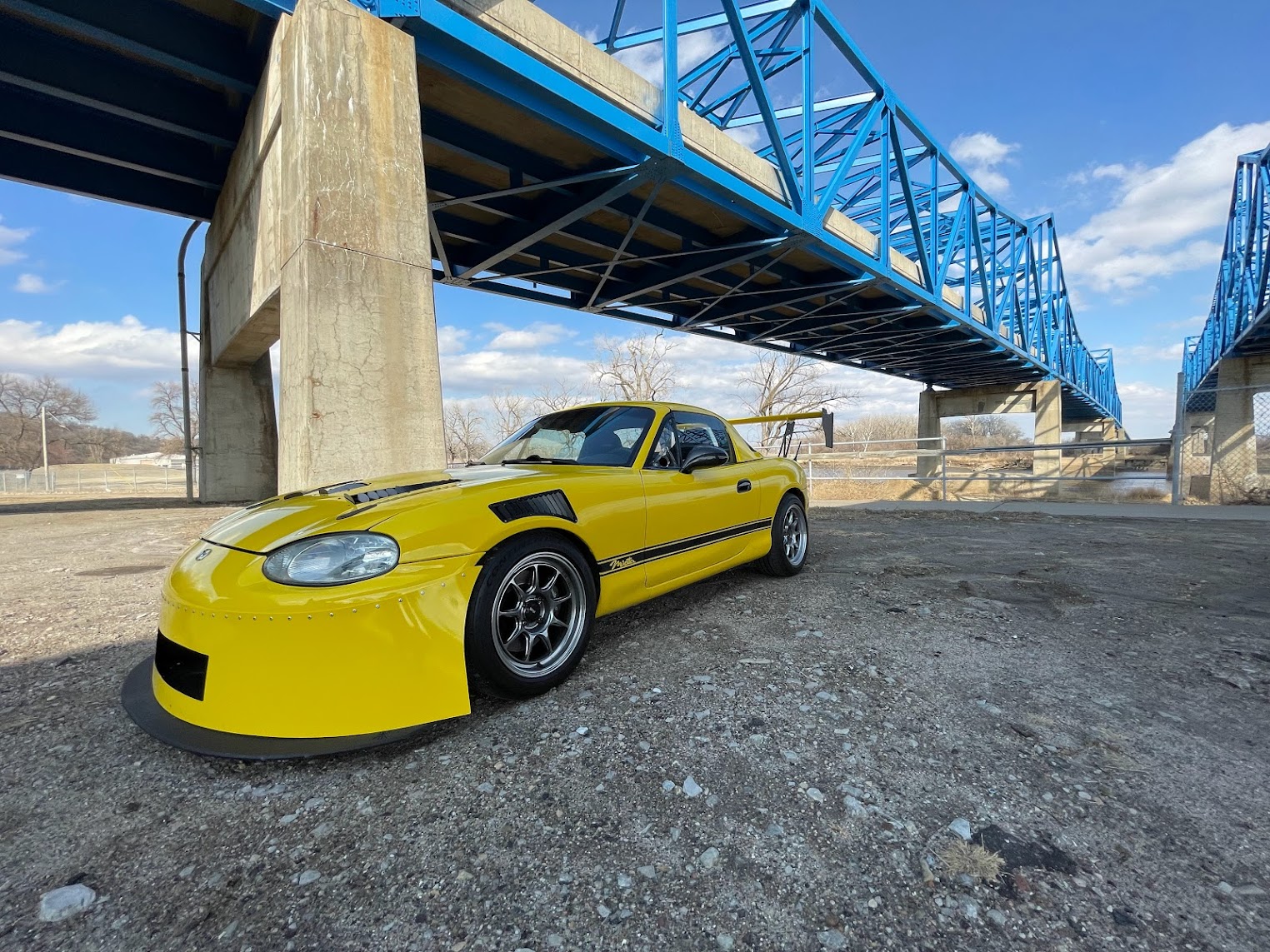
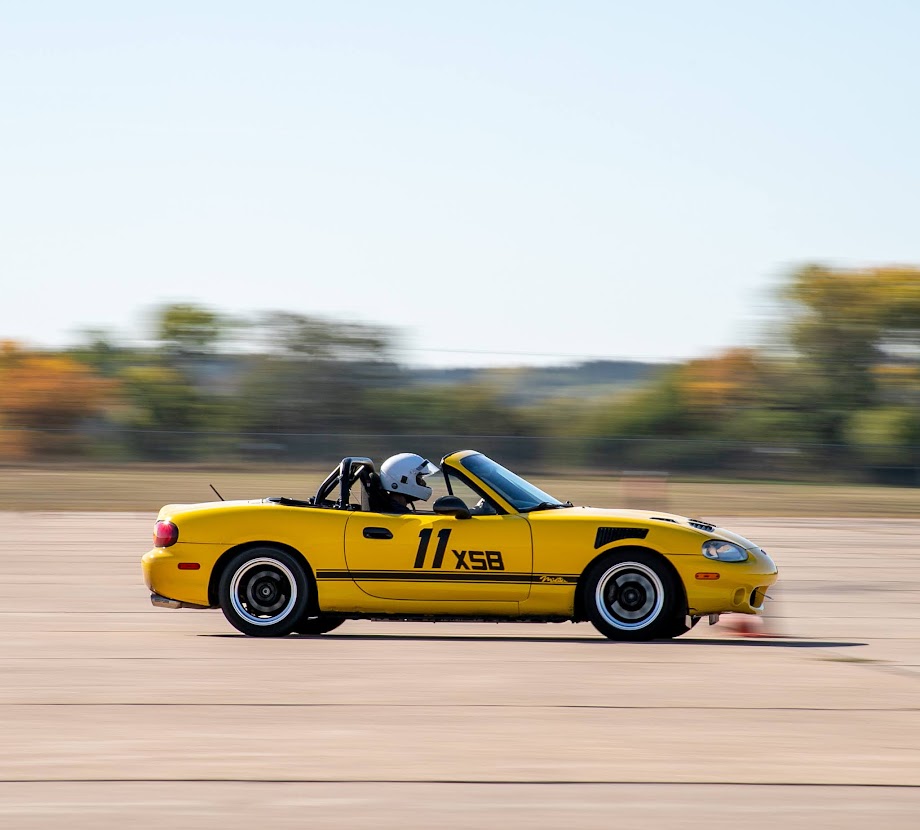
In February 2023, a Nine Lives Racing "Medium Downforce" aero kit was installed. The package included a frame-mounted rear wing and a front air dam/splitter combination. Initial testing indicated a significant shift in the vehicle’s high-speed behavior. The NB Miata naturally experiences aerodynamic lift at speeds exceeding 80 mph; the addition of the wing converted this lift into usable downforce, increasing high-speed stability and cornering confidence. The kit’s compliance with the SCCA XS-B autocross class ensures its legality for future competitive seasons.
Engine and Drivetrain Maintenance
Parallel to the suspension work, the engine was removed in January 2023 to address a persistent rear main seal leak. This "engine-out" service provided the opportunity to install a lightweight flywheel, further improving throttle response. Additionally, the owner acquired a BP6D engine (featuring Variable Valve Timing) and a six-speed manual transmission to be held in reserve, signaling a future transition to a more modern and robust drivetrain.
Conclusion and Future Implications
The two-year evolution of this NB Miata demonstrates the iterative nature of automotive project management. From its initial purchase in March 2021 to its current configuration in early 2023, the vehicle has been transformed through data-driven modifications and real-world testing. The transition from a 115 whp street car to a 136 whp aerodynamically stabilized track machine represents a blueprint for grassroots enthusiasts.
The broader implications of this project reflect a trend in the automotive hobby toward "functional restoration," where older platforms are kept relevant through modern tuning and materials science. As the availability of affordable, rear-wheel-drive internal combustion vehicles diminishes, the preservation and optimization of the NB Miata platform remain vital for the health of amateur motorsports in North America. The upcoming 2023 season will serve as the definitive test for the new aerodynamic and suspension configurations, as the project moves into its third year of development.