Retno Hari Mulyono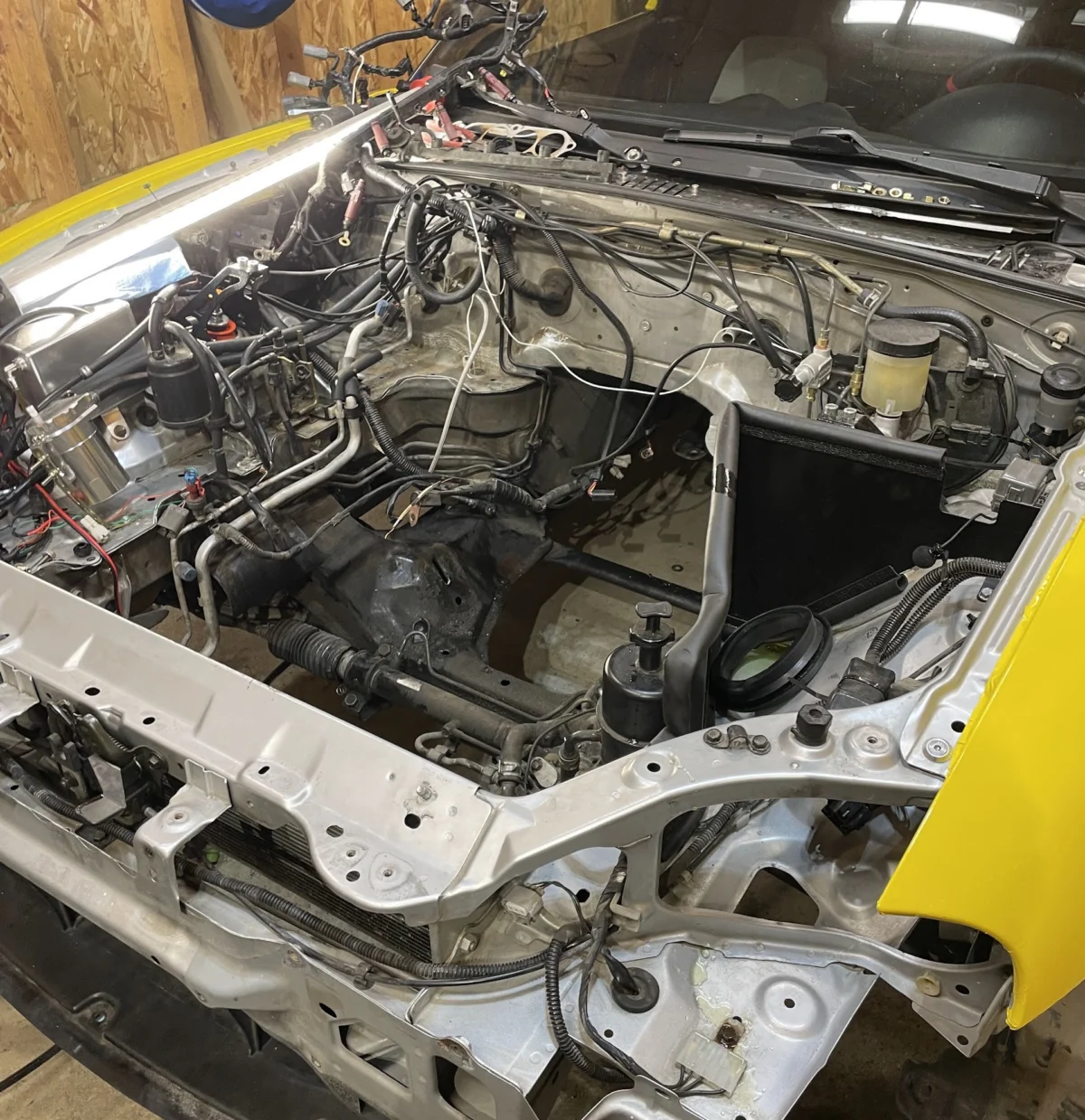
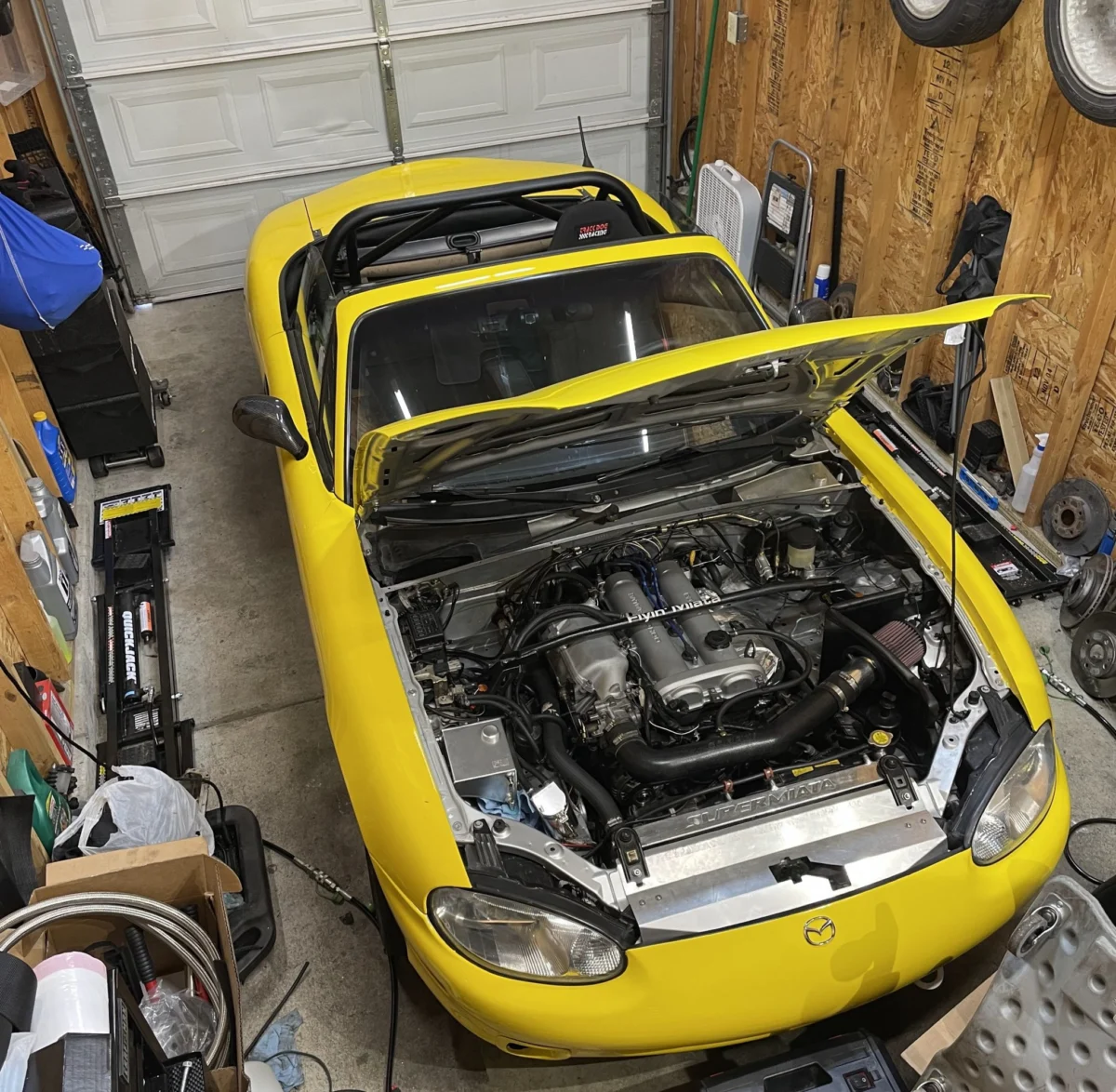
The second-generation Mazda MX-5, known internally as the NB, remains a cornerstone of the amateur racing and enthusiast community due to its balanced chassis and the venerable BP-series engine. However, as these vehicles age, owners often face a crossroads between incremental repairs and a comprehensive mechanical overhaul. For one dedicated NB Miata owner, the decision to extract the 1.8-liter powerplant was driven by a compounding list of maintenance requirements and the strategic opportunity to install performance-oriented upgrades that are otherwise difficult to access with the engine in situ. This report details the technical process, the specific hardware integrated during the project, and the subsequent mechanical challenges encountered following the reinstallation.
Technical Objectives and Engine Extraction Strategy
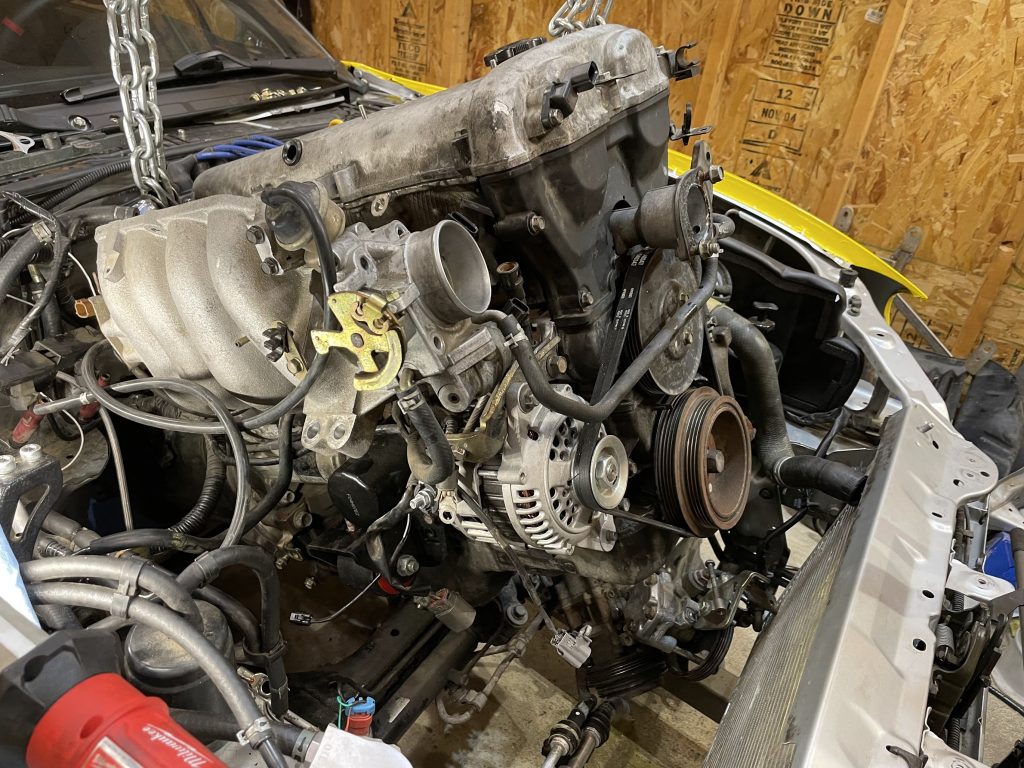
The primary catalyst for the engine removal was a series of persistent oil leaks, most notably from the rear main seal. While a single leak might typically be addressed by dropping the transmission, the cumulative need for a new oil pan, a clutch replacement, and cooling system modifications made a full engine extraction the most efficient path forward. The project utilized a standard engine hoist to remove the engine and transmission as a single integrated assembly, a method favored by many Miata technicians for its ability to bypass the cramped confines of the transmission tunnel during separation.
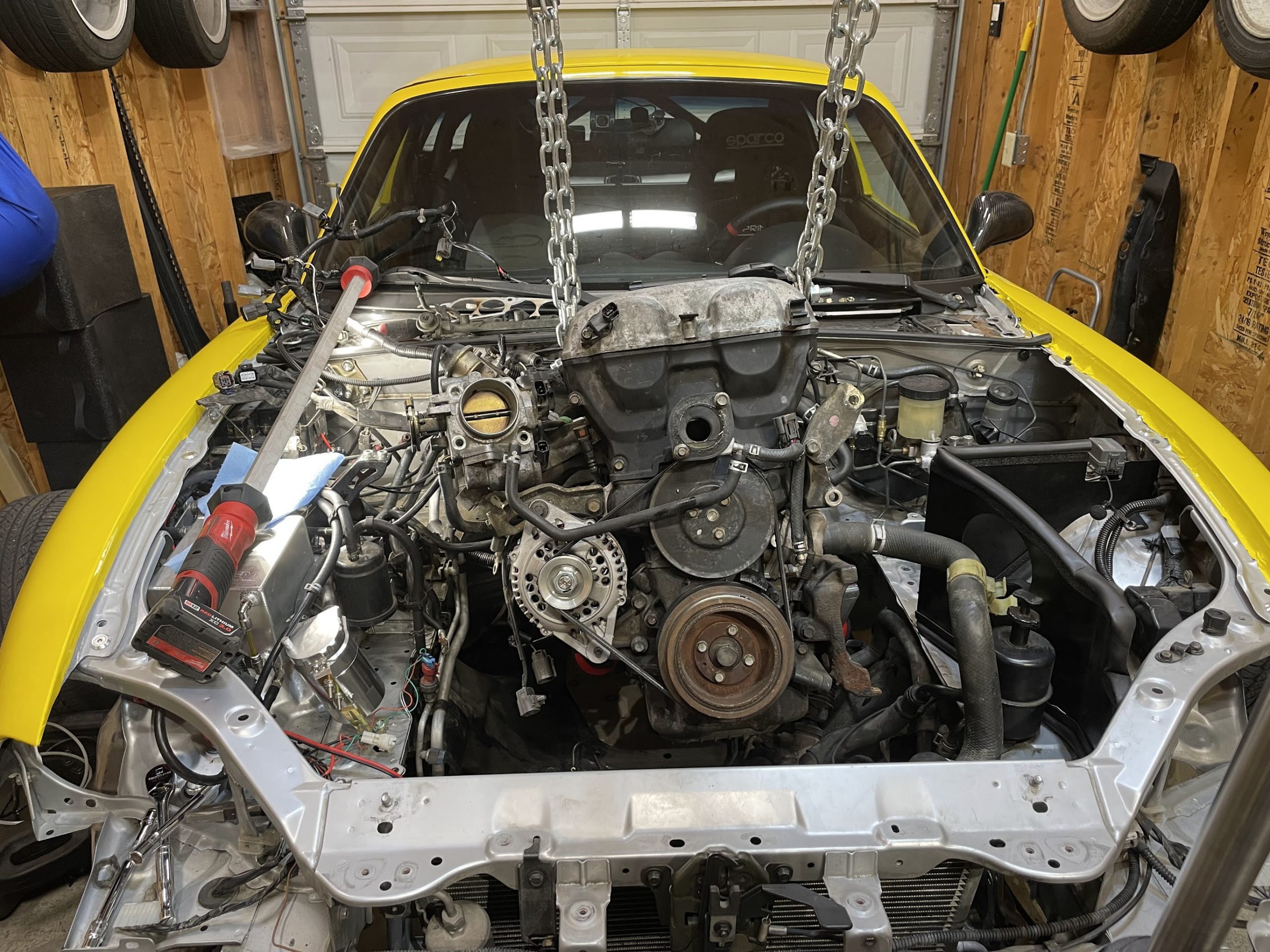
The extraction process for the NB Miata is generally regarded as straightforward within the automotive community. It requires the disconnection of the wiring harness, fuel lines, cooling hoses, and the power plant frame (PPF) that connects the transmission to the differential. Reinstallation, however, presents a higher degree of difficulty, as the engine must be precisely angled to allow the motor mounts to seat into the subframe while simultaneously aligning the transmission output shaft.
Addressing Chronic Lubrication Issues
The Mazda BP engine, while robust, is frequently criticized for its tendency to develop oil leaks as gaskets and seals reach the end of their service life. This specific project targeted several high-priority areas:
- Rear Main Seal: A significant source of oil loss that can eventually contaminate the clutch disc.
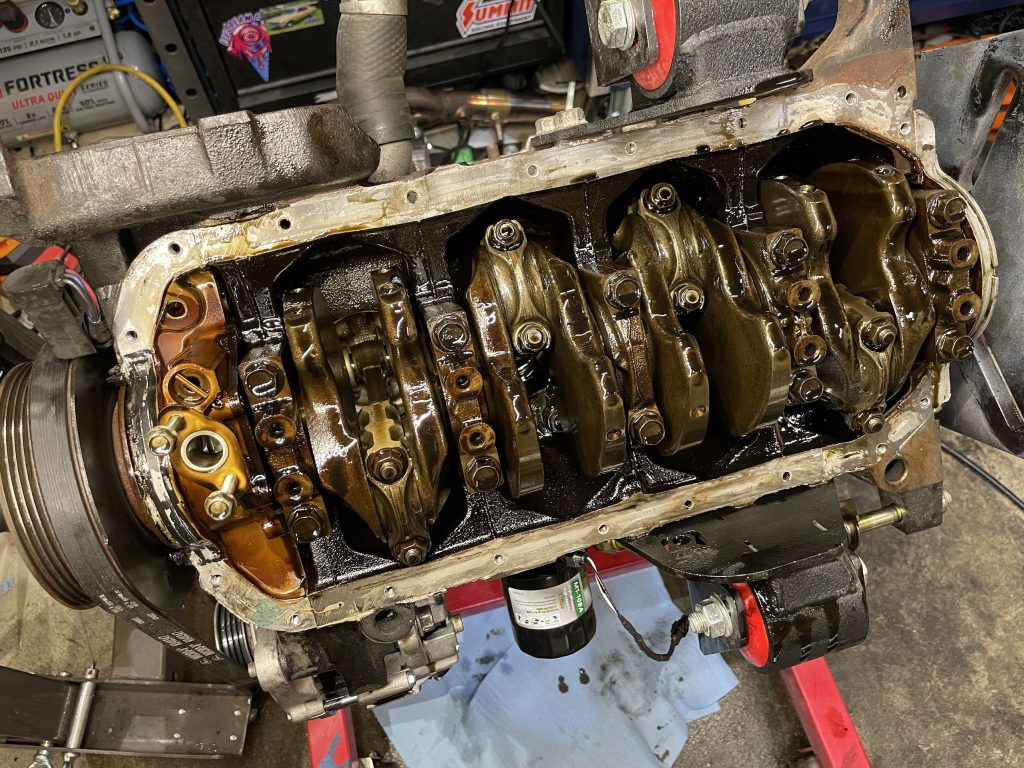
- Oil Pan Replacement: The original oil pan featured stripped drain plug threads, a common result of over-torquing during routine maintenance. The owner opted to replace the damaged unit with a verified used pan rather than attempting a thread repair, such as a Time-Sert or Helicoil, to ensure long-term reliability.
- Transmission Seals: Both the input and output shaft seals were replaced as a preventative measure.
A critical technical hurdle during this phase involved the oil pan’s baffle plate. In the BP engine, a windage tray/baffle plate is sandwiched between the engine block and the oil pan, secured by Room Temperature Vulcanizing (RTV) silicone. The owner noted that separating these components requires extreme care; excessive force can bend the baffle plate, compromising its ability to manage oil sloshing during high-lateral-G maneuvers on a racetrack.
Performance Drivetrain Upgrades: Clutch and Flywheel
With the engine removed, the owner took the opportunity to replace the factory clutch and flywheel. Given the long-term goal of adding forced induction or high-compression internal modifications, a Supermiata Sport Clutch was selected. This unit utilizes an organic friction material designed to maintain street-friendly engagement characteristics while offering a torque capacity of approximately 230 lb-ft—significantly higher than the stock 119 lb-ft produced by the NB1 engine.
To complement the clutch, a 9-pound aluminum lightweight flywheel was installed, replacing the stock unit which weighs approximately 18 pounds. The 50% reduction in rotational mass allows the engine to rev more freely, improving the speed of rev-matching on downshifts and slightly reducing the parasitic loss of power through the drivetrain. Initial testing revealed that while the clutch required a brief break-in period to eliminate a pungent odor—likely from the off-gassing of the organic resins—the pedal feel remained comparable to the Original Equipment Manufacturer (OEM) specifications.
Thermal Management: The Coolant Reroute
Perhaps the most significant reliability upgrade performed was the installation of a Hawley Performance coolant reroute kit. To understand the necessity of this modification, one must look at the history of the Mazda B-series engine. Originally designed for transverse mounting in front-wheel-drive vehicles like the Mazda 323, the engine’s cooling path was designed to enter one side of the head and exit the other.
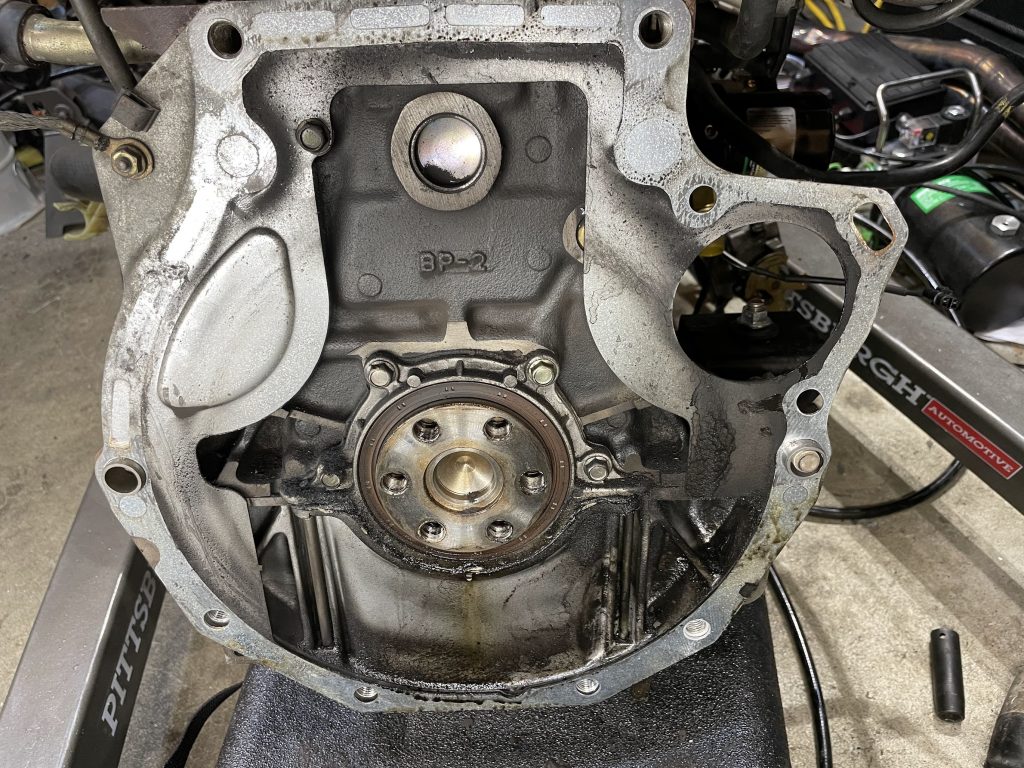
When Mazda adapted the engine for the rear-wheel-drive Miata, they moved the thermostat housing to the front of the engine to allow for easier serviceability against the firewall. This created a "dead end" for coolant flow at the rear of the engine, specifically affecting cylinder number four. Under track conditions, this cylinder runs significantly hotter than the others, leading to accelerated wear and potential head gasket failure.
The Hawley Performance kit effectively restores the original cooling path by moving the thermostat to the rear of the cylinder head. While this makes future thermostat changes more difficult due to the proximity of the firewall, it ensures uniform temperature distribution across all four cylinders. The owner reported lower overall coolant and oil temperatures following the modification, though they noted that the altered plumbing made bleeding air from the system more labor-intensive, requiring the use of a specialized spill-proof funnel to reach the highest point in the cooling circuit.
Induction Optimization: The "Flattop" Manifold
In pursuit of higher-RPM efficiency, the owner replaced the domestic Variable Inertial Charging System (VICS) intake manifold with a European/Japanese Market (EUDM/JDM) "Flattop" manifold, often referred to in enthusiast circles as the "Squaretop."
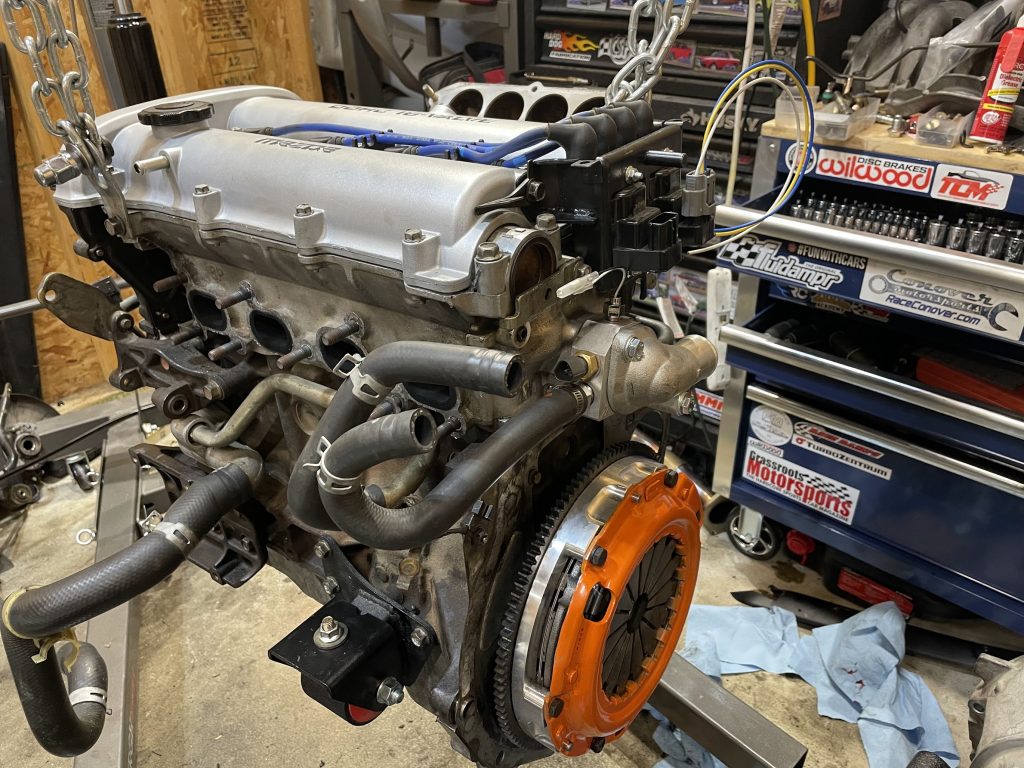
The VICS manifold uses butterflies to vary the plenum volume, optimizing low-end torque. However, for track-focused applications where the engine spends the majority of its time between 5,000 and 7,000 RPM, the Flattop manifold is superior. It features a larger plenum and shorter runners, which reduces intake restriction at high velocities. Furthermore, the Flattop manifold simplifies the engine bay by eliminating the vacuum lines and electronic solenoids required to operate the VICS butterflies, reducing potential points of failure.
To complete the aesthetic overhaul, both the intake manifold and the valve cover were stripped and refinished in an OEM-style aluminum paint. This choice was pragmatic; while a polished mirror finish was considered, the painted surface is easier to maintain and better hides the inevitable minor abrasions that occur during track-side maintenance.
Post-Project Analysis and Future Implications
Despite the comprehensive nature of the overhaul, the project serves as a reminder of the complexities inherent in vintage sports car restoration. Approximately 500 miles after reinstallation, the owner discovered a recurring oil leak at the rear of the engine. Preliminary investigation suggests a small crack in the replacement oil pan flange, which was temporarily mitigated with epoxy.
The persistence of the leak has prompted a strategic shift. Rather than repeatedly pulling the current engine to chase minor casting defects, the owner has placed a deposit on a "healthy" used BP4W engine from a UK-based specialist, Prestige Spares. This acquisition strategy highlights a growing trend in the Miata community: as domestic parts supplies dwindle, enthusiasts are increasingly looking to international markets to source high-quality core engines for rebuilds.
The broader implications of this project reflect the "while you’re in there" philosophy of automotive engineering. By consolidating multiple repairs into a single engine-out event, the owner saved dozens of hours of redundant labor, even if the final result was not immediately perfect. The project also underscores the importance of specialized tools, such as the Flyin’ Miata rear main seal installer, which ensures seals are seated to the precise depth required to prevent leaks—a task that is notoriously difficult to achieve with improvised tools.
As the owner prepares for the arrival of a replacement engine in April, the current setup remains functional for street use. The data gathered from the coolant reroute and the Flattop manifold installation will provide a baseline for the next phase of the project, which will likely focus on a full internal engine build and further safety enhancements for competitive track use. This case study remains a testament to the enduring modularity of the NB Miata platform and the dedicated efforts required to keep these iconic roadsters in peak mechanical condition.