Chalid Lutfie
Technical Foundation and the Philosophy of FM Synthesis
The core of The Frequency Modulators Orchestra, Vol. 1 lies in its strict adherence to FM synthesis, a method of sound generation that gained commercial prominence in the 1980s. Unlike subtractive synthesis, which relies on filtering harmonically rich waveforms, FM synthesis involves modulating the frequency of one waveform (the carrier) with another (the modulator). This technique, pioneered by John Chowning at Stanford University and later popularized by the Yamaha DX7 and various arcade and console sound chips—such as the Yamaha OPL series found in early PC sound cards and the Sega Genesis—is often characterized by its "cold," "metallic," and "glassy" textures.
Irming’s objective with this release was to challenge the perceived limitations of this digital medium. By applying these typically sharp and sterile sounds to the "warm" and "human" grooves of jazz and funk, the album attempts to bridge the gap between human performance and algorithmic generation. The production utilizes lo-fi drums to provide a rhythmic anchor that mirrors the aesthetic of 1980s and early 90s hardware, creating a soundscape that Irming describes as a "zany chiptune adventure."
The Professional Trajectory of Juan Irming
Juan Irming’s entrance into the Ubiktune roster is the culmination of a career spanning nearly three decades within the electronic and digital music subcultures. Irming first gained recognition in the late 1980s as a prominent member of the European demoscene. Operating under the SYNC crew (an acronym for Swedish Yamaha Chip), Irming composed music for the Atari ST, a home computer renowned for its built-in MIDI ports and its YM2149 sound chip. During this era, SYNC established itself as a premier demo group, with Irming winning several music competitions that prioritized technical mastery of limited hardware.

Following his foundational years in the demoscene, Irming transitioned into formal musical education, attending the Musicians Institute in Los Angeles during the early 1990s. This period allowed him to fuse his technical background in computer music with a deeper understanding of music theory and keyboard performance. Over the subsequent years, Irming’s portfolio expanded to include sound design for video games, soundtrack composition, and collaborations across various electronic genres, including synthwave and hip-hop.
Before the release of The Frequency Modulators Orchestra, Vol. 1, Irming contributed to several high-profile projects within the "geek culture" and synthwave spheres. He was a key producer for "Introducing Neals," the 2014 cyberpunk concept album by the prominent rapper YTCracker. His work has appeared alongside established names in the synthwave scene, such as Mitch Murder, Lazerhawk, and Gunship. Additionally, his credits include sound design and music for independent video games like Power Drive 2000 and VirtuaVerse, reinforcing his reputation as a versatile architect of retro-futuristic sound.
Creative Genesis and Production Timeline
The development of The Frequency Modulators Orchestra, Vol. 1 was a ten-month creative undertaking that began in late 2015. The conceptual spark for the album originated during the production of the track "Feel Like Leisure Suit Larry" for YTCracker’s 2014 album. Irming noted that the process of creating chip-like FM synth sounds for that specific project reignited his interest in the percussive and "zany" potential of the medium. This was further explored in his 2015 solo track "Funky Mustache" from the album Blue Bots Dots.
By the end of 2015, Irming had formalized the concept of an "all-FM" album. The production process was defined by a heavy reliance on live keyboard improvisation. This decision was intentional, aimed at maintaining the "spontaneous and in-the-moment" essence of jazz. By jamming on the keys rather than relying solely on programmed sequences, Irming sought to inject a sense of physical performance into the digital instruments.
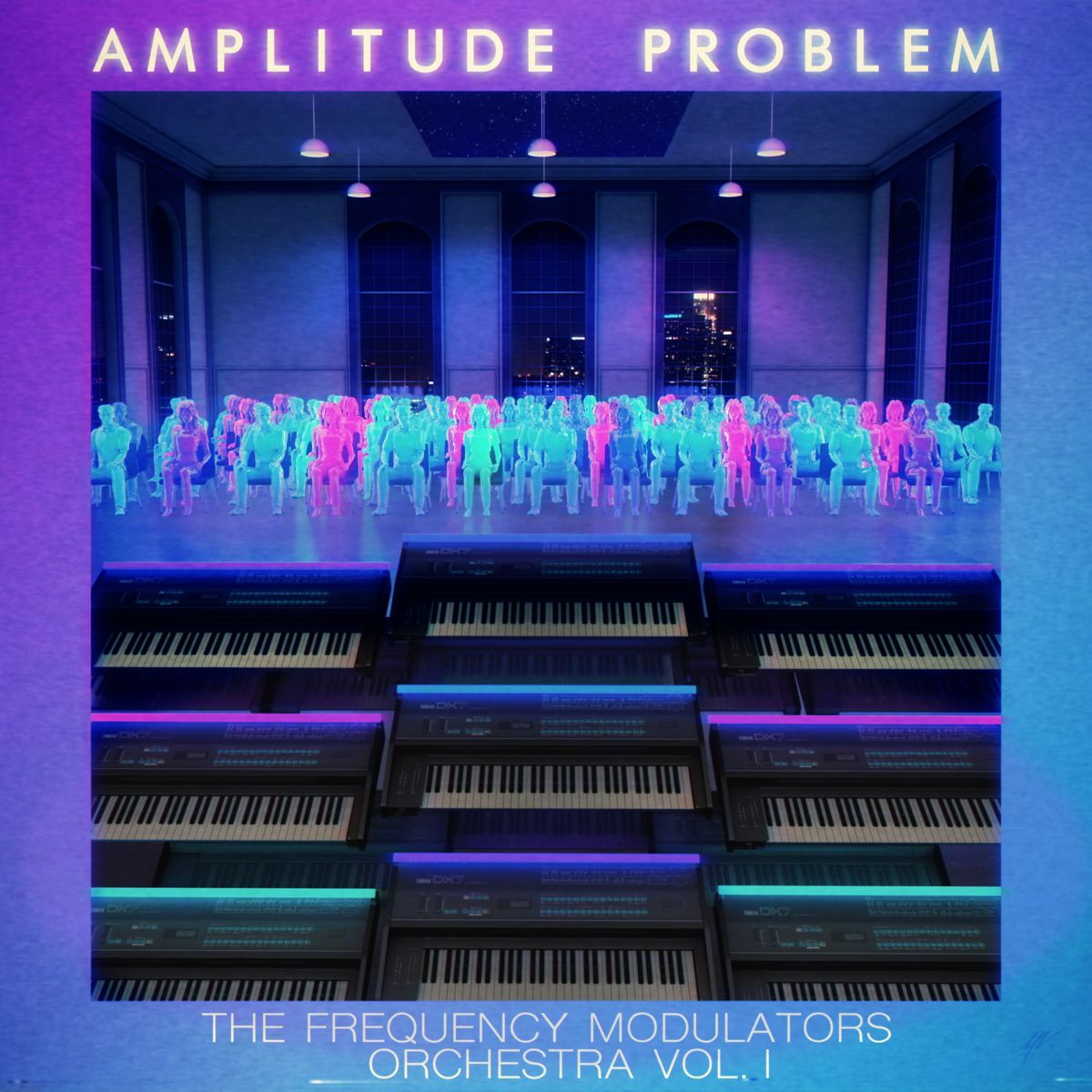
The album’s title reflects a personification of the technology used. Irming conceived the "Frequency Modulators Orchestra" as a fictional ensemble where each FM instrument is treated as a distinct band member. This narrative device allowed the artist to approach the composition as a band leader directing a group of improvisers, rather than a solo producer working in isolation.
High-Fidelity Mastering and Visual Collaboration
To ensure the album met the sonic standards of both the electronic and jazz communities, Irming enlisted the services of Don Grossinger for the mastering process. Grossinger is a Grammy Award-winning engineer whose extensive discography includes work with legendary artists such as Miles Davis, The Rolling Stones, and Kelly Clarkson. The decision to employ a mastering engineer of Grossinger’s caliber underscores the project’s commitment to high-fidelity audio, despite its lo-fi and digital origins. Grossinger’s expertise was instrumental in balancing the complex harmonics inherent in FM synthesis, ensuring the final product retained clarity across various playback systems.
The visual identity of the album was curated through collaborations with prominent artists in the retro-pixel aesthetic. The front cover art was created by Mythical Vigilante, providing a vibrant, stylized look that complements the "synth-funk" themes. Additional art and animations were provided by Valenberg, a well-known pixel artist whose previous work includes animations for Irming’s earlier projects and the visual design of the game VirtuaVerse. Valenberg’s "Jazz Night" animation serves as a visual counterpart to the music, reinforcing the pixelated, late-night atmosphere of the record.
Narrative Themes and Track Analysis
The Frequency Modulators Orchestra, Vol. 1 is structured as a deeply personal and introspective journey. According to Irming, the album is divided into thematic segments. The first four tracks function as an internal exploration of the artist’s psyche, while the final three tracks offer a broader commentary on existence and the cosmos.

One of the standout tracks, "Ghosts in My Medicine Cabinet," exemplifies the "all-in" philosophy Irming adopted for the project. The track is described as an unapologetic delivery of the artist’s specific vision, avoiding the constraints of mainstream expectations. Irming has stated that writing instrumental music offers a different level of freedom compared to vocal-heavy tracks, as the lack of lyrics forces the listener to engage more deeply with the musical expression and the "story" told through the arrangements.
Industry Context and Broader Implications
The release of this album occurs at a time when "synthwave" and "chiptune" are moving beyond niche internet subcultures and into broader media. The resurgence of 1980s aesthetics in film, television, and gaming has created a receptive audience for artists like Amplitude Problem. However, by focusing on FM synthesis specifically—rather than the more common analog-style subtractive synthesis—Irming carves out a distinct space within the genre.
From a musicological perspective, the album serves as a case study in the "humanization" of digital tools. In the late 20th century, FM synthesis was often criticized for sounding "unnatural." By recontextualizing these sounds within a jazz framework, Irming contributes to a historical dialogue about the relationship between technology and artistic soul. The project aligns with the ethos of the Ubiktune label, which has long championed music that utilizes "chip" sounds not just for nostalgia, but as a legitimate and versatile tool for modern composition.
Availability and Future Outlook
The Frequency Modulators Orchestra, Vol. 1 is now available across all major digital distribution platforms, including streaming services and digital storefronts. As the "Vol. 1" designation suggests, this release is intended to be the first entry in a series exploring the intersection of FM synthesis and various musical genres.

The involvement of a Grammy-winning engineer and high-profile visual artists suggests a professionalization of the "chiptune-adjacent" scene, moving away from bedroom production and toward high-end independent releases. For Ubiktune, the addition of Amplitude Problem to their roster strengthens their position as a leading label for sophisticated, tech-forward electronic music.
As listeners engage with the album, the primary takeaway remains Irming’s conviction that even the coldest digital signals can be modulated to express warmth, humor, and a profound sense of human experience. The Frequency Modulators Orchestra, Vol. 1 stands as a technical achievement and a creative testament to the enduring versatility of frequency modulation in the hands of a veteran of the digital frontier.