Chalid Lutfie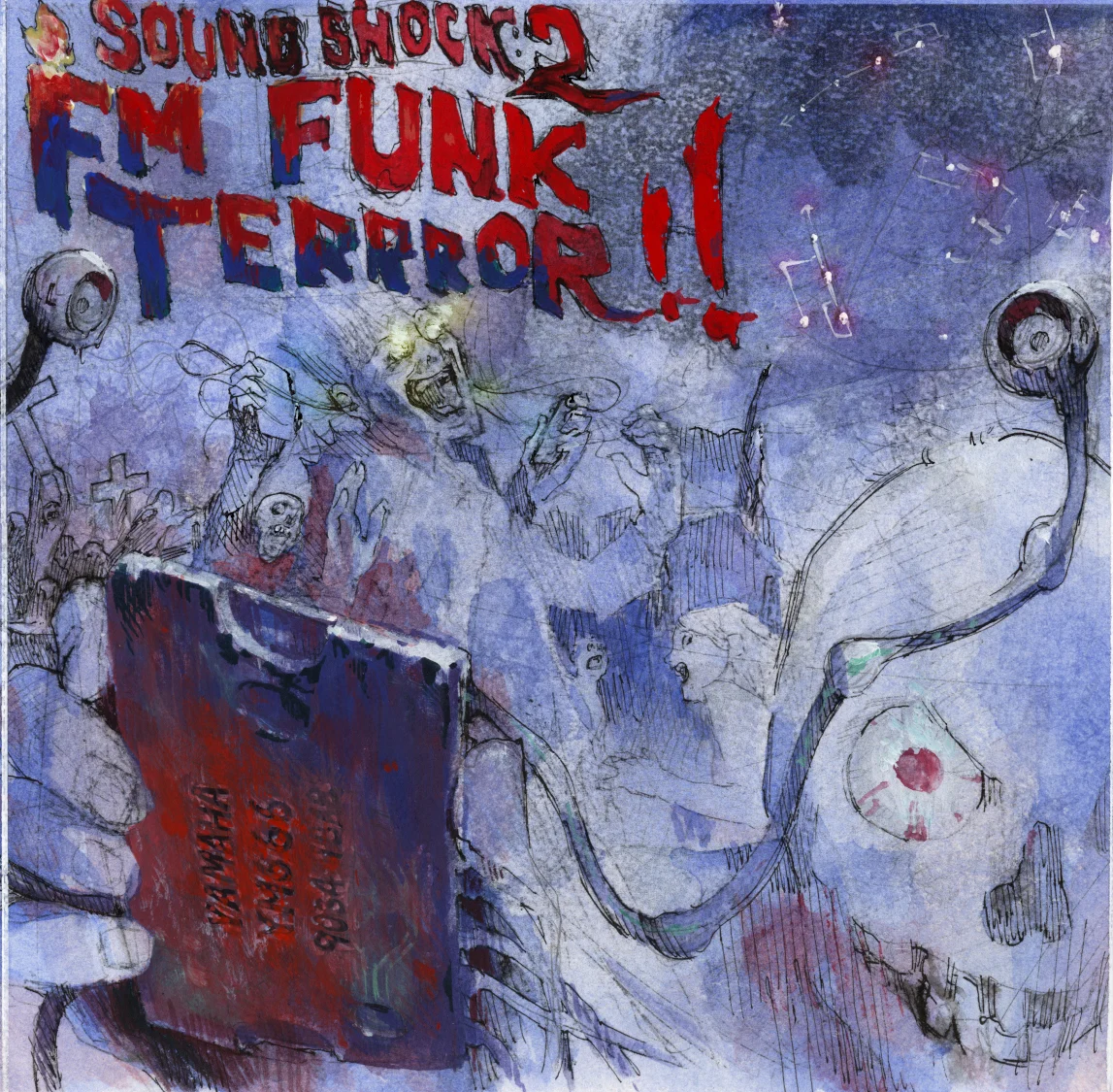
The Soundshock series, a definitive collection of modern FM (Frequency Modulation) synthesis compositions, has officially transitioned from a musical endeavor into a multifaceted cultural artifact with the release of a detailed retrospective regarding its visual identity. On April 15, 2017, the series producer, known in the community as zinger, unveiled an extensive look at the creative partnership between the label and renowned artist Tsuyoshi Shimokura. This collaboration has defined the aesthetic of the FM synthesis revival, blending the technical precision of 1980s computer hardware with the vibrant, hand-painted traditions of Japanese manga and arcade culture.
The retrospective serves as a concluding chapter for a trilogy that has spent years celebrating the specific, metallic timbres of Yamaha’s legendary sound chips. By highlighting the work of Shimokura, the Soundshock project underscores a vital connection between the auditory and visual legacies of the 16-bit era. The update provides not only a gallery of prototype sketches and final covers but also a philosophical reflection on the nature of artistic influence and the "spiritual progeny" of the FM sound.
The Collaborative Genesis of a Visual Identity
The partnership between zinger and Tsuyoshi Shimokura began through a recommendation by the artist hex125. Initially, Shimokura was approached to contribute a musical composition to the first installment, SOUNDSHOCK: FM FUNK MADDNESS!!. However, the project’s scope expanded significantly when zinger discovered Shimokura’s extensive portfolio of visual art. With a professional background in the manga industry and a profound personal obsession with vintage computing and arcade hardware, Shimokura was uniquely positioned to translate the abstract sounds of FM chips into a cohesive visual narrative.
Shimokura’s work is characterized by a "hand-painted" quality that stands in stark contrast to the clean, vector-based digital art prevalent in modern independent music releases. His style draws heavily from the "golden age" of Japanese arcade flyers and PC-88/98 game aesthetics, where intricate detail and high-contrast color palettes were used to convey a sense of technological wonder and intense energy. This synergy between the producer’s vision and the artist’s technical skill set the stage for a trilogy that would become as much a visual landmark as an auditory one.
Chronology of the Soundshock Trilogy
The Soundshock series was released in three distinct phases, each carrying a unique thematic weight and a corresponding visual evolution. The naming convention of the albums—utilizing intentional misspellings and repetitive letters—was a deliberate stylistic choice to evoke a sense of "over-the-top" energy, mimicking the aggressive, high-frequency "funk" that characterizes the music.
FM FUNK MADDNESS!!: The Heroic Arcade Era
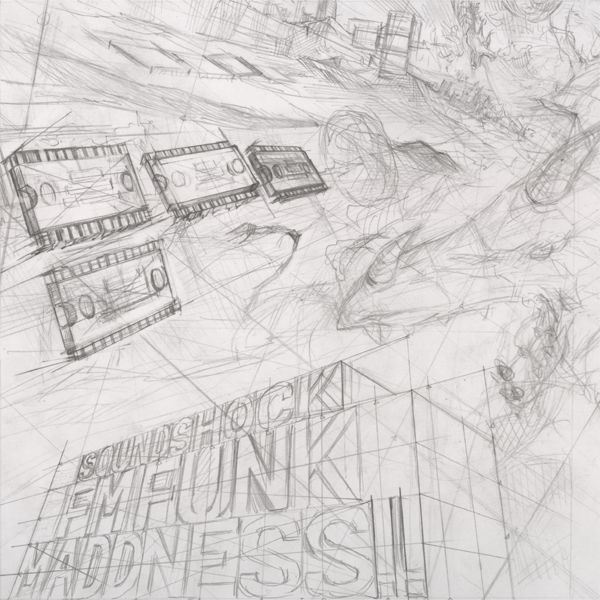
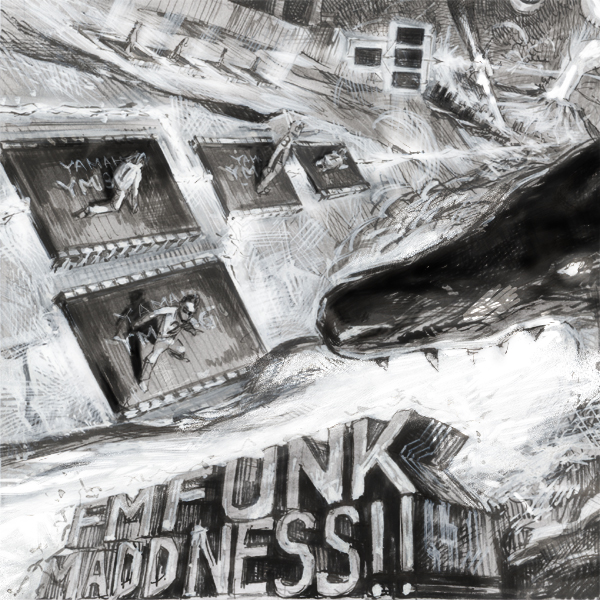
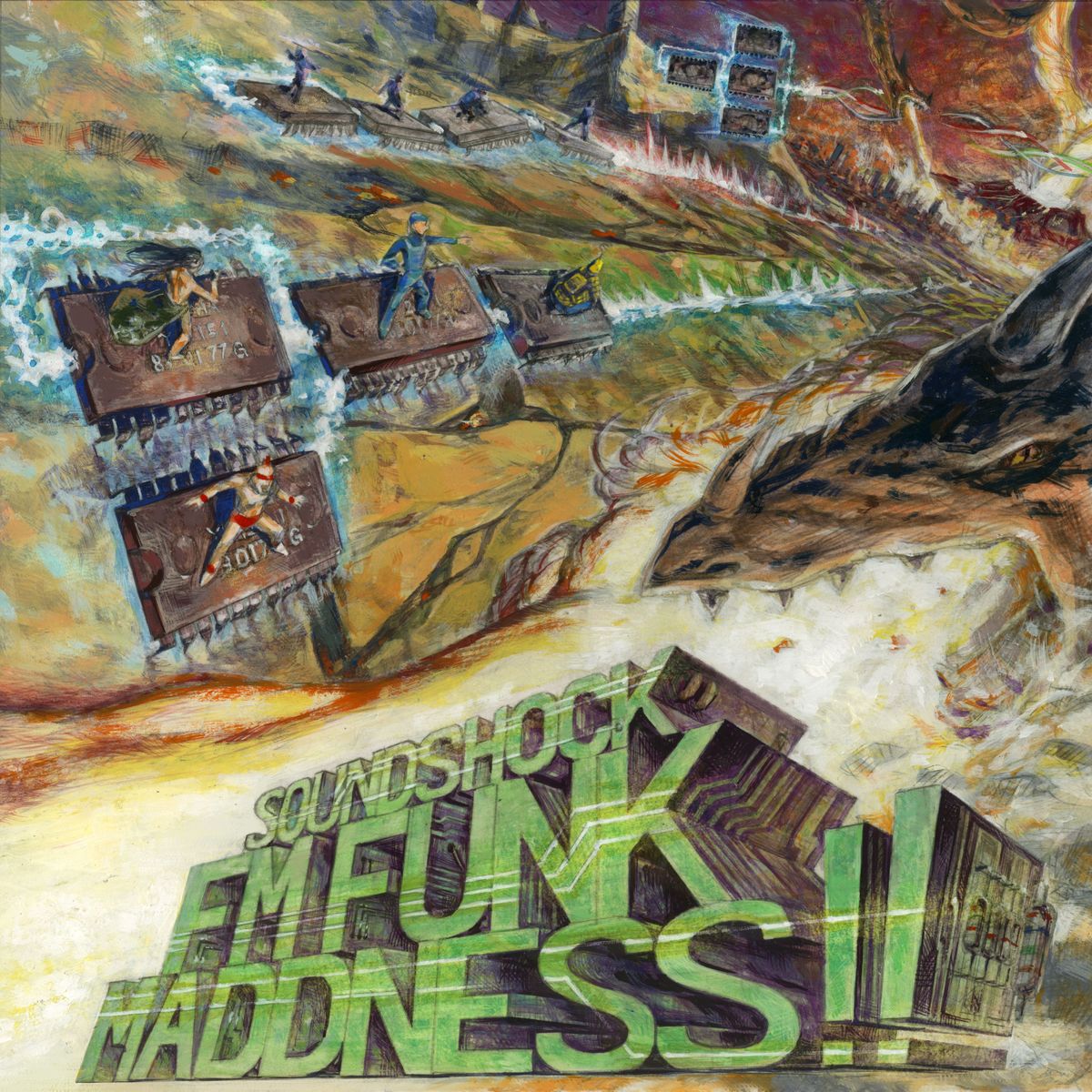
For the inaugural release, the creative team looked toward the aesthetic of late 80s and early 90s arcade flyers, specifically referencing Taito’s Darius II and Metal Black. The concept for the cover art centered on a narrative of "musicians as heroes." In this iteration, the protagonists utilize the "power of FM sound" to repel monstrous invaders.
The technical details of the art included "algorithm charts"—visual representations of how operators interact within an FM synthesis chip—reimagined as tactical formations. Shimokura’s sketches for this period show a fascination with mechanical life, featuring FM chips with caterpillar-like legs, a whimsical yet literal interpretation of the hardware "coming to life" through music.
FM FUNK TERRROR!!: The Horror Aesthetic
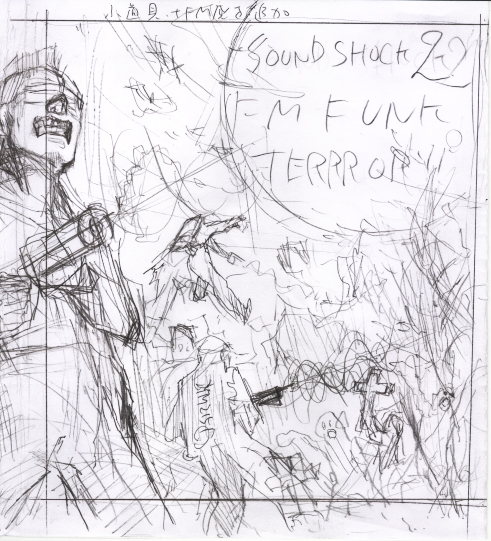
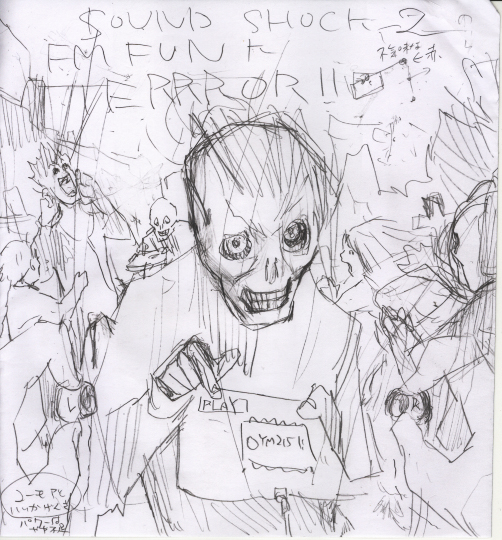
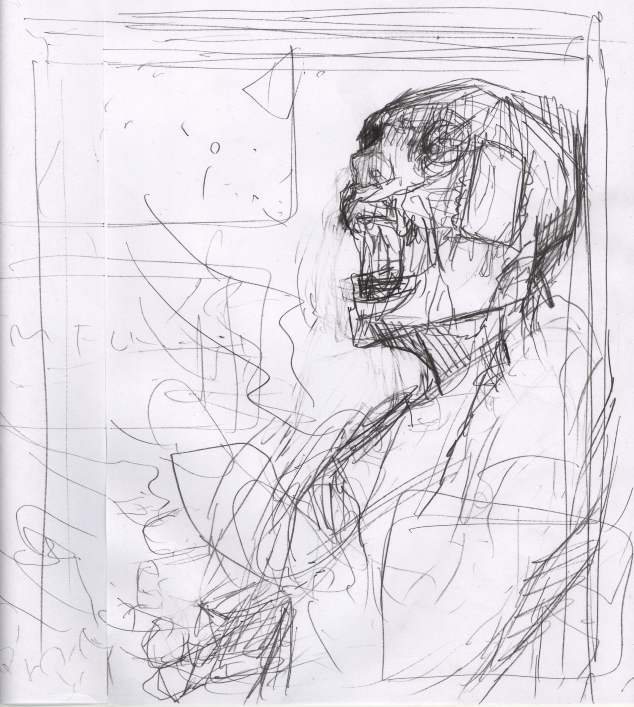
The second volume shifted toward a darker, more visceral theme. Drawing inspiration from 80s horror cinema—including A Nightmare on Elm Street, The Evil Dead, and the cult classic game series Splatterhouse—the artwork for TERRROR!! embraced a macabre sensibility.
The central figure is a ghoul wielding a gravestone-styled music player, labeled "YM666," a play on Yamaha’s chip nomenclature (such as the YM2151 or YM2612). The narrative written by Shimokura to accompany this art describes a world where "Algorithm constellations" align to unleash "FM terror" upon the populace, paralyzing listeners with fear while simultaneously awakening a new passion within their souls. This juxtaposition of horror and enlightenment became a hallmark of the series’ middle chapter.
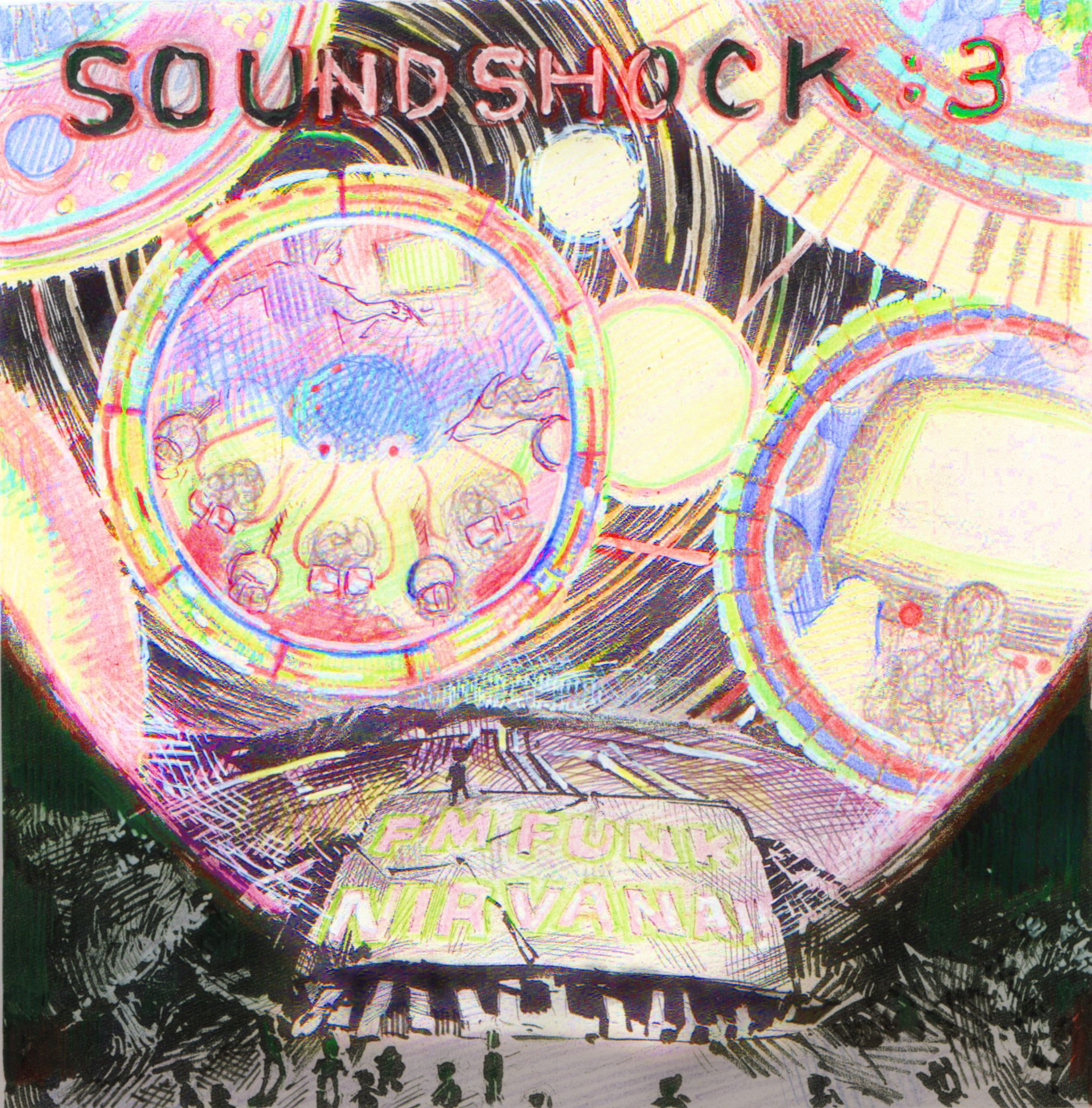
FM FUNK NIRVANA!!: The Spiritual Culmination
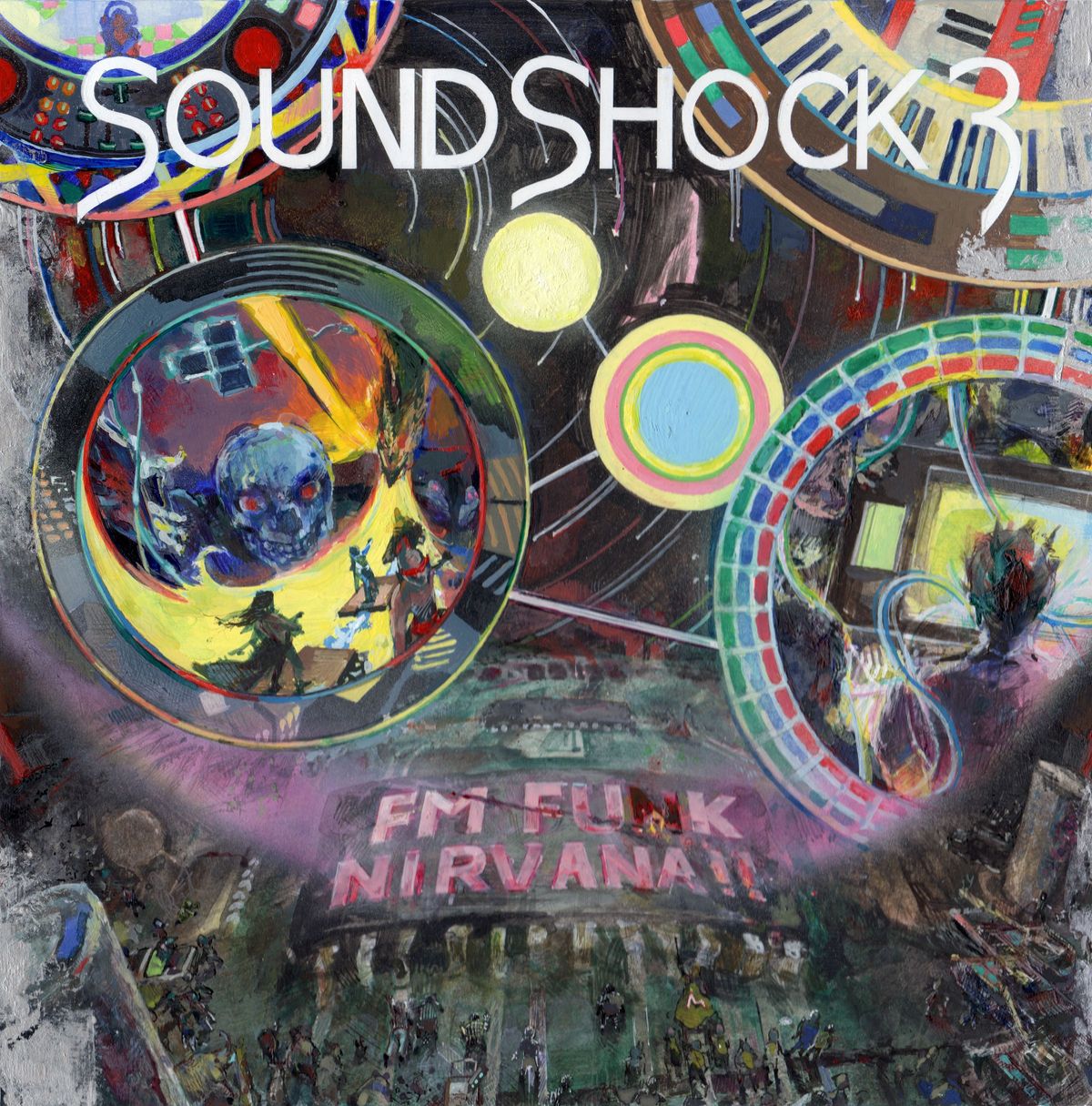
The final installment, NIRVANA!!, sought to provide a definitive conclusion. The title itself was inspired by a fan comment on YouTube, which zinger felt captured the "ultimate" state of the series. Unlike the previous titles, "NIRVANA" was spelled correctly, as the creators felt the word already possessed maximum "power" and did not require the linguistic reinforcement of extra letters.
Visually, Shimokura moved away from the literal battles of the first album and the horror of the second, moving toward a spiritual and cosmological perspective. The artwork is modeled after a Buddhist "mandala," a geometric configuration of symbols representing the universe. In this piece, a large group of disciples is depicted worshipping a massive FM chip mounted on a circuit board, symbolizing the hardware as a divine object of focus.
Technical Context: The Hardware Behind the Art
To understand the significance of Shimokura’s art, one must consider the hardware that the Soundshock series celebrates. FM synthesis, popularized by the Yamaha DX7 synthesizer and the sound chips found in the Sega Genesis (Mega Drive) and various arcade boards, relies on the modulation of carrier waves by modulators (operators).
The "Algorithm charts" seen in Shimokura’s artwork are not merely decorative; they are direct references to the internal logic of these chips. For example, a 4-operator chip like the YM2612 has eight possible algorithms (ways to connect the operators). By integrating these technical diagrams into the illustrations, Shimokura bridged the gap between the engineering of the 1980s and the imaginative landscapes of science fiction and fantasy. This level of detail has been noted by enthusiasts as a rare instance where album art accurately reflects the technical soul of the medium.
Supporting Data and Artistic Philosophy
The retrospective includes a poignant final message from Tsuyoshi Shimokura, which provides insight into the philosophy of the series. Shimokura suggests that the conclusion of Soundshock is "not a sad thing," but rather the planting of a "seed" for future artists. He views the current generation of FM musicians as the "progeny of our forerunners," creating a cycle of influence that ensures the medium’s survival.
Key data points from the retrospective include:
- Media Reference: The NIRVANA!! cover art specifically referenced the soundtrack cover of Darius Gaiden, a game noted for its avant-garde Zuntata-composed score.
- Narrative Integration: Unlike many compilations where art is an afterthought, Shimokura wrote short stories and conceptual lore for each cover, ensuring that the music, art, and "mythology" of the FM chips were intertwined.
- Cultural Impact: The series has been credited with revitalizing interest in "OPM" (YM2151) and "OPN" (YM2608/2612) synthesis, leading to a surge in modern compositions that utilize original hardware rather than software emulations.
Analysis of Implications and Broader Impact
The Soundshock series and its visual retrospective highlight a growing trend in the "retrowave" and chiptune communities: the move toward high-concept, physical media-inspired aesthetics. While digital distribution has made music more accessible, the Soundshock project argues for the importance of the "artifact." By focusing on hand-painted art and deep-lore narratives, the project elevates the music from a mere collection of tracks to a curated cultural experience.
Furthermore, the collaboration between zinger and Shimokura exemplifies the international nature of this subculture. Despite potential language barriers—noted by zinger’s comments on the difficulty of translating Shimokura’s "stilted" but profound Japanese—the shared language of FM sound and arcade aesthetics allowed for a seamless creative process.
The "spiritual offshoots" mentioned by Shimokura are already becoming visible. Since the inception of the series, there has been a notable increase in "FM-only" music labels and collectives that prioritize the specific limitations of 80s hardware. The Soundshock trilogy has provided a blueprint for how to package these technical experiments for a broader audience without losing the niche appeal that makes the sound so distinctive.
Conclusion
As the Soundshock series reaches its formal conclusion, the release of this artistic retrospective ensures that the work of Tsuyoshi Shimokura will remain a reference point for future creators. The series has successfully mapped a trajectory from the "maddness" of raw technical power to the "nirvana" of artistic maturity. For fans of FM sound, the legacy of the series lies not just in the decibels produced, but in the vivid, circuit-laden worlds Shimokura painted to house them. The "Algorithm constellations" may have assumed their final patterns, but as Shimokura himself noted, the seeds for the next generation of stars have already been sown.