Retno Hari Mulyono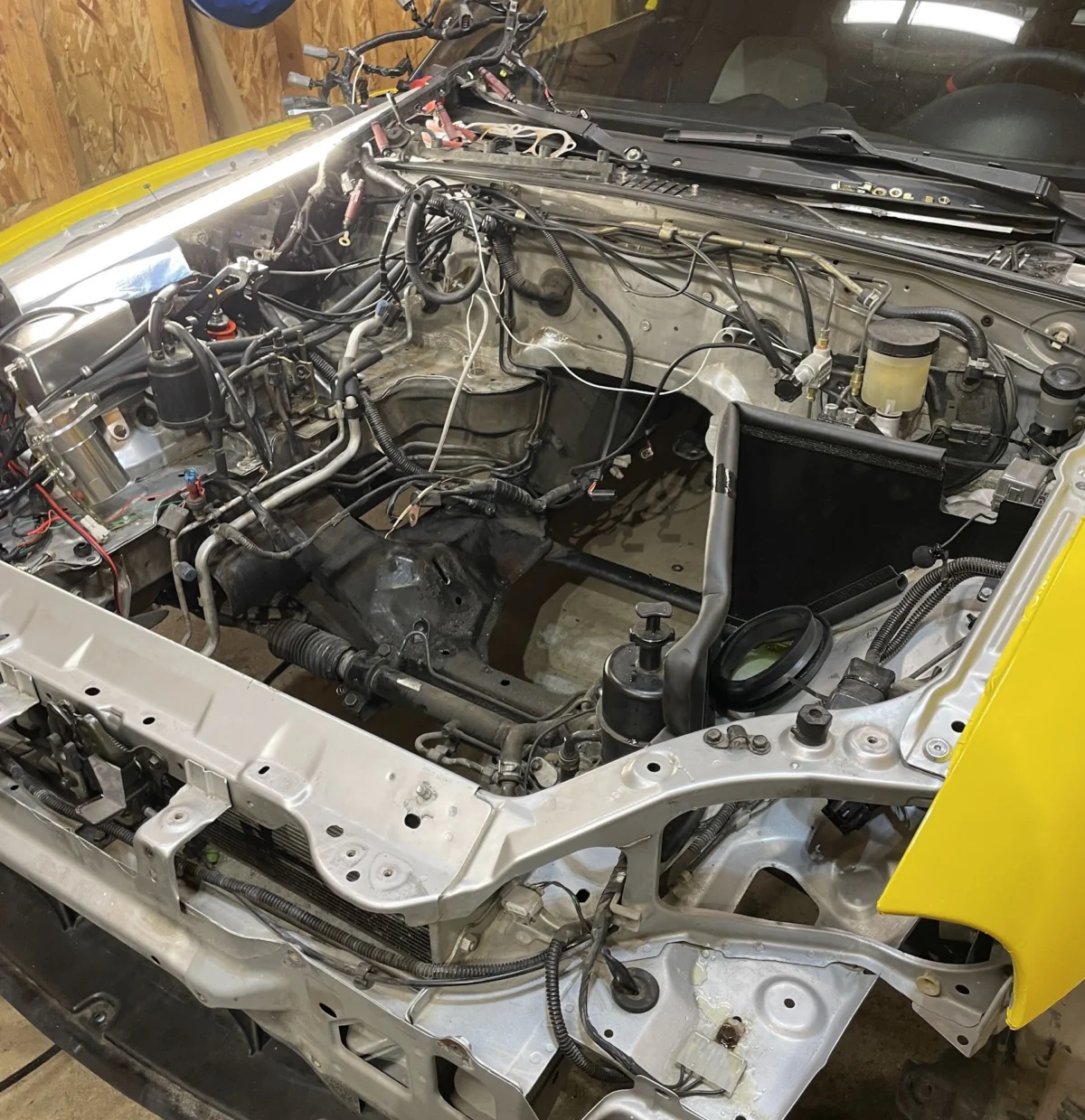
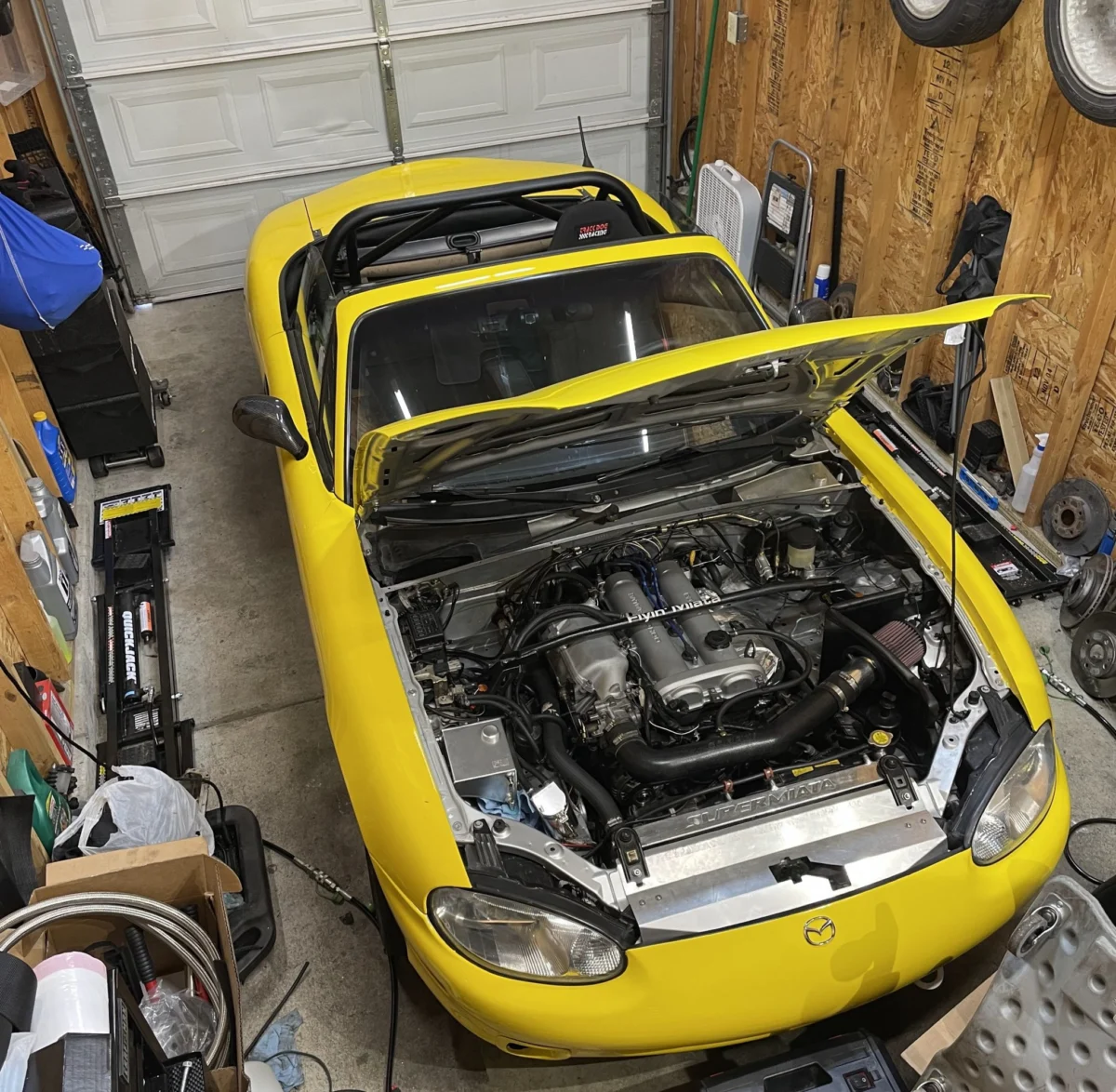
Automotive restoration projects involving the second-generation Mazda MX-5, specifically the NB series produced between 1998 and 2005, often reach a critical juncture where cumulative maintenance requirements necessitate a complete engine extraction. For enthusiasts and technicians alike, the decision to pull a powerplant is rarely based on a single mechanical failure but rather a strategic consolidation of repairs. By removing the engine and transmission as a single unit, operators gain unhindered access to the rear main seal, the oil pan assembly, and the cooling system’s rear-facing components—areas that are notoriously difficult to service while the engine remains in the chassis. This comprehensive overhaul approach not only streamlines the labor process but also allows for the integration of performance-oriented upgrades that enhance the vehicle’s track-readiness and longevity.
Historical Context and Technical Background of the Mazda BP Engine
The engine at the heart of this project is the Mazda BP series, a 1.8-liter dual overhead cam (DOHC) four-cylinder engine. To understand the maintenance challenges inherent in the NB Miata, one must look at the engine’s lineage. Originally designed for transverse mounting in front-wheel-drive vehicles like the Mazda 323 and Protegé, the BP engine was adapted for the rear-wheel-drive Miata. This adaptation involved rotating the engine 90 degrees, a move that placed the thermostat housing at the front of the engine for ease of service, while the original coolant exit remained at the rear.
This configuration, while practical for assembly-line efficiency and routine maintenance, created a thermal imbalance. In high-performance or track environments, the cooling fluid tends to bypass the rear cylinders—specifically cylinder number four—leading to localized hotspots and potential engine wear. Furthermore, the BP engine was famously designed to emulate the character of classic British roadsters. While this provided the Miata with its signature exhaust note and rev-happy nature, it also inherited the propensity for oil leaks. Common failure points include the valve cover gasket, the cam seals, the front crank seal, and most notably, the rear main seal.
Chronology of the Engine Extraction and Maintenance Phase
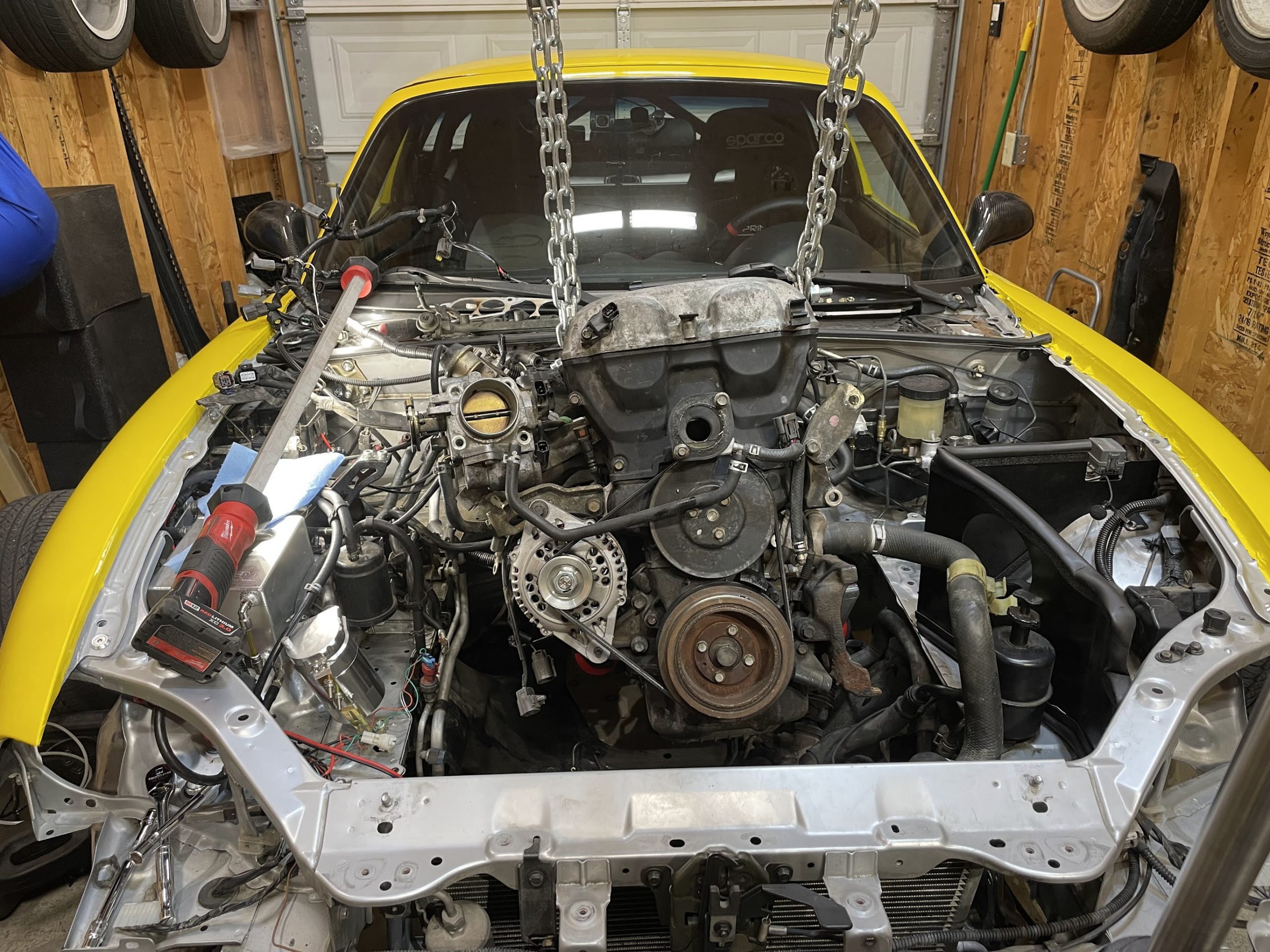
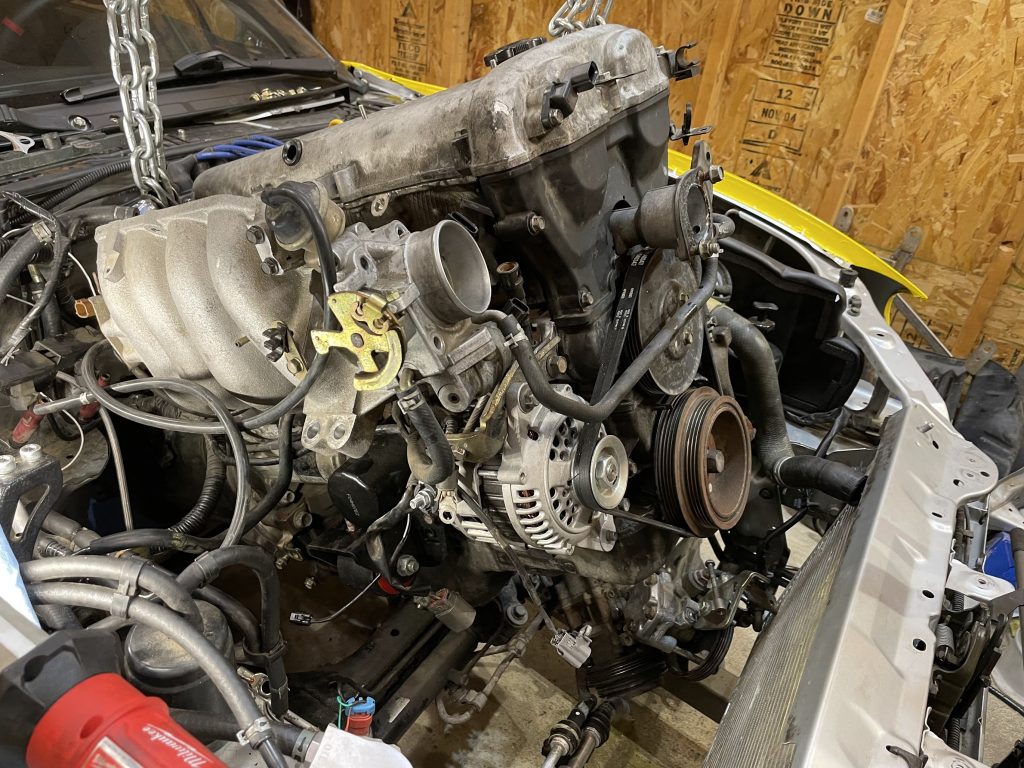
The project commenced during the winter season, a traditional period for intensive automotive maintenance. The extraction process was designed to be a solo operation, utilizing a standard engine hoist and load leveler. The methodology involved disconnecting the wiring harness, fuel lines, and cooling hoses before unbolting the powerplant from its mounts. A significant procedural efficiency was realized by removing the engine and transmission as a single assembly through the top of the engine bay.
Once the engine was secured on a stand, the technician initiated a comprehensive sealing protocol. The primary objective was the replacement of the rear main seal, which had been identified as a major source of oil loss. For this procedure, the use of a specialized installation tool, such as the one produced by Flyin’ Miata, was employed to ensure the seal was seated at the precise depth required to prevent future leaks. Concurrently, the transmission’s input and output shaft seals were replaced, addressing a secondary leak discovered at the rear output shaft.
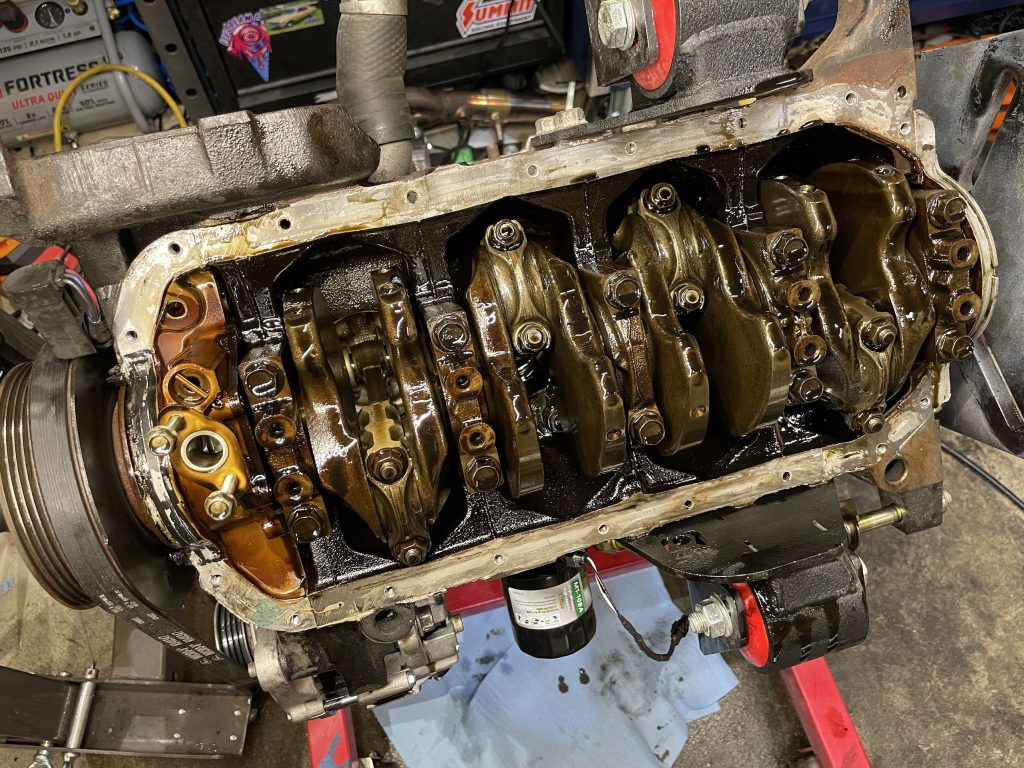
The oil pan maintenance proved to be the most labor-intensive portion of the structural repairs. The existing oil pan featured a stripped drain plug, which had been temporarily mitigated with a conical plug. To restore factory specifications, a replacement oil pan was sourced. The technical difficulty in this stage arises from the baffle plate sandwiched between the engine block and the pan, which is secured with Room Temperature Vulcanizing (RTV) silicone. Care was taken to separate the baffle from the pan without compromising the structural integrity of the plate, followed by a meticulous cleaning of all mating surfaces.
Drivetrain Enhancements: Clutch and Flywheel Optimization
With the engine and transmission separated, the project transitioned from maintenance to performance enhancement. The original factory clutch and flywheel, likely original to the vehicle, were replaced to prevent future labor redundancy. The selection criteria for new components focused on balancing daily drivability with the capacity to handle increased torque from potential future modifications.
The technician installed a Supermiata Sport Clutch featuring an organic friction surface. This specific component is engineered to maintain a pedal feel similar to the Original Equipment Manufacturer (OEM) part while offering a significantly higher torque capacity, exceeding the limits of the standard five-speed manual transmission. To complement the clutch, a 9-pound aluminum lightweight flywheel was integrated into the assembly.
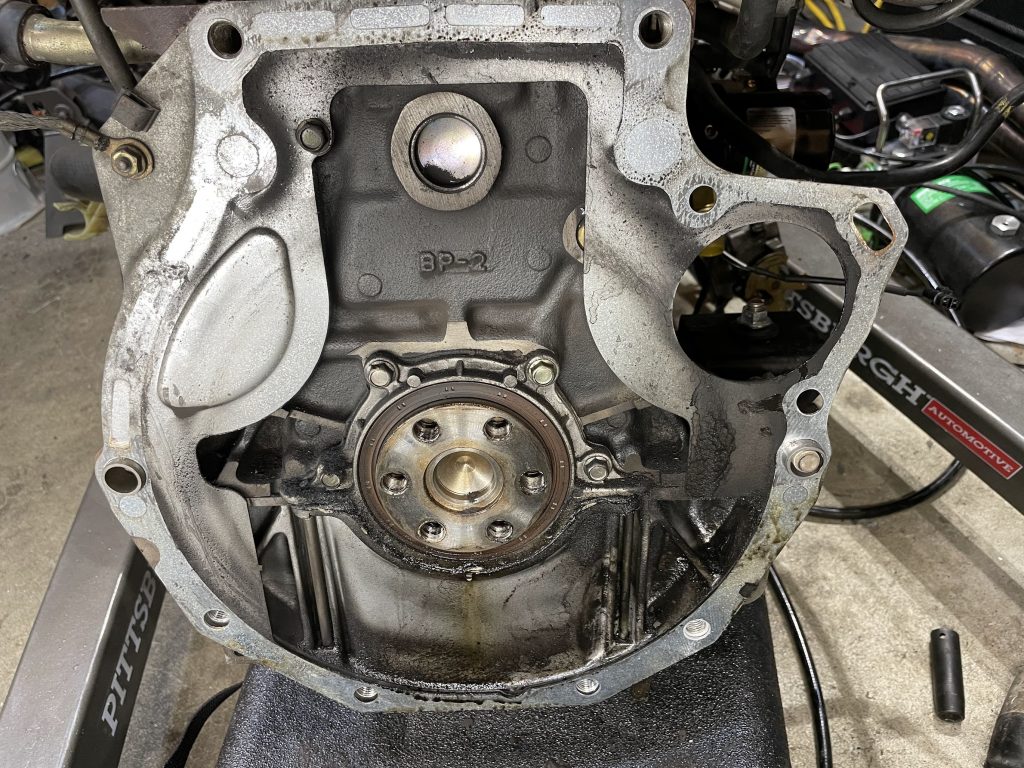
The physics of a lightweight flywheel are central to the Miata’s performance profile. By reducing the rotational inertia of the drivetrain, the engine can accelerate and decelerate more rapidly. This is particularly advantageous during rev-matching and downshifting on a race circuit, where throttle response is paramount. Initial testing of the new drivetrain revealed a slightly stiffer pedal feel and a break-in period characterized by a temporary odor as the organic materials seated, but the overall result was a more responsive and communicative driving experience.
Thermal Management and the Coolant Reroute Procedure
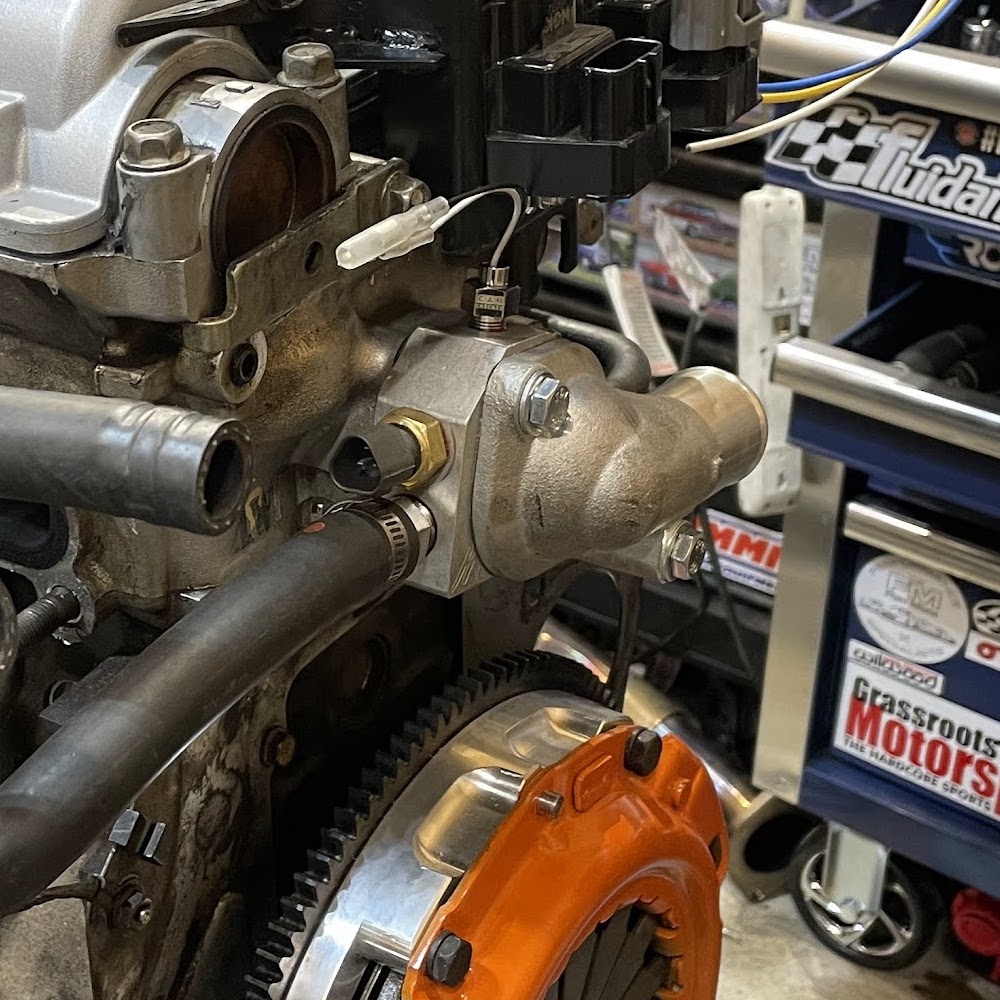
To address the inherent cooling imbalances of the BP engine, a Hawley Performance coolant reroute kit was installed. The objective of a coolant reroute is to restore the engine’s cooling path to its original transverse design, forcing coolant to flow through the entire block from front to back before exiting through the thermostat.
The Hawley Performance kit was selected for its cost-effectiveness and use of standardized components. Installation required moving the thermostat housing to the rear of the cylinder head, a task that is nearly impossible with the engine in the car due to the proximity of the firewall. By performing this modification while the engine was out, the technician ensured proper sealing and hose routing.
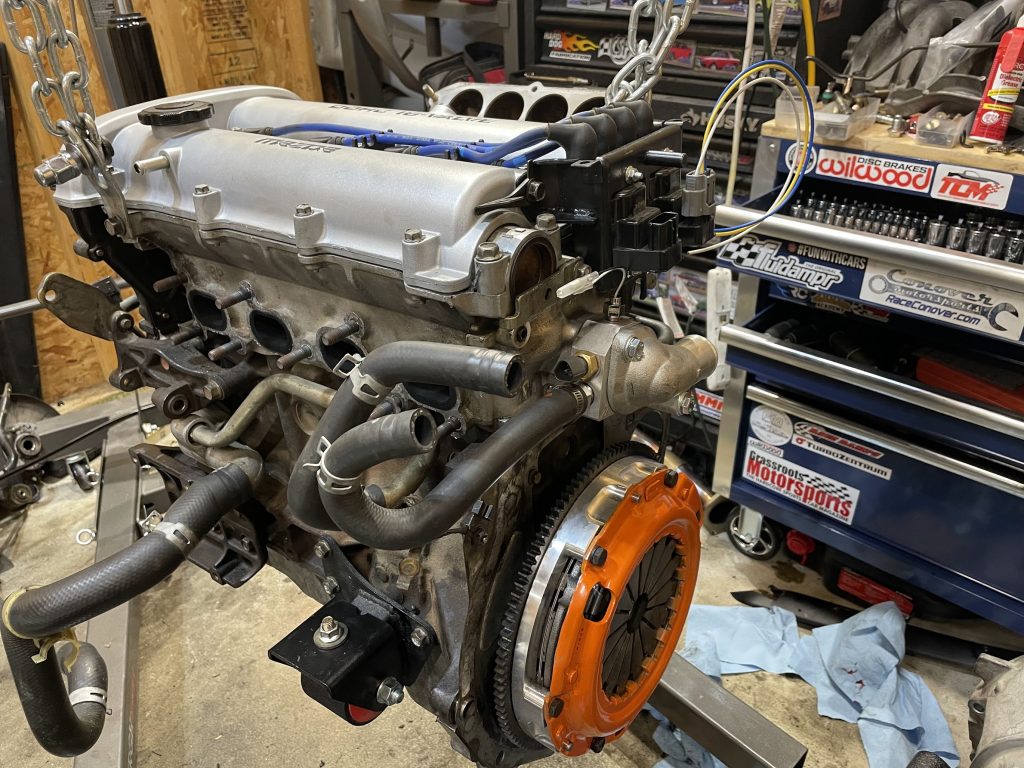
Post-installation data indicated a measurable decrease in both coolant and oil temperatures. However, the modification introduced a new challenge: air pockets within the cooling system. The reroute creates a high point at the back of the engine where air can become trapped. This necessitated the use of a "spill-proof" funnel system and a prolonged bleeding process to ensure the system was fully pressurized and free of atmospheric interference. Analysis suggests that while the Hawley kit is effective, higher-end options like the Supermiata Qmax reroute may offer superior ease of use due to integrated bleeder valves.
Induction System Upgrades: The "Flattop" Manifold
The final major mechanical modification involved the induction system. The 2000 model year NB Miata originally came equipped with the Variable Inertial Charging System (VICS), which uses a set of butterflies in the intake manifold to vary the runner length, optimizing torque at different RPM ranges.
The technician opted to replace the VICS manifold with a "Flattop" intake manifold, originally found in European (EUDM) and Japanese (JDM) market Miatas. The Flattop manifold lacks the complex butterfly valves of the VICS or the later VTCS (Variable Tumble Control System) found in 2001-2005 models. From a performance standpoint, the Flattop manifold is highly regarded for its superior flow characteristics at high RPMs, which is where track-driven vehicles spend the majority of their operational time. Furthermore, the removal of the VICS system simplifies the engine’s vacuum routing and eliminates the need for electronic control via a standalone ECU.
During this phase, the valve cover and intake manifold were refurbished. Rather than a high-polish finish, which is labor-intensive to maintain, the components were painted in an OEM-style aluminum finish. This choice provides a clean, professional aesthetic that hides minor imperfections and resists the visual impact of engine bay heat.
Post-Operational Analysis and Future Projections
Following the reinstallation of the powerplant, the vehicle was subjected to a 500-mile testing phase. Results were mixed. While the performance upgrades—the clutch, flywheel, and intake manifold—performed according to specifications, a minor oil leak was detected at the rear of the engine. Preliminary analysis suggests the leak may originate from either a fracture in the replacement oil pan flange or a failure in the newly installed rear main seal.
To mitigate the immediate issue, an epoxy sealant was applied to a visible crack in the oil pan flange, which has temporarily stabilized the leak. However, the recurrence of oil loss highlights the challenges of maintaining aging aluminum castings and the precision required for sealing high-pressure areas.
As a strategic response to this setback, the technician has secured a deposit on a replacement BP4W engine from a specialist supplier, Prestige Spares in the United Kingdom. The arrival of a spare engine will allow for a "bench build," where a secondary powerplant can be fully blueprinted and sealed in a controlled environment. This approach minimizes vehicle downtime and provides a fail-safe should the current engine’s leaks exceed manageable levels.
The project underscores a broader trend within the automotive enthusiast community: the transition of the NB Miata from a budget-friendly used car to a platform worthy of significant capital investment and technical rigor. As these vehicles age, the "all-in-one" maintenance philosophy—addressing cooling, sealing, and drivetrain performance simultaneously—is becoming the standard for ensuring the platform remains viable for both street and competitive use. Future reports will focus on the long-term durability of these modifications and the integration of advanced safety systems to complement the mechanical overhauls.