Retno Hari Mulyono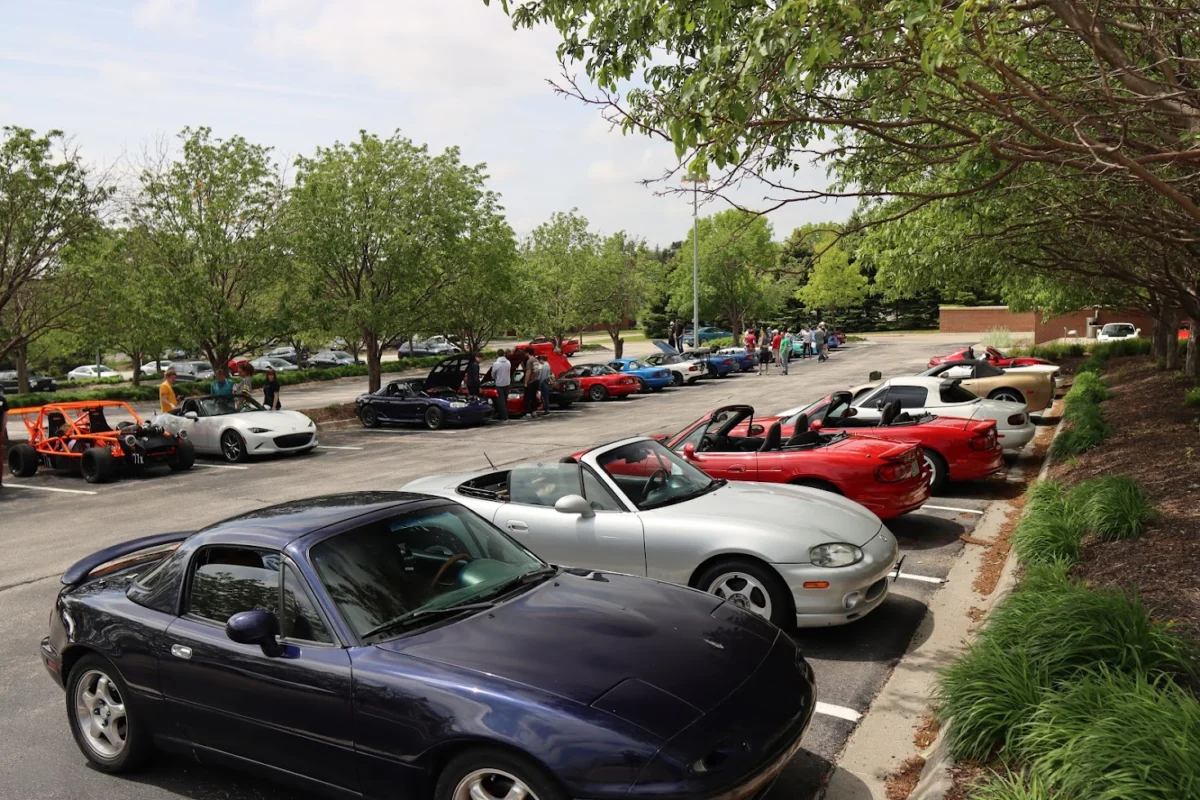
The second-generation Mazda Miata, known internally as the NB, remains a cornerstone of the global enthusiast market, prized for its lightweight chassis and mechanical simplicity. In late March 2021, a specific 2000 model year variant was acquired to serve as a long-term project vehicle, focusing on the intersection of daily drivability and amateur motorsports. Over the subsequent twelve months, the vehicle underwent a systematic transformation involving baseline maintenance, cosmetic redesign, and significant mechanical upgrades. This period of ownership provides a comprehensive look at the challenges and rewards of maintaining a twenty-year-old Japanese sports car platform in a modern context.
Technical Specifications and Market Context of the NB Platform
The 2000 Mazda Miata belongs to the NB1 sub-generation, produced between 1998 and 2000. It features the BP4W 1.8-liter inline-four engine, which produces approximately 140 horsepower and 119 lb-ft of torque in its factory configuration. Unlike its predecessor, the NA Miata, the NB generation removed the iconic pop-up headlights in favor of fixed units to improve aerodynamic efficiency and meet stricter pedestrian safety standards.
The vehicle’s appeal in the 2021 market was driven by its power-to-weight ratio. With a curb weight of roughly 2,300 pounds, the NB provides a "raw" driving experience that is increasingly rare in the era of electronic power steering and heavy safety suites. The acquisition of this vehicle in March 2021 coincided with a significant surge in the value of used sports cars, making the maintenance and preservation of such a platform a matter of both personal interest and financial prudence.
Phase One: Establishing Mechanical Baselines and Community Integration
Upon acquisition in March 2021, the primary objective was to assess the vehicle’s mechanical integrity. The owner noted that the car lacked a documented maintenance history, a common risk factor when purchasing vintage sports cars. The immediate focus shifted to "Stage 0" maintenance—returning the car to its factory-intended reliable state before attempting performance modifications.
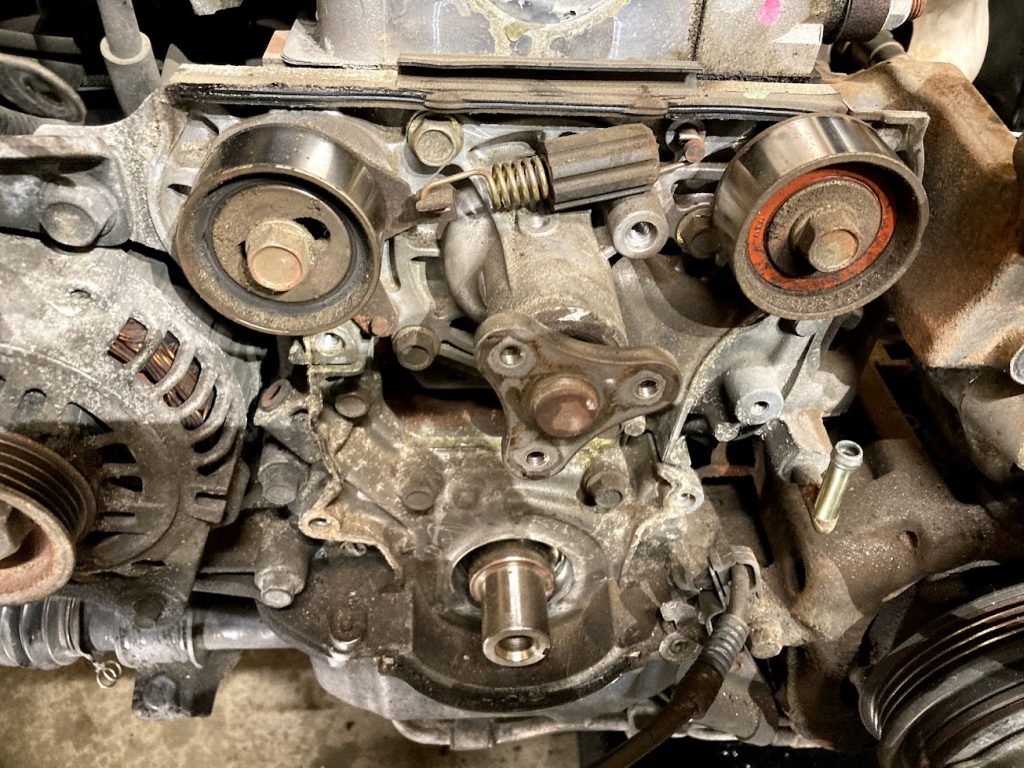
In April 2021, a comprehensive teardown of the front engine assembly was conducted. Central to this process was the inspection of the timing belt. While the BP4W engine is a non-interference design—meaning the pistons will not strike the valves if the timing belt snaps—a failure would still result in a total loss of propulsion. The maintenance window included the replacement of the water pump, front main seal, and various gaskets to prevent oil leaks. This proactive approach is standard in the Miata community to ensure the vehicle can withstand the high-RPM stresses of track use.
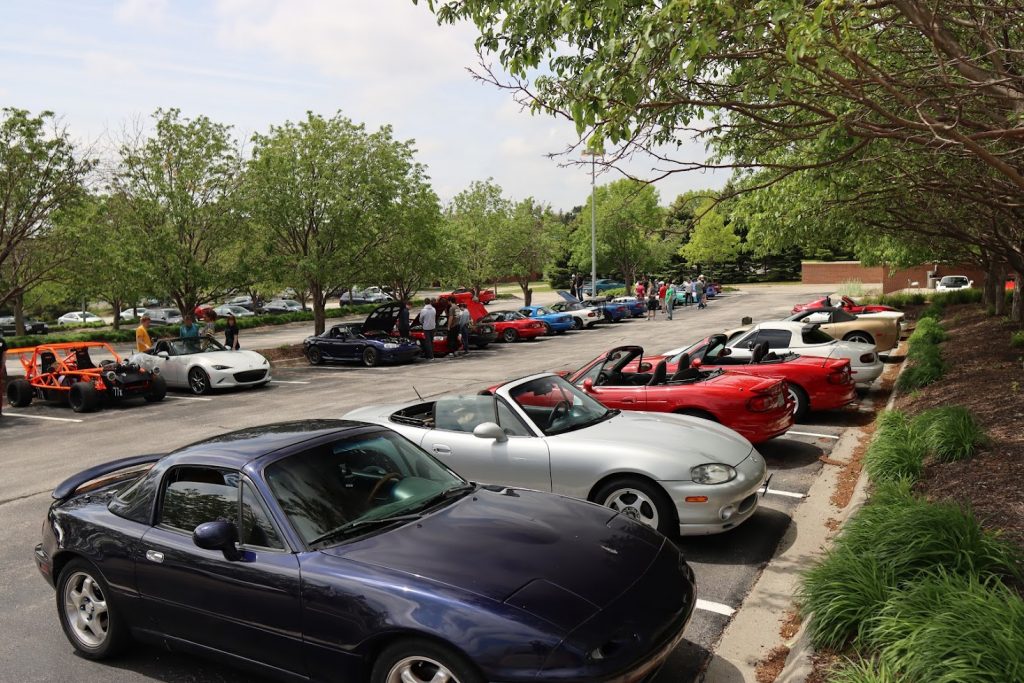
By May 2021, the vehicle was deemed mechanically sound enough for public exhibition. Engagement with the local Miata community revealed a diverse ecosystem of builds, ranging from stock restorations to V8-swapped "Exocets." This community interaction serves as a critical data-gathering phase for owners, allowing them to compare different suspension setups and forced induction routes before committing to specific aftermarket parts.
Phase Two: Exhaust Dynamics and Aesthetic Transformation
The second quarter of ownership focused on the vehicle’s "breathability" and visual identity. In June 2021, the owner addressed lingering issues with the factory exhaust system, which suffered from rusted hardware and intermittent catalytic converter efficiency codes.
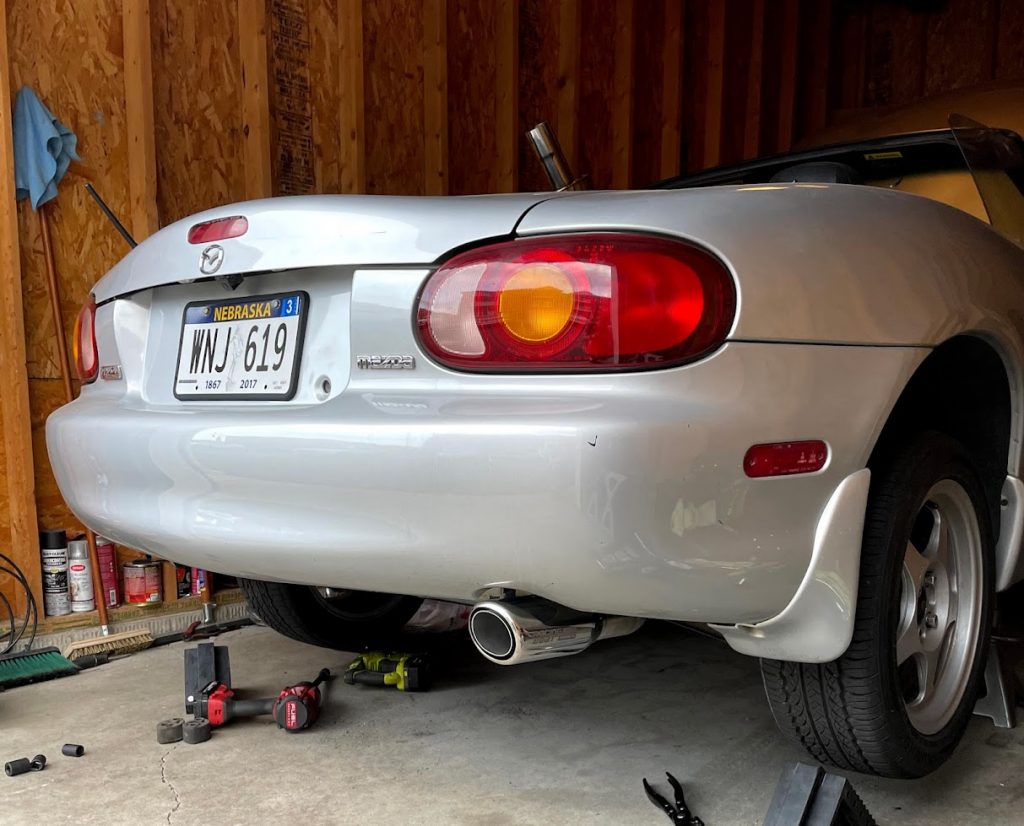
The factory manifold and midpipe were replaced with a combination of aftermarket components: a Raceland header, a Cobalt midpipe, and a Racing Beat Power Pulse muffler. This configuration was selected to achieve a balance between increased exhaust flow and manageable decibel levels. However, the installation highlighted a common pitfall in DIY automotive repair: the failure to reconnect the Exhaust Gas Recirculation (EGR) pipe led to persistent engine codes. This underscored the complexity of balancing performance upgrades with the requirements of the vehicle’s On-Board Diagnostics (OBD-II) system.
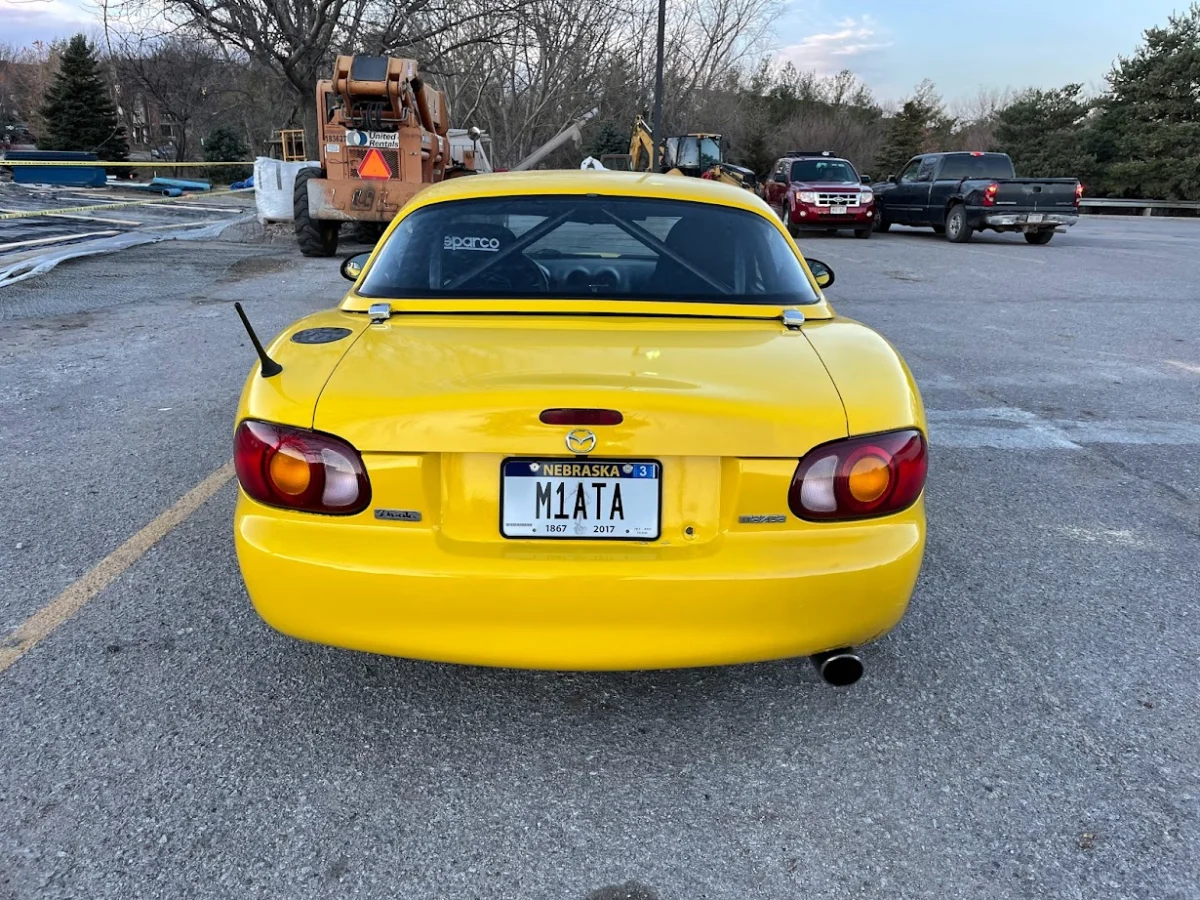
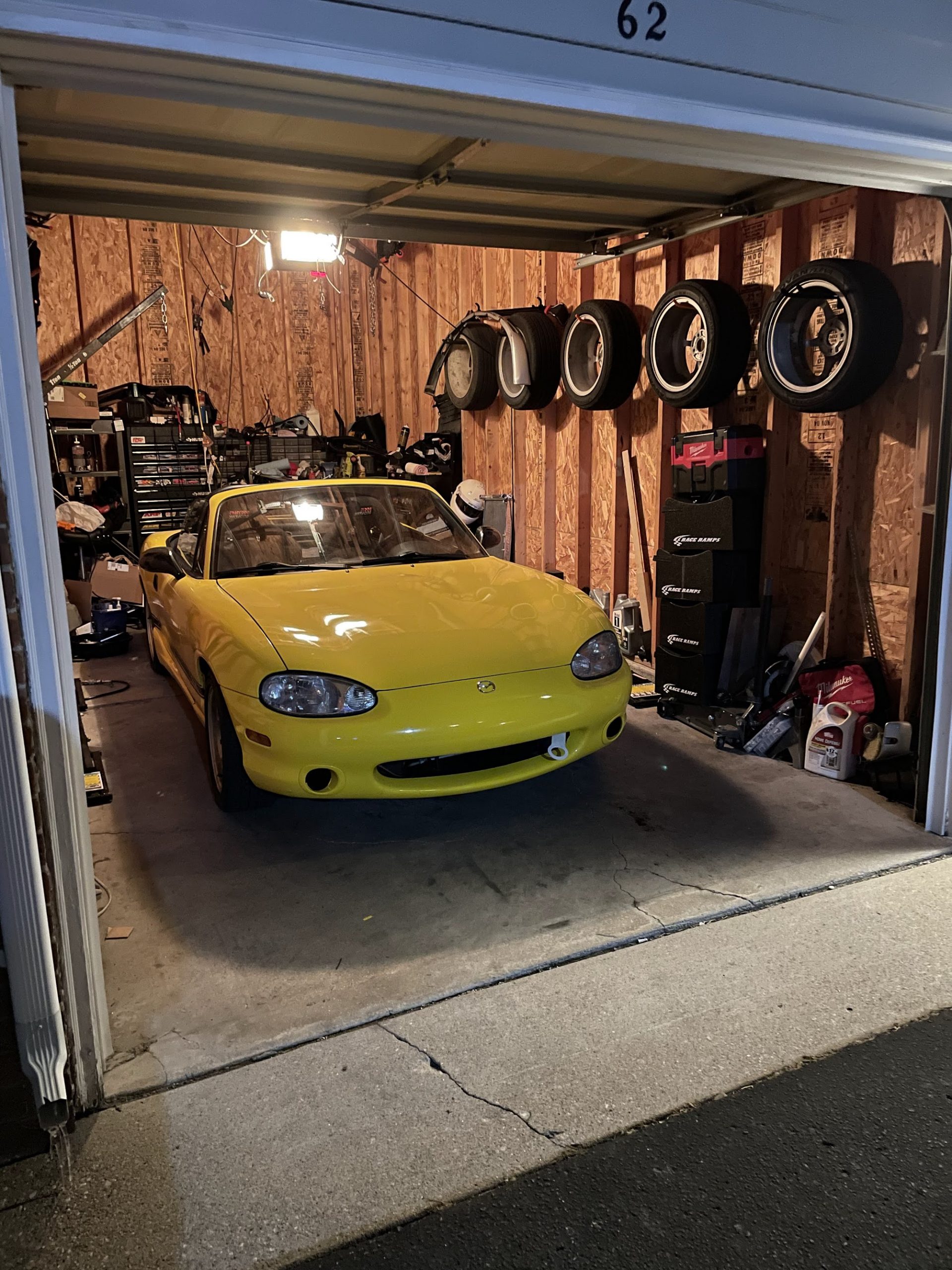
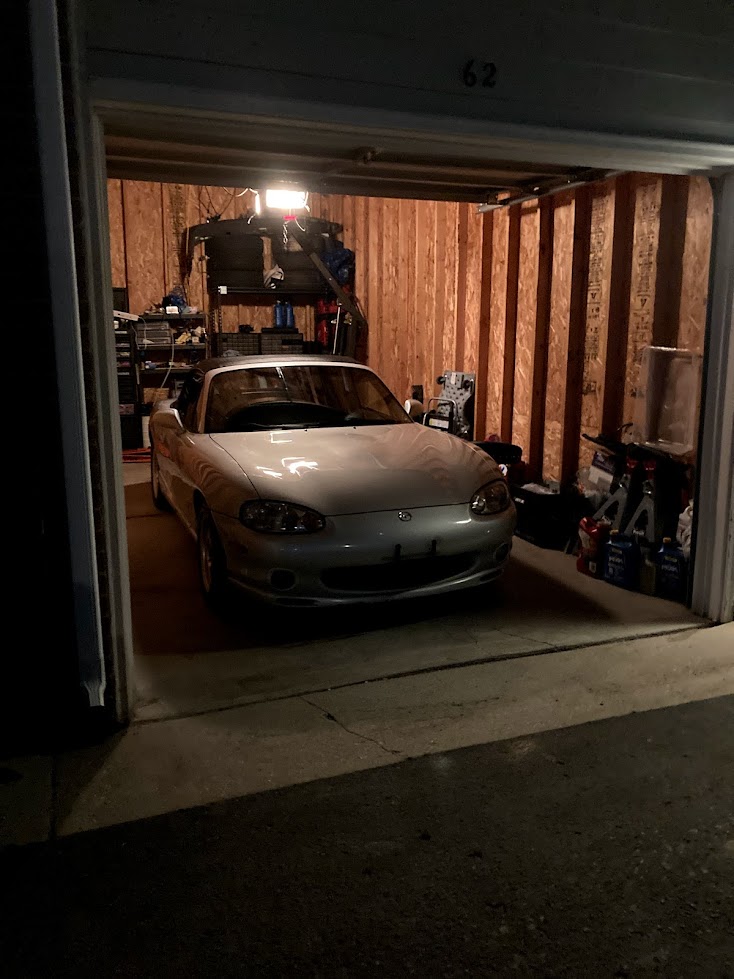
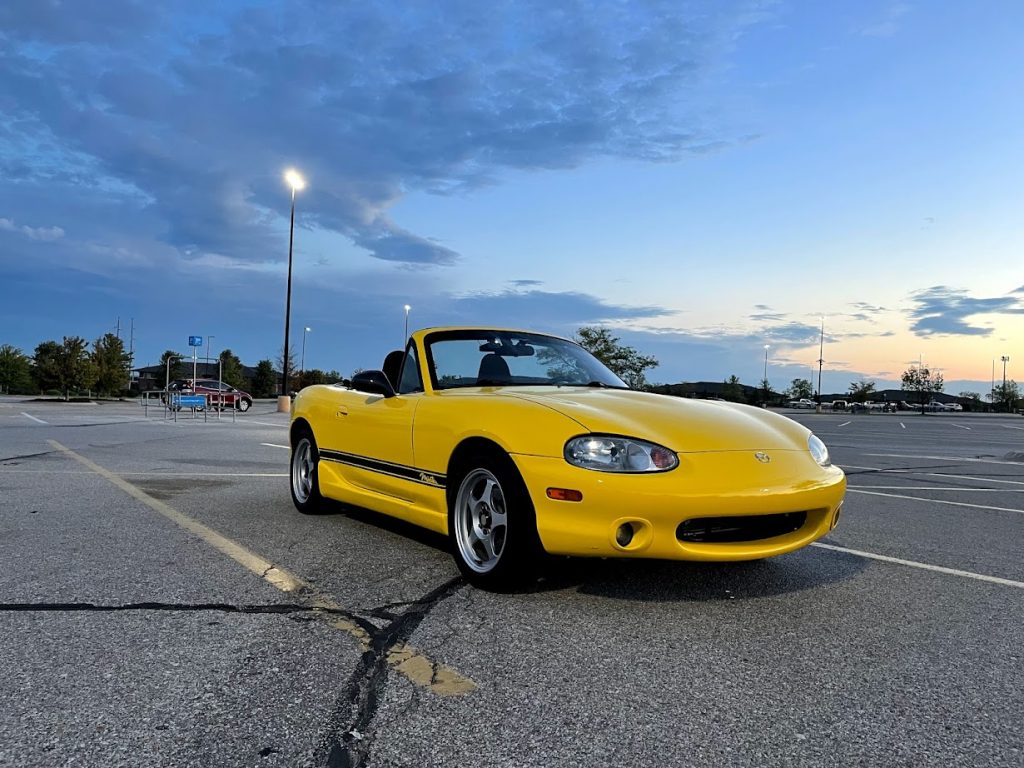
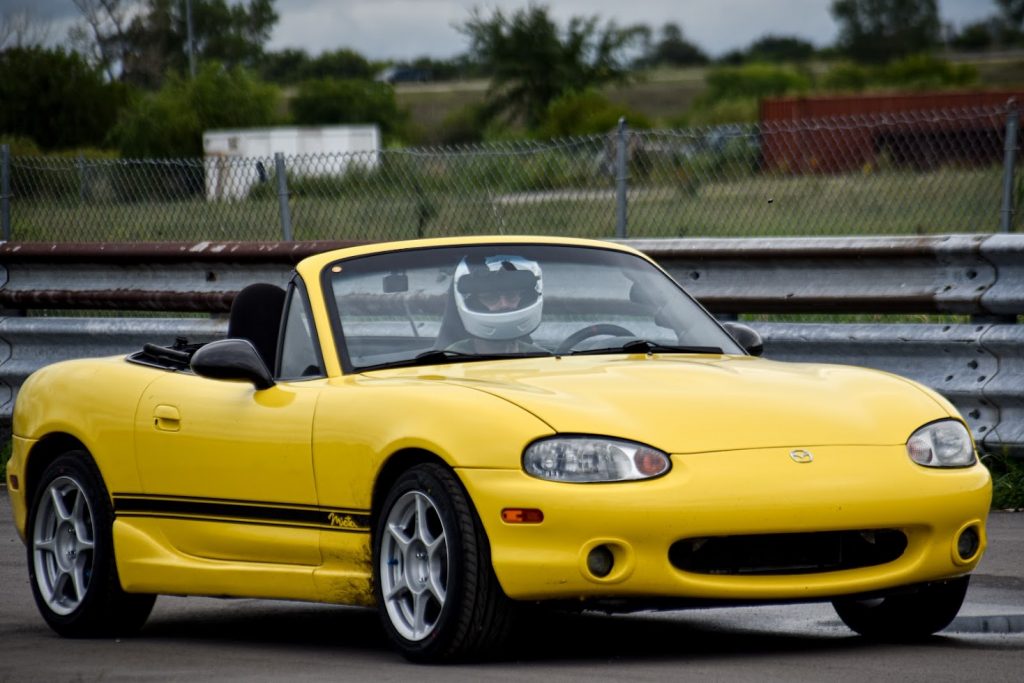
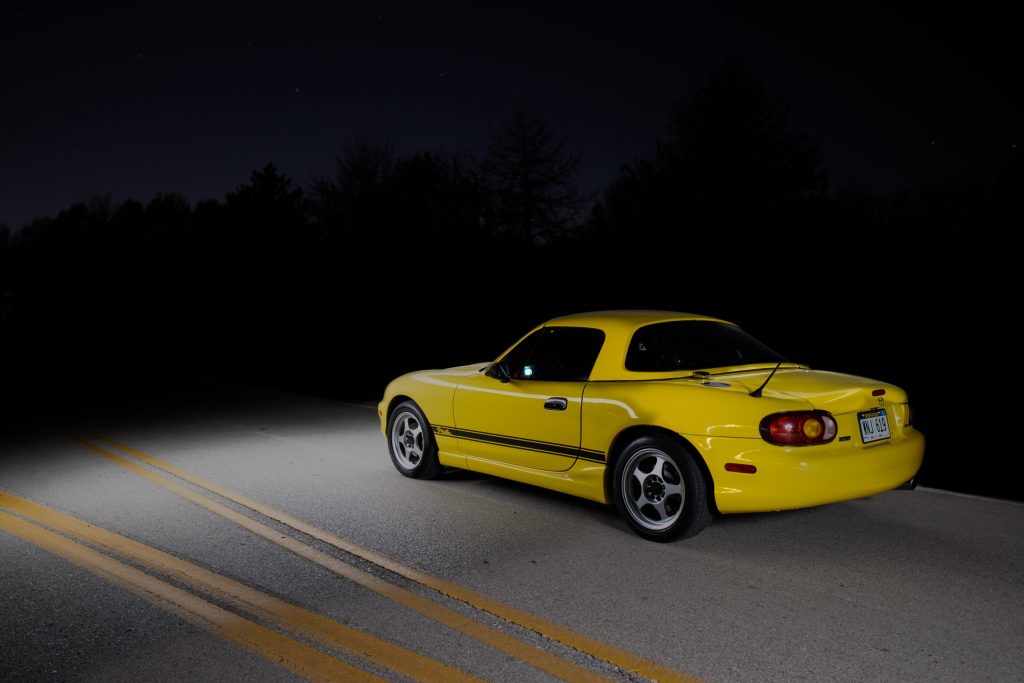
The most dramatic change occurred in July and August 2021. The vehicle, originally finished in Highlight Silver Metallic, underwent a color change via a DIY vinyl wrap. Prior to the wrap, a damaged front fender was replaced with a panel painted via aerosol cans to create a smooth substrate for the vinyl. The transition to a yellow exterior was not merely an aesthetic choice but a functional one, as high-visibility colors are often preferred in competitive racing environments. This process demonstrated the viability of vinyl wrapping as a cost-effective alternative to professional resprays for project cars.
Phase Three: Competitive Evaluation and High-Stress Testing
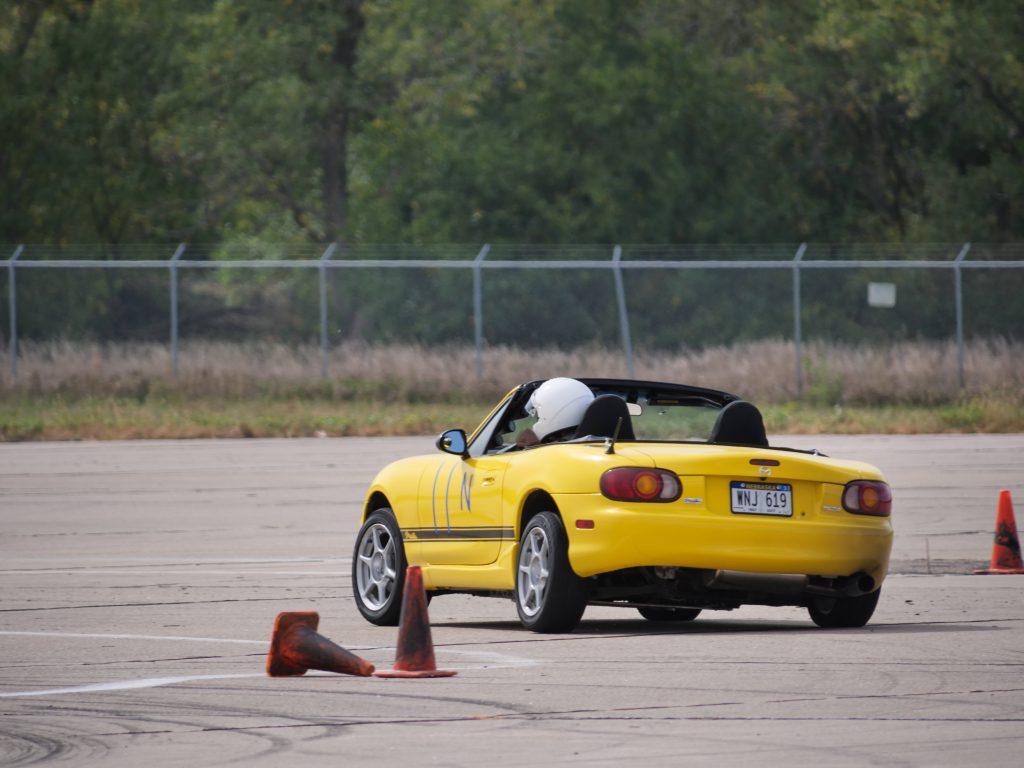
With the vehicle’s aesthetics and basic performance improved, the owner moved into the testing phase in September and October 2021. This involved transitioning from street driving to closed-course environments: track days and autocross.
The first track event took place at Raceway Park of the Midlands. Track days subject a vehicle to sustained high temperatures and extreme braking loads, often revealing weaknesses that remain hidden during street use. The NB Miata’s double-wishbone suspension and low center of gravity proved advantageous, confirming the platform’s reputation as an ideal entry point for performance driving.
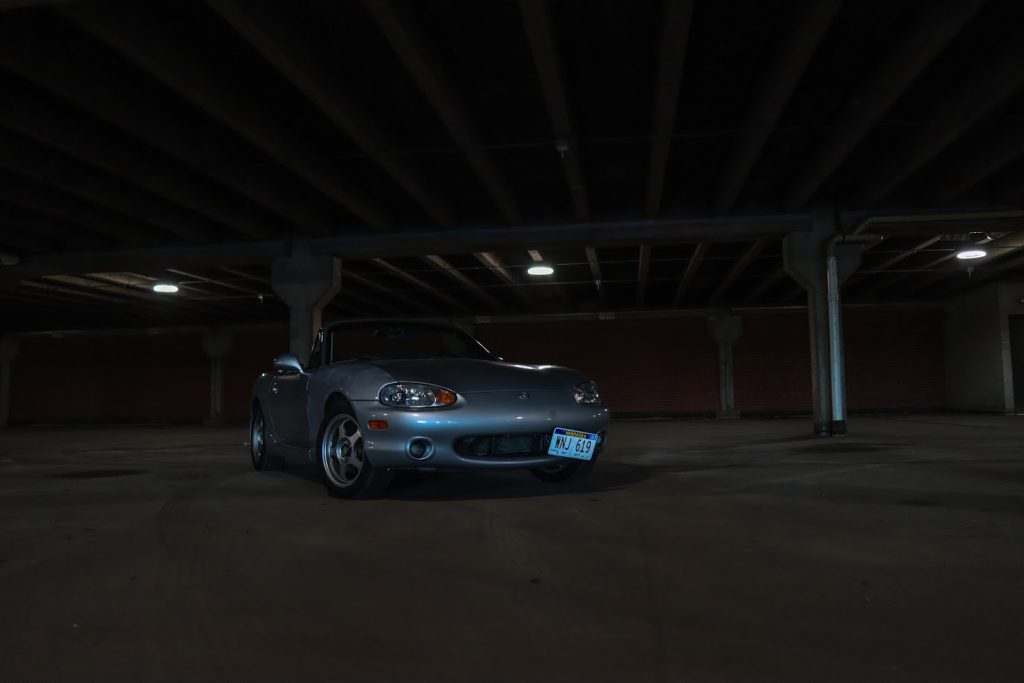
In October, the vehicle participated in its second autocross event. Autocross, characterized by low-speed, high-precision maneuvers through a cone-defined course, emphasizes transitional handling and throttle response. These events provided empirical data on the car’s handling characteristics, leading to the conclusion that the factory suspension was the next logical area for improvement.
Phase Four: Winter Overhaul and Safety Systems Integration
As temperatures dropped in Nebraska, the focus shifted from driving to significant structural and mechanical upgrades. NB Miatas are notoriously susceptible to chassis rust, particularly in the frame rails and rear rocker panels. To preserve the integrity of the yellow wrap and the underlying metal, the vehicle was removed from salted public roads in November 2021.
December 2021 was dedicated to a comprehensive suspension overhaul. The goal was to replace aging rubber bushings and factory dampers with modern alternatives to sharpen steering response. Additionally, the vehicle received its "M1ATA" vanity plates, signaling its status as a permanent fixture in the owner’s collection.
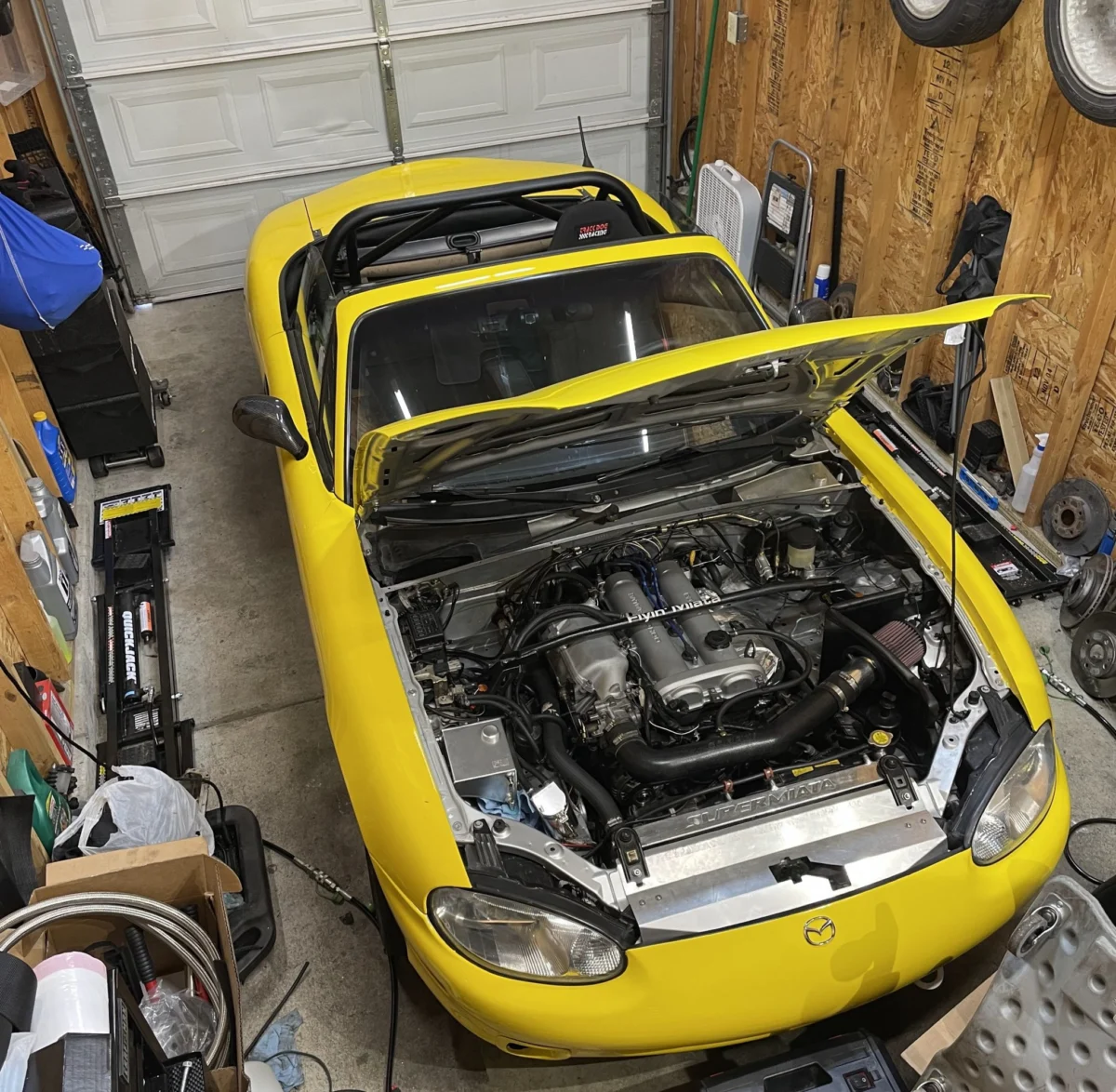
The most intensive mechanical work occurred in January 2022. The engine was removed from the chassis to facilitate repairs that are difficult to perform in situ. Key tasks included:
- Rear Main Seal Replacement: Addressing a persistent oil leak at the back of the crankshaft.
- Oil Pan Repair: Replacing a stripped oil drain plug.
- Coolant Reroute Installation: The B-series engine was originally designed for front-wheel-drive applications; in the RWD Miata configuration, the rear cylinders often run hotter due to poor coolant flow. A "reroute" kit moves the primary coolant exit to the back of the head, ensuring more uniform temperature distribution.
By February 2022, the focus turned to safety. Competitive driving requires adherence to specific safety standards, including the "broomstick test"—a rule stating that a driver’s helmet must sit below a line drawn from the top of the roll bar to the front of the car. To achieve this, the owner installed Track Dog Racing UltraShield Rally Sport seats and 6-point harnesses. A HANS (Head and Neck Support) device was also acquired, reflecting a professional-tier approach to amateur racing safety.
Broader Implications and Analysis of the Miata Lifecycle
The first year of this NB Miata project illustrates a broader trend in the automotive hobby: the "restomodding" of late-model classics. As vehicles from the 1990s and early 2000s age, they require a dual-track approach of restoration and modernization.
From a financial perspective, the project demonstrates that while the initial purchase price of an NB Miata may be low, the cost of bringing the vehicle to a "known good" state is significant. The owner’s decision to perform a DIY alignment and engine-out maintenance suggests that the viability of these projects often depends on the owner’s ability to provide their own labor.
Furthermore, the transition from a daily driver to a track-focused machine highlights the versatility of the Mazda N-platform. The Miata remains one of the few vehicles where a single owner can reasonably perform an engine pull in a residential garage and then drive that same vehicle to a competitive event the following weekend.
Conclusion
The twelve-month journey from March 2021 to March 2022 transformed a neglected 2000 Mazda Miata into a purpose-built, safety-compliant performance vehicle. Through systematic maintenance, calculated performance upgrades, and rigorous testing, the project has validated the enduring appeal of the NB platform. As the vehicle enters its second year of ownership, the focus will likely shift from fundamental repairs to fine-tuning the suspension geometry and exploring the limits of the BP4W engine. For the broader automotive community, this case study serves as a blueprint for the responsible and technical stewardship of a modern classic.