Johny Imanuel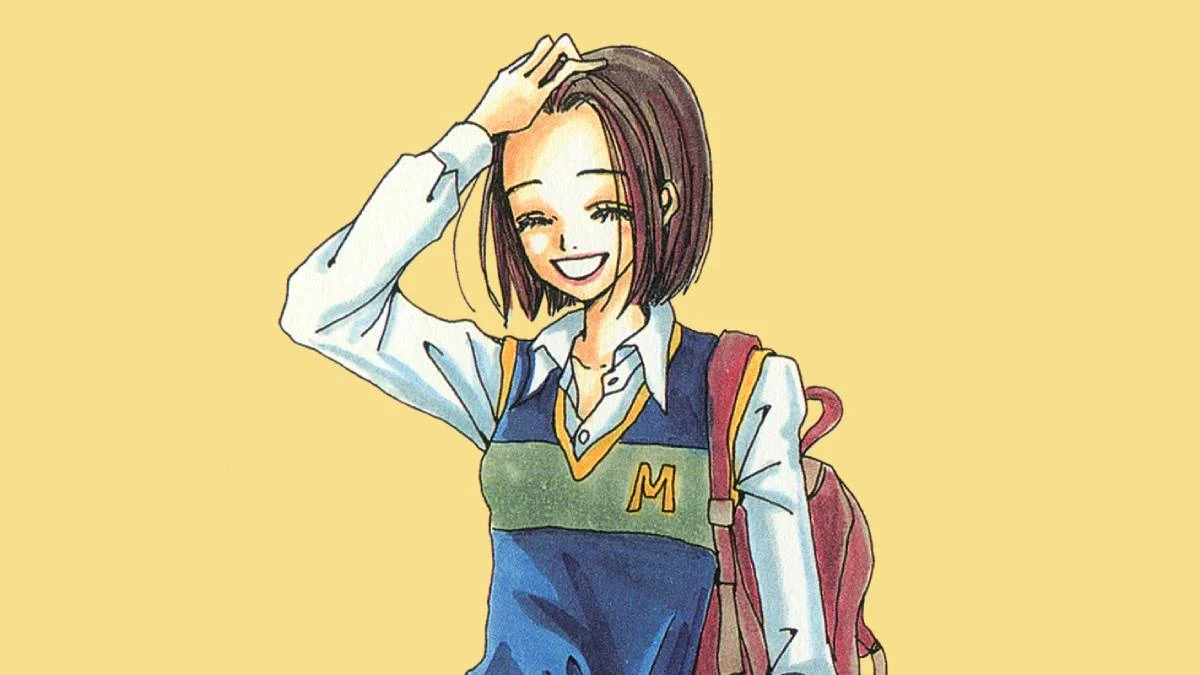
The landscape of the North American manga market continues to expand its historical horizons as Viz Media proceeds with the systematic localization of Ai Yazawa’s foundational works. The latest addition to this effort is the English-language debut of I’m No Angel (originally titled Tenshi Nanka ja Nai), a series that represents a critical evolution in the shojo genre. Following the successful re-introduction of Neighborhood Story (Gokinjyo Monogatari) and the enduring popularity of the internationally acclaimed Nana, the release of I’m No Angel provides Western audiences with a missing link in Yazawa’s interconnected literary universe. While previously considered one of the more obscure titles in her catalog for non-Japanese speakers, the series serves as the narrative bedrock for characters and themes that would later define the "Yazawa-verse," specifically the lineage seen in Paradise Kiss.
Narrative Foundation and Character Dynamics
The premise of I’m No Angel centers on Midori Saejima, a high school student embarking on a new academic chapter at Hijiri Gakuen. The narrative catalyst is her profound attraction to Akira Sudo, a fellow student whose external persona initially suggests a stereotypical delinquent archetype. Characterized by his stoic demeanor, distinct physical appearance, and his affinity for motorcycles, Akira is quickly revealed to be a subversion of the "bad boy" trope. He is depicted as a fundamentally compassionate individual, a trait that leads his peers to nominate him for a position on the inaugural student council.
Midori, who possesses a high degree of social capital and popularity, leverages the student council elections to bridge the distance between herself and Akira. The resulting story arc transcends the traditional boundaries of high school romance, focusing instead on the psychological complexities of the characters. Midori herself represents a departure from the one-dimensional shojo protagonists of the early 1990s. While she exhibits the "plucky" and ambitious traits common to the genre, Yazawa imbues her with significant vulnerabilities. Her insecurities are particularly pronounced when confronted with figures from Akira’s past, most notably a woman named Hiroko. Midori’s tendency toward emotional volatility—ranging from impulsive actions like climbing bathroom stalls to help a peer, to crying openly in class due to internal anxieties—presents a realistic, multifaceted portrait of adolescent development.
Historical Context and the Yazawa Timeline
To understand the significance of I’m No Angel, it is necessary to examine its place in the chronology of Japanese manga. Originally serialized in Shueisha’s Ribon magazine between 1991 and 1994, the series was a massive commercial success in Japan, with its collected volumes selling millions of copies. It established Yazawa as a premier voice in shojo manga, blending high-fashion aesthetics with gritty, emotional realism.
The series is chronologically the first major entry in what fans refer to as the "Saejima/Koda" timeline. For readers of Paradise Kiss, the character Mikako Koda is a central figure; she is the younger sister of Miwako Koda and the protagonist of Neighborhood Story. I’m No Angel provides the backstory for this lineage, as Mikako’s older sister, the original Mikako, is a contemporary of Midori. By localizing these titles in reverse or non-linear order, Viz Media is allowing English-speaking fans to retroactively construct the intricate web of relationships that Yazawa built over two decades.
The publication timeline for the English release is as follows:
- Volume 1: Currently available in retail and digital formats.
- Volume 2: Scheduled for release on September 1, 2026.
This extended gap between volumes suggests a meticulous editorial process, likely involving high-quality restoration of the original 1990s artwork and a translation that preserves the specific cultural nuances of the era.
Analytical Perspective: Beyond Romantic Tropes
A defining characteristic of I’m No Angel that distinguishes it from its contemporaries is the refusal to rely on standard romantic roadblocks. In many shojo series, conflict is generated through external "rival" characters who exist solely to create misunderstandings. Yazawa, however, derives conflict from the internal growth and selfish impulses of her leads. The relationship between Midori and Akira is a study in the "pitfalls of the inexperienced." It explores how young love is often hampered by a lack of communication, the weight of family burdens, and the struggle to balance individual identity with partnership.
Furthermore, the series allocates significant narrative weight to its supporting cast, a hallmark of Yazawa’s storytelling philosophy. The student council is not merely a background setting but a collective of individuals with their own evolving arcs. The relationship between Mamiya and Takigawa, for instance, receives substantial development, particularly as the first volume reaches its conclusion. By diversifying the focus, Yazawa creates a community rather than just a couple, which heightens the emotional stakes for the reader.
Industry Impact and Market Data
The decision to bring I’m No Angel to the North American market reflects broader trends in the manga industry. According to data from the NPD Group (now Circana), the manga market in the United States saw a 27% increase in sales in the early 2020s, with a specific resurgence in interest for "classic" or "retro" titles from the 1990s. This "90s revival" is driven both by older readers seeking nostalgia and younger readers discovering the era’s unique aesthetic through social media platforms like TikTok and Instagram.
Ai Yazawa’s works are particularly well-suited for this market shift. Her background in fashion design is evident in every panel, featuring clothing and character designs that remain influential in contemporary street fashion. Nana, her most famous work, remains one of the best-selling shojo series of all time globally, despite being on an indefinite hiatus since 2009 due to the author’s health issues. The continued demand for Nana has created a "halo effect," where any title bearing Yazawa’s name is met with high anticipation and strong pre-order numbers.
Official Responses and Editorial Significance
While Viz Media has not released a formal press statement regarding the specific acquisition of I’m No Angel, the company’s editorial direction has clearly shifted toward preserving the legacies of influential female creators. The inclusion of I’m No Angel in their current lineup serves as a testament to the series’ enduring relevance.
Industry analysts suggest that the localization of older series like I’m No Angel is a strategic move to bolster digital libraries and premium print collections. "There is a significant segment of the audience that wants the ‘complete’ experience of a creator’s career," notes a market analyst specializing in East Asian media. "By filling the gaps in the Yazawa bibliography, Viz is not just selling a book; they are curating a historical archive for one of the most important artists in the medium."
Implications for the Shojo Genre
The re-emergence of I’m No Angel also serves as a reminder of the shojo genre’s capacity for complexity. In a contemporary market often dominated by "isekai" (other-world) fantasies and high-concept supernatural plots, the grounded, character-driven drama of I’m No Angel offers a different kind of engagement. It emphasizes the "slice-of-life" elements that focus on the transition from adolescence to adulthood—a period of life that Yazawa captures with a unique blend of cynicism and hope.
The series also challenges the notion of the "perfect" heroine. Midori Saejima’s flaws are not presented as "cute" quirks but as genuine obstacles she must overcome. This level of psychological realism paved the way for more mature shojo and josei (adult women’s manga) titles that would follow in the late 90s and 2000s.
Conclusion and Future Outlook
As the first volume of I’m No Angel reaches bookshelves, it marks another milestone in the accessibility of classic manga. For long-time fans of Ai Yazawa, it is a long-awaited opportunity to own a piece of the author’s early history. For new readers, it serves as an entry point into a world where fashion, emotion, and realistic human dynamics take center stage.
The release of Volume 2 in late 2026 will likely be accompanied by renewed interest in Yazawa’s other works, potentially leading to further localizations of her even earlier, more obscure short stories. As Viz Media continues to navigate the complexities of international licensing and translation, the arrival of I’m No Angel stands as a significant victory for the preservation of manga as a sophisticated form of literary and visual art. The series remains a poignant reminder that while the settings of high school stories may change, the fundamental struggles of self-discovery and connection remain universal.