Johny Imanuel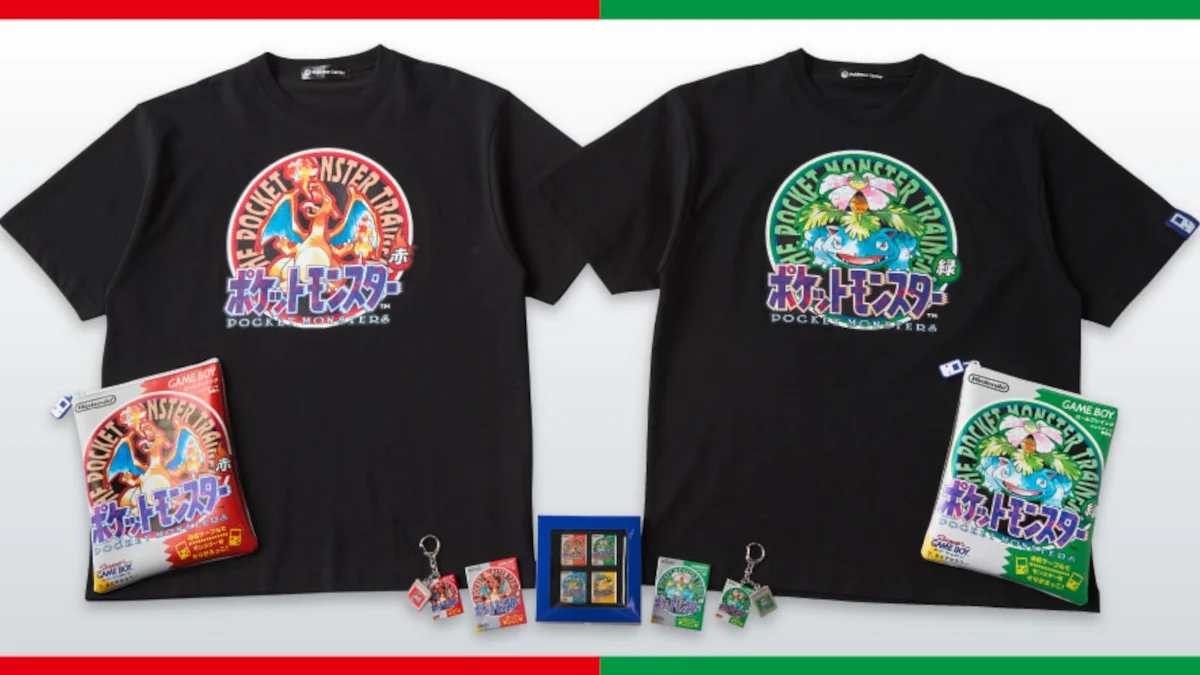
The upcoming merchandise wave is designed to encapsulate the entire mainline history of the series, spanning from the initial 1996 releases to the most recent titles on the Nintendo Switch. By focusing specifically on the Japanese "Pocket Monsters" branding, the collection highlights the distinct aesthetic differences that defined the franchise’s early years in its home territory compared to its international debut.
A Comprehensive Retrospective: 1996 to 2025
The scope of this collection is exhaustive, covering every primary entry in the series as well as the Legends sub-series. The timeline begins with the historic launch of Pocket Monsters Red and Pocket Monsters Green in February 1996. For many collectors, the inclusion of the Green version is particularly significant. While Western audiences were introduced to the franchise through Pokemon Red and Blue, the original Japanese launch featured Red and Green, with Pocket Monsters Blue following later as a retail exclusive and eventually serving as the technical basis for the international versions.
By including the Japanese covers for titles like Pocket Monsters Gold, Silver, and Crystal, the collection honors the transition to the Game Boy Color and the introduction of 100 new species. The lineup continues through the Game Boy Advance era with Ruby, Sapphire, and Emerald, the Nintendo DS era with Diamond, Pearl, and Platinum, and the 3DS era which introduced 3D modeling in X and Y.
The modern era is equally represented, featuring the box art for Pokemon Scarlet and Violet, as well as the highly anticipated Pokemon Legends: Z-A, which is slated for a 2025 release. However, The Pokemon Company has clarified that the collection will conclude its timeline with the 2025 releases. The upcoming 10th-generation titles, currently known as Pokemon Winds and Waves, which are scheduled for a 2027 release, are excluded from this specific merchandise run as their final cover art has not yet been finalized or revealed to the public as of mid-2026.
Product Lineup and Pricing Tiers
The 30th-anniversary collection is categorized into several product types, ranging from affordable accessories to high-end memorabilia. The Pokemon Company has structured the release to appeal to both casual fans looking for everyday items and serious investors seeking limited-edition displays.
The Framed Pin Collection
The undisputed flagship of the lineup is the all-in-one framed collection of game package cover pins. This item features miniature, high-fidelity enamel pins of every mainline Japanese game cover from 1996 through 2025. Mounted in a professional-grade frame, this set is priced at ¥30,000 (approximately $187.35 USD). This item is expected to be the most sought-after piece in the collection, serving as a physical "Pokedex" of the series’ retail history.
Apparel and Accessories
For fans who prefer wearable merchandise, the collection includes a variety of T-shirts and headwear.
- T-shirts: These feature prominent displays of iconic box art, utilizing the original Japanese logos which differ significantly from the stylized international "Pokemon" font.
- Baseball Caps: These items will feature the classic Pocket Monsters logo, leaning into the "retro-cool" aesthetic that has become popular among Gen Z and Millennial consumers.
- Sacoche Shoulder Bags: A popular accessory in Japanese street fashion, these small bags will incorporate design elements from the various eras of the franchise.
Small-Scale Collectibles
To ensure accessibility for all fans, the lineup includes a wide array of smaller items:
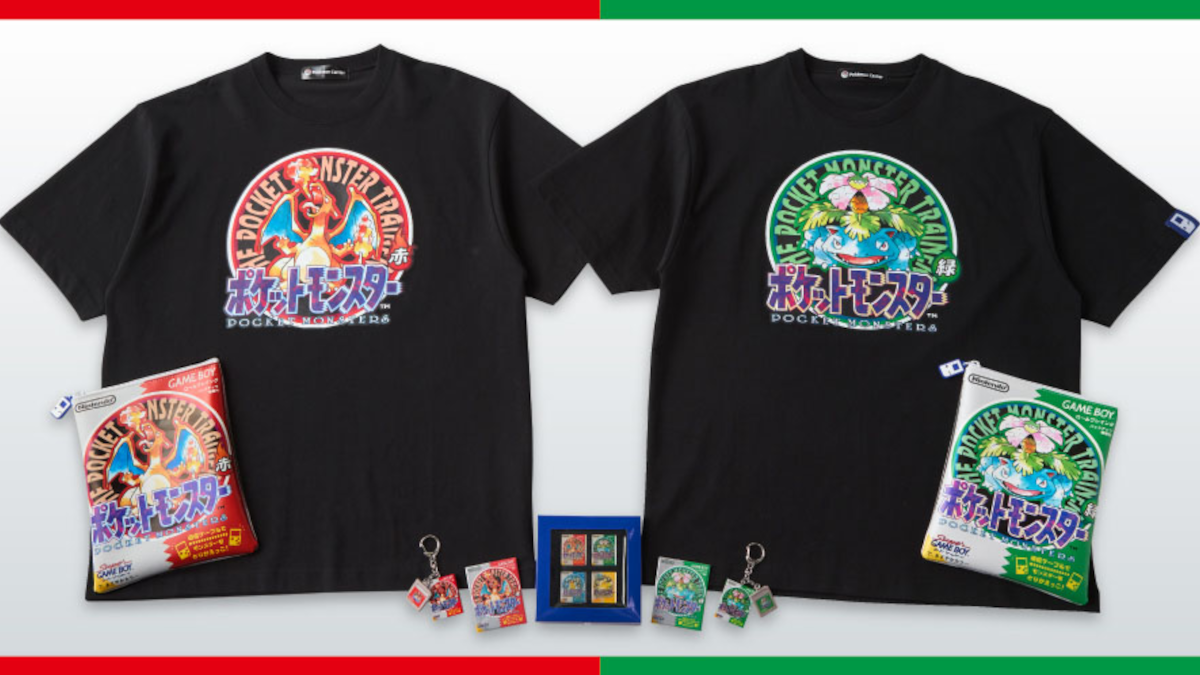
- Enamel Pins: Individual pins of specific game covers, allowing fans to purchase only their favorite generations.
- Magnets: Replicas of the game boxes designed for display on metallic surfaces.
- Keychains: Miniature versions of the Japanese game cases, complete with the original spine art and back-cover details.
Historical Significance of Japanese Box Art
The decision to focus on Japanese covers is a deliberate nod to the franchise’s roots. In the mid-1990s, the art style of Pokemon, led by the visionary Ken Sugimori, was characterized by soft watercolors and a distinct "creature feature" vibe that was slightly more mature than the more cartoonish marketing often used in the West.
The Japanese Pocket Monsters Green cover, featuring Venusaur, remains a holy grail for many collectors, as the game never saw a direct release outside of Japan (until the LeafGreen remake years later). Similarly, the Japanese covers for the Nintendo DS era often featured more intricate holographic patterns and different layout compositions than their American or European counterparts. By turning these specific designs into merchandise, The Pokemon Company is catering to a global market of "Japanophiles" and hardcore fans who view the original Japanese releases as the definitive versions of the games.
Market Analysis and Consumer Demand
Industry analysts suggest that this merchandise launch is a calculated move to capitalize on the "nostalgia economy." As the original "Pokemon Generation" (those who played the games in the late 90s) enters their 30s and 40s, their purchasing power has increased significantly. Items like the ¥30,000 framed pin set are specifically designed for this demographic—consumers who have the disposable income to spend on high-quality office or home decor that reflects their childhood interests.
Furthermore, the secondary market for Pokemon merchandise has seen exponential growth over the last five years. Limited edition items from the Pokemon Center in Japan frequently double or triple in value on sites like eBay and Mandarake within months of release. Given the 30th-anniversary branding, it is highly likely that these items will be subject to intense "scalping" and high resale prices, prompting The Pokemon Company to likely implement purchase limits at physical Pokemon Center locations across Japan.
The Broader Impact on the 30th Anniversary
The release of the game cover merchandise is just one pillar of what is expected to be a year-long celebration of the franchise’s 30th anniversary. Historically, The Pokemon Company uses these five-year milestones to announce major new projects.
- The 20th Anniversary (2016): Saw the launch of Pokemon GO and Pokemon Sun and Moon, sparking a massive resurgence in global interest.
- The 25th Anniversary (2021): Featured the "P25 Music" collaboration with artists like Katy Perry and Post Malone, alongside the announcement of Pokemon Legends: Arceus.
As 2026 approaches, the "Japanese Game Cover" collection sets a tone of reflection and reverence for the past. It bridges the gap between the legacy of the Game Boy era and the future of the franchise on next-generation hardware. While the merchandise is currently confirmed only for Japan, international fans often rely on export services, suggesting that the impact of this release will be felt globally.
Official Responses and Availability
While The Pokemon Company rarely issues lengthy press statements for individual merchandise lines, the promotional material released on the official Pokemon Center Online store emphasizes a "gratitude to the fans who have walked this 30-year journey with us." Staff at the Pokemon Center Mega Tokyo have reportedly prepared for increased foot traffic on the June 18 launch date, anticipating that the framed pin sets may sell out within the first few hours of availability.
For international fans, there is currently no word on whether a similar "International Cover" version of this merchandise will be released through the Pokemon Center US, UK, or Canada stores. Historically, Japanese-exclusive anniversary merchandise sometimes makes its way West six to twelve months later, though often with modifications to reflect the local branding.
Conclusion: A Legacy Rendered in Enamel and Ink
The "Pokemon Japanese Game Covers" collection is more than just a retail event; it is a physical timeline of a cultural phenomenon. From the monochromatic pixels of 1996 to the sprawling open worlds of 2025, these covers represent the evolution of digital entertainment. By immortalizing these images as pins, magnets, and apparel, The Pokemon Company ensures that the visual history of the franchise remains accessible to the fans who helped build it into a multi-billion dollar empire. As June 18, 2026, approaches, the gaming world looks toward Japan to see how the next chapter of Pokemon’s legacy will be celebrated.