Vera Clarissa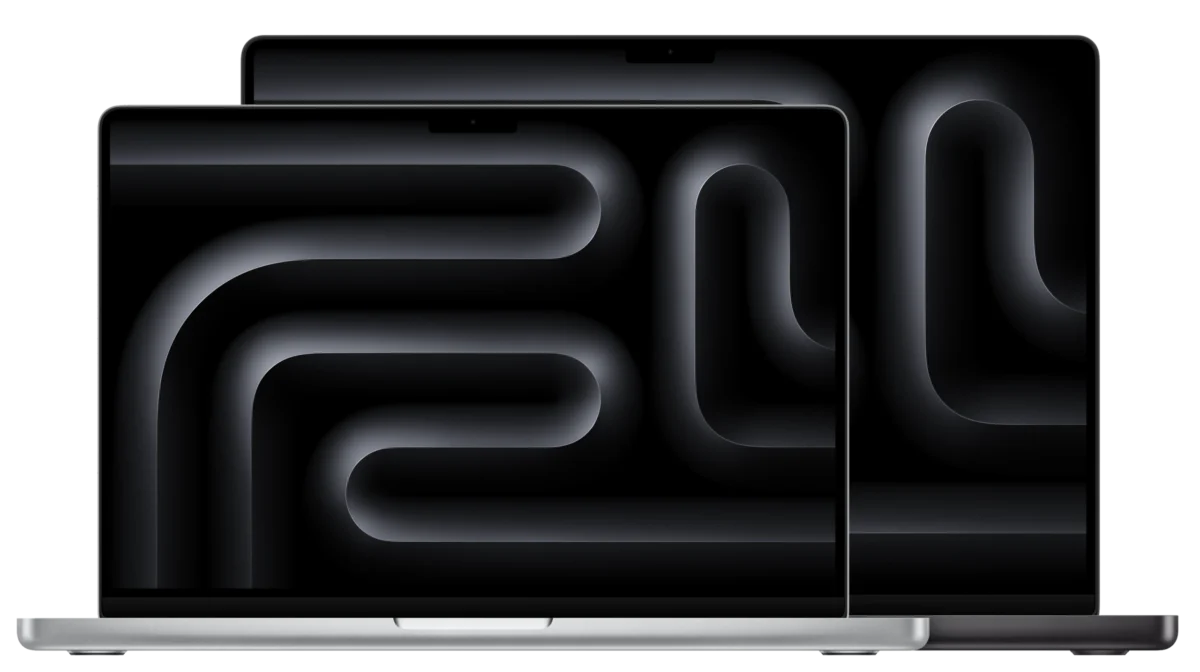
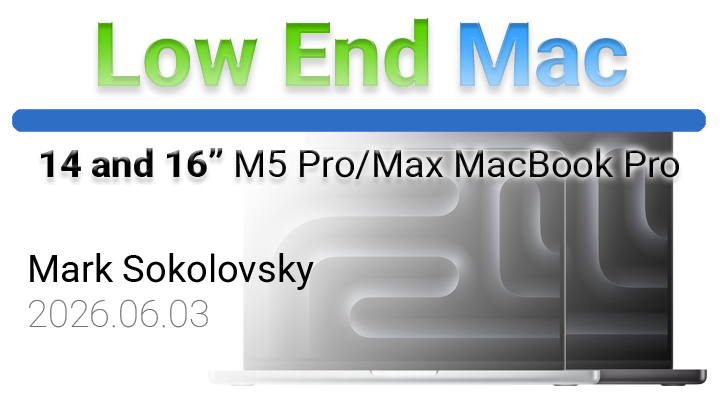
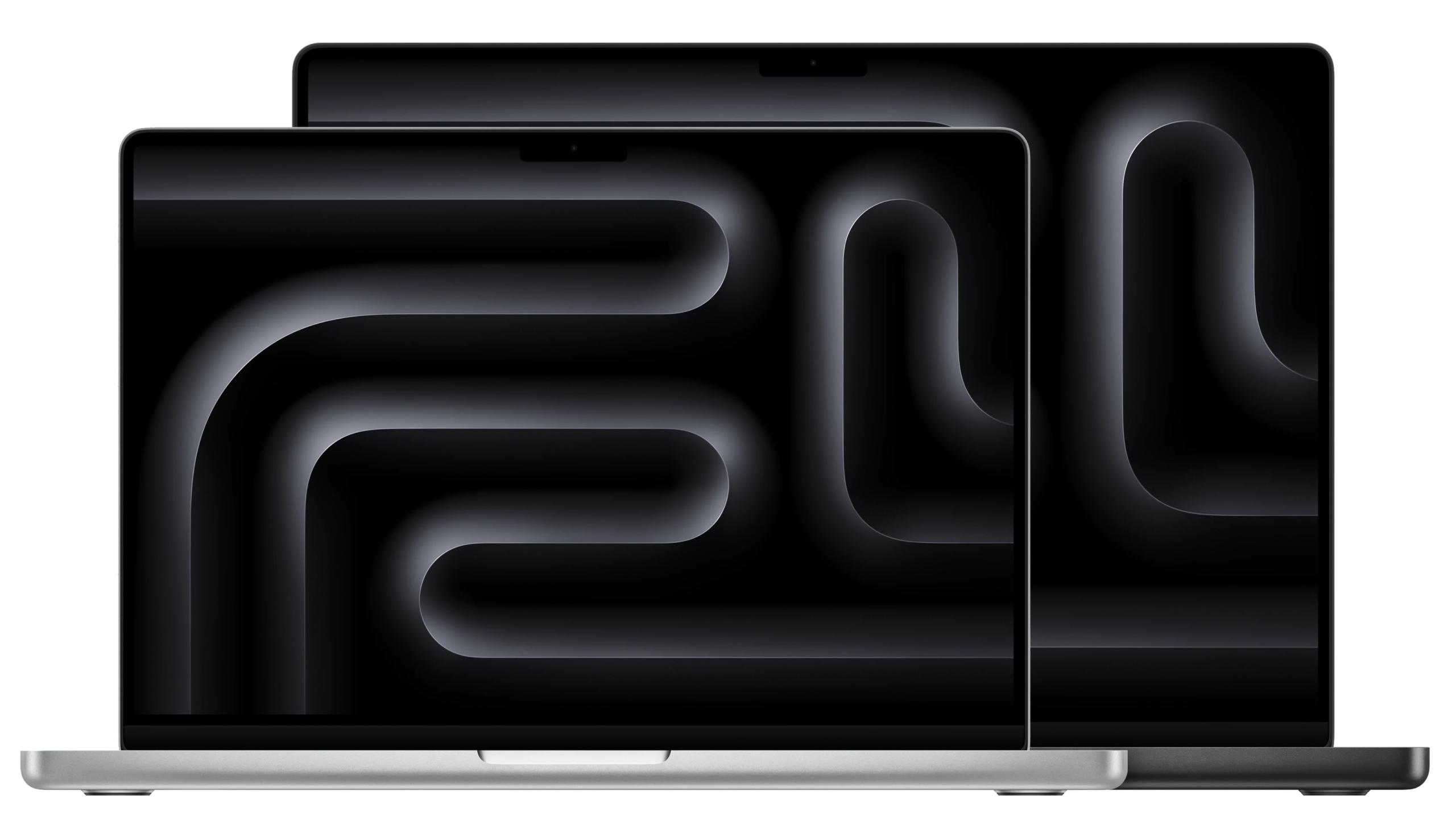
The highly anticipated M5 Pro and M5 Max MacBook Pro models have officially launched, marking a significant evolutionary leap for Apple’s silicon-powered laptops. Building upon the success of previous generations, these new machines refine the established aluminum unibody design, delivering enhanced processing speeds, increased core counts, and a notable rebranding of CPU core classifications. This release signifies Apple’s continued commitment to pushing the boundaries of personal computing performance and integration.
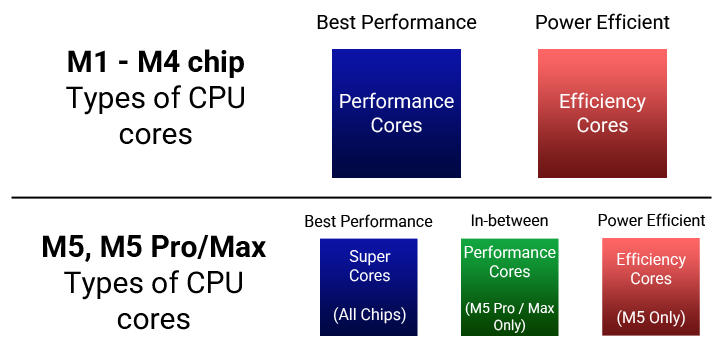
At the heart of this upgrade is a fundamental shift in how Apple categorizes its processing cores. In prior generations, the silicon architecture consistently featured a distinction between "Performance" and "Efficiency" cores. However, with the introduction of the M5 Pro and M5 Max chips, the performance cores have been officially renamed "Super Cores." This nomenclature change is not exclusive to the new Pro and Max variants; it has been retroactively applied to the standard M5 chip as well, creating a unified and more descriptive naming convention across the M5 family. This strategic rebranding likely aims to better communicate the enhanced capabilities of these cores to consumers and industry professionals alike.
Further underscoring Apple’s drive for integrated and advanced connectivity, the M5 Pro and M5 Max MacBook Pros now feature the proprietary Apple N1 wireless networking chip. This move mirrors the technological advancements seen in the recently released iPhone 16e, signaling a broader strategy to standardize cutting-edge wireless capabilities across its product ecosystem. The N1 chip brings a suite of next-generation wireless technologies to the Mac, including the ultra-fast Wi-Fi 7 (802.11be) standard, Bluetooth 6, and thread networking technology. The inclusion of Wi-Fi 7 promises significantly higher throughput, lower latency, and improved reliability for wireless connections, crucial for demanding tasks such as high-resolution video streaming, large file transfers, and real-time collaborative work. Bluetooth 6 enhances short-range wireless communication, while thread networking opens up new possibilities for robust and efficient smart home device integration and other low-power mesh networking applications.
Storage capacity has also seen a substantial increase, with both the 14-inch and 16-inch M5 Pro and M5 Max MacBook Pro models now starting at a generous 1TB of internal storage. This doubling of baseline storage from the previous generation addresses a growing need for ample space, accommodating larger project files, extensive media libraries, and the increasing size of modern software applications. While the advanced nano-texture display option remains available for those seeking to minimize glare and enhance viewing clarity, the overall package represents a significant and welcome upgrade for users across various professional and creative fields.
The integration of "Apple Intelligence" further elevates the user experience on these new MacBook Pros. macOS now fully supports Apple Intelligence across all Macs equipped with Apple Silicon. This advanced AI framework is also accessible on a wide range of compatible Apple devices, including most iPads with M-series chips and iOS devices running iOS 18 and later, provided they feature an A17 Pro chip or a more recent model (such as the iPhone 15 Pro/Pro Max and all iPhone 16 models). Apple Intelligence promises to unlock new levels of productivity, creativity, and personalization through on-device and cloud-assisted AI capabilities, including enhanced Siri functionality, advanced writing tools, and intelligent image generation.
Understanding the M5 Chip Architecture: A Core Evolution
The introduction of the M5 Pro and M5 Max chips signifies more than just a performance boost; it introduces a refined understanding of Apple’s silicon design philosophy. The naming convention for CPU cores has evolved to better reflect their specialized roles within the chip.
- Super Cores: These are the high-performance processing units, designed to handle demanding tasks that require maximum computational power. They are optimized for speed and responsiveness, ensuring smooth operation for intensive applications like video editing, 3D rendering, software development, and complex data analysis. The renaming from "Performance Cores" to "Super Cores" emphasizes their elevated capabilities in the M5 generation.
- Efficiency Cores: These cores are engineered to handle less intensive tasks with minimal power consumption. They are crucial for everyday operations such as web browsing, email, document editing, and background processes, allowing the MacBook Pro to achieve remarkable battery life without compromising on responsiveness.
This dual-core architecture, now articulated with the "Super Core" designation, allows the M5 chips to dynamically allocate computational resources, optimizing for both peak performance and energy efficiency. The number of Super Cores and Efficiency Cores varies between the M5, M5 Pro, and M5 Max configurations, providing a tiered approach to performance that caters to a broad spectrum of user needs.
A Timeline of Innovation: The M5 Series Unveiled
The unveiling of the M5 Pro and M5 Max MacBook Pros follows a carefully orchestrated release cadence characteristic of Apple’s product launches. While specific embargo dates and internal development timelines are proprietary, the public announcement and subsequent availability suggest a culmination of extensive research, development, and testing.

The initial conceptualization and development of the M5 architecture likely began years prior, following the successful integration of the M1 chip. Each subsequent generation—M2, M3, and now M5—represents iterative improvements in fabrication processes, architectural enhancements, and the integration of new technologies. The decision to introduce the "Super Core" nomenclature and the N1 wireless chip points to a strategic vision for future product development, aiming for greater synergy and advanced features across the entire Apple ecosystem.
The inclusion of Wi-Fi 7 and Bluetooth 6, for instance, aligns with industry trends and the anticipated rollout of these next-generation wireless standards. Apple’s proactive integration ensures that their devices remain at the forefront of connectivity technology, providing users with future-proofed hardware.
The Impact of Apple Intelligence on Workflow
The integration of Apple Intelligence into macOS, accessible on the new M5 MacBook Pros, is poised to revolutionize how users interact with their devices. This AI framework is designed to be deeply integrated, learning user patterns and preferences to offer proactive assistance and streamline complex tasks.
- Enhanced Productivity: Features like intelligent writing assistance, summarization tools, and predictive text can significantly accelerate content creation and communication.
- Personalized Experience: Apple Intelligence aims to provide a more intuitive and personalized computing experience, anticipating user needs and offering relevant suggestions.
- On-Device Processing: A key aspect of Apple Intelligence is its emphasis on on-device processing for many AI tasks, enhancing user privacy and security by minimizing the need to send sensitive data to the cloud.
This advanced AI capability, combined with the raw processing power of the M5 Pro and M5 Max chips, positions these MacBook Pros as formidable tools for professionals in fields ranging from content creation and software development to scientific research and data analysis.
Key Specifications and Features of the M5 Pro and M5 Max MacBook Pros
The M5 Pro and M5 Max MacBook Pros offer a compelling array of specifications designed to meet the demands of the most discerning users.
Display:
- High-resolution Liquid Retina XDR displays.
- ProMotion technology for adaptive refresh rates up to 120Hz.
- Wide color P3 support.
- Optional nano-texture glass for reduced glare.
Performance and Graphics:
- M5 Pro and M5 Max chips with a configurable number of Super Cores and Efficiency Cores.
- Up to a significantly increased number of GPU cores for accelerated graphics performance.
- Enhanced Neural Engine for machine learning tasks.
Connectivity:
- Apple N1 wireless networking chip supporting Wi-Fi 7 (802.11be) and Bluetooth 6.
- Thunderbolt 4 ports for high-speed data transfer, charging, and external display connectivity.
- HDMI port for direct display connection.
- SDXC card slot for easy media transfer.
- MagSafe 3 charging port.
Storage:

- Base storage of 1TB, configurable to higher capacities.
- Fast SSD storage for rapid application loading and file access.
Audio and Video:
- High-fidelity six-speaker sound system.
- Studio-quality three-mic array for clear audio capture.
- 1080p FaceTime HD camera for enhanced video conferencing.
Battery Life:
- Apple claims up to 16 to 17 hours of wireless web browsing.
- Up to 24 hours of video streaming.
Closed Lid Mode: Enhanced External Display Functionality
A notable feature that continues to be supported and refined in the M5 generation is "Closed Lid Mode," also known as clamshell mode. This functionality allows users to operate their MacBook Pro with the lid closed, dedicating all available video RAM to an external display or multiple displays.

To utilize Closed Lid Mode, the MacBook Pro must be connected to AC power, an external display, and a USB or Bluetooth mouse and keyboard. Upon powering up and seeing the desktop appear on the external display, closing the lid will put the machine to sleep. Waking the device by moving the mouse or pressing a key will then enable the external display as the sole screen, with the internal display remaining inactive. This feature is particularly valuable for users who wish to maximize desk space or maintain a powerful, stationary computing setup.
Resuming normal operation with the internal display requires disconnecting the external display, putting the computer to sleep, and then opening the lid, which will wake the MacBook Pro and restore the built-in display.
Broader Impact and Future Implications
The release of the M5 Pro and M5 Max MacBook Pros with their enhanced performance, advanced connectivity, and integrated AI capabilities signifies a strategic push by Apple to solidify its position in the high-performance computing market. The renaming of performance cores to "Super Cores" and the integration of the N1 chip with Wi-Fi 7 and Bluetooth 6 suggest a concerted effort to provide a more cohesive and future-forward user experience across its product lines.

The increased storage baseline and continued emphasis on powerful silicon further cater to the growing demands of creative professionals, developers, and power users. The seamless integration of Apple Intelligence promises to unlock new levels of productivity and personalization, setting a new benchmark for on-device AI capabilities. As the industry continues to evolve, Apple’s commitment to in-house silicon development and the strategic integration of next-generation technologies positions them to maintain a competitive edge in the personal computing landscape. The M5 generation represents not just an incremental update, but a foundational step towards a more intelligent, connected, and powerful future for the Mac.