Retno Hari Mulyono
The 2025–2026 racing season marked a pivotal fifth year of ownership for a specialized Mazda Miata (NB generation) track project, transitioning the vehicle from a modified enthusiast car into a highly engineered time-trial competitor. Over the course of twelve months, the vehicle underwent significant mechanical overhauls, including a full electronic rewiring and a transition to drive-by-wire technology, while completing 14 track days and 357 documented laps. This period of development highlights the iterative nature of grassroots motorsports, where performance gains are often balanced against the rigorous demands of mechanical reliability under racing conditions.
Performance Benchmarking and Powerplant Optimization
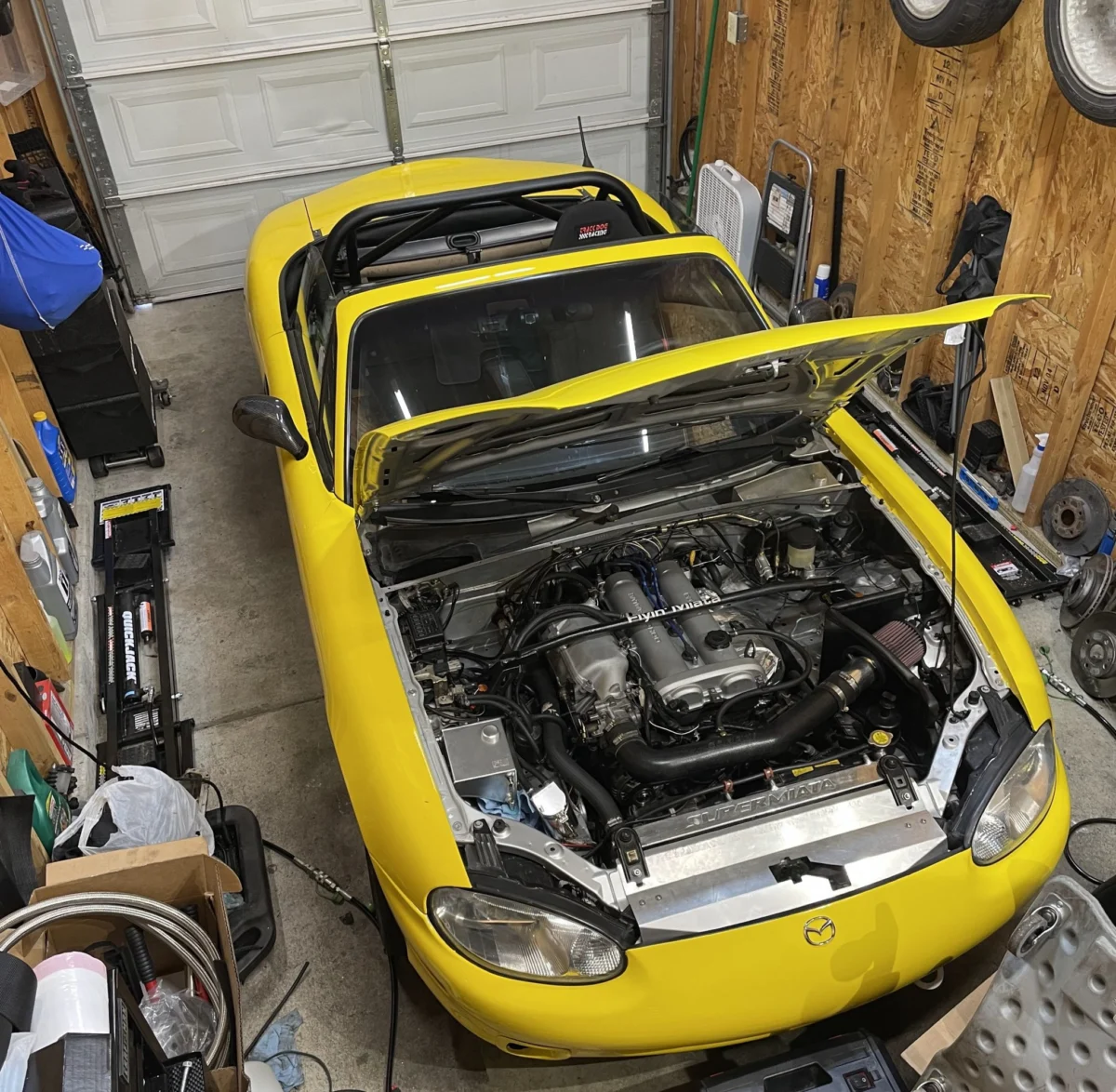
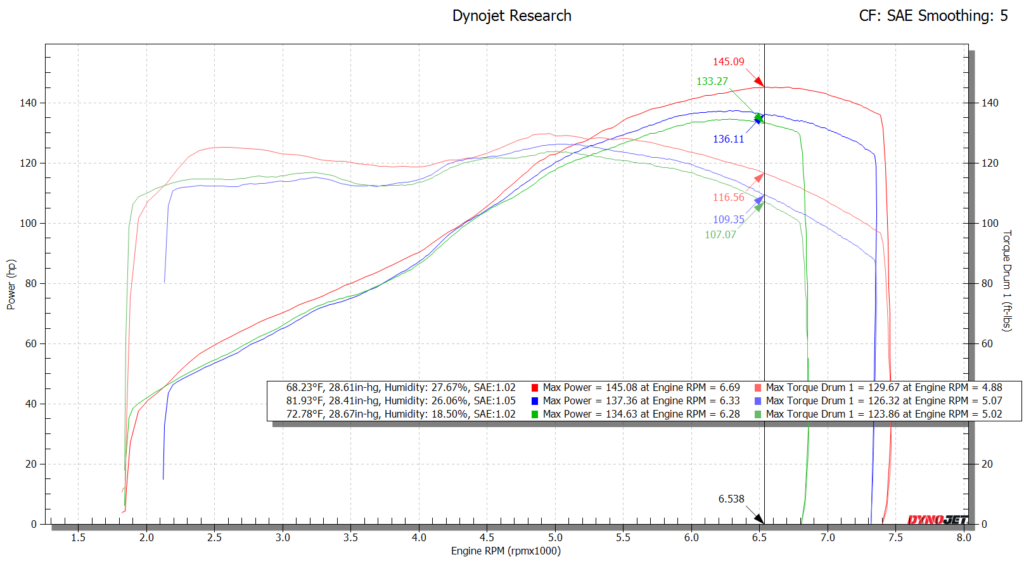
The season commenced in March 2025 with standardized performance testing to satisfy the requirements of the Sports Car Club of America (SCCA) Midwest Division (MiDiv) Time Trials. Benchmarking was conducted on a Dynojet chassis dynamometer, a standard tool in the industry for measuring wheel horsepower (WHP) and torque. The primary hardware change for the 2025 season was the replacement of the OEM "square top" intake manifold with a Skunk2 Ultra Series manifold, designed to optimize airflow at higher RPM ranges.
The results indicated a peak output of 145.09 wheel horsepower and 129.67 lb-ft of torque. When compared to previous years—where the vehicle recorded 133.27 and 136.11 WHP—the data suggests a significant upward trend in power production. Historically, a stock NB Miata (1.8L BP-4W engine) produces approximately 115 WHP on a similar dyno. The 26% increase over stock is attributed to the combination of the Skunk2 manifold and the Megasquirt MS3Pro Evo standalone ECU. Analysts note that while different dynamometers can produce varying "readings" based on atmospheric correction factors and calibration, the consistent use of Dynojet equipment provides a reliable delta for assessing year-over-year progress.
Chronology of the 2025 Competitive Season
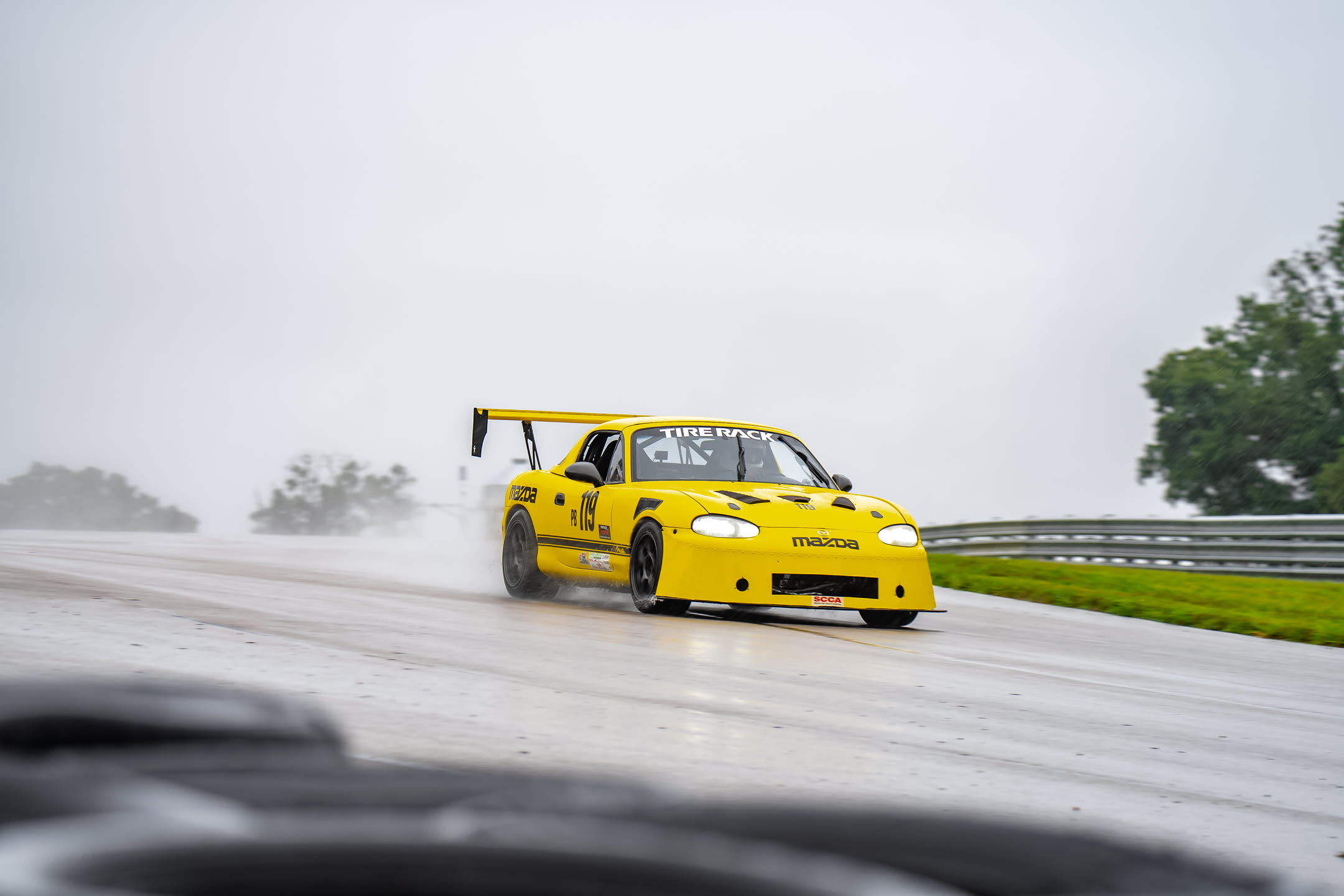
The competitive calendar began in April at the Hallett Motor Racing Circuit in Oklahoma. The facility had recently undergone significant infrastructure improvements, including the resurfacing of several key corners. However, the event was characterized by inclement weather. The transition between the old asphalt and the new, high-grip surface created a complex braking environment in wet conditions. For the driver, this provided critical data on the vehicle’s threshold braking capabilities and the hydroplaning resistance of the 200-treadwear (200TW) tires used in the series.
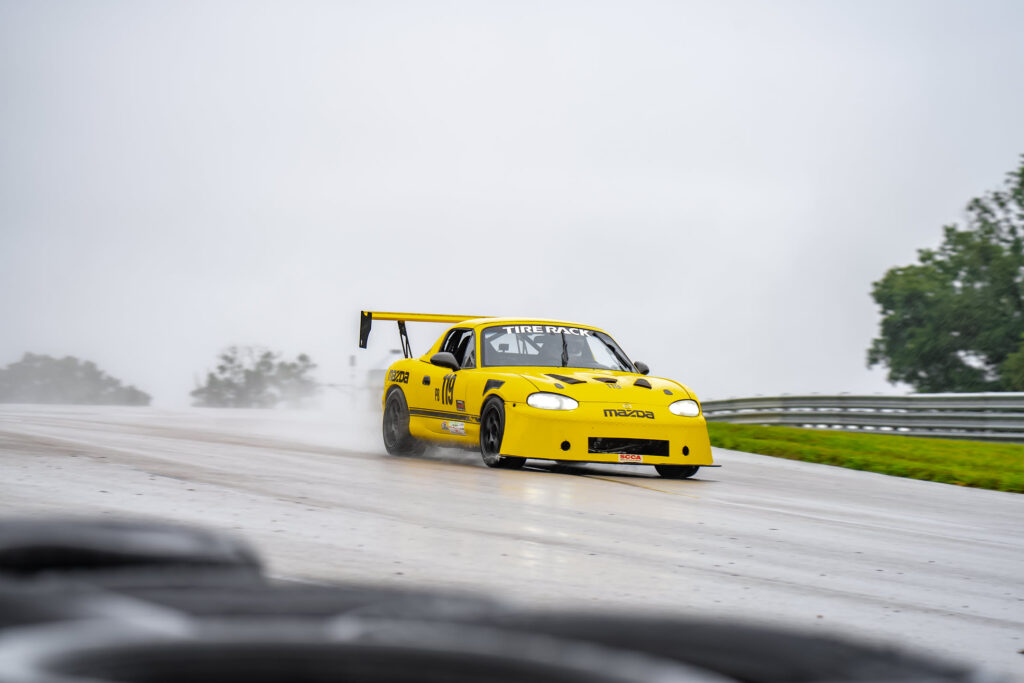
In July, the project moved to Ozarks International Raceway (OIR), a technical track known for its extreme elevation changes and blind crests. Racing in the rain at OIR highlighted the challenges of track drainage and standing water, which can drastically alter the racing line. The data gathered during these sessions emphasized the importance of mechanical grip and driver adaptability over raw horsepower.
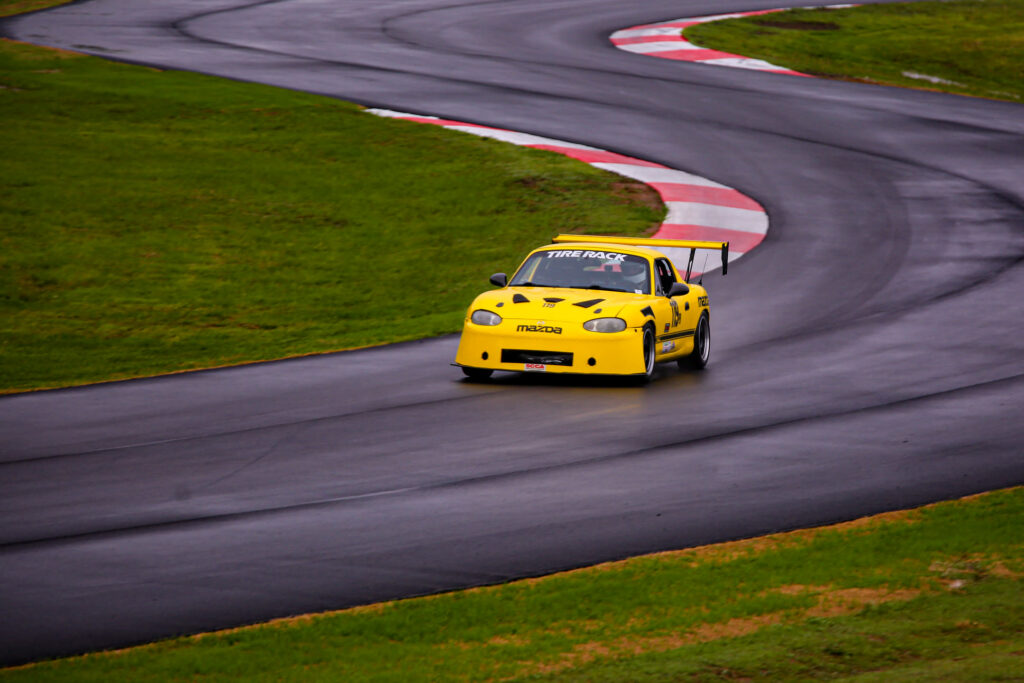
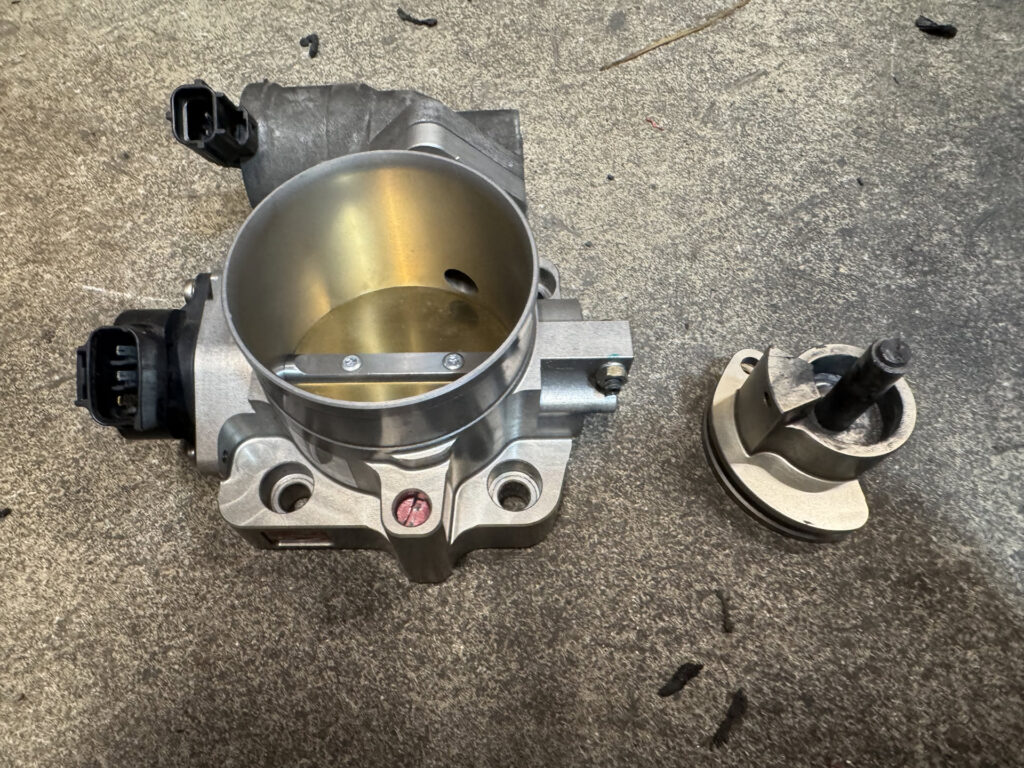
By August, the vehicle was campaigned at High Plains Raceway. It was during this event that the vehicle suffered its most significant mechanical failure of the season. While accelerating down the primary straight, the throttle body shaft experienced a complete structural failure. This marked the second throttle-related incident of the year, following a broken return spring in May.
Analysis of Mechanical Reliability and Throttle Body Fatigue
The repeated failure of aftermarket throttle bodies became a central theme of the 2025 season. The Skunk2 units, while offering increased airflow, appeared susceptible to the high-frequency vibrations inherent in the Mazda BP engine at sustained high RPMs. Mechanical engineers often cite resonance-induced fatigue as a primary cause for shaft failure in four-cylinder racing engines.
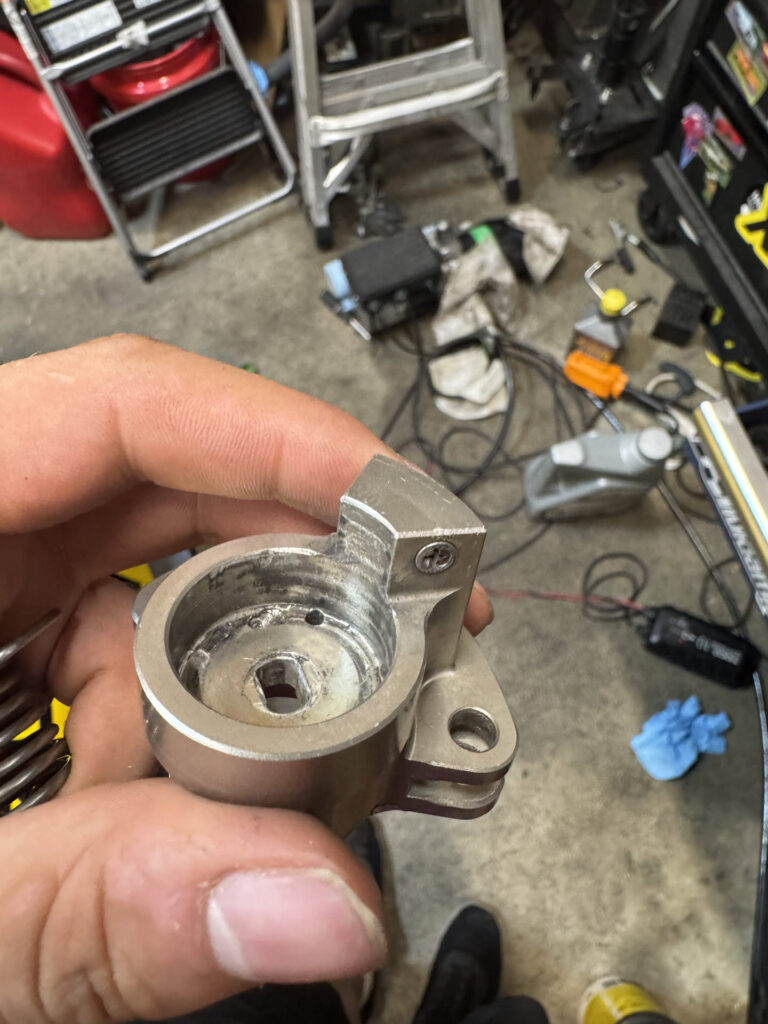
The first failure in May at I29 Speedway involved the throttle return spring. While a field repair allowed the vehicle to complete the day, the second failure in August was terminal for the component, as the shaft snapped entirely. Although no debris entered the intake plenum—averting a catastrophic engine failure—the incident necessitated a fundamental rethink of the vehicle’s induction and control strategy. For the remainder of the season, a factory Mazda throttle body was utilized as a stopgap measure, highlighting the "reliability vs. performance" trade-off often found in aftermarket components.
Electronic Systems Overhaul and Drive-By-Wire Integration
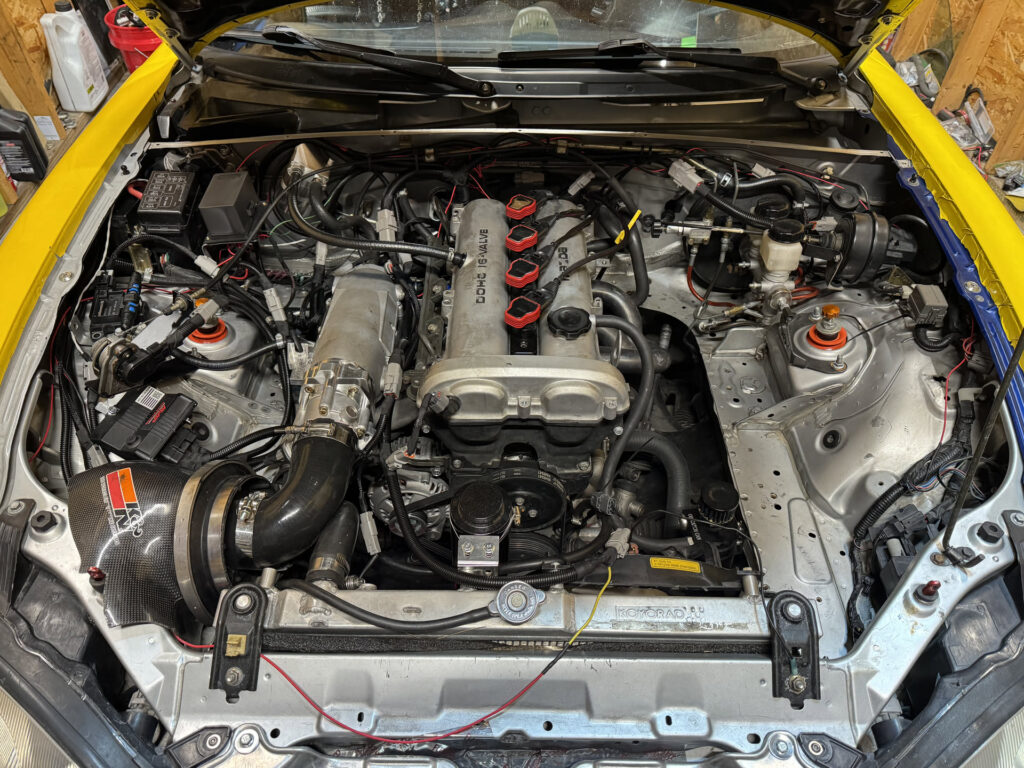
In October 2025, the decision was made to perform a complete "ground-up" rewiring of the engine management system. The existing setup utilized a 25-year-old factory wiring harness interfaced with the MS3Pro Evo via a patch-style adapter. This configuration represented multiple potential points of failure, including brittle wires and oxidized connectors.
The new system was designed with aviation-grade standards in mind, utilizing Deutsch connectors for modularity and a custom fuse/relay block to simplify the power distribution. The most significant technological leap was the conversion to Drive-By-Wire (DBW). This system replaces the traditional mechanical throttle cable with an electronic actuator. The hardware suite included:
- Bosch 60mm Electronic Throttle Body: A modern, reliable unit used widely in European performance vehicles.
- Honda Accelerator Pedal Position (APP) Sensor: Chosen for its compact form factor and reliability.
- AMP EFI DBW Controller: To bridge the communication between the ECU and the electronic throttle.
The implications of DBW are extensive for track use. It allows for precise throttle mapping, software-controlled idle stability, and the potential for advanced features such as automated rev-matching and traction control integration.
Drivetrain and Cockpit Enhancements
To further refine the vehicle’s performance, the off-season saw the installation of a Tinker Electronics digital dash. Connected via the Controller Area Network (CAN bus), the dash provides real-time telemetry from the Megasquirt ECU, including oil pressure, coolant temperature, and manifold pressure. The system was configured with visual alerts (redline shifts and temperature warnings), allowing the driver to monitor engine health without diverting focus from the track.
In December, the shifting mechanism was upgraded to a Coolerworx short-throw shifter. Unlike previous "tall" shifters that relied on the transmission’s internal centering, the Coolerworx unit features a heavy-duty external return spring and a mechanical reverse lockout. This hardware change was aimed at eliminating "money shifts" (accidental downshifts into the wrong gear), which are a common cause of engine over-revving in high-stress racing environments.
The final major mechanical upgrade occurred in January 2026 with the installation of an OS Giken Super Lock differential. The vehicle had previously utilized a Mazda Torsen Type II limited-slip differential. While the Torsen is effective for street use, it can "unlock" if one rear wheel loses contact with the pavement—a frequent occurrence when attacking curbs on track. The OS Giken, a clutch-type differential tuned by Supermiata, ensures consistent power delivery to both wheels regardless of vertical load, significantly improving corner-exit traction.
Economics of Grassroots Racing: The DIY Approach
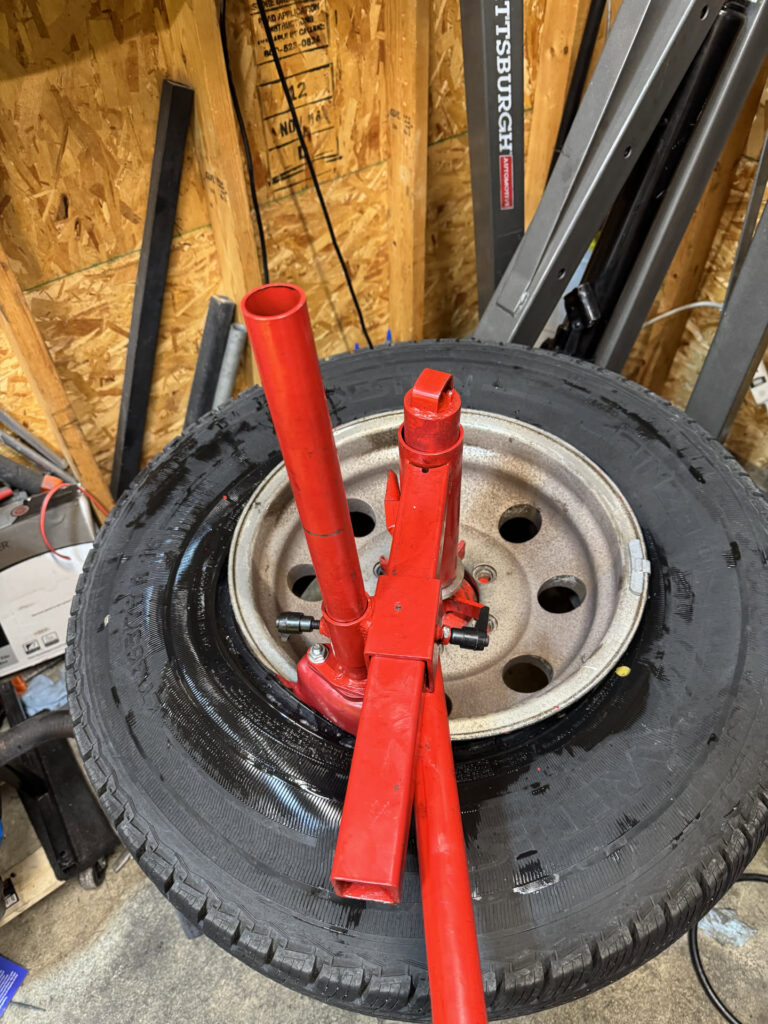
A notable shift in the project’s operational strategy in 2025 was the move toward self-sufficiency in tire management. Faced with rising costs at professional tire shops, the owner invested in a Harbor Freight manual tire changer, modified with a "duckhead" attachment and a bubble balancer.
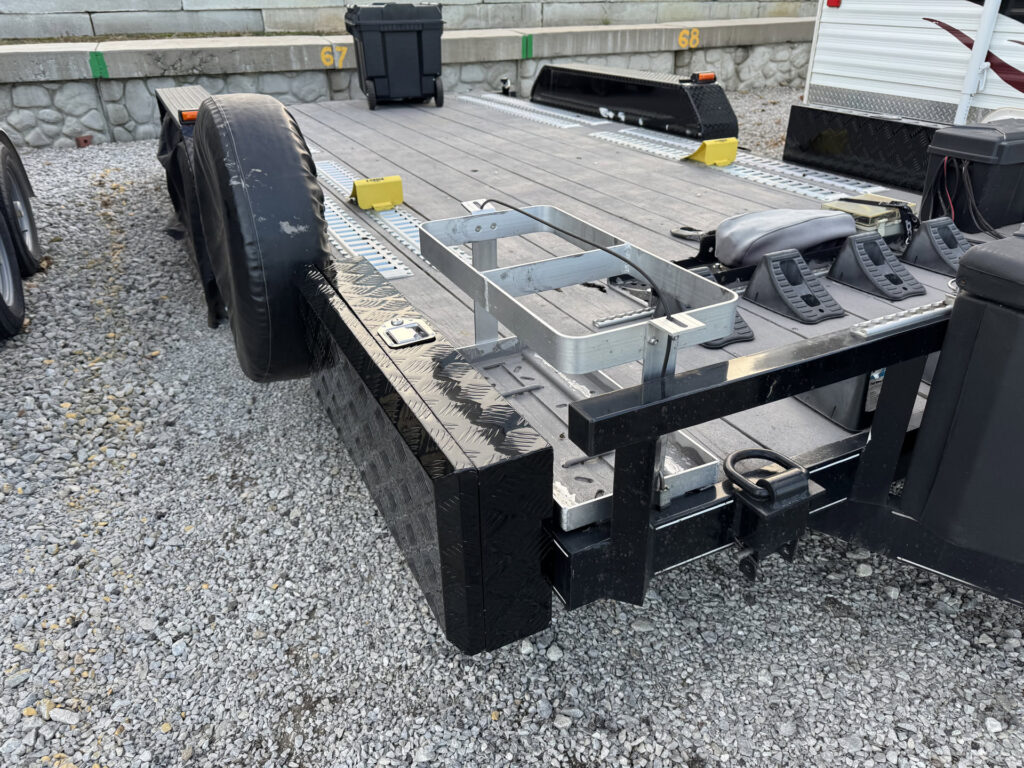
Over the course of the year, more than 20 tires were mounted and balanced in-house. This DIY approach not only reduced the per-event cost of racing but also allowed for greater flexibility in testing different tire compounds. Data suggests that the bubble balancing method, while older technology, provides sufficient accuracy for track use where high-speed vibrations are often masked by track surface irregularities.
Strategic Expansion: The Acquisition of a Secondary Chassis
In February 2026, the project expanded with the acquisition of a second NB Miata. Purchased for $1,800, the 2001 model featured a Variable Valve Timing (VVT) engine and a six-speed manual transmission. Although the vehicle was in a state of disrepair—lacking an interior and suffering from poor aftermarket modifications—it provided a rust-free platform for a dedicated street-legal companion to the primary track car. This "mule" chassis serves as a testbed for new components before they are integrated into the primary racing vehicle, ensuring that the track car remains optimized for competition.
Conclusion and Future Outlook
The fifth year of this NB Miata project demonstrates the evolution of a platform through the lens of data-driven engineering. By the end of February 2026, the vehicle had logged a cumulative 43.8 hours of track time according to Garmin Catalyst telemetry. While personal best lap times were fewer this year due to varying environmental conditions, the mechanical "ceiling" of the car has been significantly raised.
The transition to a custom wiring harness, drive-by-wire, and a high-end clutch-type differential positions the vehicle for a highly competitive 2026 season. As grassroots racing continues to see an influx of technology once reserved for professional teams, projects like this serve as a blueprint for balancing performance, budget, and the relentless pursuit of mechanical reliability.