Retno Hari Mulyono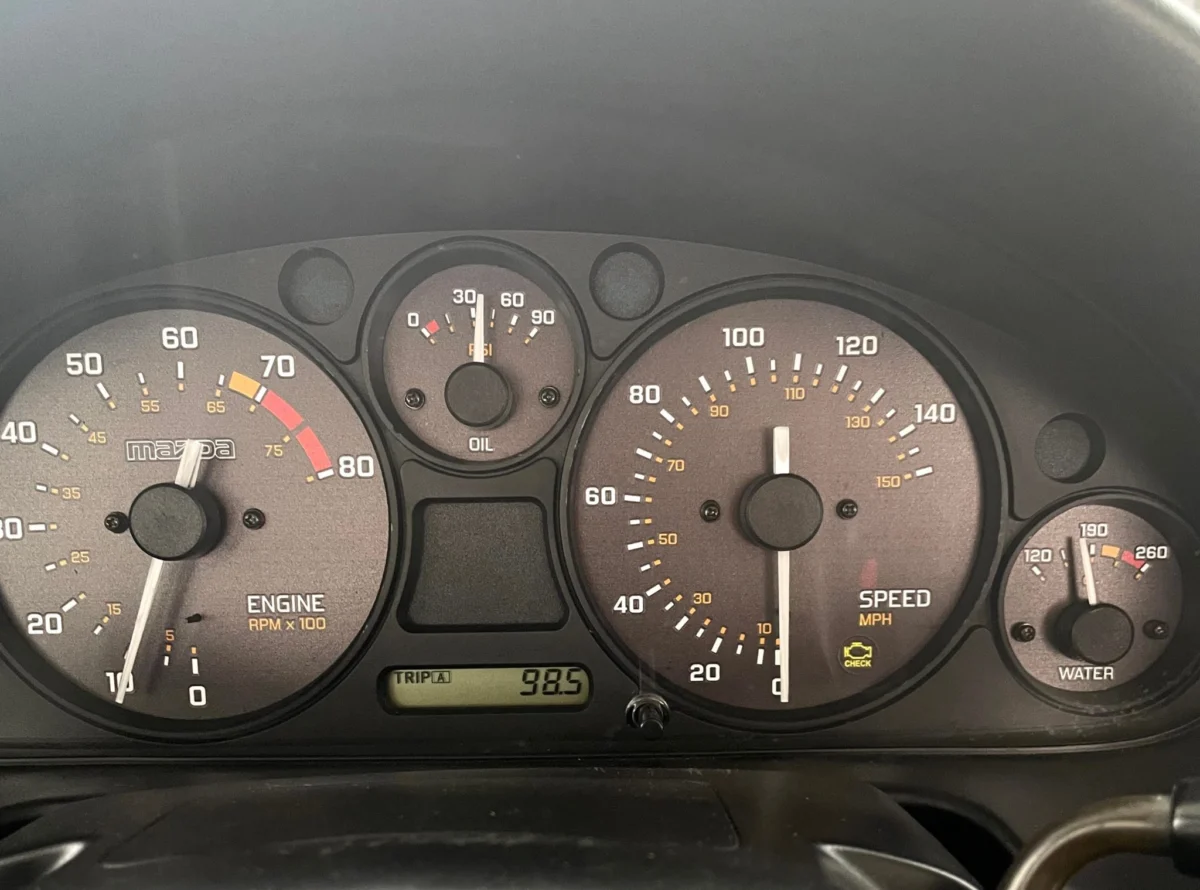
The second-generation Mazda MX-5, known internally as the NB, remains a cornerstone of the global enthusiast community, yet its aging factory instrumentation presents significant hurdles for drivers focused on high-performance metrics and track-day reliability. As these vehicles transition from budget-friendly roadsters to sophisticated "restomod" projects, the demand for precise engine monitoring has led to a paradigm shift in interior design. This evolution highlights a move away from intrusive, visibility-hindering auxiliary gauges toward seamless, integrated digital solutions that maintain the vehicle’s classic aesthetic while providing modern data fidelity.
The Technical Limitations of OEM NB Miata Instrumentation
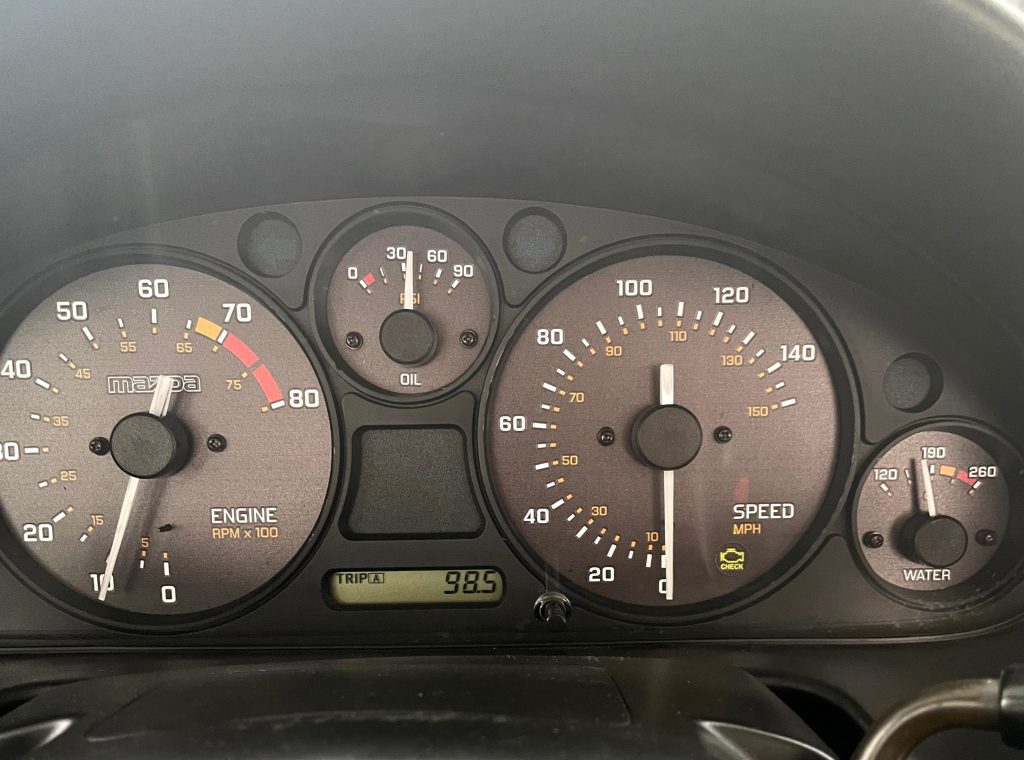
To understand the necessity of aftermarket intervention, one must examine the engineering choices Mazda made during the NB’s production run from 1998 to 2005. Unlike the early "NA6" (1990–1993) models, which featured a linear, functioning oil pressure gauge, the NB moved toward a "dummy" gauge system. This system functions essentially as a binary switch; once the engine reaches approximately 7 to 12 PSI of oil pressure, the needle moves to a fixed middle position and remains static regardless of RPM or temperature. For the performance driver, this is a critical failure point, as the gauge provides no warning of a gradual pressure drop until catastrophic engine failure is imminent.
Similarly, the factory coolant temperature gauge is heavily damped. It is designed to sit in a "normal" horizontal position across a wide thermal range—typically between 165°F and 210°F. By the time the needle begins to move toward the red zone, the engine has often already exceeded safe operating temperatures. For owners participating in autocross or track days, where heat soak and oil thinning are constant threats, these factory gauges are more ornamental than functional.
Chronology of Cockpit Modification: From Pillar Pods to Integrated Displays
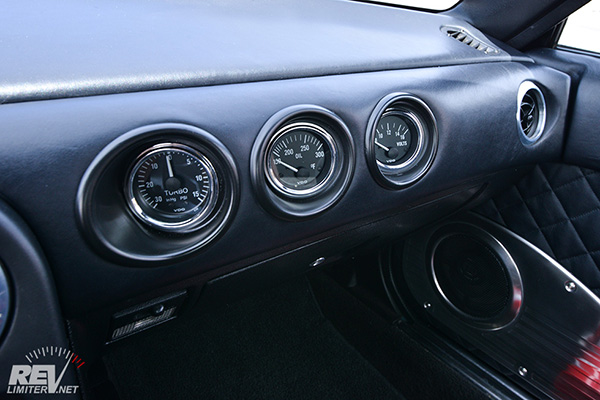
The pursuit of better data often begins with the installation of universal gauge pods. A common initial step for many Miata owners involves the fitment of a triple-gauge A-pillar pod. This configuration typically houses critical sensors such as boost/vacuum, oil temperature, and real-time oil pressure. While effective at relaying data, this setup introduces several ergonomic and safety compromises.
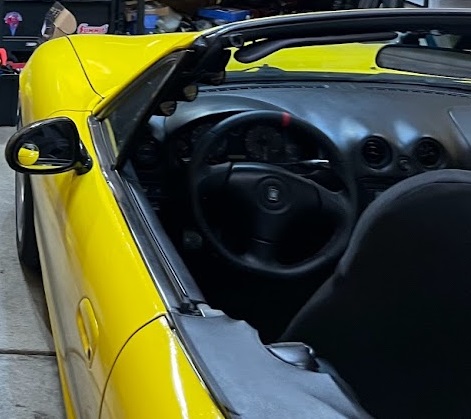
In the tight confines of a Miata cockpit, an A-pillar pod significantly increases the forward-left blind spot. During high-stakes maneuvers, such as those found in tight autocross courses or technical track sections, this obstruction can hinder a driver’s ability to hit apexes or anticipate hazards. Furthermore, the aesthetic of the A-pillar pod often clashes with the OEM interior, requiring messy wiring harnesses and often resulting in poor fitment where the aftermarket plastic meets the factory trim.
The secondary stage of evolution involves vent-mounted gauges. While these utilize existing 52mm apertures in the dashboard, they sacrifice climate control functionality—a significant drawback for vehicles used in regions with extreme temperatures. This history of trial and error in the community has paved the way for the "integrated cluster" movement, which seeks to place high-fidelity digital displays directly within the driver’s primary line of sight without altering the vehicle’s structural ergonomics.
Technical Specifications of the CANchecked MFA 2.0 Ecosystem
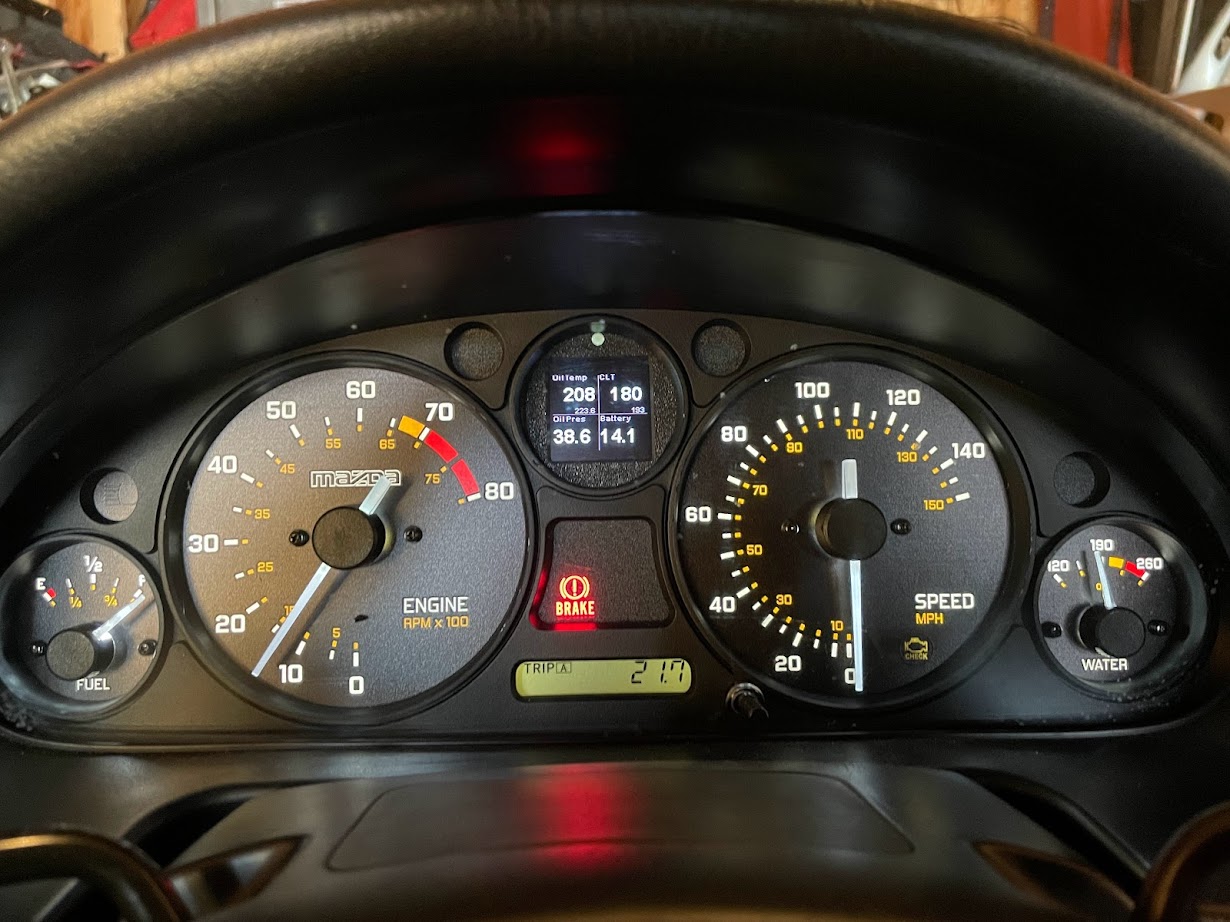
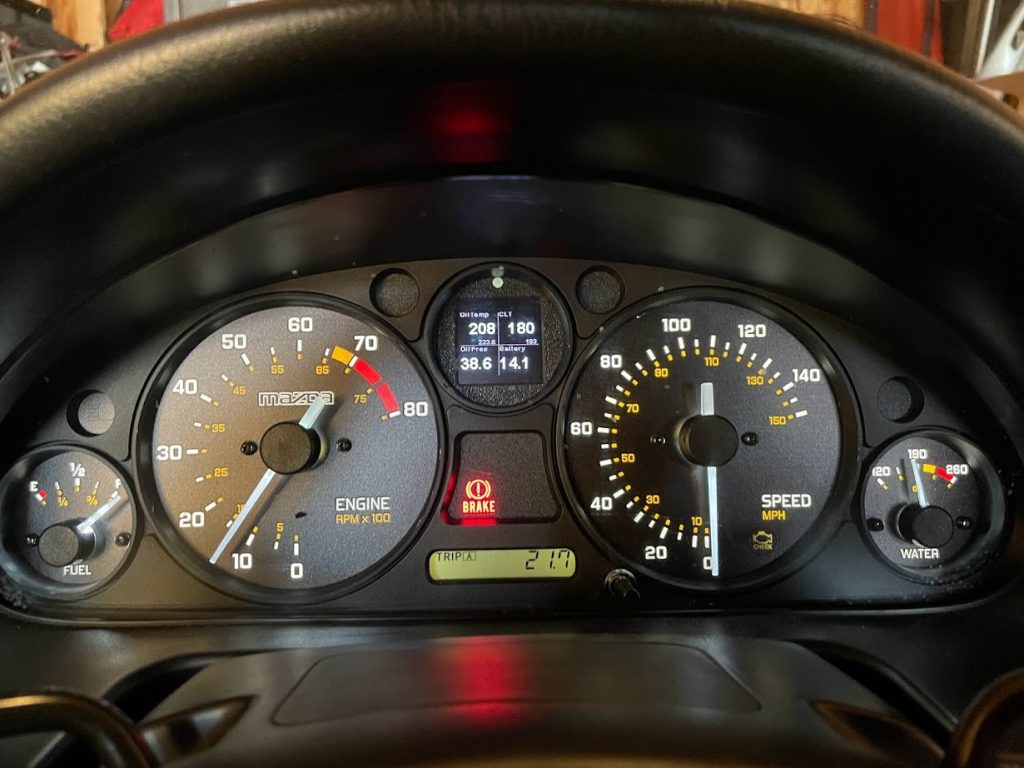
The emergence of the CANchecked MFA 2.0 multifunction display represents a significant technological leap for the NB platform. Designed to replace the non-functional factory oil pressure gauge, this 2-inch OLED/LCD display integrates directly into the instrument cluster. The hardware is designed to screw into the factory mounting points, creating a factory-installed appearance while offering a depth of data previously reserved for high-end racing telemetry systems.
The MFA 2.0 operates on two primary data acquisition tiers:
-
CAN Bus Integration: Because the factory NB ECU does not output a standardized CAN bus protocol, this solution is primarily aimed at users with standalone engine management systems, such as the Megasquirt MS3 or Haltech Elite series. Through a two-wire connection, the display can pull any parameter recognized by the ECU—including Intake Air Temperature (IAT), Ignition Timing, Fuel Trim, and Ethanol Content—and display up to six parameters simultaneously across multiple customizable screens.
-
Analog Expansion: For users requiring data not currently routed through the ECU, the CANchecked unit features four dedicated analog inputs. These allow for the direct wiring of 0-5V sensors, such as high-accuracy Honeywell pressure transducers or NTC temperature sensors. This dual-input capability allows the driver to monitor both digital ECU data and raw analog sensor data on a single, centralized screen.
However, the technology is not without its limitations. In open-top vehicles like the Miata, screen legibility in direct sunlight remains a challenge. The CANchecked unit, while high-contrast, can struggle with glare when the convertible top is down, a factor that has led some users to explore anti-reflective film applications or custom 3D-printed hoods for the cluster.
Aesthetic Modernization: The Role of RevLimiter Instrumentation
While digital displays solve the problem of data accuracy, they can create a visual disconnect with the remaining analog gauges (the tachometer, speedometer, and fuel gauge). To harmonize the cockpit, many enthusiasts turn to specialized manufacturers like RevLimiter.
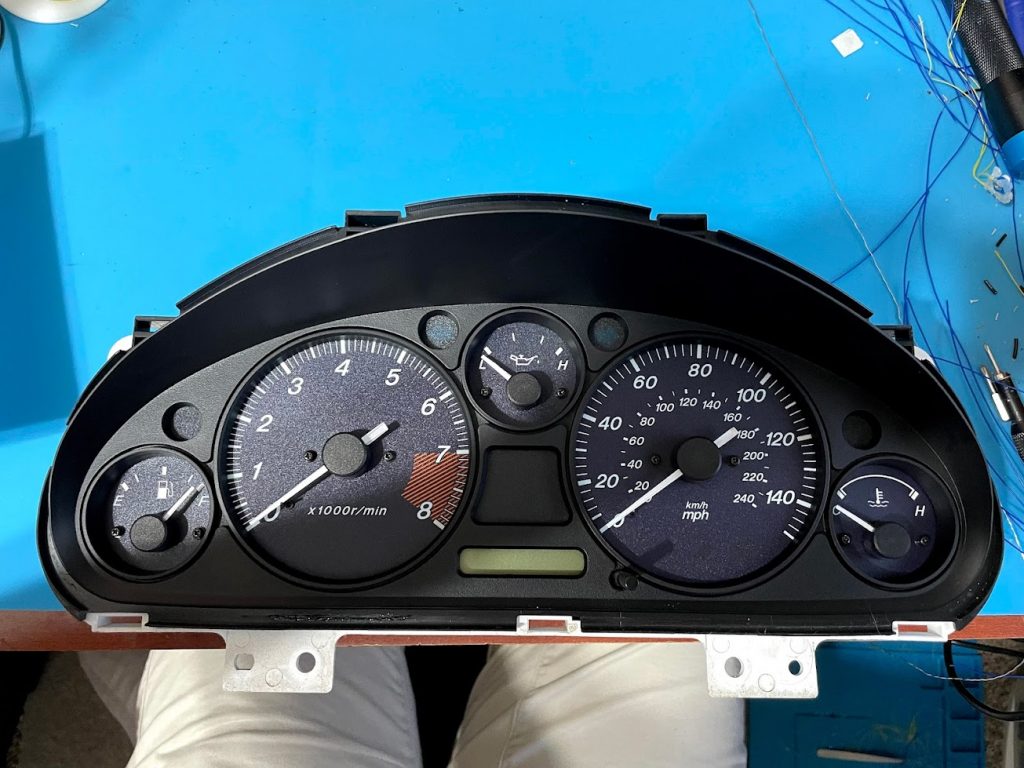
RevLimiter gauge faces are engineered from high-grade polycarbonate, utilizing a multi-layer printing process that ensures OEM-level light diffusion. The "JNC" (Japanese Nostalgic Car) design series, for example, draws inspiration from 1960s and 70s GT cars, offering a clean, minimalist aesthetic that removes the dated 1990s "green-glow" lighting in favor of modern white LED backlighting.
The installation of these faces requires the delicate removal of the gauge needles and the recalibration of the stepper motors. When paired with a digital display like the CANchecked unit, the result is a "hybrid" cluster. This setup provides the tactile, nostalgic feel of an analog tachometer with the surgical precision of a digital oil and temperature monitor, effectively bridging the gap between classic automotive design and modern telemetry.
Market Context and Community Reception
The shift toward high-end, integrated cockpit solutions reflects a broader trend in the automotive aftermarket: the "Quality over Quantity" movement. While a triple-gauge pillar pod can be assembled for under $200, a CANchecked and RevLimiter hybrid cluster can easily exceed $600 to $800 depending on sensor selection and ECU requirements.
Despite the higher entry price, the market response has been overwhelmingly positive. Vendors like BOFI Racing in the UK and various US-based Miata specialists report consistent demand for integrated solutions. Community feedback indicates that the primary drivers for this investment are safety (removing blind spots), interior cleanliness, and the resale value associated with "OEM-plus" modifications. Inferred statements from industry experts suggest that as the Miata continues to appreciate in value, reversible, high-quality modifications that do not require cutting the dashboard are becoming the preferred standard for serious builders.
Broader Impact and the Future of Data Acquisition
The integration of digital displays into classic clusters is merely the precursor to a more data-driven era of enthusiast driving. The next logical step for many NB owners is the implementation of professional-grade data loggers, such as the RaceCapture Pro system. These devices expand beyond engine vitals to include chassis dynamics, utilizing high-frequency GPS (25Hz+) and internal accelerometers to map G-forces, braking points, and cornering speeds.
The ultimate goal for the modern Miata owner is the "Transparent Vehicle"—a state where every input, from brake pressure to throttle position and tire temperature, is recorded and analyzed. This move toward data-heavy cockpits signifies a change in the hobbyist’s mindset; the focus has shifted from merely making the car "faster" through horsepower to making the driver "better" through empirical evidence.
In conclusion, the evolution of the NB Miata’s instrumentation from basic, damped analog needles to sophisticated, CAN-integrated digital displays represents a significant milestone in the platform’s history. By addressing the inherent weaknesses of the factory gauges while respecting the vehicle’s original design language, owners are creating a more capable, safer, and more informed driving experience. As the technology continues to mature and become more accessible, the hybrid analog-digital cockpit is likely to become the gold standard for the next generation of sports car enthusiasts.