Retno Hari Mulyono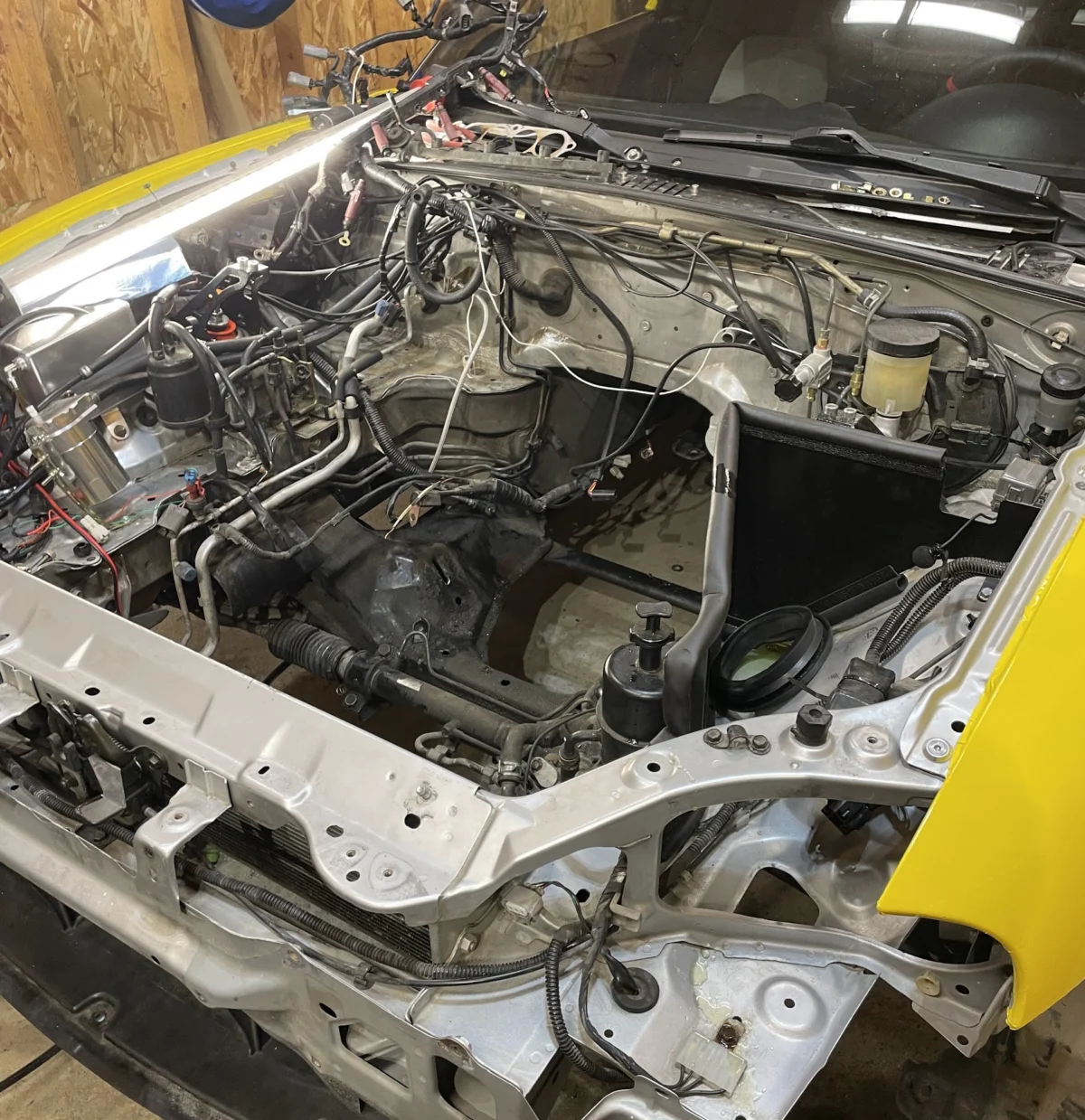
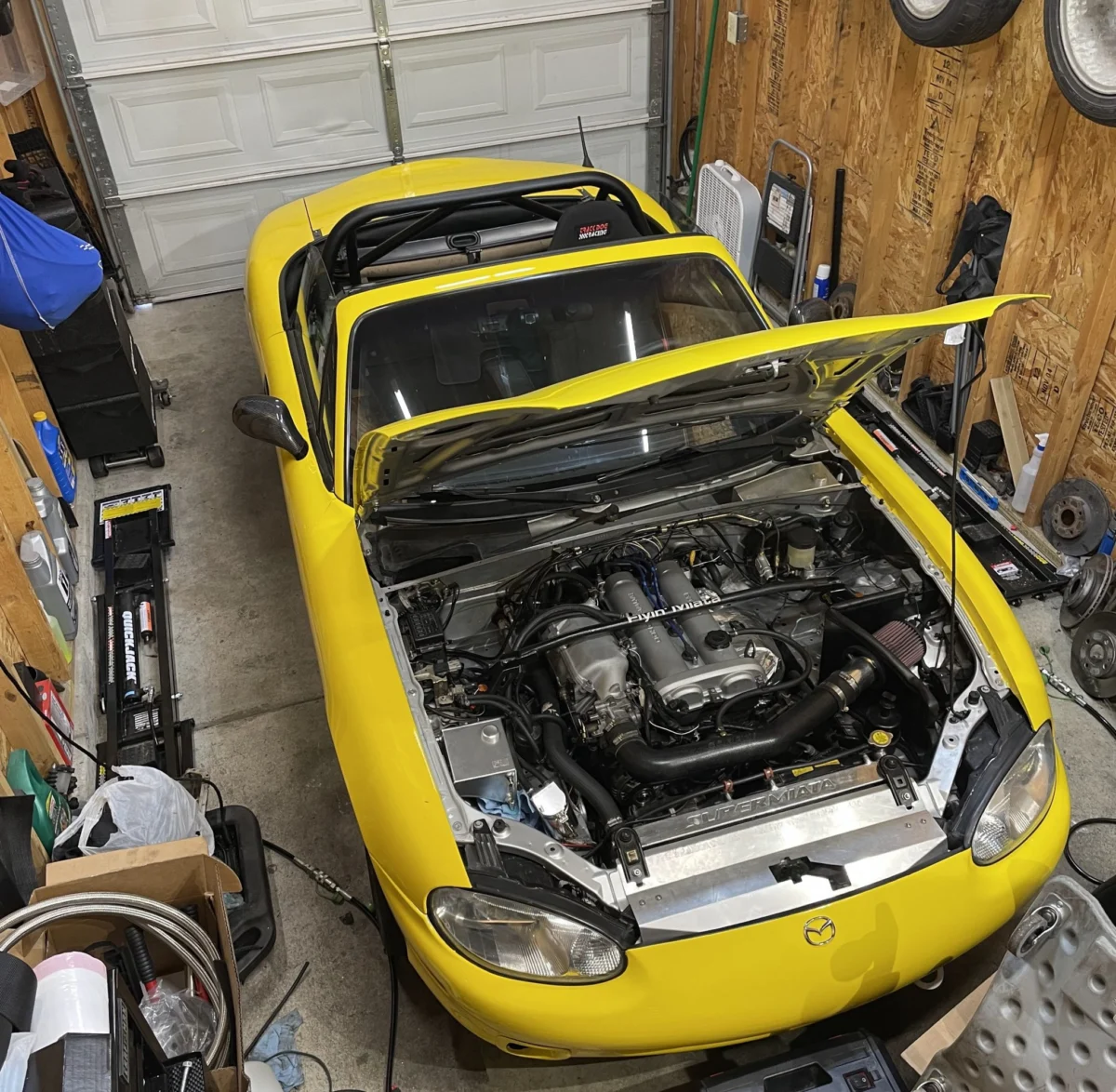
The second-generation Mazda MX-5, known internally as the NB platform, remains a cornerstone of the global amateur motorsports and enthusiast community due to its balanced chassis and the robust nature of its BP-series powerplants. However, as these vehicles age, they frequently require comprehensive mechanical intervention to address systemic oil leaks and cooling inefficiencies inherent in their original design. A recent technical overhaul of a 2000 model year NB Miata highlights the logistical advantages of a full engine extraction to facilitate simultaneous repairs and performance upgrades, ranging from drivetrain reinforcement to thermal management optimization. By consolidating these tasks into a single winter maintenance window, technicians can address lingering reliability issues that would otherwise necessitate multiple, redundant teardowns of the vehicle’s front end and transmission tunnel.
Technical Rationale for Engine Extraction
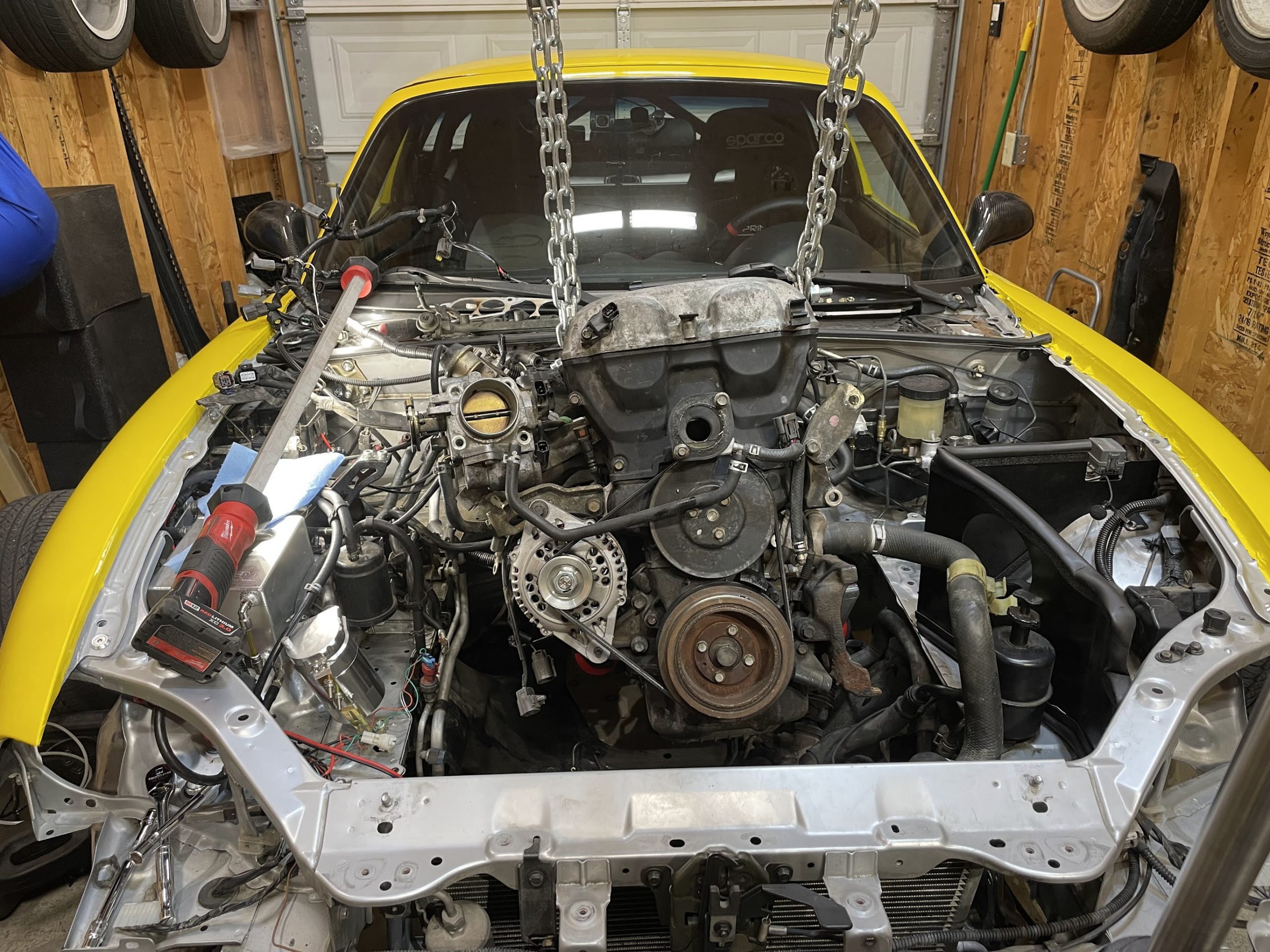
The decision to remove an engine from a vehicle is rarely taken lightly, as it involves the disconnection of the primary wiring harness, fuel lines, cooling system, and drivetrain components. In the case of the NB Miata, the primary catalyst for extraction is often the accumulation of several minor issues that, when addressed individually, require significant labor overlap. For the 2000 model year vehicle in question, the confluence of a failing rear main seal, a stripped oil pan drain plug, and the desire for a comprehensive cooling system reroute made the "engine-out" approach the most efficient path forward.
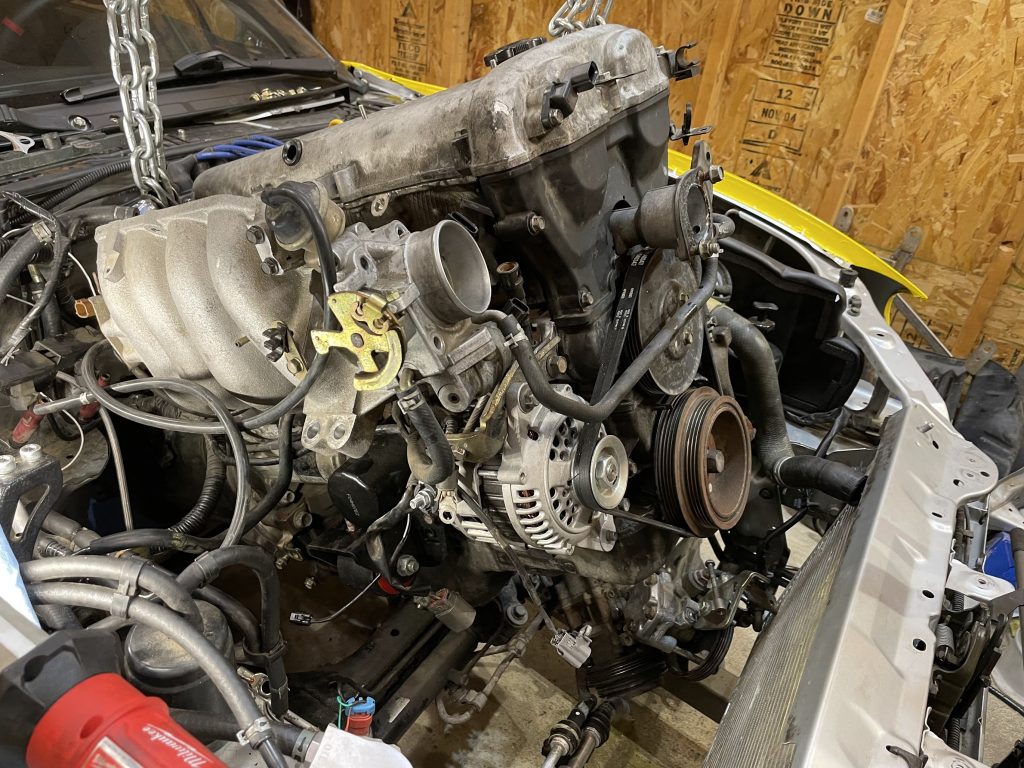
From a logistical standpoint, removing the engine and transmission as a single unit—a common practice among Miata specialists—provides unrestricted access to the rear of the engine block and the transmission input shaft. While the removal process is relatively straightforward for a single technician equipped with a standard engine hoist, the reinstallation phase requires precise alignment of the engine mounts to the subframe. This procedure is critical to ensuring that the drivetrain sits level, preventing premature wear on the power plant frame (PPF) and ensuring proper shifter alignment within the cabin.
Addressing Systemic Oil Leaks and Seal Integrity
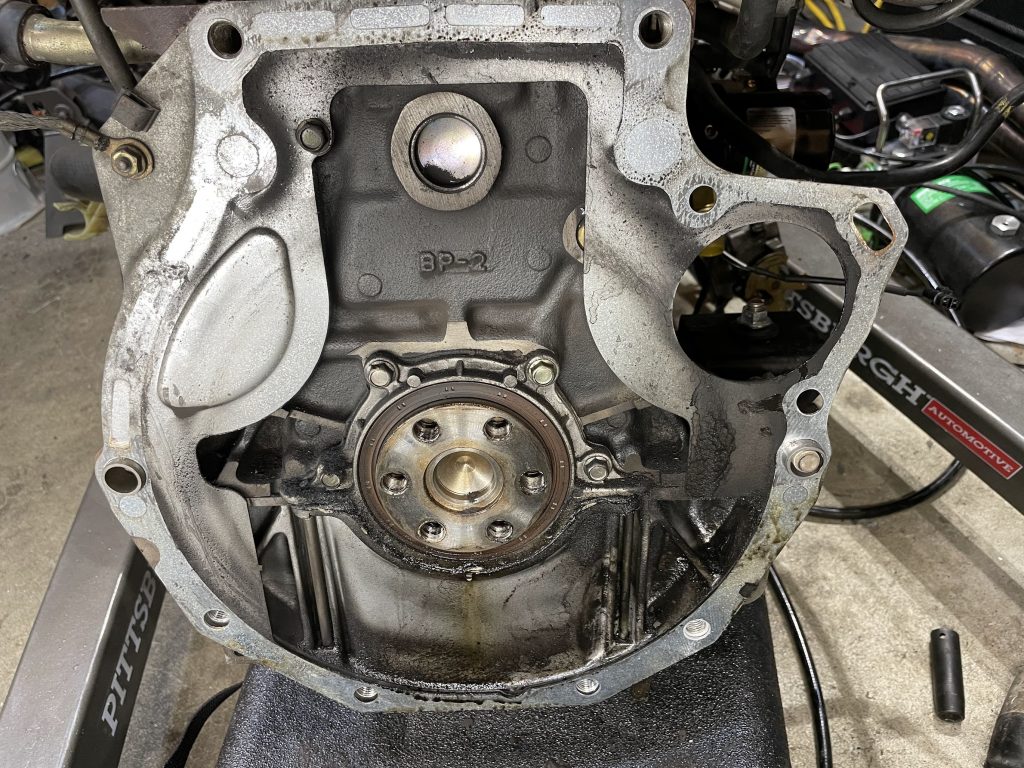
The Mazda B-series engine, while celebrated for its durability, is frequently criticized for its tendency to develop oil leaks as gaskets and seals reach the end of their service life. This characteristic is often jokingly compared to the vintage British roadsters that inspired the Miata’s original design. The most significant of these leaks typically occurs at the rear main seal, located behind the flywheel. A failure here can lead to oil contaminating the clutch friction surface, resulting in slippage and eventual drivetrain failure.
During the documented overhaul, the technician replaced not only the rear main seal but also the transmission input and output shaft seals. To ensure the longevity of the repair, a specialized seal installer tool from Flyin’ Miata was utilized. Such precision tools are considered essential in the enthusiast community, as they ensure the seal is seated at the exact depth required to prevent future weeping. Furthermore, the scope of the sealing work extended to the oil pan, the valve cover, and the front-end seals, creating a comprehensive barrier against fluid loss.
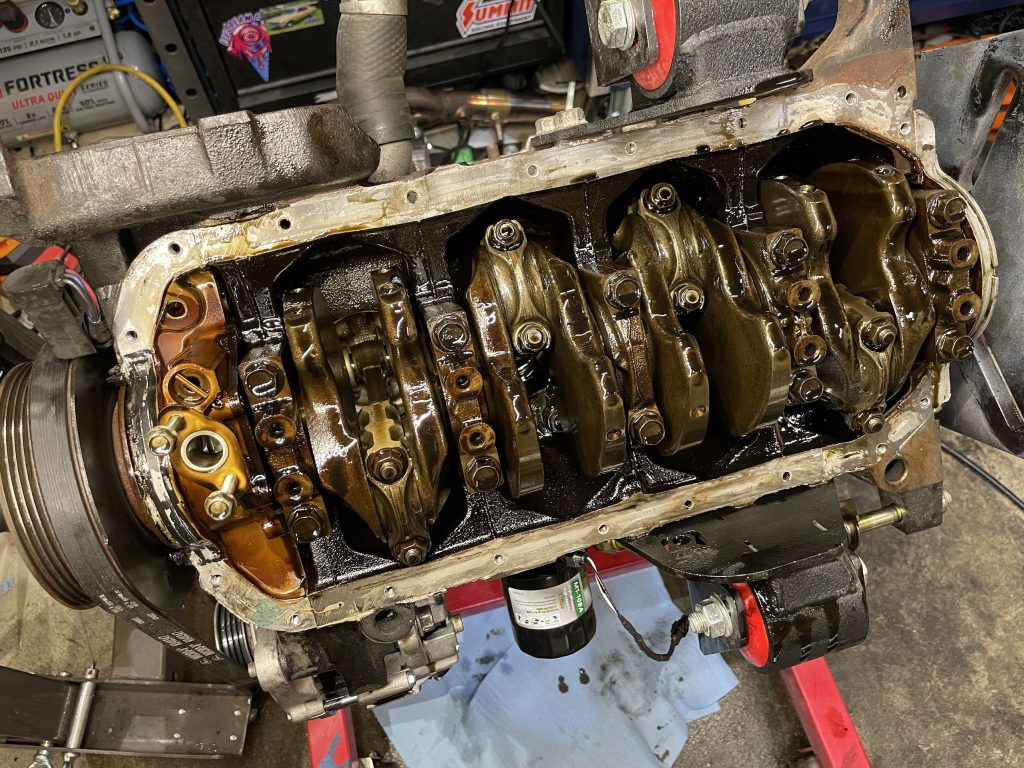
The oil pan replacement, in particular, presented a significant technical challenge. The Miata’s oil pan utilizes a baffle plate sandwiched between the engine block and the pan itself, secured by Room Temperature Vulcanizing (RTV) silicone. The complexity of this three-layer interface—block, baffle, and pan—requires careful separation to avoid bending the thin metal baffle or damaging the oil pickup tube. The replacement of a stripped oil pan with a verified OEM unit restored the integrity of the oil change system, eliminating the need for temporary conical drain plugs.
Drivetrain Enhancements: Clutch and Flywheel Optimization
With the engine removed, the opportunity to upgrade the vehicle’s rotational mass and torque capacity becomes highly cost-effective. The project involved the installation of a Supermiata Sport Clutch and a 9lb lightweight aluminum flywheel. The factory NB Miata flywheel is significantly heavier, designed to provide a smooth, dampened driving experience for the average consumer. However, for performance applications, a lighter flywheel reduces the rotational inertia of the engine, allowing for more rapid revolutions and facilitating smoother rev-matching during downshifts.
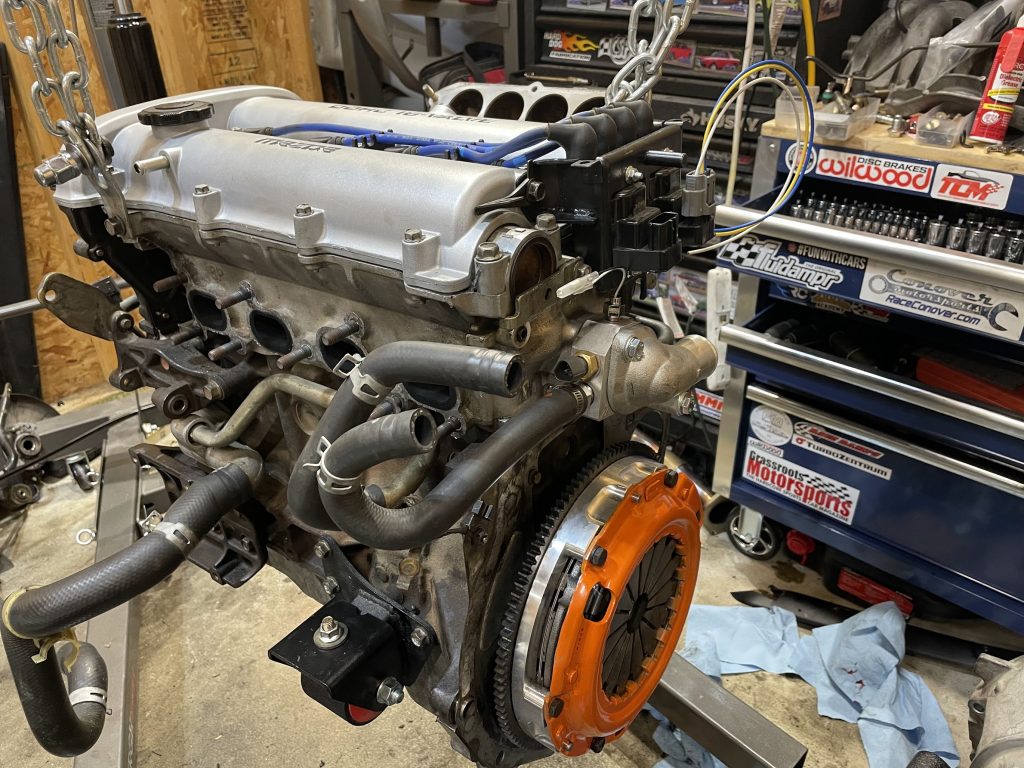
The Supermiata Sport Clutch was selected for its ability to balance daily drivability with increased torque capacity. Featuring an organic friction material, the clutch maintains a pedal feel similar to the original equipment manufacturer (OEM) specifications while being rated to handle power levels far exceeding the limits of the standard five-speed manual transmission. Initial testing of the new drivetrain components revealed a brief break-in period characterized by a low release point and distinct thermal odors, a common occurrence as the friction surfaces mate and manufacturing residues burn off.
Thermal Management and the Coolant Reroute Strategy
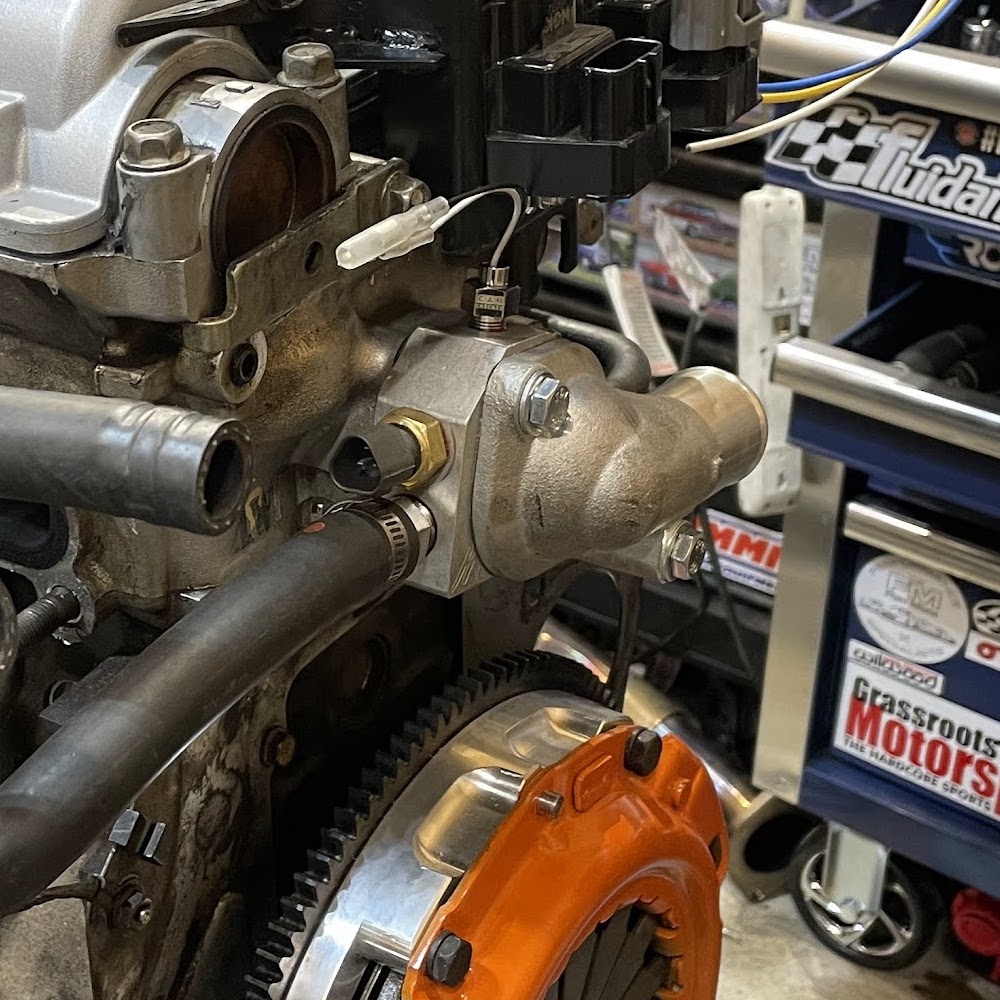
Perhaps the most critical performance modification performed was the installation of a coolant reroute kit. The Mazda B6 and BP engines were originally engineered for transverse mounting in front-wheel-drive vehicles, such as the Mazda 323. In that configuration, coolant entered one side of the head and exited the other, ensuring even thermal distribution across all four cylinders. When Mazda adapted the engine for the rear-wheel-drive Miata, they moved the thermostat housing to the front of the engine for easier serviceability. This resulted in a "dead end" for coolant flow at the rear of the engine, causing cylinders three and four to run significantly hotter than cylinders one and two.
To rectify this design compromise, a Hawley Performance coolant reroute kit was installed. By moving the thermostat to the back of the cylinder head, the system forces coolant to flow through the entire length of the engine before returning to the radiator. While this modification is notoriously difficult to perform with the engine in the car due to the minimal clearance between the cylinder head and the firewall, the engine-out status of this project allowed for a seamless installation. Data collected post-installation indicated a measurable decrease in both coolant and oil temperatures, although the technician noted that the altered cooling path made the system more difficult to bleed, requiring specialized "spill-proof" funnel equipment to evacuate trapped air.
Induction System Upgrades: The "Flattop" Manifold
The 2000 model year Miata originally featured the Variable Inertial Charging System (VICS), which uses a set of butterflies in the intake manifold to adjust the effective runner length, optimizing torque at different RPM ranges. While effective for a street-legal vehicle, the VICS system adds mechanical complexity and can become a point of failure in high-vibration track environments.
In its place, a European/Japanese Domestic Market (EUDM/JDM) "Flattop" intake manifold was installed. This manifold, which was never offered on North American models, is highly sought after by racers for its superior high-RPM flow characteristics and simplified design. By removing the VICS butterflies, the technician eliminated the need for electronic solenoid control via the ECU, streamlining the engine bay and focusing the power band on the upper registers most frequently used during competitive driving. To maintain aesthetic standards, both the intake manifold and the valve cover were refinished in an OEM-style aluminum paint, providing a "factory-fresh" appearance that resists the visibility of minor chips and scratches.
Post-Installation Analysis and Long-Term Implications
Following the reinstallation of the powertrain and approximately 500 miles of road testing, the project reached a critical evaluation phase. Despite the comprehensive nature of the seals replaced, a minor oil leak was detected at the rear of the engine. Such occurrences highlight the persistent challenges of vintage vehicle maintenance; potential sources include a microscopic crack in the oil pan flange or a slight misalignment of the rear main seal during installation.
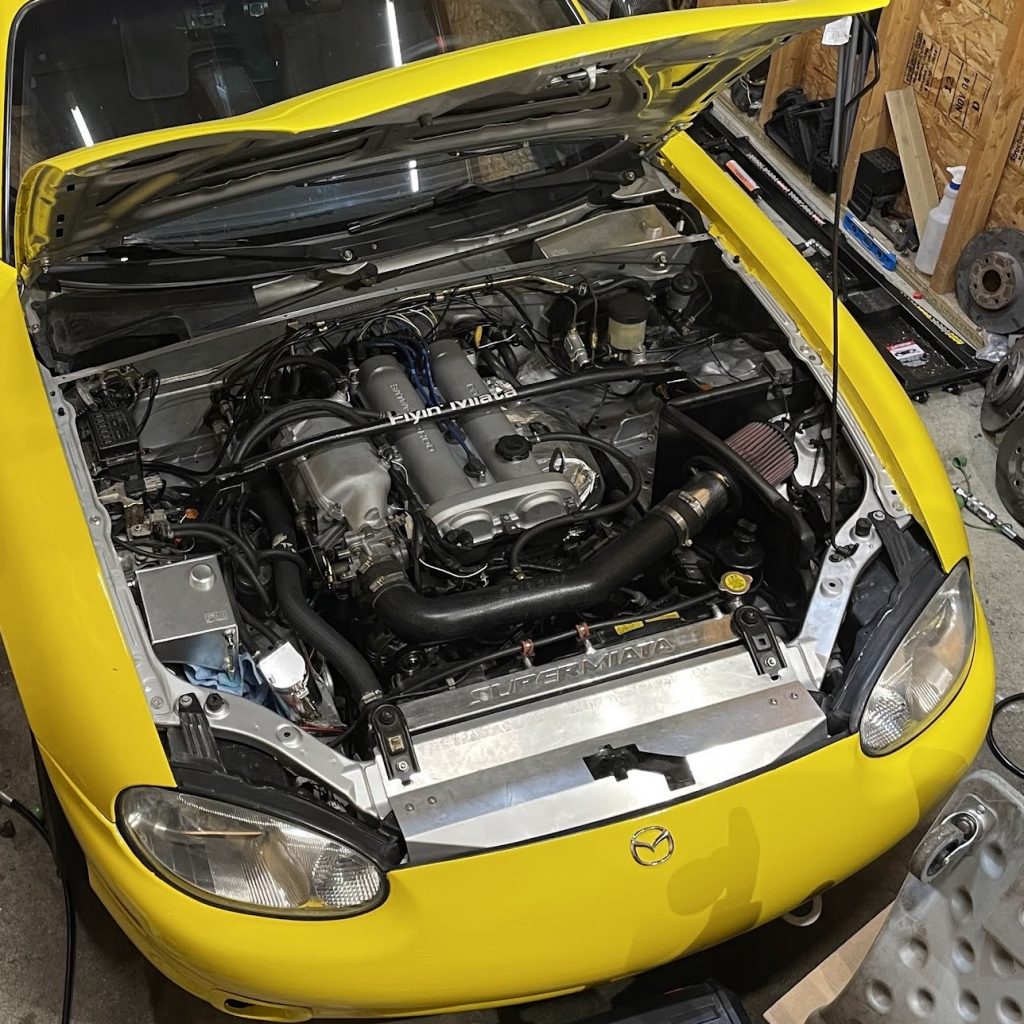
To mitigate the risk of future downtime, the project lead has secured a secondary BP4W engine from a specialized importer in the United Kingdom. This "spare engine" strategy is common among serious enthusiasts, allowing for one engine to be fully blueprinted and rebuilt on a stand while the vehicle remains operational. This proactive approach ensures that the vehicle can be returned to peak performance with minimal delay should the current leak exacerbate.
The broader implications of this project underscore the evolution of the MX-5 from a simple convertible to a sophisticated platform for technical experimentation. The integration of modern aftermarket solutions—such as high-flow manifolds, lightweight drivetrain components, and corrected cooling geometries—allows these twenty-year-old vehicles to remain competitive and reliable in modern automotive contexts. As the availability of clean NB-generation chassis decreases, the importance of such comprehensive, documented maintenance cycles only increases, preserving the legacy of one of the world’s most popular sports cars.