Chalid Lutfie
The Genesis of the SOUNDSHOCK Project
The origins of the SOUNDSHOCK series are rooted in the intersection of childhood nostalgia and the technical subcultures of the early 21st century. In 2010, C-jeff, the founder of the Ubiktune label, approached the artist zinger with the intent of producing a solo album. However, zinger proposed an alternative vision: a compilation project that would unify the disparate elements of the FM music scene. This vision was heavily influenced by the aesthetic signatures of 16-bit gaming, specifically titles released for the Sega Mega Drive such as Golden Axe II and Sonic the Hedgehog.
Zinger’s trajectory into the professional music scene followed a decade and a half of immersion in the tracker and demo scenes. His personal obsession with Japanese computer aesthetics—ranging from the hardware architectures of the NEC PC-88 and PC-98 to the FM synthesizers found in Sharp X68000 systems—served as the catalyst for a series that sought to explore the depths of these niche digital environments. The resulting project was not merely a collection of tracks but a deliberate effort to cultivate a sense of community among international artists who shared a fascination with obsolete but highly versatile sound chips.
The Role of the SOUNDSHOCK Forums and Technical Community
Prior to the release of the first album, the groundwork for the series was laid in 2007 with the establishment of the SOUNDSHOCK Forums. This digital hub served as a repository for technical knowledge concerning FM synthesis, sound programming, and music sharing. At a time when FM synthesis was often overshadowed by sample-based production, the forum provided a specialized space for enthusiasts to discuss the intricacies of Yamaha’s OPL and OPN chip families.
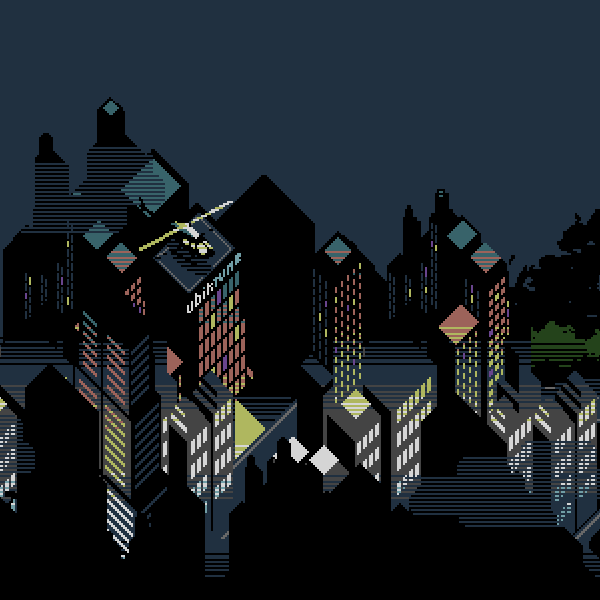
The forums acted as a bridge between Western composers and Japanese legends. Zinger recounts that the initial lack of a common language was often bypassed through the shared vocabulary of game titles and composer names. This cultural exchange allowed Western artists to gain insights into the Japanese "game center" culture and the legacy of composers like Ryu Takami and Keishi Yonao. Conversely, Japanese artists were introduced to the Western European demoscene, a culture centered around pushing computer hardware to its mathematical and artistic limits. The SOUNDSHOCK series eventually became the physical manifestation of this exchange, featuring a roster that included both established Japanese composers like Utabi and Shogun alongside Western counterparts such as Zabutom and Metal.
Technical Context: The Science of Frequency Modulation
To understand the significance of the SOUNDSHOCK series, one must consider the technical nature of FM synthesis. Unlike subtractive synthesis, which removes harmonics from a complex waveform, or additive synthesis, which builds sounds from sine waves, FM synthesis involves modulating the frequency of one waveform (the carrier) with another (the modulator).
This method, famously pioneered by John Chowning at Stanford University and later commercialized by Yamaha, allowed for the creation of complex, harmonically rich sounds—such as metallic bells, sharp brass, and deep, "slapping" basslines—using very little memory. The Yamaha YM2612 chip, found in the Sega Mega Drive, and the YM2151, common in arcade boards and the Sharp X68000, became the primary tools for the SOUNDSHOCK contributors. The series highlights the transition from using this hardware in its original context to employing modern tools such as Music Macro Language (MML) and specialized trackers like VGM Music Maker and RADTracker.
Perspectives from the Contributors: Methodology and Discovery
The SOUNDSHOCK series is characterized by the diverse methodologies of its participants, many of whom were recruited directly from the online forum community. These artists represent a spectrum of approaches to FM synthesis, from strict hardware adherence to modern software-driven experimentation.

Boomlinde: The Intuitive Programmer
The artist known as boomlinde entered the FM scene through early IBM PC soundcards. His fascination with the idea of a "synthesizer on a chip" led him to collect hardware and eventually develop his own FM software synthesizers. In his contribution to the series, boomlinde utilized a trial-and-error approach common in the tracker community. By programming an electric bass patch in VGM Music Maker, he built a composition where the lead melody implies complex harmonies that are not explicitly stated by the bassline. His process emphasizes the "distant point of view" achieved by letting a composition rest before final adjustments, a practice that mirrors traditional studio production despite the digital constraints.
Extent of the Jam: Bridging the Micromusic Gap
For the artist Extent of the Jam, the discovery of the SOUNDSHOCK forums was a turning point in a career that began in the late 1990s. Initially feeling isolated in his interest in FM sound—at a time when sample-based chiptune was the dominant trend—he found a sense of validation within the community. He noted that the forum successfully unified the chiptune and micromusic scenes, creating a global network of "FM fanatics." His work often reflects the technical transition from RADTracker to more modern environments, maintaining the "rock" energy that characterized the 16-bit era.
Simon Stålenhag and the Discovery of "Bomb Boy"
Simon Stålenhag, now widely recognized for his narrative art and the Tales from the Loop series, was a key figure in the 2011 era of the project. While working as a game designer, Stålenhag discovered the work of his colleague, Mattis (known as Bomb Boy). This discovery led to the inclusion of Mattis in the FM FUNK MADDNESS compilation. Stålenhag’s account provides a glimpse into the creative process of "musical mutants"—artists who possess an innate ability to visualize complex compositions without the aid of traditional instruments. Mattis’s method involved "painstakingly" placing notes with a mouse cursor to match a high-definition mental image of the song, a testament to the precision required in FM programming.
Chronology of the SOUNDSHOCK Evolution
The timeline of the project reflects the broader trends in the retro-computing and indie music sectors:

- 2007: Launch of the SOUNDSHOCK Forums, establishing a technical base for FM synthesis enthusiasts.
- 2010: Formal partnership between zinger and Ubiktune. The project shifts from a solo endeavor to a compilation series.
- 2011: Expansion of the roster. The discovery of artists like Bomb Boy and the release of FM FUNK MADDNESS solidify the project’s reputation for high-energy, technically proficient FM music.
- 2012–2016: Continued collaboration between Western and Japanese artists, resulting in multiple volumes that explore different sub-genres of FM synthesis, from jazz-fusion to industrial.
- 2017: A retrospective analysis of the series’ impact, highlighting the sense of community and the preservation of digital aesthetics.
Broader Impact and Industry Implications
The SOUNDSHOCK series has had a measurable impact on the modern independent gaming industry and the electronic music scene at large. By providing a platform for FM synthesis, the project helped revive interest in a sound palette that had been largely abandoned in the late 1990s in favor of CD-quality audio and orchestral scores.
The influence of the series can be seen in the soundtracks of modern "retro-style" games, where developers often seek out SOUNDSHOCK alumni to provide authentic FM scores. Furthermore, the project demonstrated the viability of international, community-driven music labels. Ubiktune’s model of high-quality, curated compilations served as a blueprint for other netlabels and collectives.
The series also serves as an informal archive of digital culture. By bringing together the European demoscene and Japanese computer music, it preserved technical secrets and compositional styles that might otherwise have been lost to time. The "East meets West" aspect of the project proved that niche technical interests could transcend linguistic and geographical barriers, creating a unified global aesthetic.
Conclusion and Future Outlook
As the SOUNDSHOCK series continues to be a point of reference for FM synthesis enthusiasts, its legacy remains tied to the concept of "FM Funk Nirvana"—a state where technical mastery meets creative exhilaration. The series stands as a testament to the enduring appeal of 1980s hardware and the power of digital communities to preserve and evolve specific artistic niches. While the technology behind these sounds is decades old, the innovative applications showcased in the SOUNDSHOCK albums suggest that the potential of Frequency Modulation is far from exhausted. The ongoing efforts of zinger, Ubiktune, and their global network of artists ensure that the "shock" of FM synthesis will continue to resonate in the modern era.