Chalid Lutfie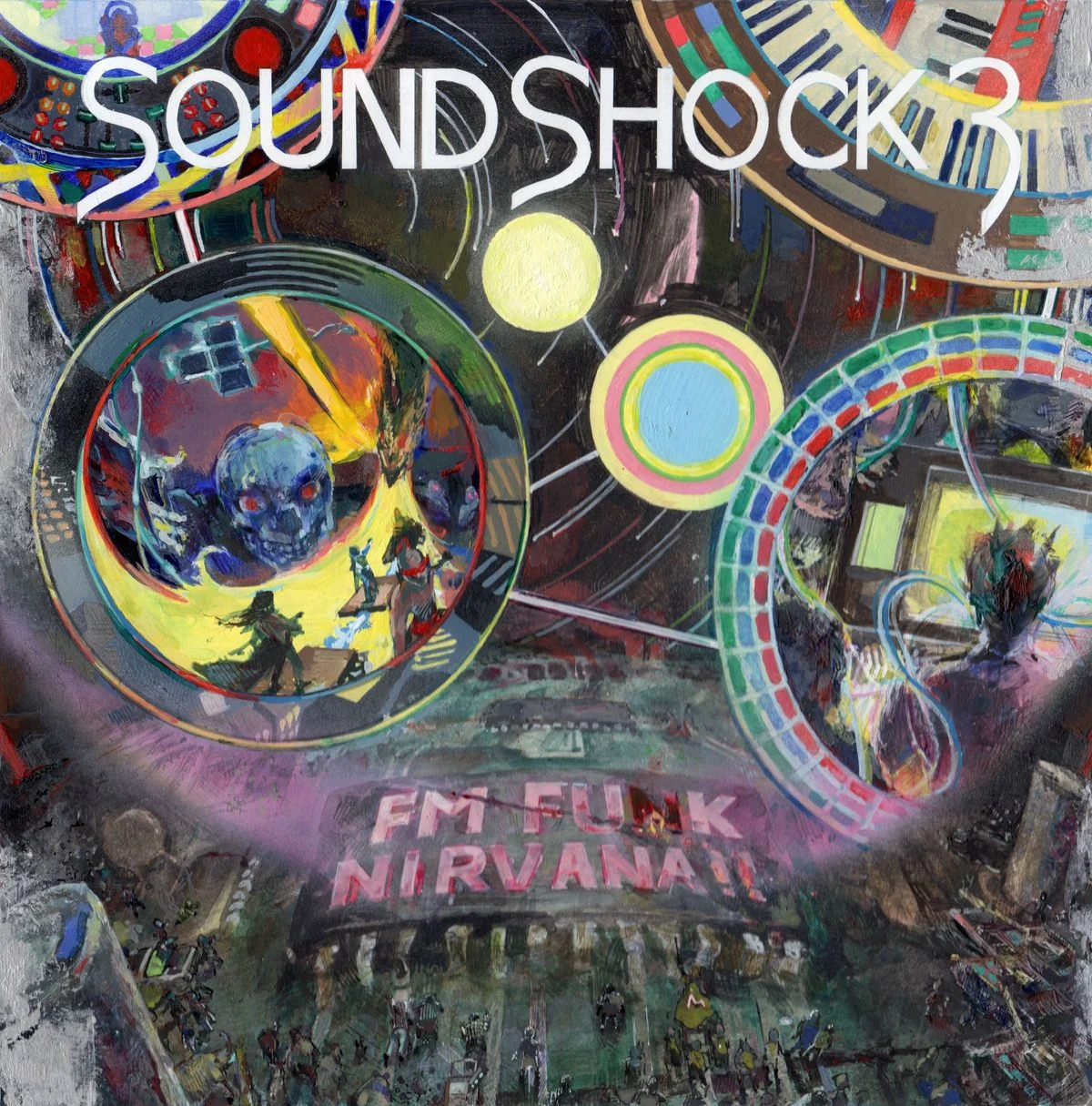
The release of SOUNDSHOCK 3: FM FUNK NIRVANA!! marks a significant milestone in the preservation and modernization of frequency modulation (FM) synthesis music, concluding a journey that began in 2010 through a collaboration between the artist known as zinger and the independent record label Ubiktune. Originally conceived as a potential solo project, the initiative evolved into an ambitious compilation series that bridges the gap between the Western computer demoscene and the Japanese video game music (VGM) industry. Under the direction of Stefan Brückmann, widely known in the scene as zinger, the project has transitioned from a niche archival interest into a definitive contemporary showcase for the capabilities of vintage Yamaha sound chips and their modern emulations.
The Genesis of the SOUNDSHOCK Project and Ubiktune’s Role
The narrative of the SOUNDSHOCK series is rooted in the early 2010s, a period characterized by a resurgence of interest in 16-bit hardware aesthetics. Dmitry Zhemkov, the founder of the Ubiktune label who operates under the moniker C-jeff, initially approached Brückmann with the prospect of producing a solo album. However, Brückmann proposed a broader concept: a multi-artist compilation dedicated to the specific timbres of FM synthesis, a technology that defined the auditory landscape of the 1980s and early 1990s.
Ubiktune, established in 2006, had already positioned itself as a premier outlet for chiptune and progressive electronic music. By providing the infrastructure for the first SOUNDSHOCK release, the label facilitated a platform where technical proficiency in sound programming could be celebrated alongside traditional composition. The collaboration was driven by Brückmann’s lifelong fascination with the Sega Mega Drive (Genesis) and its internal Yamaha YM2612 sound chip, as well as the intricate soundtracks of titles like Golden Axe II and Sonic the Hedgehog. This obsession eventually expanded into the collection of Japanese hardware, including arcade cabinets and FM-capable synthesizers, setting the stage for a project that would seek to push these machines to their absolute limits.
Technological Foundations: The Legacy of FM Synthesis
To understand the impact of the SOUNDSHOCK series, one must analyze the technical constraints and possibilities of FM synthesis. Unlike subtractive synthesis, which was common in early analog synthesizers, FM synthesis generates complex waveforms by modulating the frequency of one oscillator (the modulator) with another (the carrier). This method, pioneered by John Chowning at Stanford University and later commercialized by Yamaha, allowed for the creation of metallic, percussive, and bell-like sounds that were previously difficult to achieve.
The series specifically highlights the "Golden Age" of FM, focusing on the hardware found in Japanese NEC PC-8801 and PC-9801 computers, as well as the Sharp X68000. These systems utilized various iterations of the Yamaha OPN and OPM chip families. By inviting artists to compose for these specific architectures, the SOUNDSHOCK project serves as a technical laboratory. Composers are often required to use "trackers"—software sequencers that allow for granular control over every parameter of the sound chip—to ensure that the music remains authentic to the hardware’s original specifications.
A Chronology of Cross-Cultural Collaboration
The development of the SOUNDSHOCK series reflects a broader trend of cultural exchange between Western "trackers" and Japanese "VGM" composers. Historically, these two communities operated in relative isolation. The Western demoscene—a computer art subculture focused on producing self-contained programs that generate audio and visuals—flourished on platforms like the Commodore 64 and Amiga. Meanwhile, in Japan, a robust industry grew around the composition of music for computer games and arcade hardware.
A pivotal moment in the series’ history occurred roughly a decade ago when Brückmann began establishing direct links with Japanese luminaries such as Ryu Takami and the artist known as hex125. Despite initial language barriers, these creators found common ground through a shared lexicon of game titles and hardware specifications. This networking effort eventually brought Haruhisa "hally" Tanaka into the fold. As a respected researcher and musician within the Japanese chiptune scene, Tanaka acted as a bridge, introducing Brückmann to the inner workings of the Japanese community and facilitating the inclusion of veteran industry figures.
This synergy reached a peak with the involvement of Keishi Yonao, a legendary composer known for his work on titles such as Asuka 120% and Mad Stalker. Yonao’s participation was symbolic of a reciprocal fascination; while Western artists were enamored with Japanese hardware, Japanese composers like Yonao had long admired the technical ingenuity of the Western demoscene.
Artist Roster and Global Participation
The third installment, SOUNDSHOCK 3: FM FUNK NIRVANA!!, represents the most diverse roster in the series to date. The tracklist serves as a global map of the FM synthesis revival, featuring a blend of established industry veterans and prominent figures from the netlabel scene. Key contributors include:
- Zabutom and Metal: Representing the European demoscene tradition, these artists bring a technical complexity often associated with the high-speed "arpeggio" style of Western chip music.
- Shogun and Utabi: Japanese artists who provide a bridge between contemporary electronic music and traditional FM aesthetics.
- MmcM and Megus: Prolific composers from the Russian tracker scene, known for their mastery of the ZX Spectrum and other Zilog Z80-based systems.
- Tsuyoshi Shimokura and Rufus Blacklock: Contributors who provided essential support in visual design and administrative coordination, ensuring the project met professional publication standards.
The inclusion of such varied perspectives allows the compilation to explore the "funk" aspect of FM synthesis—a genre that the Yamaha chips are particularly suited for due to their ability to produce sharp, rhythmic basslines and "slap" textures.
Supporting Data and Technical Specifications
Data gathered from the release cycles of the SOUNDSHOCK series indicates a steady growth in the complexity of the compositions. While early entries focused on the nostalgia of the 16-bit era, the later volumes have moved toward "Neo-FM," a movement where artists use modern tools to achieve sounds that were theoretically possible on old hardware but rarely realized due to the storage limitations of 1990s game cartridges.
The series utilizes a variety of sound chips, including:
- Yamaha YM2612 (OPN2): Six channels of FM, famously used in the Sega Mega Drive.
- Yamaha YM2151 (OPM): Eight channels of FM, the standard for 1980s arcade boards and the Sharp X68000.
- Yamaha YM2608 (OPNA): Found in the NEC PC-98 series, featuring six FM channels, six rhythm channels, and one ADPCM channel.
By standardizing the output to these specifications, Ubiktune ensures that the compilation maintains a cohesive "sonic identity" despite the wide variety of musical styles, ranging from jazz fusion to industrial techno.
Broader Impact and Industry Implications
The implications of the SOUNDSHOCK series extend beyond the chiptune community and into the broader music and gaming industries. As modern game developers increasingly turn to "retro" aesthetics to evoke specific emotional responses from players, the techniques preserved by the SOUNDSHOCK artists become valuable resources. The series demonstrates that FM synthesis is not merely a relic of the past but a versatile tool for contemporary sound design.
Furthermore, the project highlights the importance of independent record labels like Ubiktune in the digital age. By curating high-quality, hardware-accurate compilations, these labels act as informal archives for digital culture. The success of SOUNDSHOCK 3 suggests that there is a sustainable market for niche electronic music that prioritizes technical authenticity over mainstream trends.
From an academic perspective, the series provides a case study in "transnational fandom." The ability of individuals from disparate geographic and linguistic backgrounds to collaborate on a highly technical project based on shared aesthetic values is a testament to the power of digital communities. The "name-dropping" of composers like Yuzo Koshiro or Shinobu Ogawa serves as a universal language that facilitates professional and creative partnerships.
Conclusion and Future Outlook
As Stefan Brückmann and the Ubiktune team conclude this chapter with the release of FM FUNK NIRVANA!!, the legacy of the SOUNDSHOCK series appears secure. The project has successfully integrated the technical prowess of the demoscene with the melodic sensibilities of Japanese game music, creating a unique sub-genre that continues to inspire new generations of composers.
While the future of the series remains open-ended, the groundwork laid by Brückmann, C-jeff, and hally has established a blueprint for future hardware-centric music projects. The meticulous attention to detail, the respect for historical hardware, and the commitment to fostering a global community have elevated SOUNDSHOCK from a simple compilation to a significant cultural artifact in the history of electronic music. For now, the focus remains on the celebration of FM synthesis—a technology that, through the efforts of these artists, has found a permanent home in the modern musical landscape.