Retno Hari Mulyono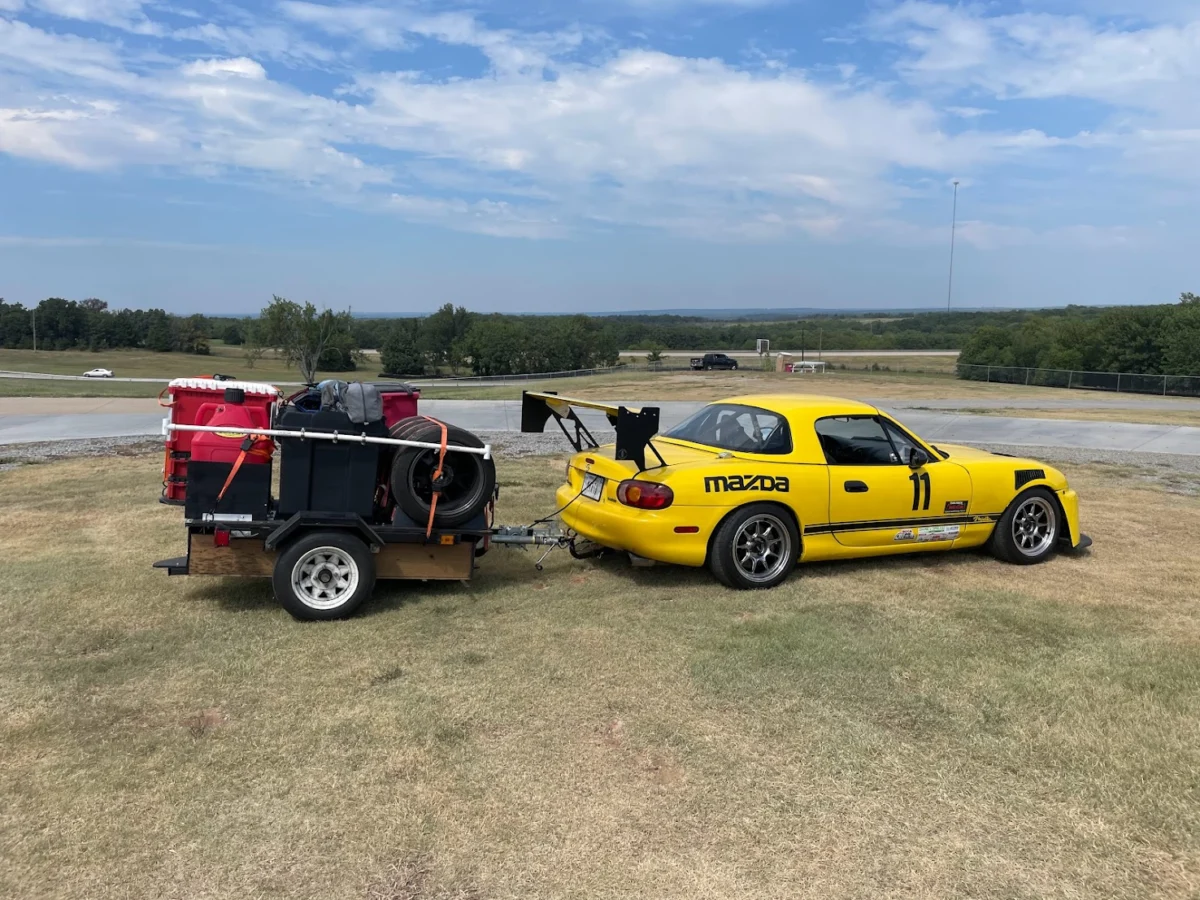
The evolution of a second-generation Mazda Miata (NB) from a standard roadster into a specialized Time Trials competitor represents a meticulous three-year journey of mechanical refinement, aerodynamic testing, and logistical optimization. Spanning the period from March 2023 through February 2024, the development of this specific chassis highlights the challenges and technical requirements of maintaining a competitive edge in grassroots motorsports. This period saw the vehicle transition through significant structural modifications, engine evaluations, and a demanding schedule of 30 competitive events across five states, providing a data-rich case study in amateur racing development.
Strategic Aerodynamic Enhancements and Structural Failures
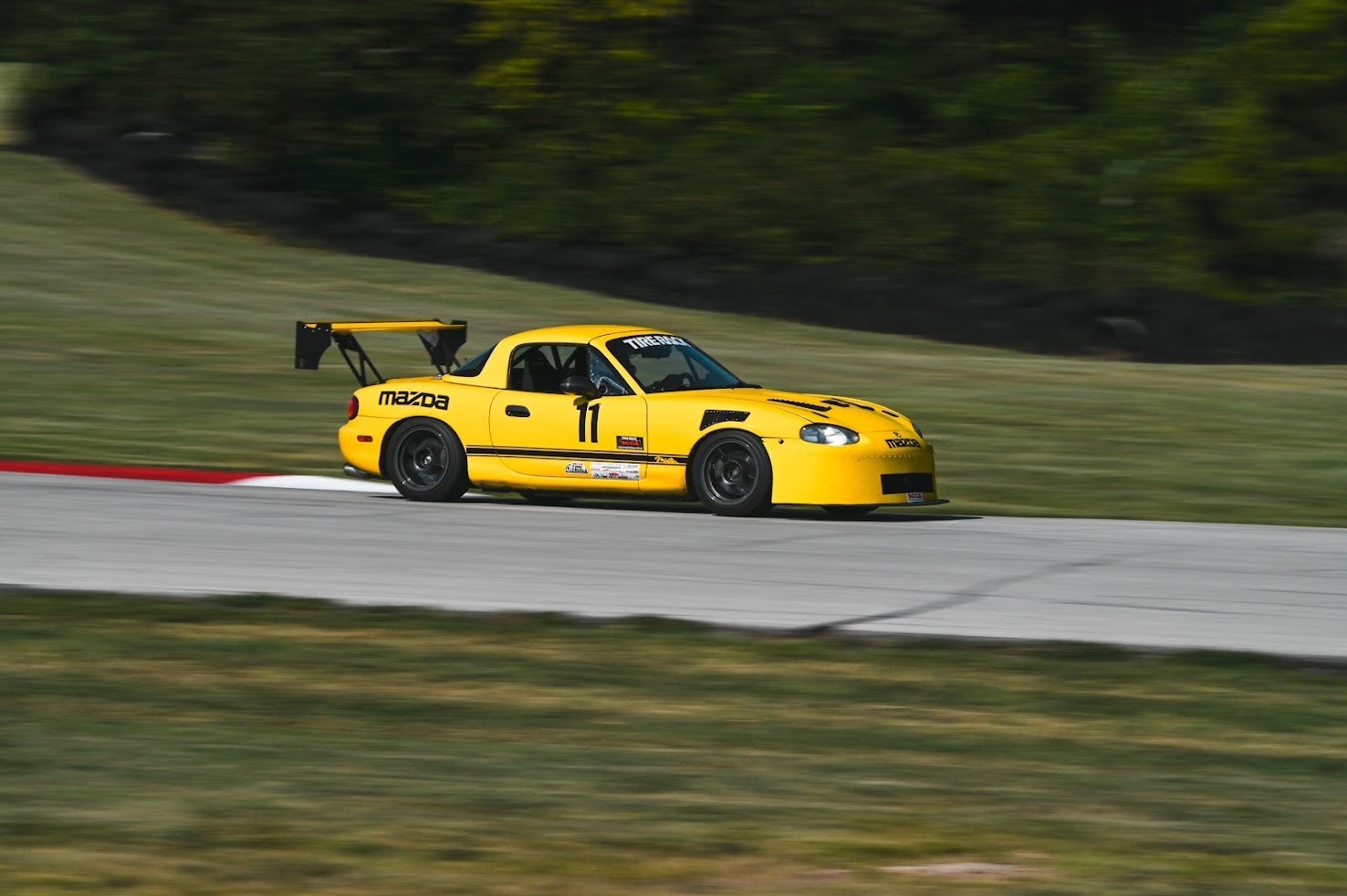
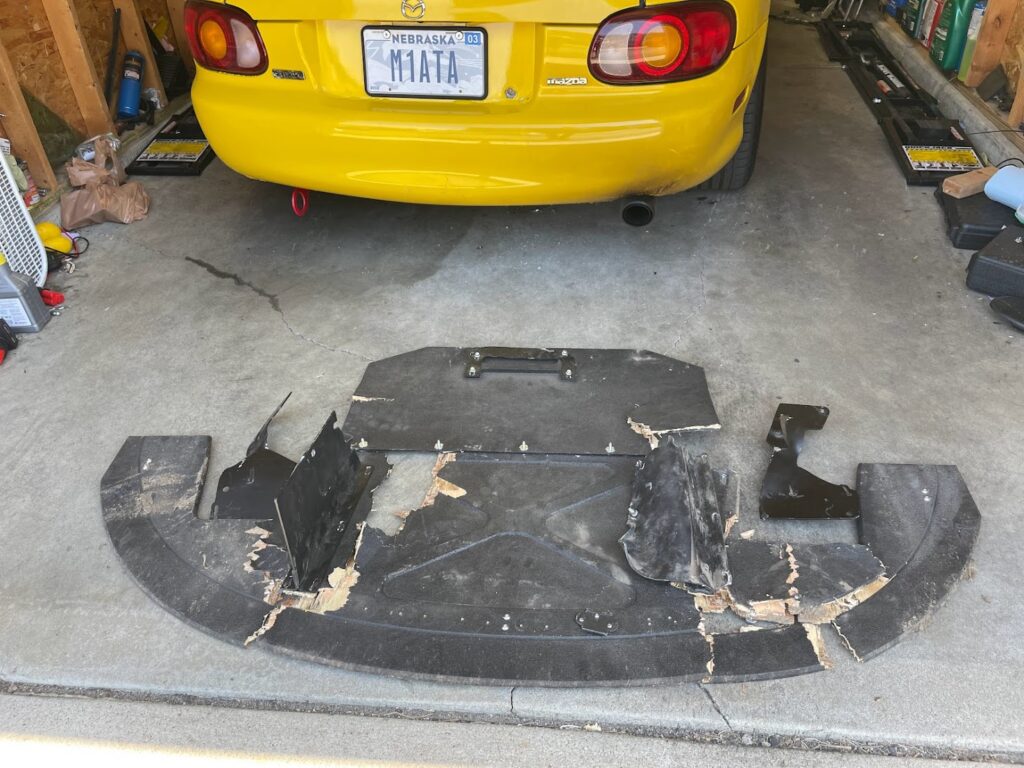
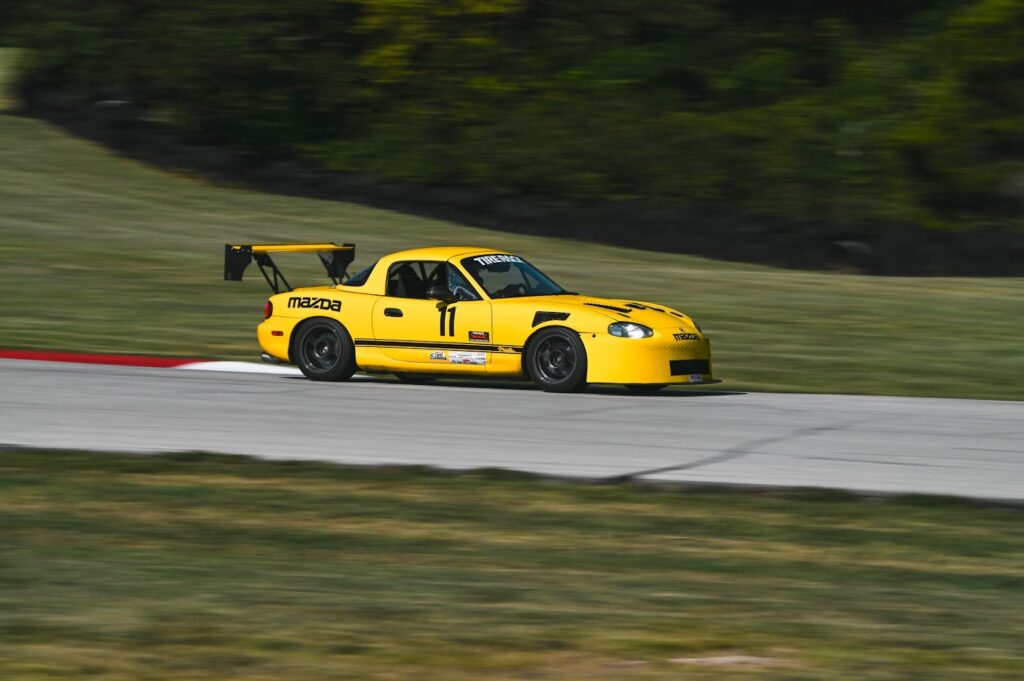
The 2023 season began with a focus on aerodynamic efficiency, centered around the installation of a Nine Lives Racing medium downforce kit. The implementation of high-downforce components, specifically front splitters and rear wings, necessitates a delicate balance between structural integrity and aerodynamic load. During the initial testing phase in April 2023, the vehicle suffered a significant structural failure at a high-speed circuit. An off-track excursion resulted in the destruction of the front splitter, deformation of the mounting brackets, and damage to the radiator support.
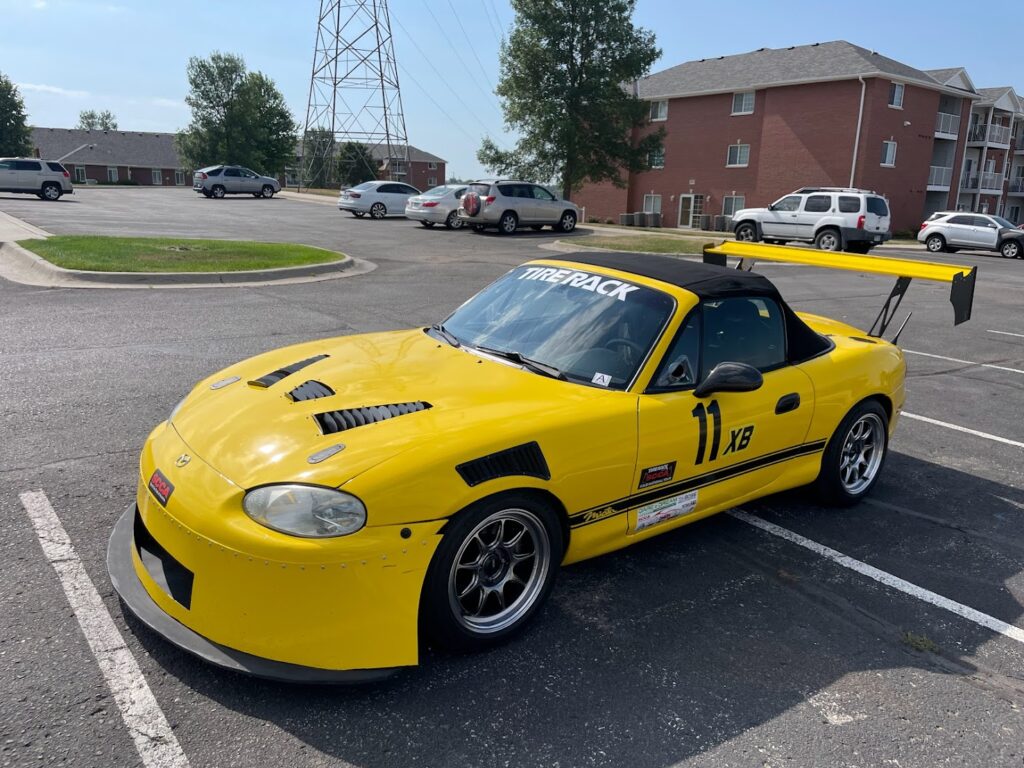
This incident led to a shift in material strategy. While many professional teams utilize carbon fiber or high-density polyethylene (HDPE), the owner pivoted to 1/2-inch plywood for its cost-effectiveness and ease of replacement. The technical analysis of the rear wing’s performance also necessitated a change in vehicle configuration. Testing indicated that the rear wing’s efficiency was significantly compromised by the turbulent airflow generated by the open cabin of a soft-top convertible. To ensure the wing received a clean, laminar flow of air, the decision was made to permanently remove the soft top in favor of a fixed hardtop. This modification not only improved aerodynamic downforce but also facilitated a minor reduction in curb weight and improved access to the fuel pump assembly.
Regional Racing Impact and Track Chronology
The 2023 season was marked by a diverse itinerary of circuits, each offering unique technical challenges. However, the season was overshadowed by the closure of Heartland Motorsports Park in Topeka, Kansas. A cornerstone of the Midwestern racing community, the track ceased operations at the conclusion of the 2023 season due to a protracted dispute regarding property taxes. The loss of this facility, which hosted numerous SCCA (Sports Car Club of America) Time Trials, represents a significant blow to regional development, as the property was subsequently auctioned in separate parcels.
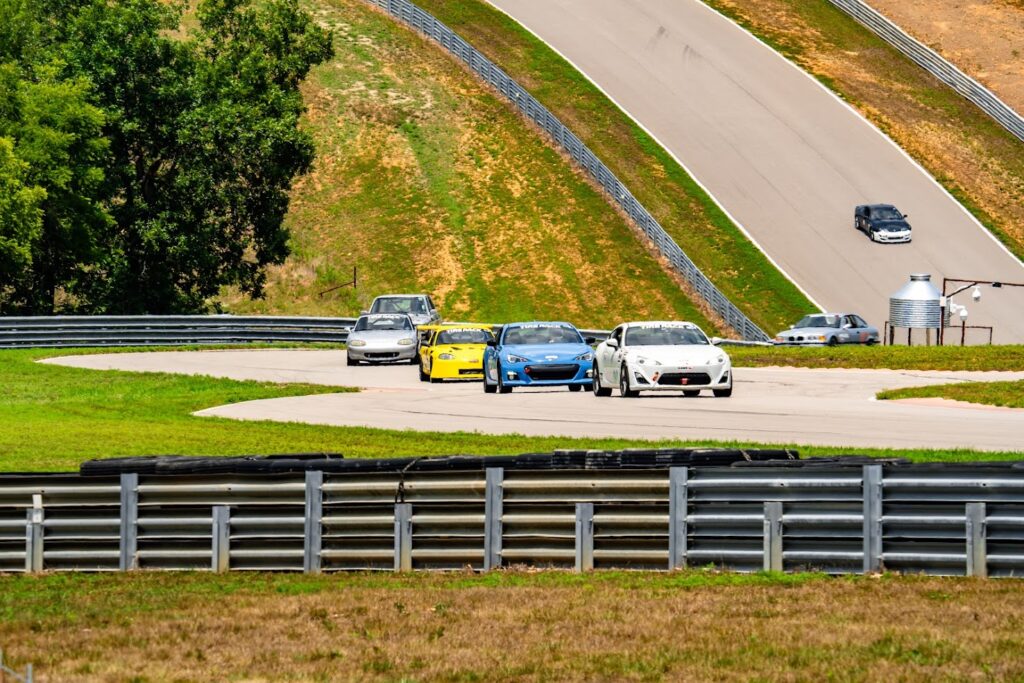
In contrast to the familiar terrain of Heartland, the vehicle was tested at the Ozarks International Raceway in July 2023. Known for its extreme elevation changes and technical complexity, the Ozarks circuit provided a rigorous test of the car’s cooling and braking systems. The owner noted that the proximity of trackside barriers required a more conservative approach to lap times, emphasizing the risks inherent in "drive-to-track" racing where the vehicle must remain road-legal for the return journey.
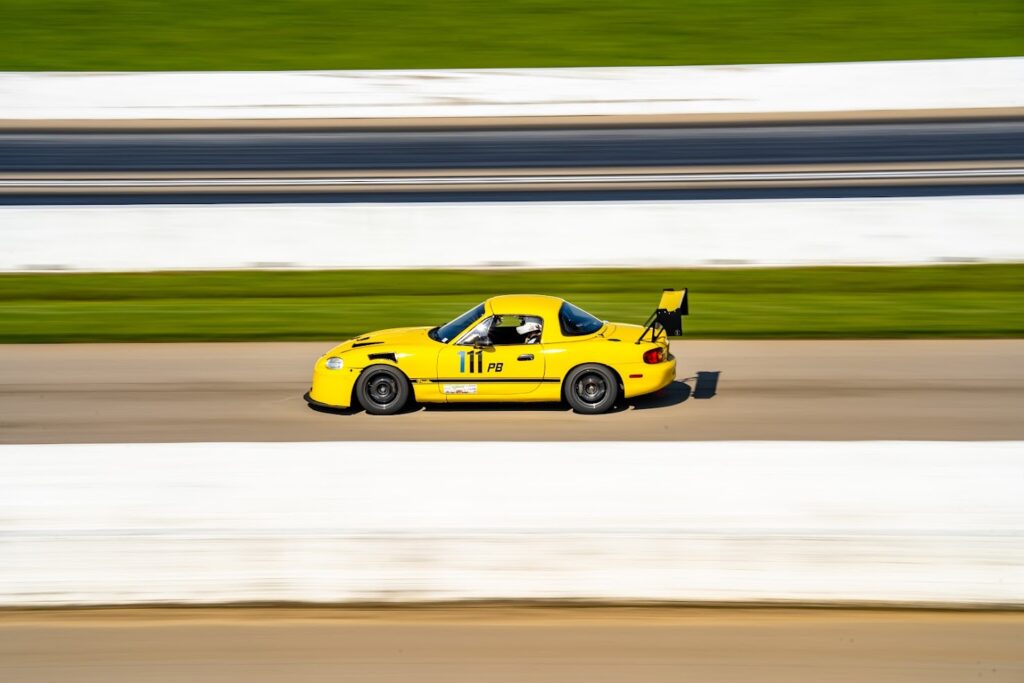
Additional data was gathered at Motorsports Park Hastings and the Hallett Motor Racing Circuit. At Hastings, the vehicle achieved a benchmark lap time of 1:42.78. For context, the NASA (National Auto Sport Association) Spec Miata lap record at the same facility stands at 1:40.415, while higher-tier TT5 class records are currently in the 1:34 range. This data suggests that while the NB Miata is highly competitive in corners, it remains limited by its naturally aspirated power output on straights.
Powertrain Reliability and Engine Evaluation
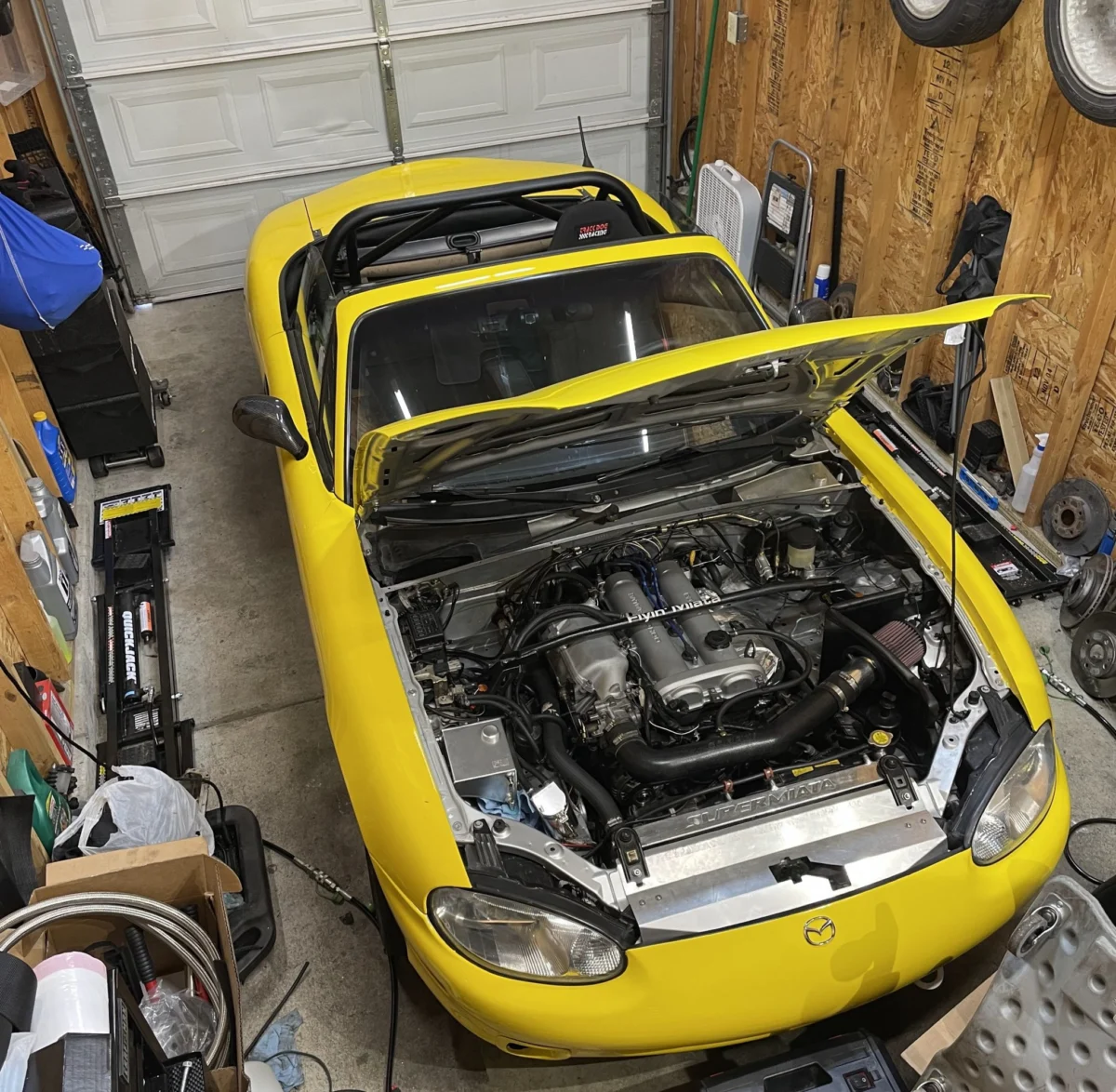
Underpinning the season’s performance was the original BP4W engine, a 1.8-liter inline-four factory-installed unit. Despite several reliability upgrades—including a Boundary Engineering high-flow oil pump, a coolant reroute kit, and an "Exhintake" camshaft swap—the engine began showing signs of mechanical fatigue. Specifically, the unit exhibited oil consumption at high RPM and visible smoke during engine braking, indicative of worn valve seals or piston rings.
In anticipation of a total engine failure, the development program expanded to include a multi-engine evaluation. The owner’s inventory currently includes:
- Two BP4W Engines: The original factory unit and a spare with known compression loss and damaged exhaust valves.
- One BP6D Engine: A newer Variable Valve Timing (VVT) unit from a 2001–2005 Miata.
Technical analysis of the spare BP4W revealed "negative valve clearance," a condition where the valves do not fully seat, leading to compression loss and burnt valves. The decision was made to pursue a hybrid build, utilizing a rebuilt BP6D head (featuring VVT for a broader power band) paired with a BP4W bottom end and high-compression BP6D pistons. This modular approach to engine building allows for incremental power gains while staying within the specific power-to-weight ratios mandated by Time Trials classification.
Logistical Optimization and Driver Ergonomics
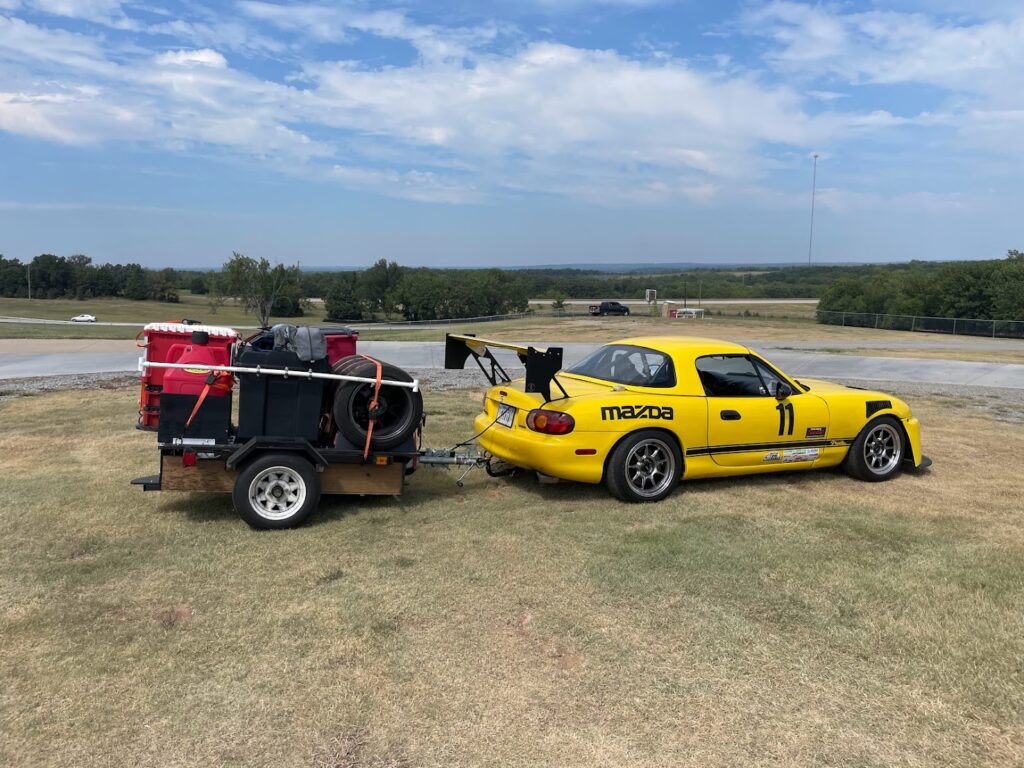
Racing performance is not solely determined by the vehicle’s speed but also by the efficiency of the supporting logistics. In March 2023, the custom-built tire trailer underwent significant upgrades. To accommodate the demands of multi-day events, the trailer was modified with a lower deck to improve the center of gravity, a 15-gallon fuel cell, and specialized storage for spare splitters and wing Gurney flaps. This self-sustained setup allows the driver to transition from street use to track configuration without the need for a dedicated tow vehicle.
Inside the cabin, modifications focused on driver endurance and weight reduction. A "Cool Shirt" system was integrated, utilizing a trunk-mounted ice-water reservoir and a pump to circulate chilled liquid through a specialized garment worn by the driver. This system is critical for maintaining cognitive function and physical stamina during summer events where cockpit temperatures can exceed 120 degrees Fahrenheit.
Furthermore, a significant weight reduction program was executed during the winter of 2023. By removing the dashboard and thinning the factory wiring harness to remove unused circuits (such as audio and airbag wiring), approximately 50 pounds were stripped from the chassis. This reduction directly improves the vehicle’s acceleration and braking performance, allowing for the strategic placement of ballast if needed to meet class minimums.
Data-Driven Performance Metrics
The 2023 season provided a robust dataset regarding tire longevity and compound performance. The vehicle utilized three primary tire models:
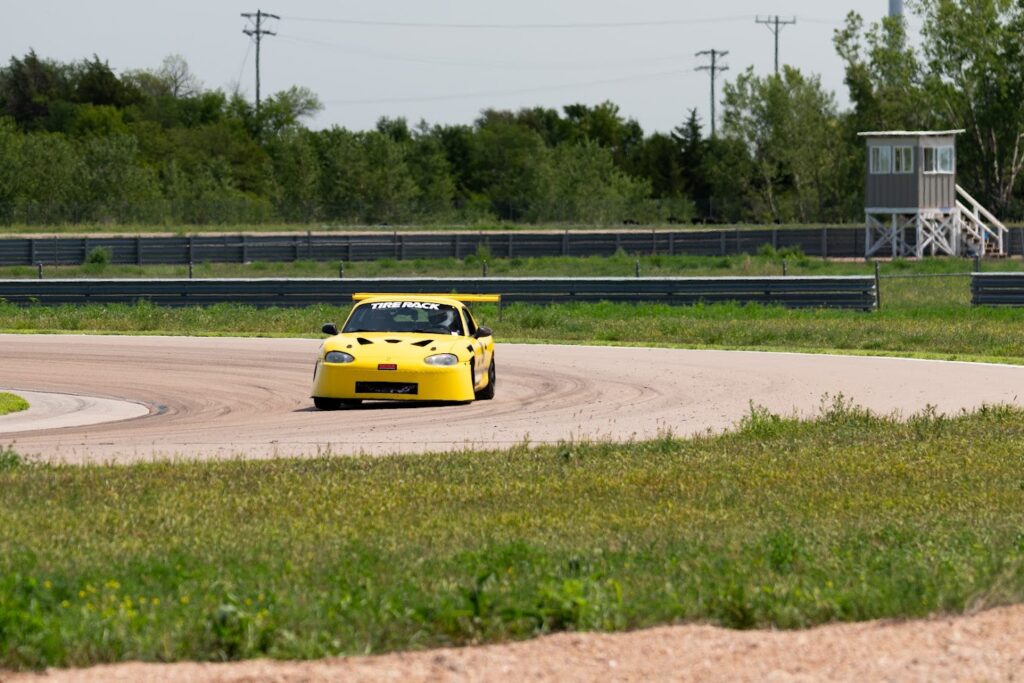
- Falken RT660 (225/45R15): The primary track tire. Data showed these tires maintained competitive grip through 38 heat cycles and 8.5 hours of track time.
- Bridgestone RE71-RS: Used primarily for autocross. These tires demonstrated exceptional durability, remaining viable after 17 events and approximately 70 competitive runs.
- Continental ExtremeContact Sport: Utilized for wet-weather sessions, providing comparable pace to worn dry-weather tires in adverse conditions.
For the 2024 season, the program will transition to Yokohama A052 and Nankang CRS v2 tires to evaluate the performance delta between these newer "super-200" treadwear compounds and the previous year’s benchmarks.
Future Implications for Grassroots Motorsports
The development of the NB Miata over the past year highlights a broader trend in grassroots motorsports: the shift toward data-driven, holistic vehicle builds. As entry-level sports cars like the Miata age, the focus of owners is shifting from simple bolt-on modifications to comprehensive system engineering involving aerodynamics, thermal management, and weight optimization.
The owner’s stated goal of reaching the top of the power-to-weight ratio for their specific Time Trials class suggests that the next phase of development will likely involve forced induction. While the car has proven exceptionally fast in corners, the gap between its current lap times and class records indicates that more horsepower is required to compete with modern chassis.
The successful completion of 30 events in a single year without a catastrophic mechanical failure serves as a testament to the reliability of the Mazda B-series engine platform and the effectiveness of preventative maintenance. As the project enters its fourth year, it stands as a prominent example of how a 25-year-old chassis can remain relevant and highly competitive in the modern amateur racing landscape through methodical, evidence-based development.