Retno Hari Mulyono
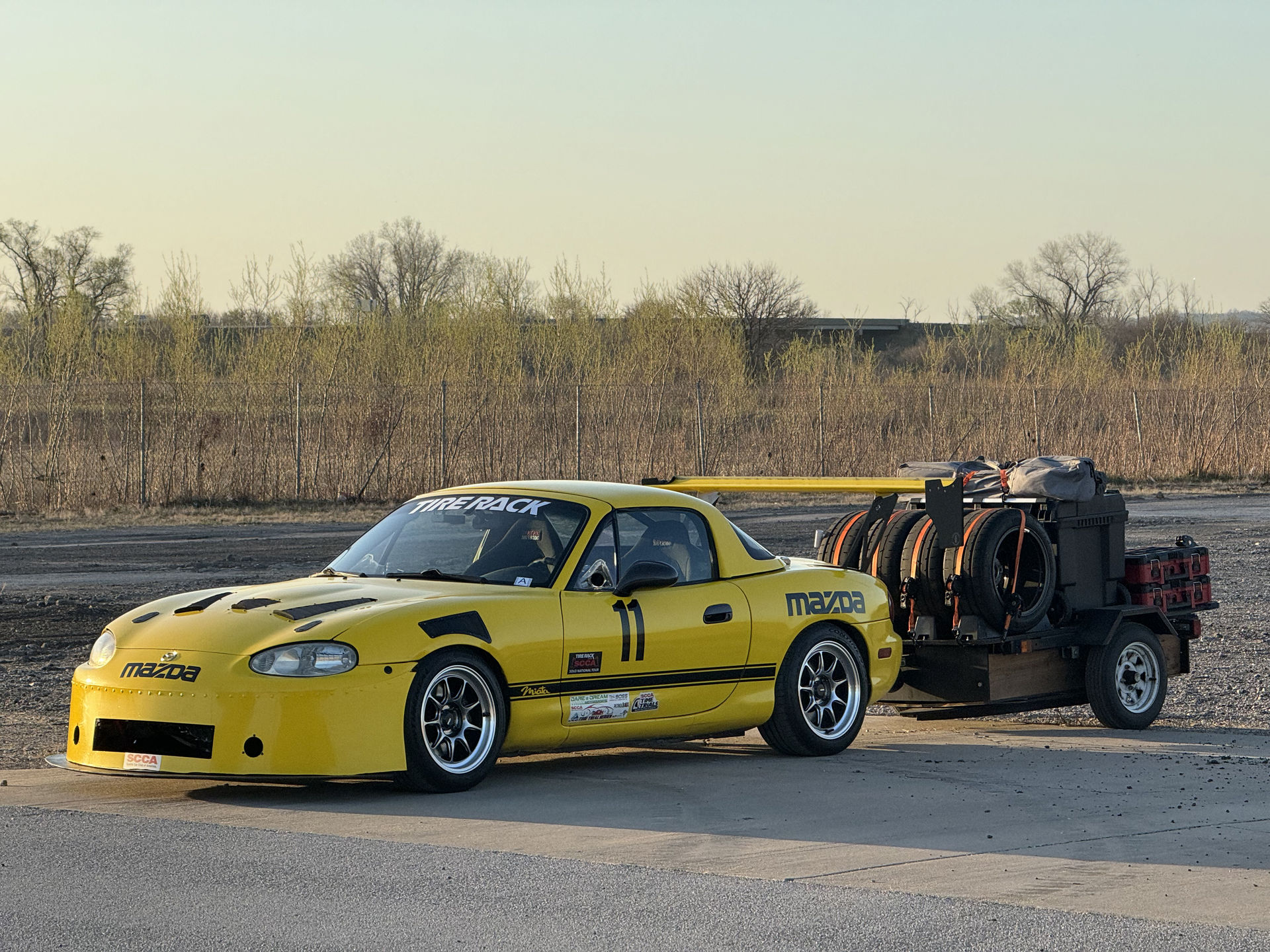
In the competitive landscape of grassroots motorsports, particularly within the realms of track days and autocross, the transition from standard street tires to high-performance rubber marks a significant milestone in a driver’s progression. As enthusiasts seek to shave seconds off their lap times, the adoption of "Extreme Performance Summer" tires—often categorized by a 200 Treadwear (TW) rating—becomes nearly mandatory. However, the specialized nature of these tires introduces a logistical paradox: while they are essential for peak performance on the circuit, their utility on public roads is fraught with economic and safety risks. For owners of compact sports cars, such as the Mazda Miata, the lack of internal storage space necessitates an engineered solution. The tire trailer has emerged as the premier logistical tool for the dedicated enthusiast, offering a bridge between the necessity of high-performance equipment and the limitations of small-vehicle architecture.
The Technical and Economic Impetus for Off-Street Tire Transport
The primary motivation for utilizing a tire trailer stems from the distinct chemical and structural properties of track-oriented tires. Unlike standard passenger tires designed for longevity and all-weather reliability, 200TW tires are engineered for maximum grip through specific heat-cycle management.
Industry data suggests that the lifespan of a high-performance tire is not merely measured in miles but in "heat cycles"—the process of the rubber reaching operating temperature and then cooling. Repeatedly subjecting these tires to the low-intensity heat cycles of highway driving can "heat cycle out" the compound, causing the rubber to harden and lose its competitive grip long before the tread is physically depleted. Furthermore, the shallow tread patterns of tires like the Hankook Ventus RS4 or the Falken Azenis RT660 are designed for dry lateral grip rather than water evacuation. On wet or cold pavement, these tires often reach their glass transition temperature or suffer from hydroplaning at speeds far below the legal limit.
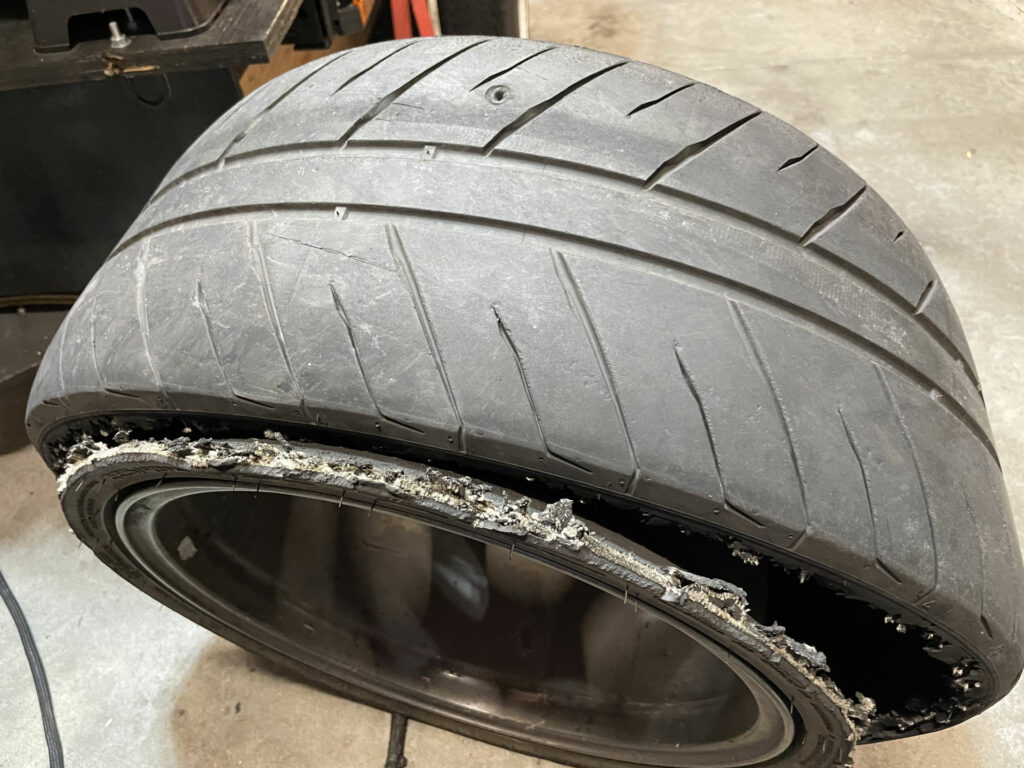
Economically, the cost-benefit analysis favors the use of a trailer. A set of premium 200TW tires can cost between $800 and $1,400. Utilizing these for a 300-mile round trip to a racing circuit effectively wastes a portion of their finite performance life. Additionally, the risk of road debris causing a puncture or blowout on the way to an event can end a driver’s weekend before it begins. By transporting track tires on a dedicated trailer, drivers ensure that their most expensive consumables are preserved for the environment in which they provide the most value.
Engineering the Solution: The Architecture of the Tire Trailer
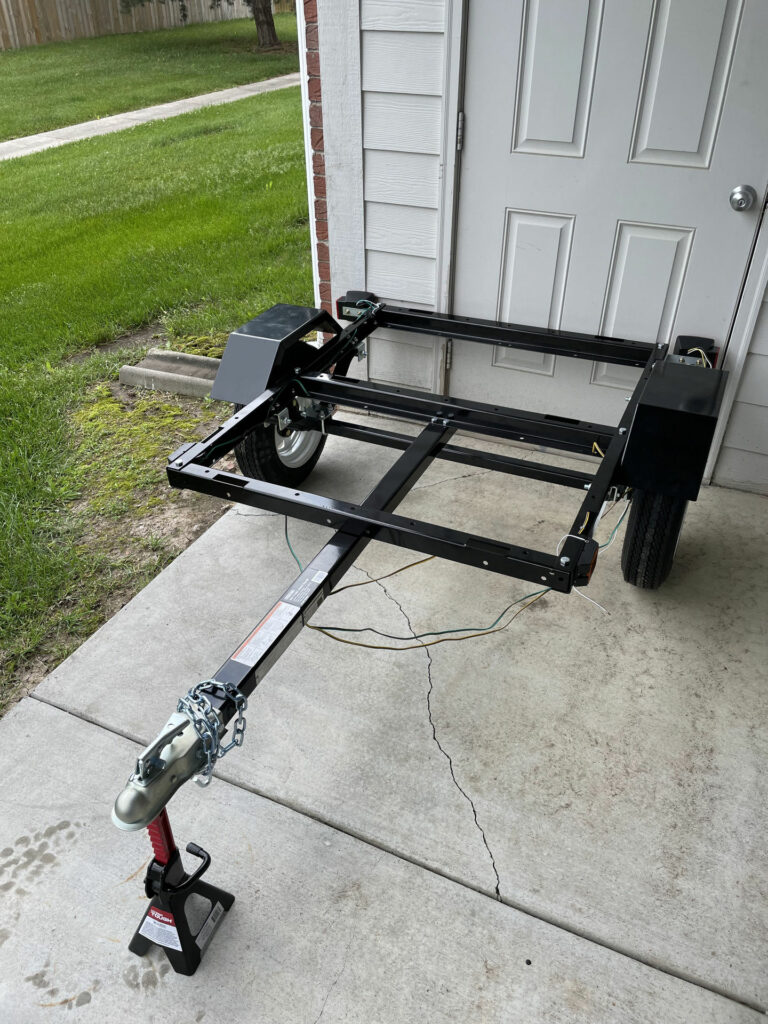
For many in the racing community, the construction of a tire trailer begins with a modular utility frame. The most common platforms are the 40-inch by 48-inch steel frames provided by retailers such as Northern Tool or Harbor Freight. These kits, which typically arrive in a knocked-down format, provide a lightweight, 1,000-pound capacity foundation that is easily towed by vehicles with modest towing ratings.

Frame Selection and Decking Construction
While the standard 40×48 frame is the most prevalent, some builders opt for 4×8-foot folding versions to increase stability and storage flexibility. A critical component of the build is the deck, often constructed from 3/4-inch marine-grade or Sande plywood. To ensure durability against the elements, these decks are typically sealed or painted with weather-resistant coatings. The integration of the deck to the frame involves the use of recessed carriage bolts and lock nuts, creating a flush surface that prevents damage to gear and facilitates the mounting of specialized storage containers.
Optimized Storage Systems
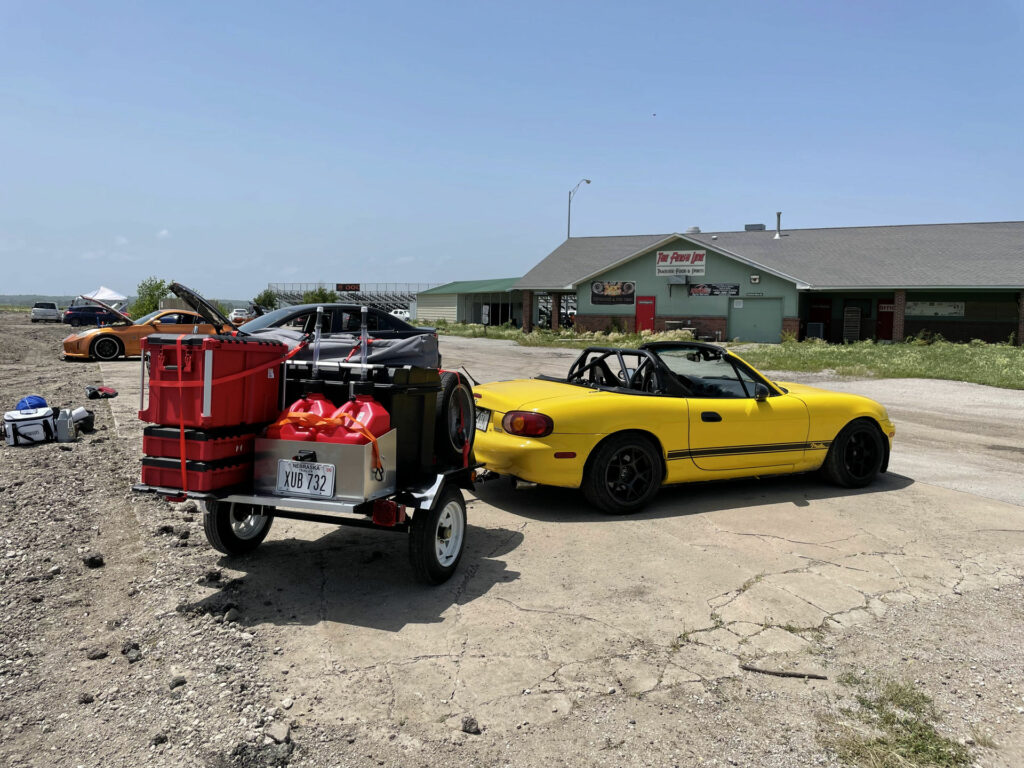
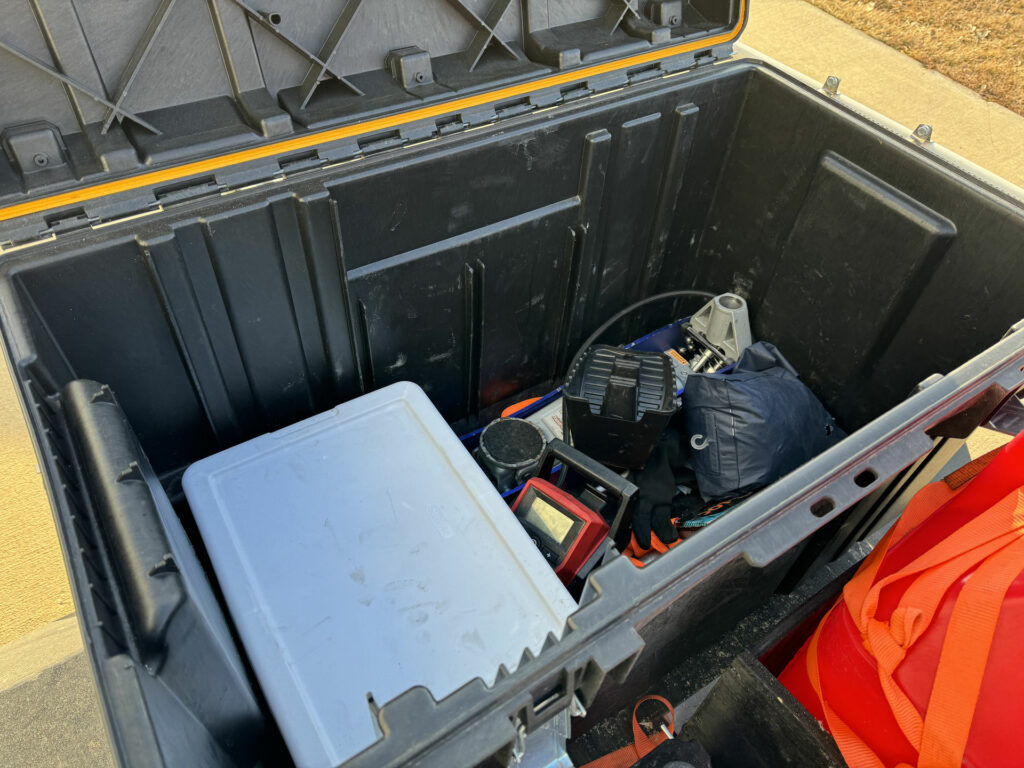
A successful tire trailer must function as a mobile pit bay. Central to this is the integration of weather-tight toolboxes. Professional-grade options, such as the DeWalt DWST38000, are frequently utilized due to their aluminum reinforcement rails, which allow for secondary items—such as folding canopies, chairs, and tables—to be strapped to the lid.
Within these containers, drivers typically store:
- High-lift floor jacks and jack stands.
- Torque wrenches and impact guns.
- Tire pressure gauges and portable air compressors.
- Spare mechanical components (brake pads, sensors, fluids).
- Personal safety gear, including helmets and fire extinguishers.
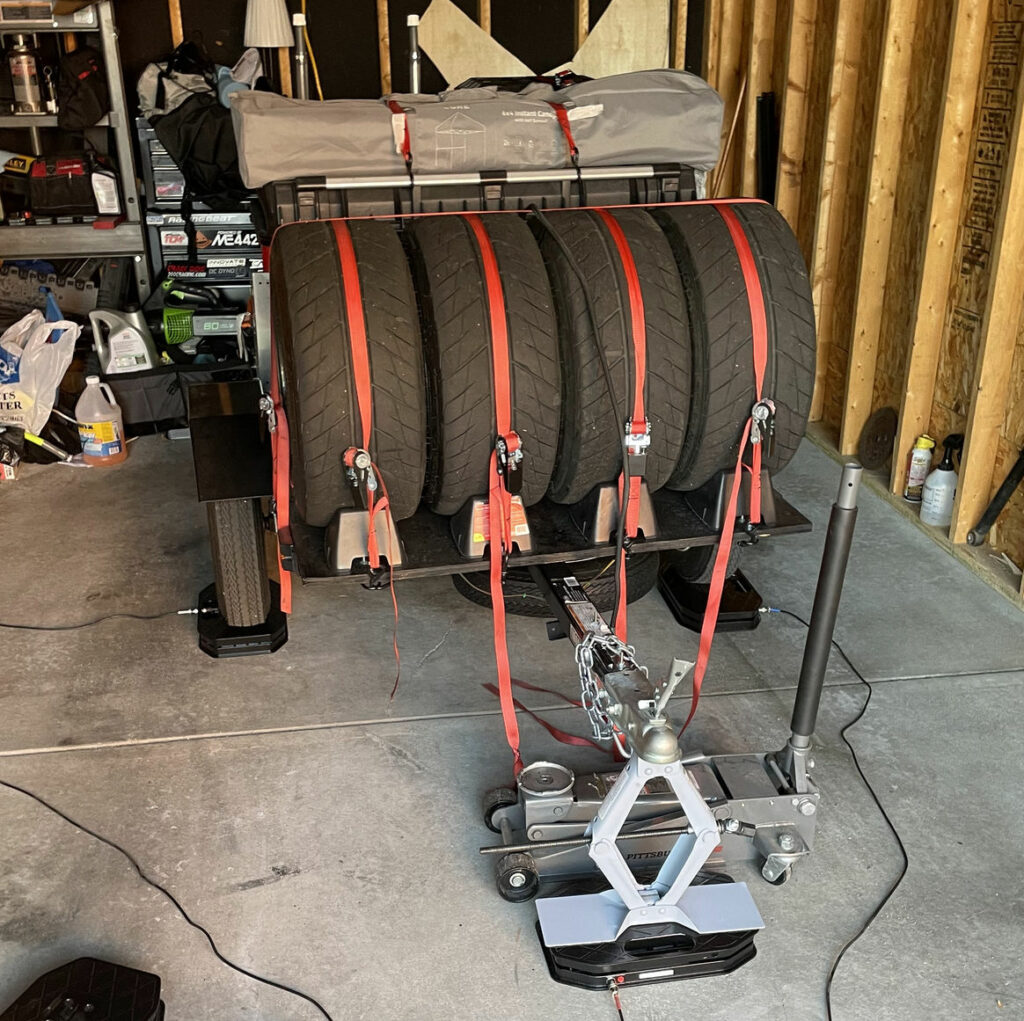
The tire mounting itself is a matter of critical weight distribution. For vehicles like the Miata, placing the heavy tire set toward the front of the trailer helps maintain a proper tongue weight, which should ideally be 10% to 15% of the total trailer weight to prevent "swaying" at highway speeds. Security is managed through a three-fold system: a central mounting pipe, heavy-duty ratchet straps, and high-tensile locking cables to prevent theft.
Advanced Modifications and Iterative Upgrades
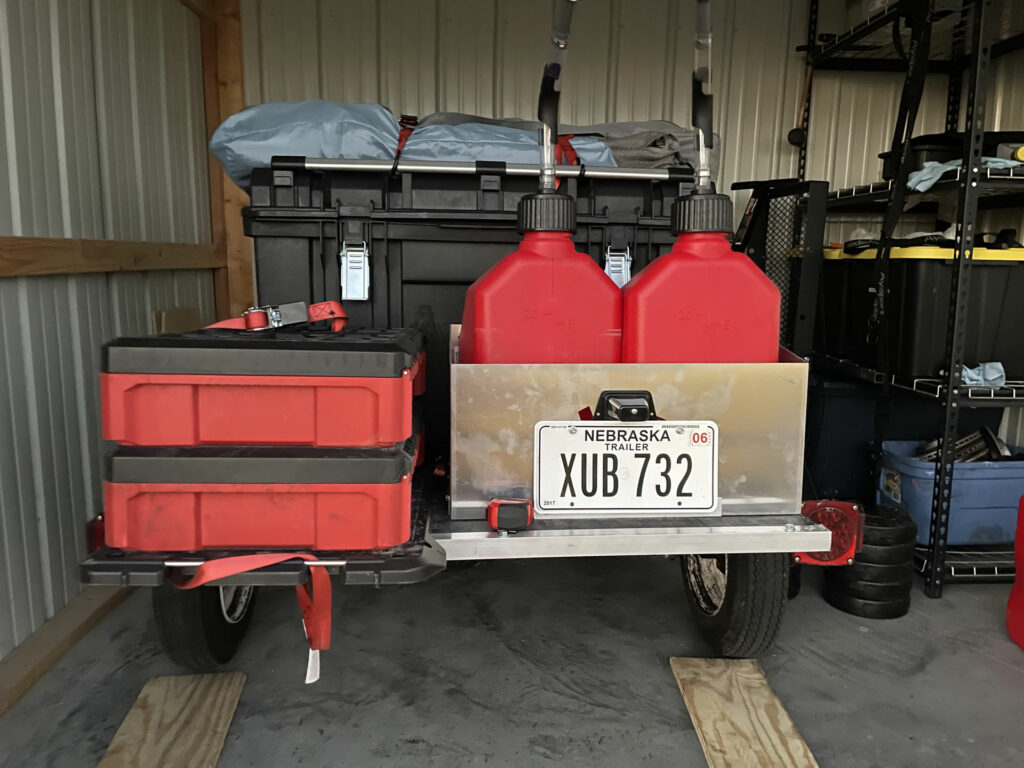
As enthusiasts spend more time at the track, the requirements for their trailers often evolve, leading to complex secondary modifications. One such advancement is the implementation of a "sub-deck" or lower storage tier. By mounting a secondary plywood deck below the main frame—often utilizing 2×10-inch support boards—builders can create a low-center-of-gravity compartment for heavy items like spare trailer tires, canopy weights, and jack stands. This also provides a secure location for spare aerodynamic components, such as front splitters, which are prone to damage during track sessions.
Fuel Management and Logistics
The availability of high-octane fuel or E85 ethanol at racing circuits is often inconsistent and expensive. To mitigate this, tire trailers are frequently outfitted with dedicated fuel storage systems. Utilizing mounts for five-gallon VP Racing jugs or larger 15-gallon Flo-Fast containers allows drivers to bring their own fuel, ensuring consistency in engine tuning. The inclusion of hand-crank transfer pumps facilitates the safe movement of fuel from the trailer to the vehicle in a crowded paddock environment.
The Transition to Radial Tires
Most entry-level utility trailers are equipped with bias-ply tires, which are cost-effective but limited in their heat dissipation and speed ratings. For long-distance towing at highway speeds, many builders upgrade to radial tires, such as the 145R12. Radial tires offer a more flexible sidewall and a larger footprint, resulting in lower operating temperatures for both the rubber and the wheel bearings. This upgrade is considered a vital safety enhancement for those traveling to regional or national events located hundreds of miles away.
Comparative Analysis: Tire Trailers vs. Full Vehicle Transport
The decision to utilize a tire trailer represents a specific philosophy within the motorsports community. While many drivers eventually graduate to a dedicated truck and a full-sized car hauler, the tire trailer remains a highly efficient alternative.
| Feature | Tire Trailer | Full Car Hauler |
|---|---|---|
| Initial Cost | $500 – $1,500 | $15,000 – $60,000+ (incl. truck) |
| Fuel Efficiency | Minimal impact on car’s MPG | Significant impact on tow vehicle |
| Storage Space | Fits in a standard garage | Requires large driveway or storage lot |
| Ease of Use | Fast hook-up; car remains street-driven | Requires loading/unloading/strapping |
| Mechanical Risk | If car breaks, you are stranded | Provides a way to tow a broken car home |
While a full trailer offers the ultimate safety net—the ability to transport a non-functional vehicle home after a mechanical failure—the tire trailer offers a level of accessibility and low overhead that keeps the barrier to entry for motorsports low.
Broader Impact on the Grassroots Racing Community
The proliferation of custom tire trailers has had a measurable impact on the culture of track days. Organizers from groups such as the Sports Car Club of America (SCCA) and the National Auto Sport Association (NASA) have noted that these setups allow for a more diverse range of vehicles to participate in high-level events. By enabling small-car owners to bring professional-grade equipment and tools, the tire trailer fosters a more prepared and safer paddock.
Furthermore, the DIY nature of these builds has spurred a sub-economy of specialized parts. Companies like Leroy Engineering have emerged to fill the gap between DIY kits and professional logistics, offering high-end tire trailers with independent suspension and high-speed bearings for those with larger budgets.
Conclusion: The Future of Enthusiast Logistics
The tire trailer stands as a testament to the ingenuity of the automotive enthusiast community. It is a solution born of necessity, addressing the specific challenges of tire technology, vehicle storage, and economic reality. While the ultimate evolution for some may be the move to a dedicated tow rig, the tire trailer remains an iconic and practical staple of the track day experience. For the driver of a Mazda Miata or a similar platform, it represents freedom—the freedom to drive a street car to the limit on the world’s best circuits without compromising on performance or safety. As tire technology continues to advance and the "drive-it-to-the-track" spirit remains strong, the tire trailer will undoubtedly remain a common sight in paddocks across the globe.