Retno Hari Mulyono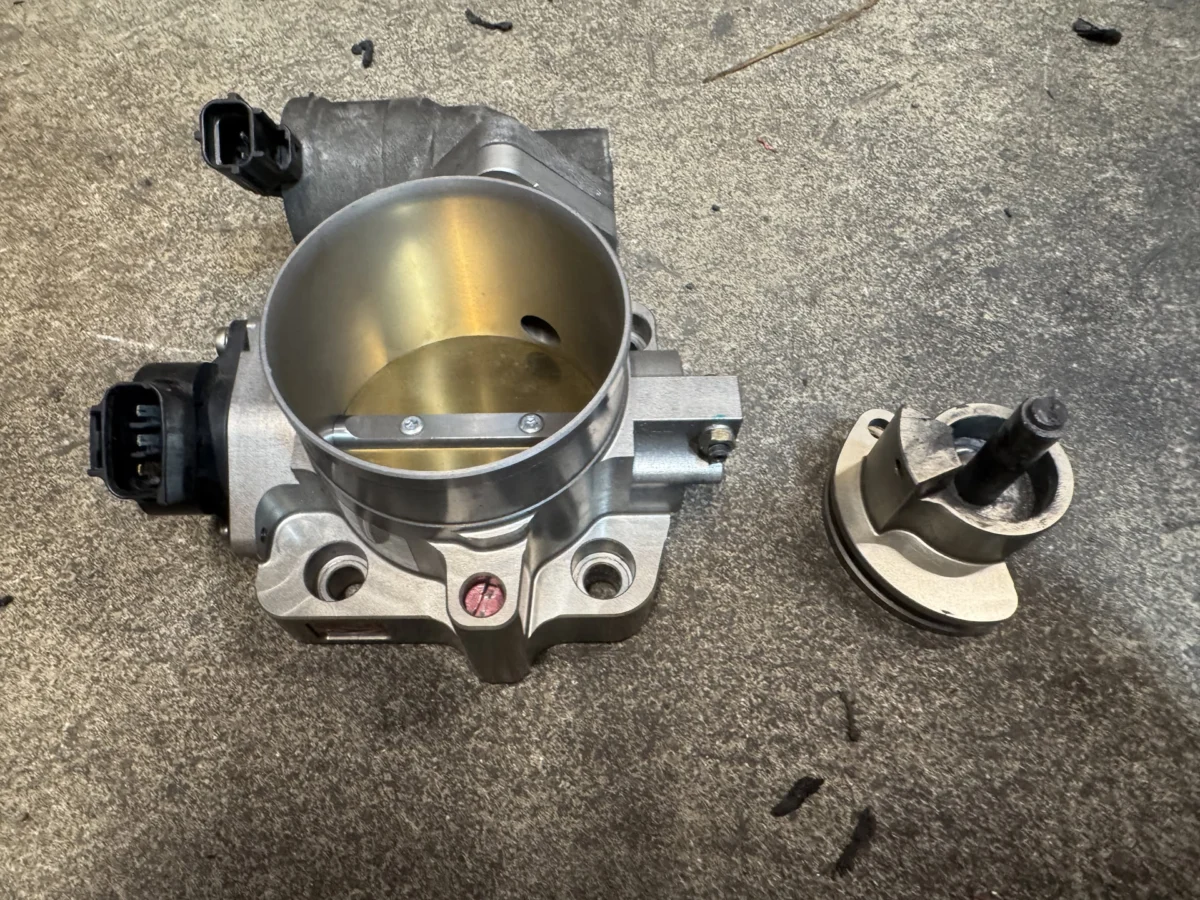
Technological Evolution in Amateur Racing Transitioning the Mazda Miata to Drive-By-Wire Systems represents a significant shift in how enthusiasts are approaching reliability and performance on the track, moving away from traditional mechanical linkages toward digital precision. Over the course of the 2025 racing season, a series of mechanical failures within the Mazda Miata (NB) platform has highlighted a growing vulnerability in aftermarket cable-driven throttle bodies, prompting a surge in interest for Drive-By-Wire (DBW) conversions. This transition, while complex, offers a solution to the persistent issue of throttle shaft fatigue and opens a suite of advanced tuning features previously reserved for modern high-performance vehicles.
The Mechanical Crisis: Reliability Issues in Cable-Driven Systems
For decades, the Mazda MX-5 Miata, specifically the NA (1989–1997) and NB (1998–2005) generations, has relied on a simple mechanical cable to connect the accelerator pedal to the throttle body. While this system is lauded for its direct "connected" feel, it has recently come under scrutiny in high-stress track environments. The failure of aftermarket components, most notably the Skunk2 throttle body, has become a focal point of discussion within the tuning community.
Reports from the field indicate two primary failure modes for these units: the backing out of throttle blade screws and the complete mechanical shearing of the throttle shaft. In a track environment, where vibrations are high and throttle transitions are frequent and aggressive, these failures are not merely inconvenient—they are potentially catastrophic. A sheared throttle shaft can lead to a stuck-open throttle or allow metal fragments to be ingested into the engine, leading to immediate internal failure.

Furthermore, even the original equipment manufacturer (OEM) units are not immune to these issues. While a stock Miata throttle body is theoretically sufficient for a naturally aspirated engine producing approximately 140 wheel horsepower, documented cases of throttle blade screws loosening have forced many racers to resort to preventative measures, such as applying 3M DP420 epoxy to the shaft and screws. This "band-aid" fix, however, does nothing to address the inherent lack of modern features such as idle control integration or flexible throttle mapping.
The Shift to Drive-By-Wire Technology
Drive-By-Wire technology replaces the physical cable with an electronic signal sent from an Accelerator Pedal Position (APP) sensor to the Engine Control Unit (ECU), which then actuates an electric motor on the throttle body. The benefits of this transition are multifaceted:
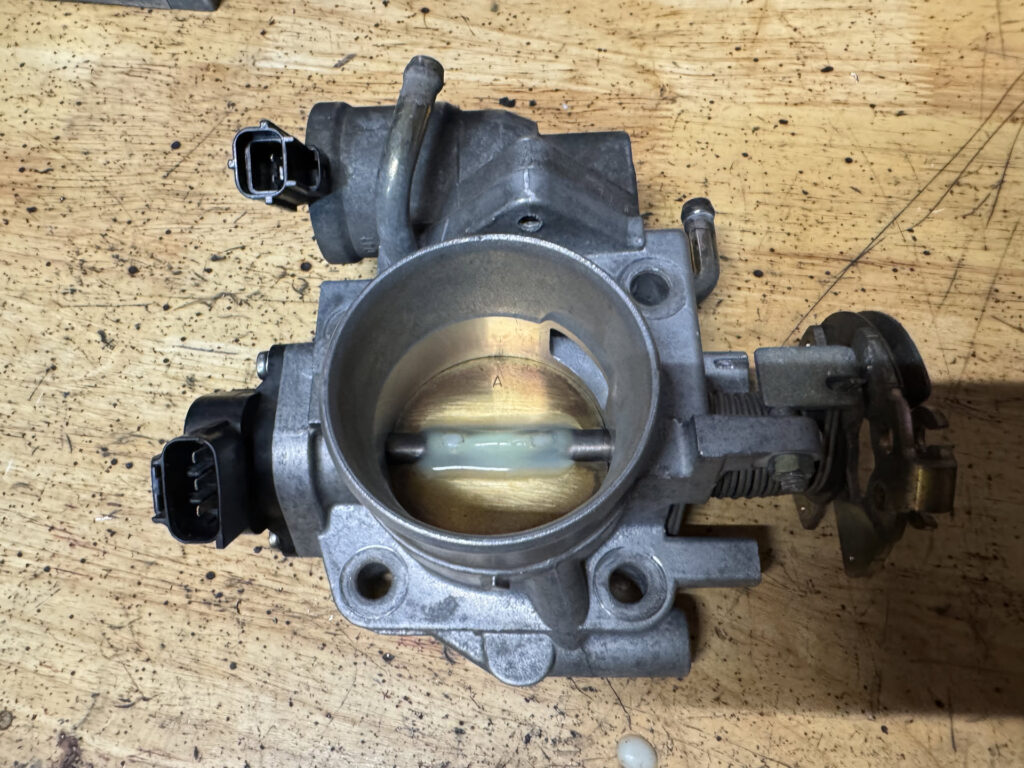
- Mechanical Reliability: By removing the high-tension cable and the often-flimsy aftermarket linkages, the system eliminates the primary points of mechanical failure.
- Advanced Software Features: DBW allows for the implementation of "auto-blip" downshifts, where the ECU automatically rev-matches during braking, and precision cruise control.
- Flexible Throttle Mapping: Tuners can adjust the relationship between pedal position and throttle opening, allowing for a more linear power delivery or a "sport" mode feel.
- Integrated Idle Control: Modern DBW throttle bodies handle idle air bypass internally, eliminating the need for a separate, often bulky, Idle Air Control Valve (IACV).
Despite these benefits, owners of older standalone ECUs, such as the Megasquirt MS3Pro Evo, face a significant hurdle: these units do not natively support DBW. This has necessitated the development of a secondary market for CAN-bus-compatible DBW controllers.
A Chronology of the 2025 Conversion Project
The push for DBW integration in the Miata platform has accelerated throughout late 2024 and 2025.

- Early 2025: High-profile failures of cable-driven throttle bodies on track-focused NBs led to a community-wide re-evaluation of aftermarket hardware.
- October 2025: AMP EFI released its dedicated DBW controller, signaling a new level of competition in the market.
- November 2025: The current phase of testing began, involving the comparative analysis of multiple CAN-bus controllers to determine the most stable platform for the MS3Pro ECU.
The project currently underway involves the integration of a Bosch 60mm electronic throttle body, an adapter plate for the stock intake manifold, and a specialized sensor to bridge the gap between the mechanical pedal and the digital controller.
Market Analysis: Megasquirt CAN-Bus Controllers
As of late 2025, several key players have emerged in the market for DBW controllers that communicate via the Controller Area Network (CAN) bus. This allows the Megasquirt ECU to send and receive throttle data without the need for high-current internal modifications.

DBWX2 Controller
Initially released around 2019, the DBWX2 remains the premium option in the market with a price point of approximately $500. Its standout feature is the ability to control two independent throttle bodies, making it the preferred choice for complex forced induction setups, such as "hot side" supercharger configurations where a second throttle body is used as a bypass.
AMP EFI Controller
The newest entry to the market (October 2025), the AMP EFI unit, is priced competitively at $300. It offers a unique "hybrid" capability, allowing it to function as a completely standalone unit using traditional TPS and idle inputs, or as a fully integrated CAN-bus node. Its support for auto-blip via dedicated brake and clutch pins makes it a strong contender for track-oriented builds.

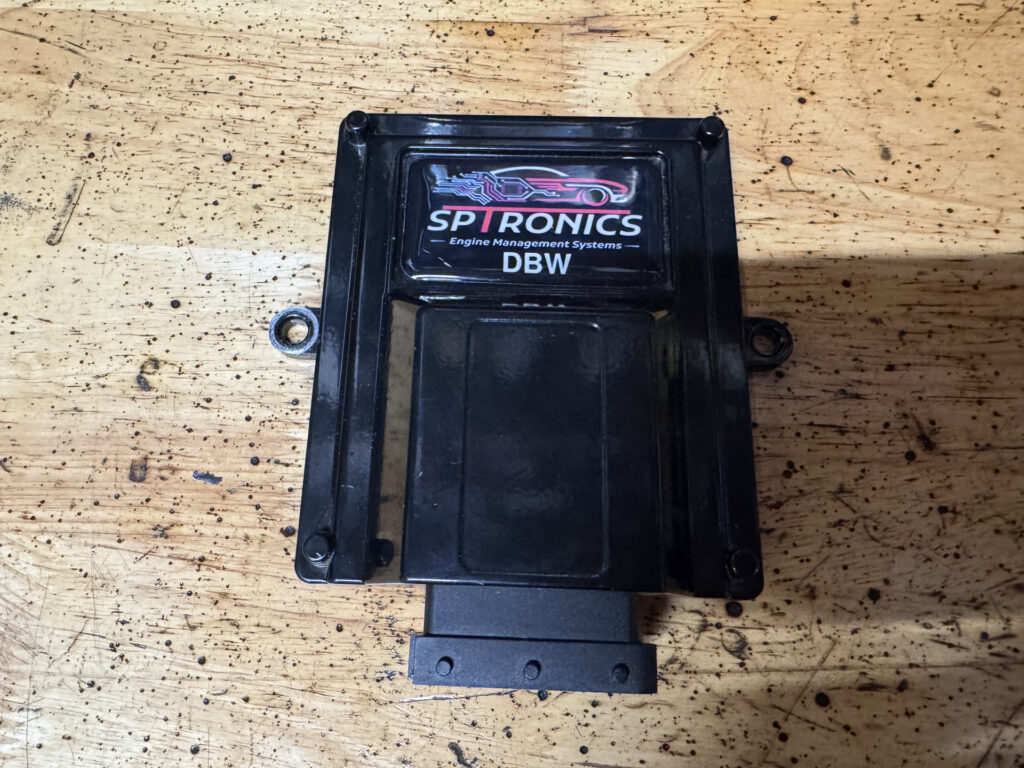
SPTronics Controller
At roughly $150, the SPTronics unit is the budget-friendly entry. While it lacks some of the sophisticated configurability of its rivals—such as firmware update capabilities or configurable CAN termination—it provides a solid, dual-channel solution for users who require basic, reliable DBW functionality without a high overhead cost.
MS Labs and LD Performance
Other notable entries include the MS Labs controller, which offers advanced idle control and multiple throttle maps but faces limited availability in the North American market, and the LD Performance unit. The latter, while affordable at $200, is hampered by a non-waterproof enclosure and a lack of Tuner Studio integration, necessitating installation within the vehicle’s cabin.

Hardware Selection: The Bosch and Honda Integration
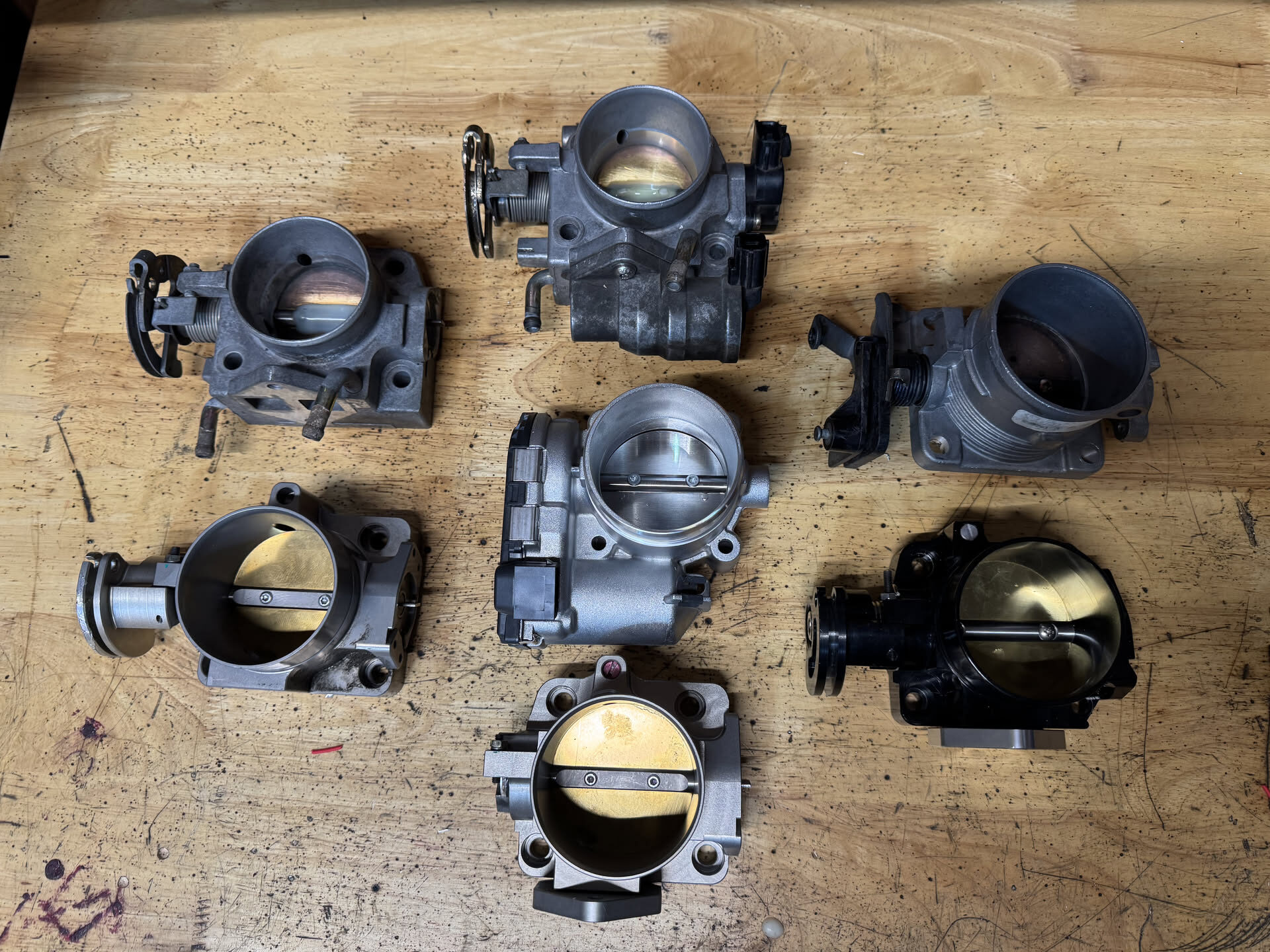
The selection of peripheral hardware is as critical as the controller itself. For the Miata platform, the Bosch Motorsports 60mm electronic throttle body has become the de facto standard. These units are readily available for approximately $150 and are manufactured to OEM standards, ensuring a level of reliability that aftermarket cable-driven units struggle to match.
Because the Bosch unit does not bolt directly to the Mazda intake manifold, the market has seen a rise in CNC-machined adapters. Companies like Outsider Garage and ChathamCNC have filled this void, providing high-tolerance aluminum adapters that allow for a seamless transition from the 1.8L manifold flange to the Bosch pattern.
For the accelerator pedal, a popular "hack" within the community involves the use of a cable-driven sensor from 2003–2007 Honda Accord V6 models. This sensor allows the driver to retain the original Miata throttle cable and pedal assembly. The cable connects to the Honda sensor mounted in the engine bay, which then translates the mechanical pull into a dual-channel voltage signal for the DBW controller. This approach preserves the traditional "pedal feel" while gaining the reliability of an electronic throttle.
Official Responses and Community Consensus
While Mazda North American Operations has not issued statements regarding modifications to vintage platforms, the consensus among professional tuners and amateur racers is clear. The shift to DBW is viewed as a necessary evolution for cars that have moved beyond their original design parameters. "The mechanical cable was never designed to handle the harmonics of a 200-horsepower, 8,000-RPM track engine," noted one lead calibrator during a recent industry tech talk. "Moving the high-frequency vibrations away from the throttle shaft and into a digital signal is simply better engineering."

Broader Impact and Implications for the Tuner Market
The transition of the NB Miata to Drive-By-Wire is a microcosm of a larger trend in the restomod and tuning industry. As modern features like traction control, launch control, and rev-matching become standard in entry-level performance cars, owners of vintage platforms are increasingly looking to bridge the technological gap.
The success of these CAN-bus-based conversions suggests a future where "dumb" mechanical systems are phased out in favor of "smart" nodes. This not only improves reliability but also simplifies the wiring of performance vehicles, as multiple sensors can communicate over a single pair of CAN wires rather than individual, shielded analog cables.

As the 2025 testing phase concludes, the data gathered will likely influence the next generation of standalone ECU development. With the Miata serving as one of the most popular platforms for grassroots motorsports, the move to DBW marks the end of an era for the simple throttle cable and the beginning of a more precise, digitally controlled future. The final selection of a "long-term" controller will serve as a benchmark for other enthusiasts looking to modernize their classic sports cars for the rigors of the modern track.