Chalid Lutfie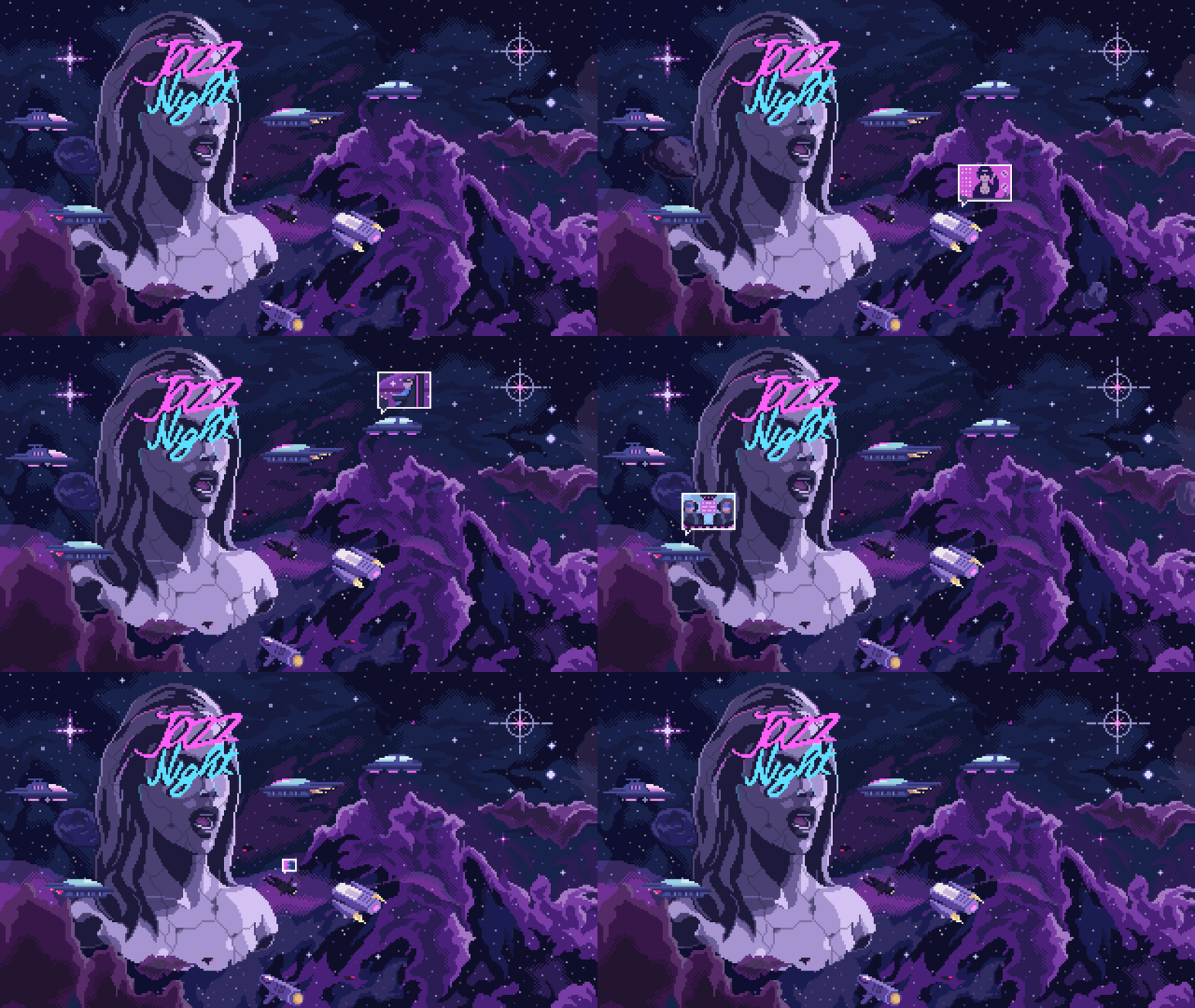
A Fusion of Digital Synthesis and Human Improvisation
The core of The Frequency Modulators Orchestra, Vol. 1 lies in its strict adherence to a specific sonic palette. Every melodic and harmonic element on the record was crafted using FM synthesizers, a method of synthesis that gained massive commercial popularity in the 1980s via the Yamaha DX7 and the sound chips found in the SEGA Genesis/Mega Drive consoles. By pairing these digital timbres with lo-fi drum programming, Irming has created a "synth-funk" soundtrack that bridges the gap between the 16-bit video game era and the sophisticated arrangements of jazz fusion.
The album is structured as a "zany chiptune adventure," but its complexities go beyond mere nostalgia. The record focuses on the degree to which digital synthesis can be transformed into a medium for nuanced, improvised language. In a landscape where electronic music often relies on repetitive loops and quantized rhythms, Irming’s approach leans heavily on live keyboard performance and spontaneous musical expression. This method ensures that while the sounds are undeniably digital, the "feel" remains human, capturing the "in-the-moment" essence of a live jazz quartet.
The Evolution of Juan Irming: From Demoscene to Los Angeles
Juan Irming’s path to this release is rooted in the European demoscene of the late 1980s. As a composer for the world-renowned Atari ST demo crew SYNC, Irming established himself early as a pioneer in hardware-constrained music. The demoscene, a computer art subculture focused on pushing the limits of hardware through coding and audiovisual presentation, provided the foundational training for Irming’s technical proficiency. During this era, he secured several first-place finishes in demo music contests, a testament to his ability to manipulate early sound chips for maximum emotional and rhythmic impact.

Following his move to the United States and his studies at the Musicians Institute in the early 1990s, Irming transitioned into professional composition and sound design. His portfolio is diverse, spanning synthwave, chiptune, hip-hop, and video game soundtracks. Notably, he contributed heavily to the cyberpunk-themed album Introducing Neals by the prominent "geek rapper" YTCracker. This collaboration in 2014 served as a catalyst for The Frequency Modulators Orchestra. While writing the track "Feel Like Leisure Suit Larry" for YTCracker, Irming rediscovered the percussive and "zany" potential of the FM-synth sound, leading to a ten-month creative period dedicated to mastering the genre-bending style featured on his Ubiktune debut.
Technical Context: The Legacy of FM Synthesis
To understand the significance of this release, one must consider the historical context of FM synthesis. Unlike subtractive synthesis, which filters down rich waveforms to create sound, FM synthesis uses one waveform (a modulator) to change the frequency of another (a carrier). This process creates complex harmonics and "metallic" or "glassy" textures that were revolutionary upon their debut in the late 1970s and early 1980s.
However, FM synthesis also earned a reputation for being notoriously difficult to program and "cold" to the ear compared to the warm, drifting oscillators of analog synthesizers. By choosing this specific medium for a jazz-funk album, Amplitude Problem engages in a form of technical subversion. The album challenges the listener’s perception of digital sound by applying the rhythmic swing and harmonic complexity of jazz to a medium often associated with rigid computer bleeps and industrial textures. This "humanization" of the machine is a recurring theme in Irming’s work, reflecting a broader trend in the 2010s toward "retrofuturism"—using old technology to create new, forward-thinking art.
Production and Collaborative Artistry
The production of The Frequency Modulators Orchestra, Vol. 1 involved high-level collaboration to ensure the project met the standards of both the electronic and jazz communities. A critical component of the album’s professional polish is the involvement of Grammy Award-winning mastering engineer Don Grossinger. Grossinger’s credits include work with legendary figures such as Miles Davis, making him an ideal choice for a project that sought to balance digital synthesis with jazz sensibilities. His expertise provided the necessary sonic "warmth" to the final masters, ensuring the digital FM frequencies translated well across modern high-fidelity audio systems.
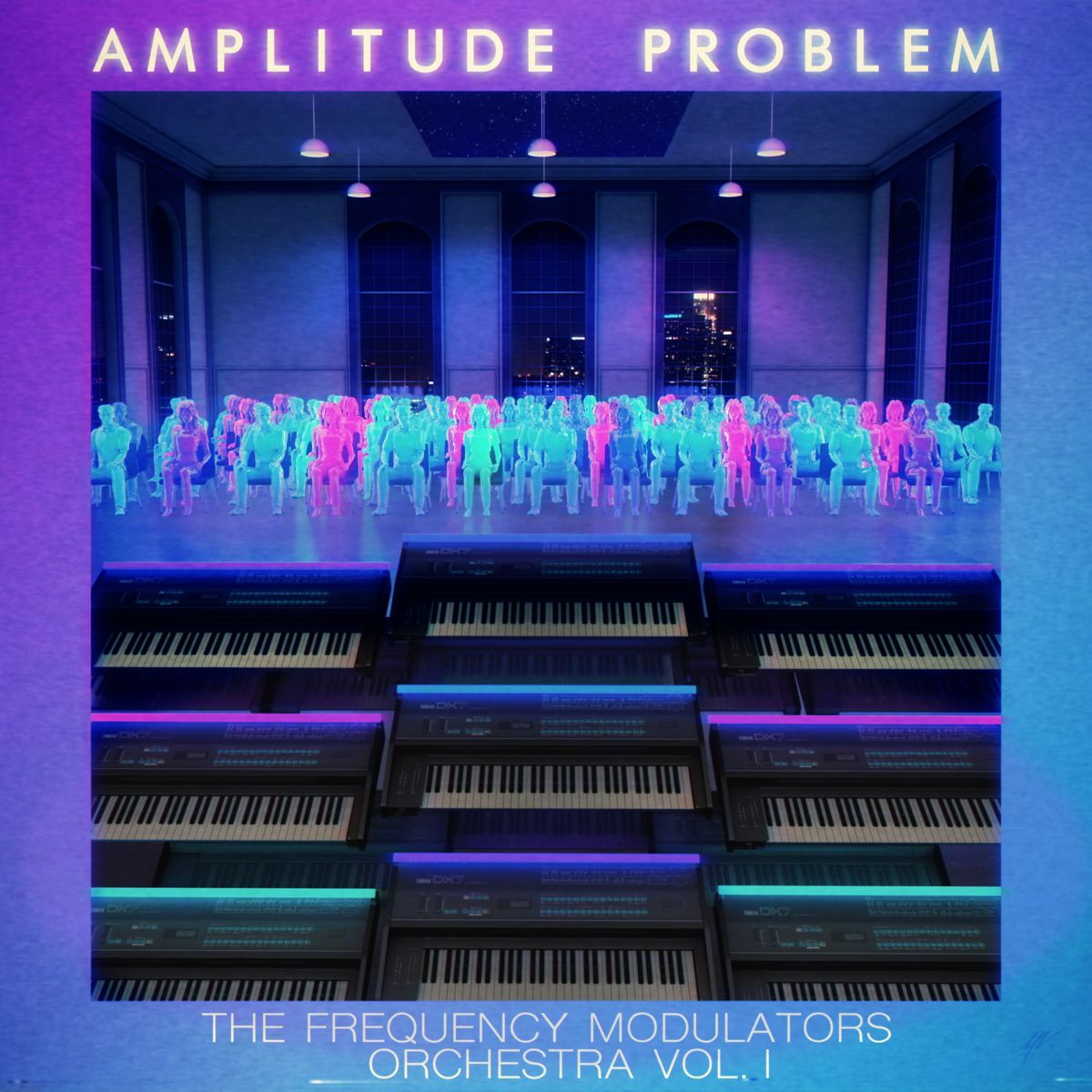
The visual identity of the album was equally curated. The front cover art was designed by Mythical Vigilante, while additional art and pixel-art animations were provided by Valenberg. Valenberg, a well-known figure in the synthwave and pixel-art communities, created a "Jazz Night" animation that serves as a visual counterpart to the music. This synergy between sound and vision is a hallmark of the Ubiktune label, which often emphasizes the intersection of video game aesthetics and contemporary electronic composition.
Behind the Concept: The Frequency Modulators as a Virtual Band
The title of the album reflects Irming’s desire to step away from the traditional "solo producer" identity. By naming the project The Frequency Modulators Orchestra, he conceptualized each FM instrument as an individual band member. This mental framework allowed him to write parts that felt like "conversations" between instruments, mimicking the call-and-response dynamics of a live jazz ensemble.
Irming has described the album as a deeply personal work, with the tracklist serving as an introspective journey. The first four tracks are designed as a "deep introspective," while the final three tracks provide commentary on life and the broader universe. Tracks such as "Ghosts in My Medicine Cabinet" highlight the artist’s commitment to "going all in" with his creative vision, delivering complex, uncompromising compositions that refuse to adhere to the safer tropes of the synthwave genre.
Chronology of Development
The timeline leading to the April 2017 release highlights a methodical approach to the project’s development:

- Late 1980s: Juan Irming joins the SYNC crew on the Atari ST, developing his skills in hardware-based music.
- Early 1990s: Formal musical education at the Musicians Institute.
- 2014: Collaboration with YTCracker on Introducing Neals sparks a renewed interest in FM-chip sounds.
- 2015: The track "Funky Mustache" on the album Blue Bots Dots serves as a proof-of-concept for an all-FM album.
- Late 2015: The conceptual framework for The Frequency Modulators Orchestra is established.
- 2016: A ten-month intensive production period begins, focusing on improvisation and FM programming.
- Early 2017: Mastering by Don Grossinger and visual collaboration with Valenberg and Mythical Vigilante.
- April 25, 2017: Official release on Ubiktune.
Broader Impact and Industry Implications
The release of The Frequency Modulators Orchestra, Vol. 1 comes at a time when interest in 1980s aesthetics—popularized by media like Stranger Things and the rise of the "Outrun" subculture—has reached a mainstream peak. However, Amplitude Problem’s work distinguishes itself by eschewing the more common "neon" tropes of synthwave in favor of a more intellectually rigorous and musically demanding style.
By integrating the complexities of jazz with the constraints of chiptune and FM synthesis, the album contributes to a growing movement of "high-art" electronic music that draws from video game history. Ubiktune, as a label, has been at the forefront of this movement, and the addition of Amplitude Problem to their roster reinforces their commitment to artists who challenge the boundaries of digital music.
The album also highlights the continued relevance of veteran demoscene artists in the modern music industry. Figures like Irming, who began their careers working within the extreme limitations of 8-bit and 16-bit hardware, are uniquely positioned to navigate the modern digital landscape. Their ability to extract emotion and complexity from "primitive" sound sources provides a valuable counterpoint to the infinite choices offered by modern software instruments.
As The Frequency Modulators Orchestra, Vol. 1 becomes available on major streaming services and digital shops, it stands as a testament to the versatility of FM synthesis. It serves as a bridge between generations—appealing to the older demoscene community, the modern synthwave audience, and discerning jazz fans alike. Through this release, Juan Irming has successfully demonstrated that the "frequency modulator" is not just a tool for generating sound, but a vehicle for profound human expression.