Chalid Lutfie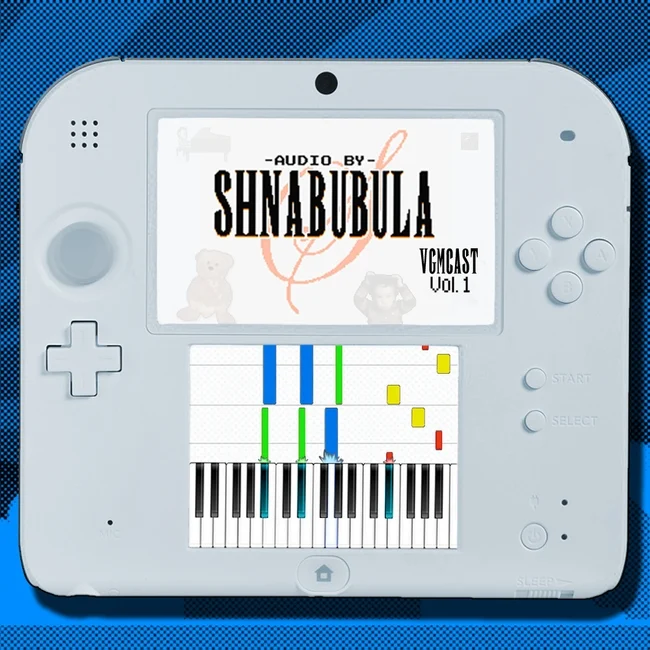
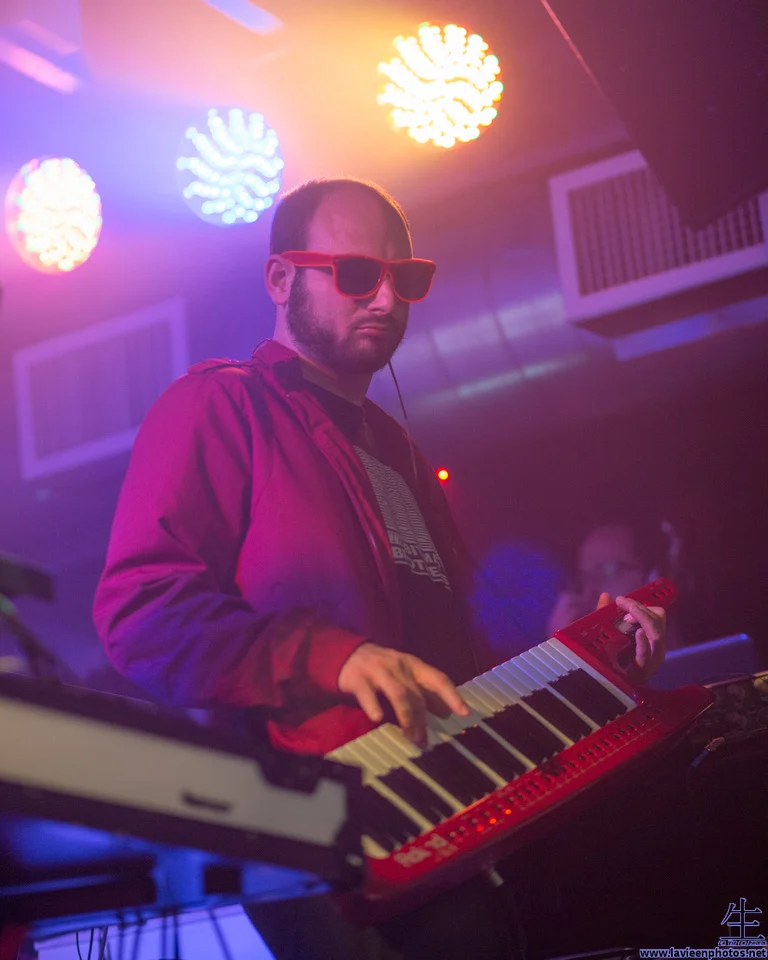
Samuel Ascher-Weiss, the prolific virtuoso pianist and composer known professionally as Shnabubula, has officially inaugurated a new interactive musical project designed to bridge the gap between technical mastery and live audience engagement. Operating through the Hitbox streaming service, the project represents a significant evolution in the video game music (VGM) arrangement scene, tasking the artist with a grueling schedule of rapid repertoire acquisition and high-stakes performance. The initiative, which debuted in mid-May 2015, utilizes a two-stage weekly format: an eight-and-a-half-hour "learning marathon" every Friday, followed by a polished recital every Sunday. This workflow not only showcases Ascher-Weiss’s renowned improvisational and transcription skills but also serves as a pedagogical experiment in real-time musical digestion and community-driven content creation.
The Structural Framework of the Interactive Residency
The core of Shnabubula’s new endeavor is built upon a rigid, transparent schedule designed to maximize both productivity and fan interaction. Every Friday, beginning at 12:00 PM EST and concluding at 8:30 PM EST, Ascher-Weiss hosts a live stream on Hitbox.tv. During this window, the audience is invited to submit requests, which often range from obscure chiptune tracks and modern orchestral video game scores to complex jazz standards and pop compositions.
The "Friday session" is characterized by its raw, behind-the-scenes nature. Unlike traditional performances, this segment focuses on the process of "learning live." Ascher-Weiss utilizes his well-documented perfect pitch and deep understanding of music theory to transcribe these requests by ear in real-time, arranging them for solo piano or electronic synthesis on the fly. This eight-hour endurance test serves as both a public practice session and a collaborative curation process.
Following a 48-hour period of refinement, the second phase of the project occurs on Sunday at 4:00 PM EST. During this broadcast, Shnabubula performs a curated setlist consisting of the material learned during the previous Friday. This structured approach allows the artist to move from the "rough draft" stage of a transcription to a sophisticated, performance-ready arrangement, providing the audience with a sense of narrative progression and investment in the final output.
Chronology of Samuel Ascher-Weiss and the VGM Arrangement Movement
To understand the significance of this project, one must look at the trajectory of Samuel Ascher-Weiss within the digital music landscape. Ascher-Weiss rose to prominence in the early 2000s as a key contributor to OverClocked ReMix (OC ReMix), an organization dedicated to the appreciation and rearrangement of video game music. His early works, such as "Donut Lifts" and various arrangements from the Mega Man and Final Fantasy franchises, established him as a musician capable of blending technical complexity with whimsical, often avant-garde sensibilities.
By the late 2000s and early 2010s, Ascher-Weiss had transitioned from a hobbyist arranger to a professional composer and performer. His 2012 album, Game Music Concert, further solidified his reputation for "impossible" piano arrangements—pieces that pushed the boundaries of human dexterity. The launch of his 2015 Hitbox project marks a transition into the "live-streaming era" of music production. This shift mirrors a broader trend in the mid-2010s where independent musicians began bypassing traditional distribution channels in favor of direct-to-consumer platforms that emphasize "process as product."
Technical Analysis of the First Performance Cycle
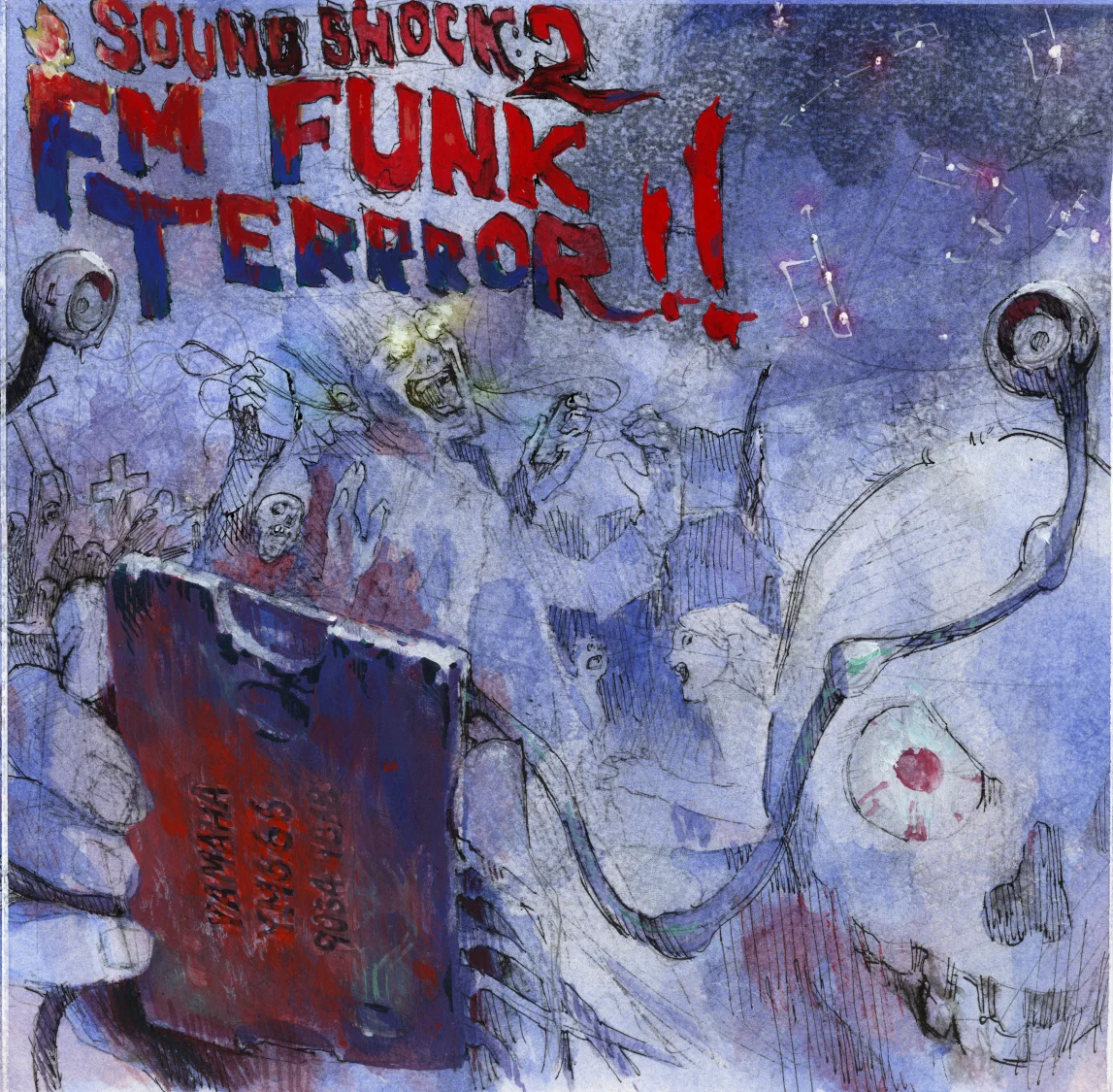
The efficacy of this new format was demonstrated in the most recent cycle, where Ascher-Weiss successfully learned and performed 14 distinct songs within a single week. The repertoire covered a vast stylistic range, reflecting the diverse tastes of the VGM community. The recording of this session, subsequently uploaded to YouTube, serves as a testament to the speed of his cognitive processing.
From a technical standpoint, the 14-song setlist required Ascher-Weiss to navigate varying rhythmic signatures, harmonic structures, and tonal languages. The process involves more than mere memorization; it requires the artist to identify the "hook" or essential DNA of a track and translate it into a medium—the piano—that may be fundamentally different from the original source material (often 8-bit or 16-bit synthesized sound chips). Observers of the stream noted the artist’s ability to break down complex polyphonic structures from titles such as Castlevania or Chrono Trigger and reassemble them into cohesive solo piano suites in a matter of minutes.
Streaming Platforms and the Competitive Landscape of 2015
The choice of Hitbox.tv as the primary platform for this project is a notable detail in the context of the 2015 digital landscape. While Twitch.tv remained the dominant force in the streaming industry, Hitbox attempted to carve out a niche by offering lower latency and more robust community tools for creators. For a musician like Shnabubula, low latency is a critical requirement; it allows for near-instantaneous feedback from the chat, enabling a tighter loop between a user making a request and the artist responding to it.
Furthermore, the decision to offer the resulting recordings as downloadable albums reflects a savvy understanding of the "long-tail" economy. By archiving these live sessions and providing them as high-quality digital downloads, Ascher-Weiss ensures that the ephemeral nature of a live stream is captured in a permanent, monetizable format. This strategy addresses the primary challenge of the streaming medium: the difficulty of retaining value once the "live" window has closed.
Community Reception and Inferred Impact
While official statements from Hitbox management have not been released, the reaction from the VGM community has been overwhelmingly positive. Discussion forums and social media threads indicate that fans value the transparency of the project. In an era where digital editing can mask a performer’s true skill, the "learn it live" format provides an undeniable proof of concept for Ascher-Weiss’s virtuosity.
Music educators have also taken note of the project’s implications for ear training and pedagogy. By broadcasting the struggle, the mistakes, and the eventual breakthroughs associated with learning a difficult piece of music, Ascher-Weiss demystifies the creative process. This transparency is seen as a valuable resource for aspiring musicians who may find the polished nature of studio recordings intimidating.
Broader Implications for the Future of Live Music
The Shnabubula Hitbox project is more than a series of concerts; it is a case study in the future of the "gig economy" for highly skilled specialists. As traditional venues for jazz and classical performance continue to face economic pressures, digital residencies offer a viable alternative. This model allows an artist to cultivate a global audience without the overhead costs of touring, while maintaining a level of intimacy that was previously only possible in small club settings.
Furthermore, the project highlights the growing legitimacy of video game music as a genre worthy of serious technical study. By treating a theme from a 1980s Nintendo game with the same analytical rigor as a Chopin etude, Ascher-Weiss contributes to the ongoing cultural elevation of the medium. The 14 songs mastered in the inaugural week represent a microcosm of this movement—a fusion of nostalgia, technical skill, and modern digital distribution.
Future Outlook and Project Sustainability
As the project moves forward, the primary challenge for Ascher-Weiss will be the sustainability of the eight-hour Friday sessions. The physical and mental toll of continuous high-level performance and transcription is significant. However, the project’s structure—incorporating a download link for each week’s output—creates a self-sustaining cycle of content that can be archived and revisited.
In conclusion, Samuel "Shnabubula" Ascher-Weiss has successfully leveraged the unique capabilities of live-streaming technology to create a new form of musical performance. By inviting the audience into the "lab" where music is deconstructed and rebuilt, he has created a compelling narrative that extends beyond the notes themselves. This project stands as a benchmark for how virtuoso performers can adapt to the digital age, turning the act of practice into a premiere event. The 14-song recording currently available to the public is just the beginning of what promises to be an extensive and influential body of work in the realm of modern VGM arrangement.