Retno Hari Mulyono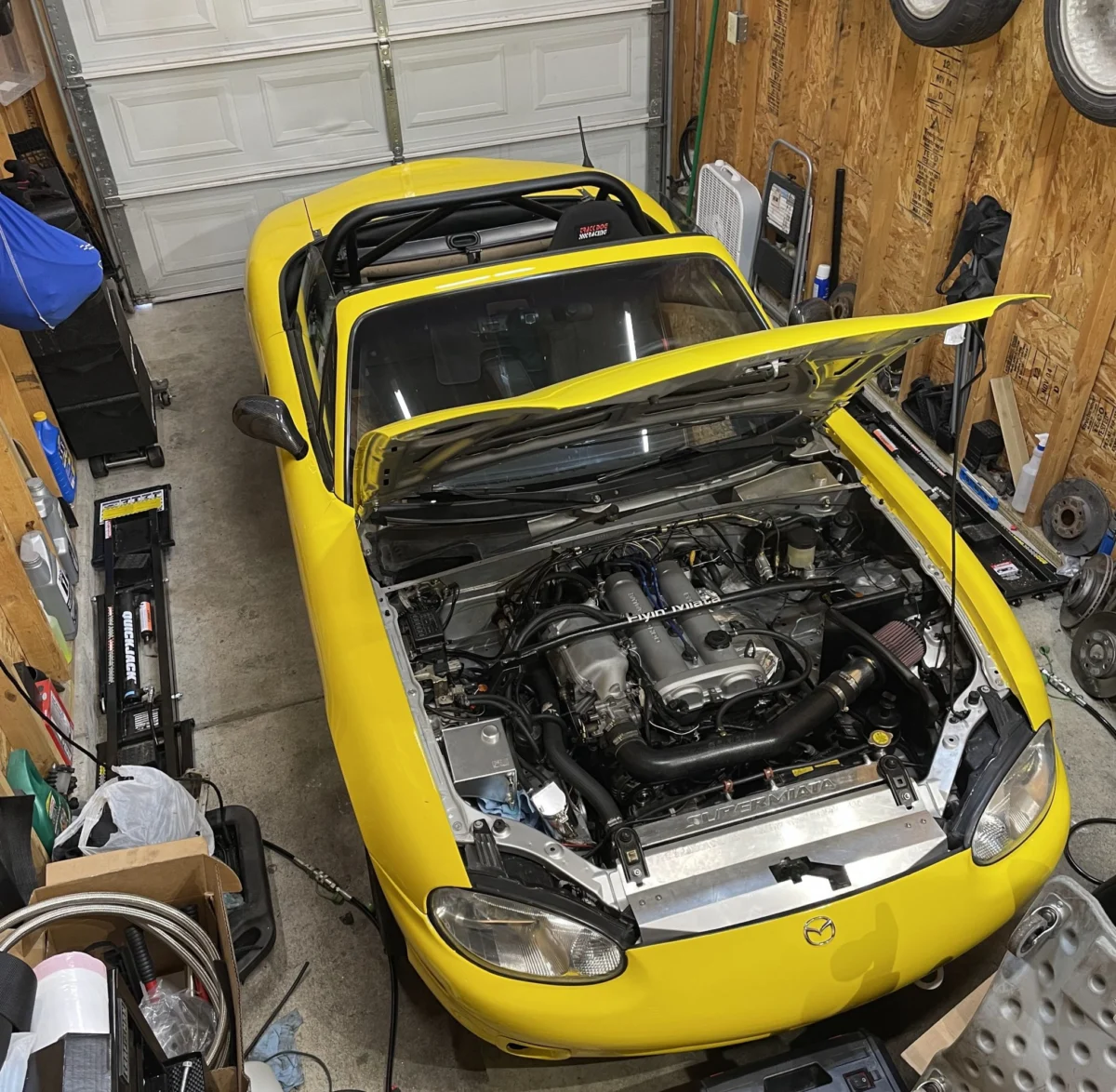
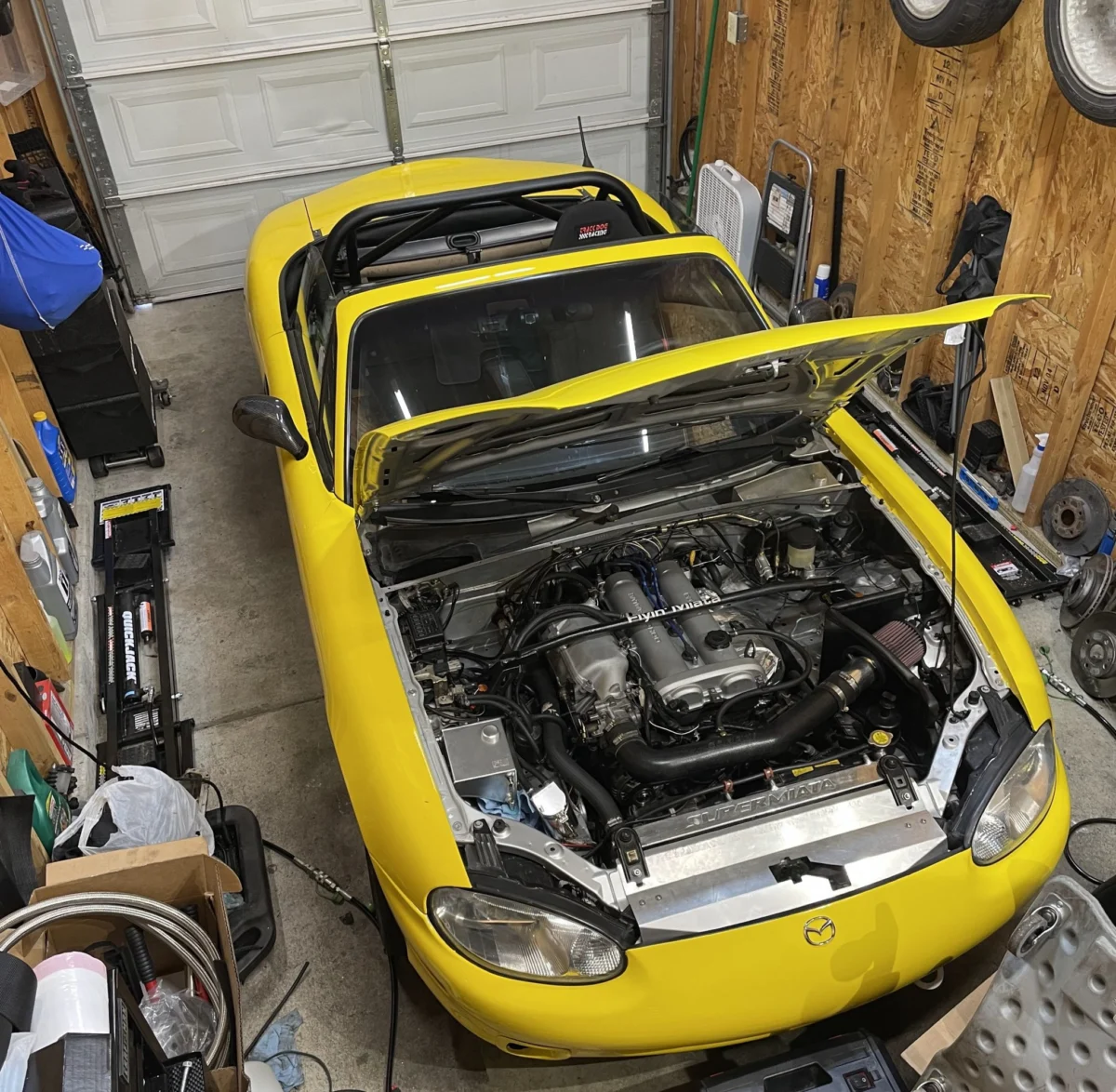
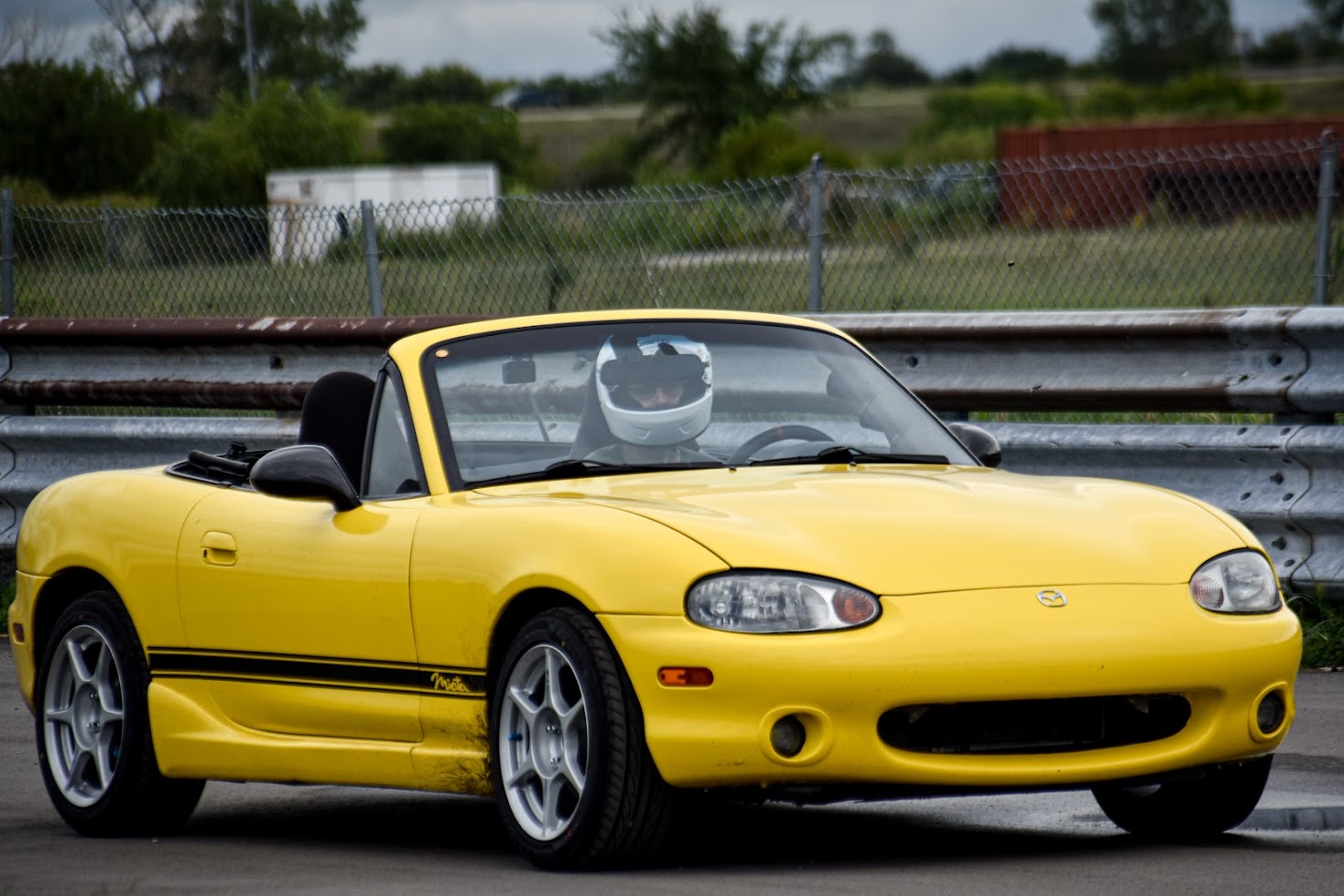
The Mazda MX-5 NB generation, produced between 1998 and 2005, remains one of the most prolific platforms in grassroots motorsports due to its lightweight chassis and sophisticated double-wishbone suspension architecture. As these vehicles age, the rubber components, dampers, and drivetrain elements often reach the end of their service life, necessitating a comprehensive refresh to maintain competitive edge and safety on the track. A recent technical overhaul of an NB Miata illustrates the complexity and precision required to transition a high-mileage street vehicle into a track-capable machine, focusing on bushings, hubs, drivetrain stability, and high-end damping solutions.
The Strategic Objectives of Suspension Refreshing
The primary goal of a suspension overhaul is to eliminate the "slop" associated with degraded factory components while simultaneously improving the vehicle’s mechanical grip and transient response. For the NB Miata, this involves a multi-faceted approach: stiffening the pivot points of the control arms, ensuring the integrity of the wheel hubs under high lateral loads, and integrating a limited-slip differential to optimize power delivery.
In a professional track preparation environment, the "while-you-are-in-there" philosophy is often applied. This means replacing wearable items like ball joints and tie rod ends regardless of their current state to establish a "Day Zero" maintenance baseline. This approach mitigates the risk of mid-season mechanical failures, which can be both costly and dangerous during high-speed sessions.
Technical Analysis of Control Arm Bushings and Installation Challenges
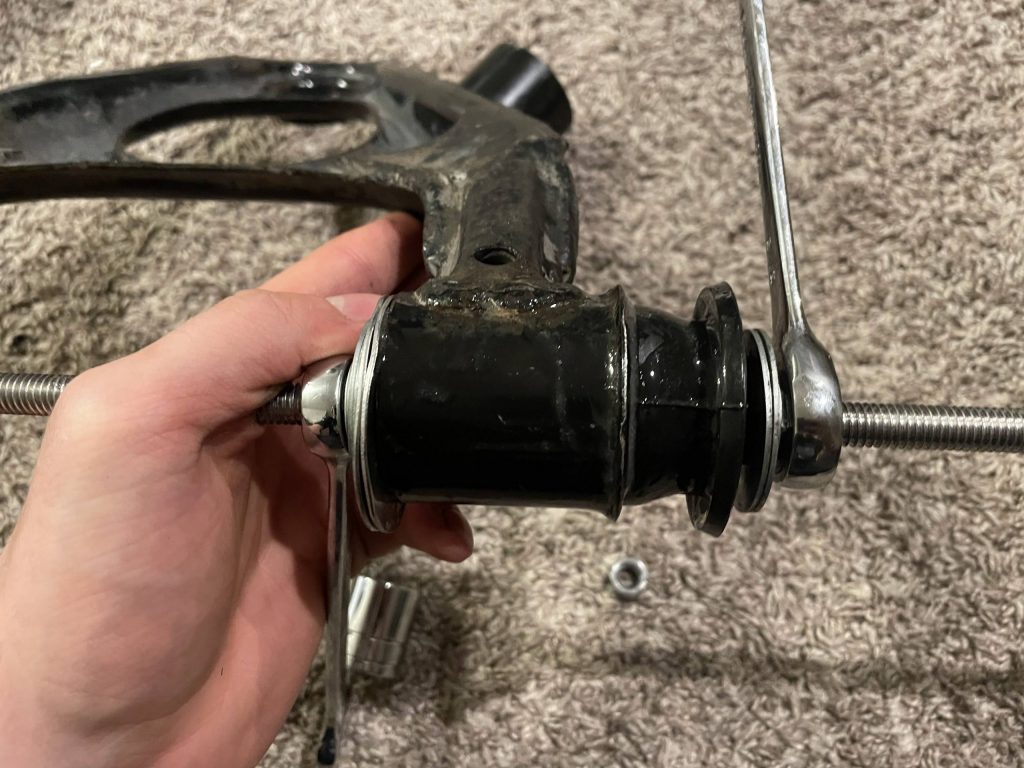
One of the most critical aspects of the NB Miata suspension is the set of 22 bushings found within the front and rear control arms. The factory rubber bushings are designed for comfort, allowing for significant deflection under load. For track applications, this deflection leads to inconsistent alignment settings during hard cornering.
The selection of IL Motorsports stiffened rubber bushings represents a middle ground between factory comfort and the harshness of polyurethane. These bushings are approximately 30-40% stiffer than the original equipment manufacturer (OEM) units, mirroring the specifications of the now-discontinued Mazdaspeed competition bushings. Unlike polyurethane alternatives, these rubber units do not require periodic lubrication and maintain the "silent" operation desired for dual-duty vehicles.
However, the installation process reveals significant mechanical risks. Utilizing a hydraulic press on the rear upper control arms without proper bracing can lead to structural deformation. Industry experts recommend a "threaded rod" method, utilizing heavy-duty washers and nuts to pull the bushings into place, thereby ensuring the force is localized and does not bend the thin-walled control arm stampings. Furthermore, the removal of the long "bolt of doom"—the rear lower control arm to knuckle bolt—often requires heat or significant kinetic force due to galvanic corrosion, a common issue in regions where road salt is prevalent.
Front-End Geometry and Hub Reliability
The front-end service of an NB Miata typically includes the replacement of upper and lower ball joints and outer tie rod ends. High-quality kits, such as those provided by Supermiata, ensure that the steering geometry remains precise. While the lower ball joints are bolt-on units, the upper ball joints require pressing into the control arm, a task that demands precision to avoid damaging the arm’s socket.

A critical safety consideration for any tracked Miata is the integrity of the front wheel hubs. The Miata’s hub design is known to be a weak point under the stress of R-compound tires and high-downforce aero packages. While professional racing teams often opt for "billet" or "drop" spindles, standard Centric front hubs with pre-installed bearings offer a cost-effective solution for street and light track use. In the rear, replacing the entire knuckle and hub assembly with rebuilt OEM units can save significant labor time, as it bypasses the need to press bearings in a home workshop environment.
Drivetrain Optimization: The Torsen Differential Swap
For base model NB Miatas equipped with an "open" differential, power delivery is significantly compromised. An open differential sends power to the wheel with the least resistance, which, in a corner, is the unweighted inside wheel. This results in "one-wheel peel" and a lack of drive out of turns.
The integration of a Torsen (Torque Sensing) limited-slip differential is a transformative upgrade. The 4.30 ratio Torsen is particularly sought after for the 1.8L engine, as it provides shorter gearing that keeps the engine in its power band. Market data shows these units have appreciated significantly, often fetching over $1,000 in the used market. Acquiring the internal gears and retrofitting them into the existing aluminum carrier (or "pumpkin") is a viable path for enthusiasts looking to manage costs.
To complement the Torsen unit, the installation of polyurethane differential bushings is recommended. These bushings reduce the movement of the differential housing within the subframe, preventing "wheel hop" and ensuring that torque is transferred more directly to the axles. The removal of factory bushings typically requires drilling out the rubber center and using a punch or air hammer to collapse the outer metal sleeve.
High-Performance Damping: The Xida Race Solution
The most significant performance gains in a Miata suspension overhaul come from the dampers. While "budget" coilovers often prioritize aesthetics and low ride height over shock travel and valving quality, high-end options like the Supermiata Xida Race coilovers are engineered specifically for the Miata’s motion ratios.
The Xida Race setup utilized in this overhaul features an 800 lbs/in front and 500 lbs/in rear spring rate. On a standard shock, such rates would be punishingly stiff; however, the sophisticated valving of the Xida shocks allows them to remain compliant over road imperfections while providing immense body control. The inclusion of helper springs ensures that the main springs remain seated even at full suspension droop, a critical feature for maintaining predictable handling over crests or curbing.
Observations from initial testing indicate that these dampers eliminate the "floaty" sensation associated with OEM shocks at high speeds. By reducing body roll through spring rate rather than excessively thick sway bars, the suspension retains its independence, allowing each wheel to track the pavement more effectively.
The Debate Over Sway Bar Upgrades
A common point of contention in the Miata community is whether to upgrade to larger-diameter sway bars. While a thicker front bar can reduce body roll and improve turn-in, it can also introduce understeer and reduce the independence of the suspension.
For vehicles equipped with high spring rates (such as 800/500), the need for massive sway bars is diminished. Stiffer springs handle the majority of the roll resistance, allowing the sway bars to act as fine-tuning tools rather than primary load-bearing components. Many tuners suggest retaining the stock bars initially to evaluate the car’s balance, as a neutral-handling car is often faster and more forgiving than one biased toward heavy understeer or oversteer.
Broader Impact and Maintenance Implications
The comprehensive refresh of an NB Miata suspension serves as a case study in the longevity of the platform. By replacing 20-year-old rubber with modernized components, the vehicle’s "mechanical age" is effectively reset. This not only improves performance but also enhances the safety of the vehicle for both street and track use.
Data from track-day organizations suggests that mechanical failures are a leading cause of incidents. By addressing hubs, ball joints, and bushings proactively, owners contribute to a safer track environment. Furthermore, the shift toward high-quality dampers like Xidas reflects a maturing market where enthusiasts are increasingly willing to invest in functional engineering over superficial modifications.
Chronology of the Overhaul Process
The execution of a full suspension and drivetrain refresh follows a logical sequence to maximize efficiency:
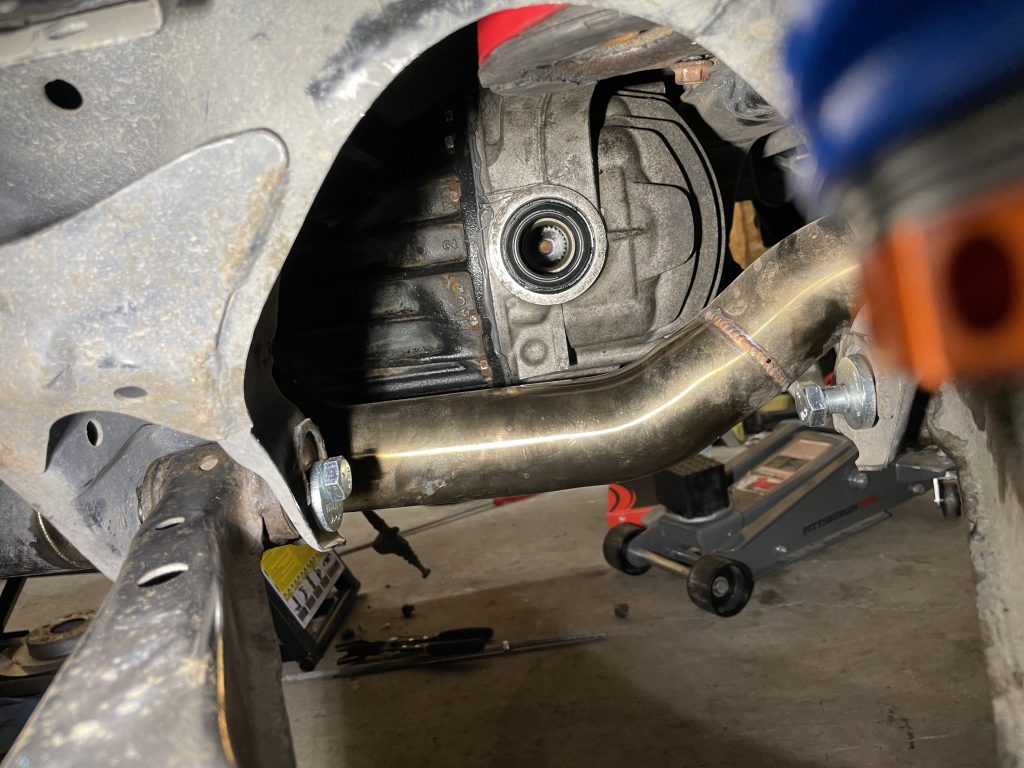
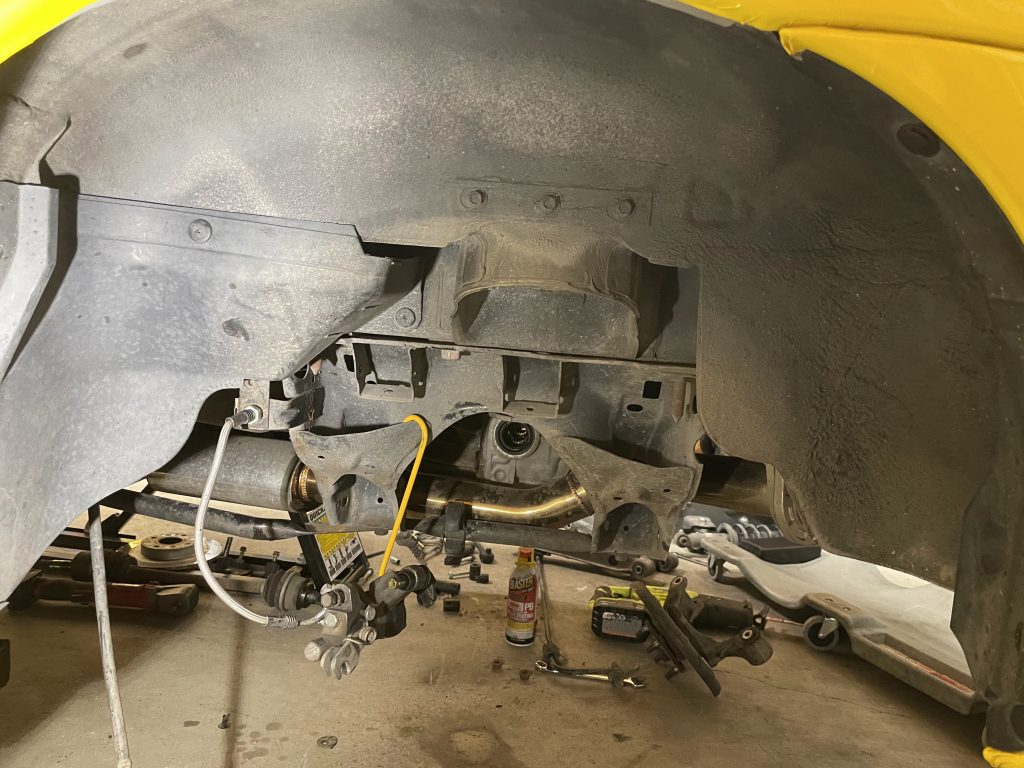
- Disassembly: Complete removal of front and rear control arms, knuckles, and the differential housing. This stage involves the most risk regarding seized hardware.
- Bushing Extraction and Installation: The labor-intensive process of removing old rubber and pressing in the new IL Motorsports units.
- Drivetrain Retrofit: Swapping the Torsen internals into the carrier and replacing the differential bushings.
- Front-End Component Replacement: Pressing in new ball joints and installing new tie rod ends and hubs.
- Coilover Integration: Installing the Xida Race units and setting the initial ride height.
- Alignment and Corner Balancing: A critical final step to ensure the new components work in harmony, typically targeting a "track" alignment with increased negative camber.
Final Analysis of Implications
The results of such an extensive overhaul are multifaceted. From a performance standpoint, the vehicle gains a level of predictability and "connectedness" that is impossible to achieve with aged factory parts. The Torsen differential allows for aggressive throttle application mid-corner, while the Xida dampers provide the stability needed for high-speed sweepers.
From a value perspective, while the initial investment in parts—exceeding several thousand dollars—is significant, it preserves the vehicle’s utility and market appeal. As clean NB Miatas become rarer, those with documented, high-quality suspension and drivetrain maintenance will likely command a premium. For the owner, the reward is a vehicle that transcends its original design limitations, offering a driving experience that rivals much more modern and expensive sports cars. The winter maintenance cycle thus proves to be the foundation of a successful and reliable racing season.