Retno Hari Mulyono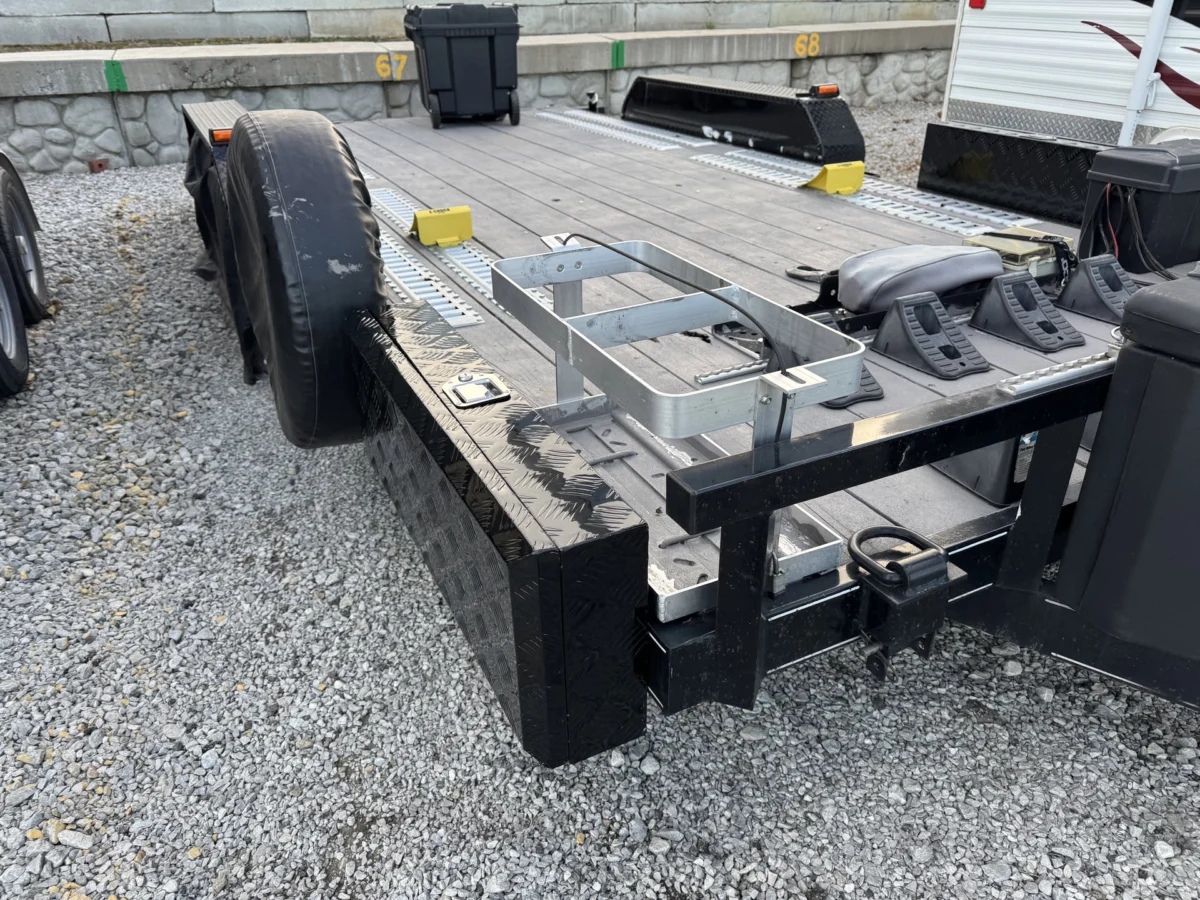
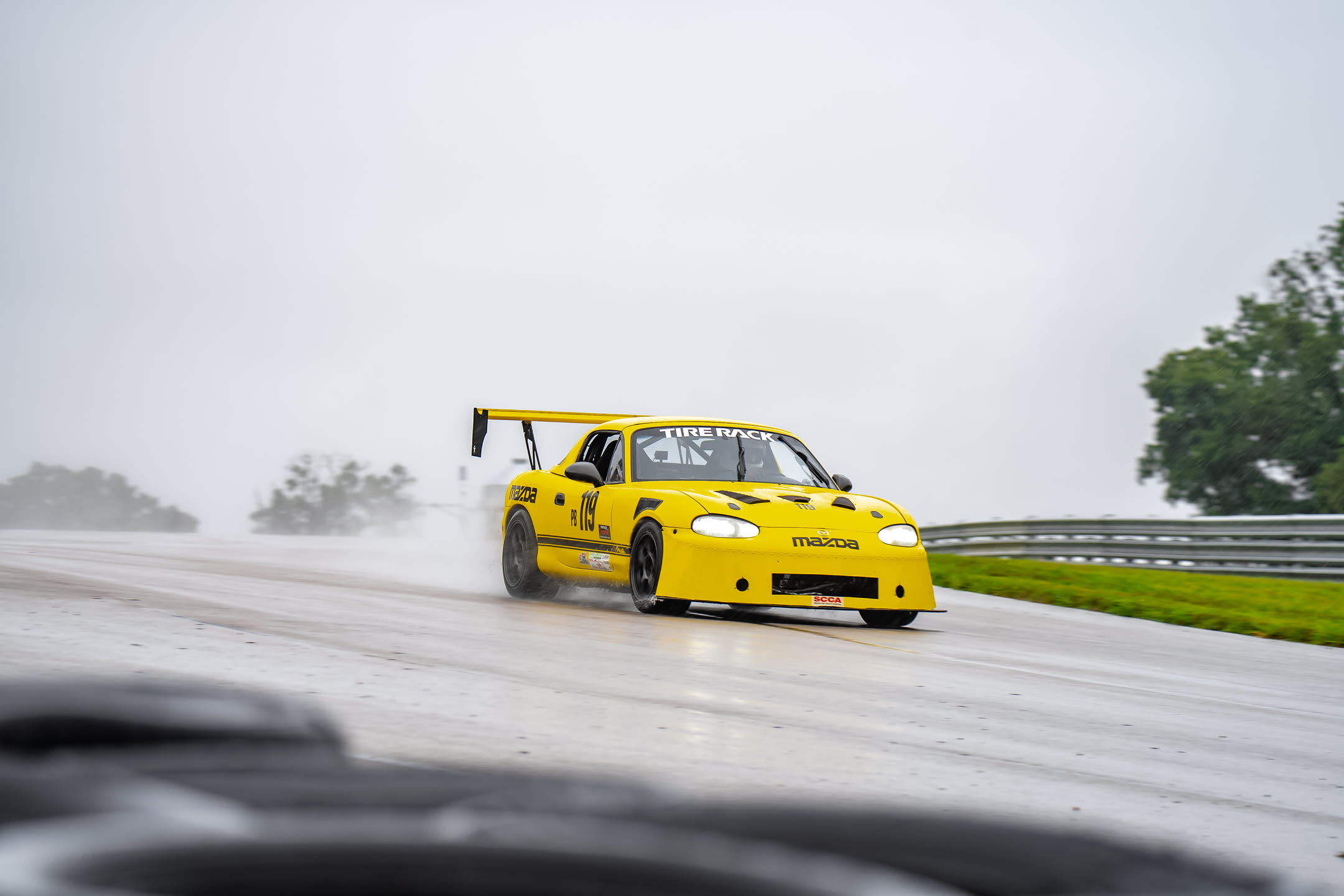
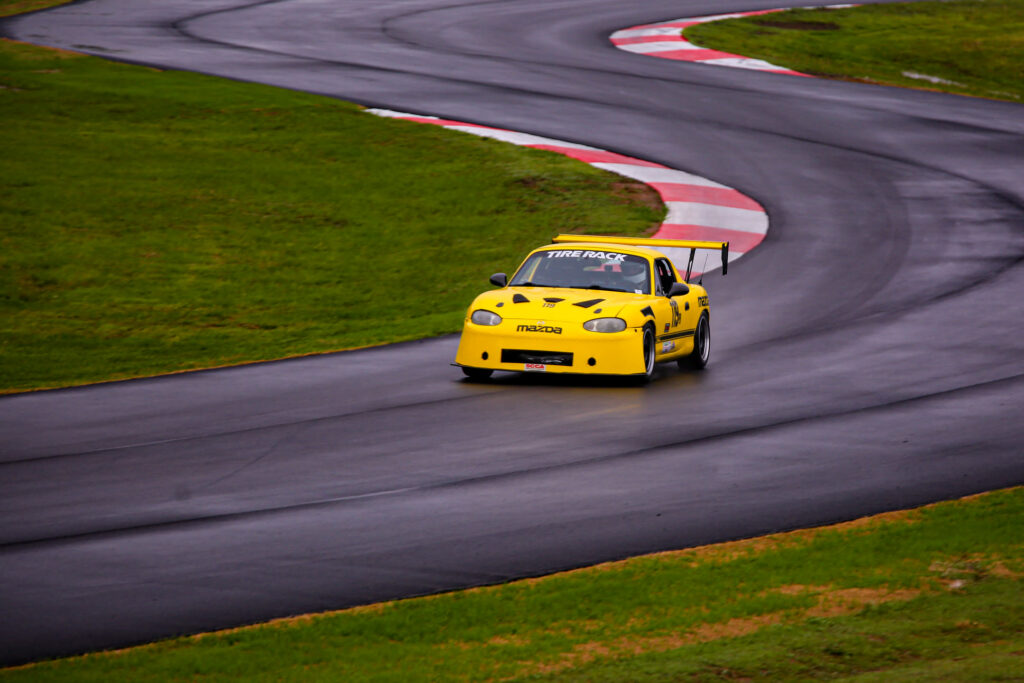
The Mazda MX-5 Miata, specifically the second-generation NB platform produced between 1998 and 2005, has long served as a benchmark for grassroots motorsports and amateur time-trial competition. In a detailed retrospective covering the fifth year of a specific 2000 model year project, technical data and operational history reveal a significant shift from basic performance bolt-ons to advanced systems engineering. This period, spanning from March 2025 through February 2026, highlights the challenges of maintaining a dedicated track vehicle while pursuing incremental gains in reliability, driver ergonomics, and mechanical grip.
Engine Performance and Dynamometer Analysis
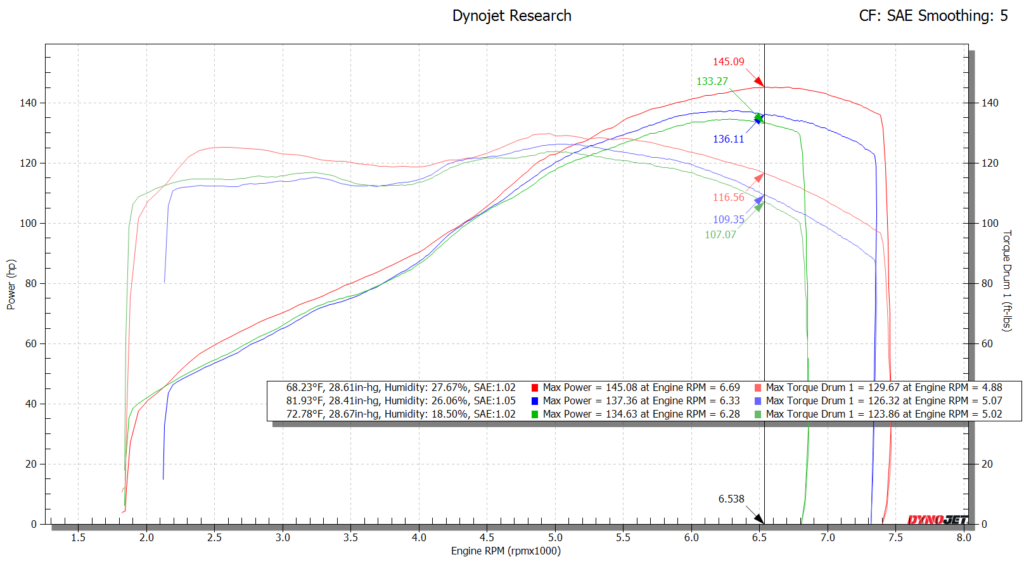
The performance cycle for the 2025 season commenced in March with a standardized evaluation of the vehicle’s power output. Utilizing a Dynojet dynamometer to ensure year-over-year data consistency, the vehicle was tested for compliance with the Sports Car Club of America (SCCA) Mid-States Division (MiDiv) time-trial classing. The primary mechanical variable for the current year was the transition from a JDM-spec "square top" intake manifold to a Skunk2 high-performance unit.
The results indicated a peak output of 145.09 wheel horsepower (whp) and 129.67 lb-ft of wheel torque. When compared to the baseline figures from the previous two years—recorded at 133.27 whp and 136.11 whp respectively on a different Dynojet unit—the data suggests a significant upward trend in top-end power. This represents a nearly 26% increase over the approximately 115 whp typically produced by a stock NB Miata utilizing the factory Electronic Control Unit (ECU). Analysts note that while variations between different dynamometers can account for minor discrepancies, the consistent use of the MS3Pro Evo standalone ECU remains the primary driver of these performance gains.
Operational Challenges and Component Failures
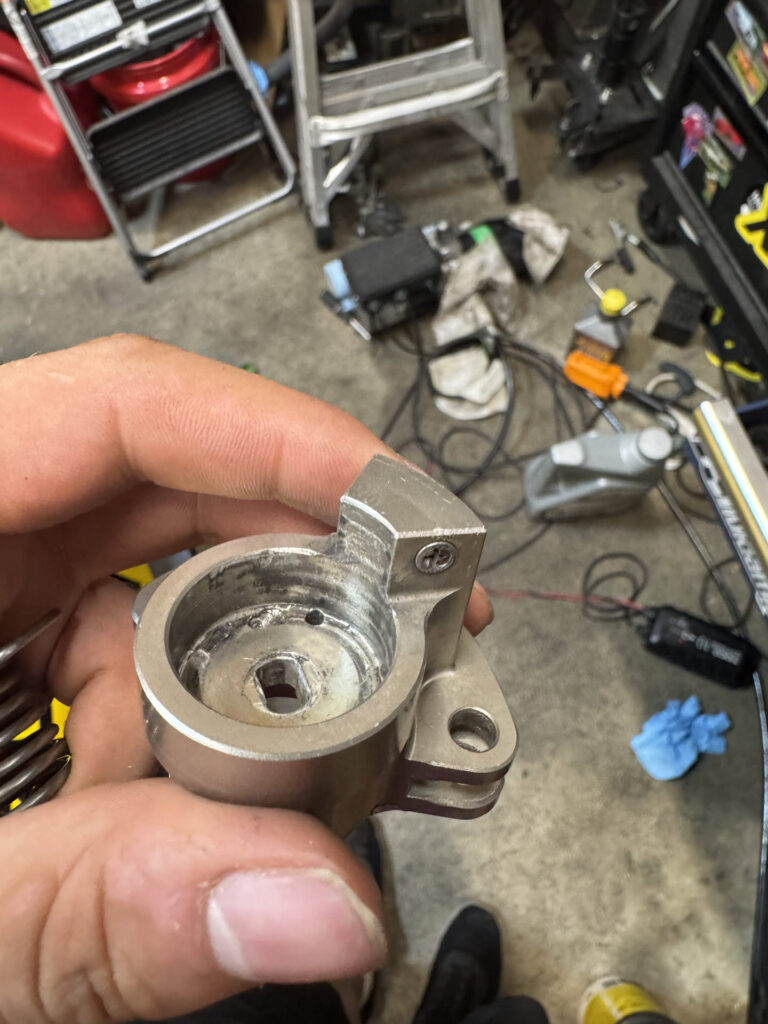
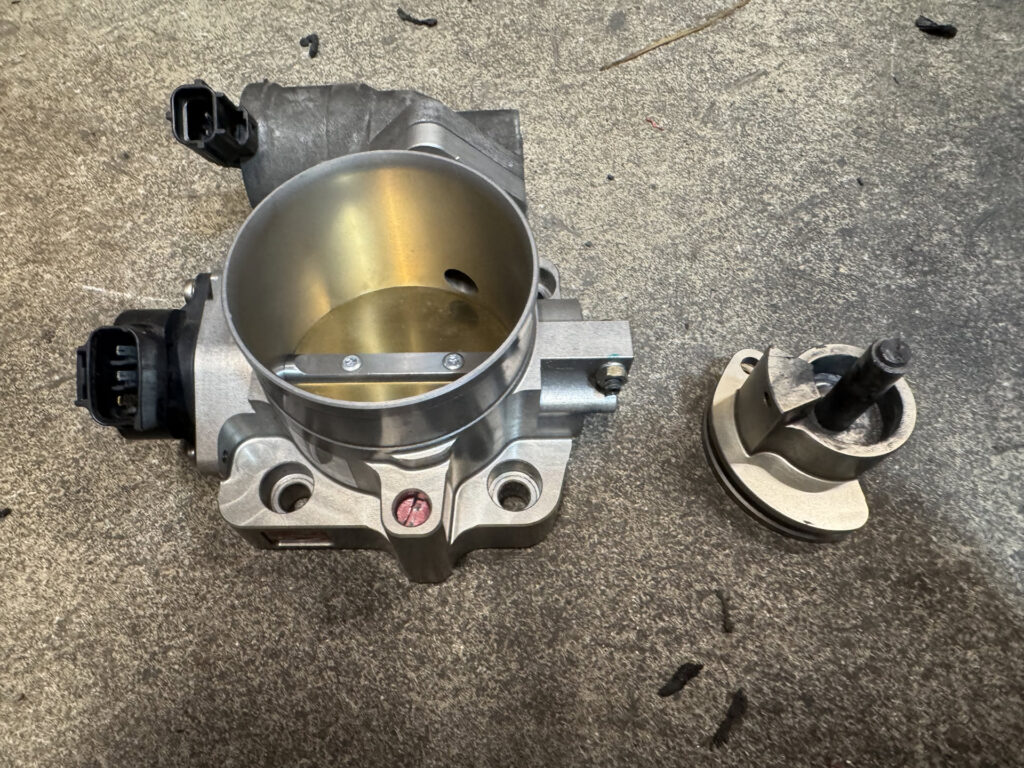
The rigors of competitive track use frequently expose weaknesses in aftermarket components not found during street operation. In May 2025, during a test session at the I29 Speedway, the vehicle suffered a critical failure of the throttle return spring on the Skunk2 throttle body. This malfunction presented a significant safety risk, as the throttle plate failed to close fully upon pedal release. Although the operator was able to implement a temporary field repair by reshaping the remaining spring coil, the incident underscored a recurring theme in high-stringency environments: the trade-off between increased flow capacity and mechanical durability.
A more severe failure occurred in August 2025 at High Plains Raceway. During a timed hot lap, the throttle body shaft fractured completely. While the engine was spared from ingesting metallic debris, the failure necessitated a tow from the circuit and the immediate abandonment of the aftermarket throttle body in favor of the OEM Mazda unit for the remainder of the competitive season. These successive failures prompted a strategic pivot in the vehicle’s technical development, moving away from cable-driven mechanical linkages toward electronic solutions.
Strategic Investments in Logistics and Maintenance
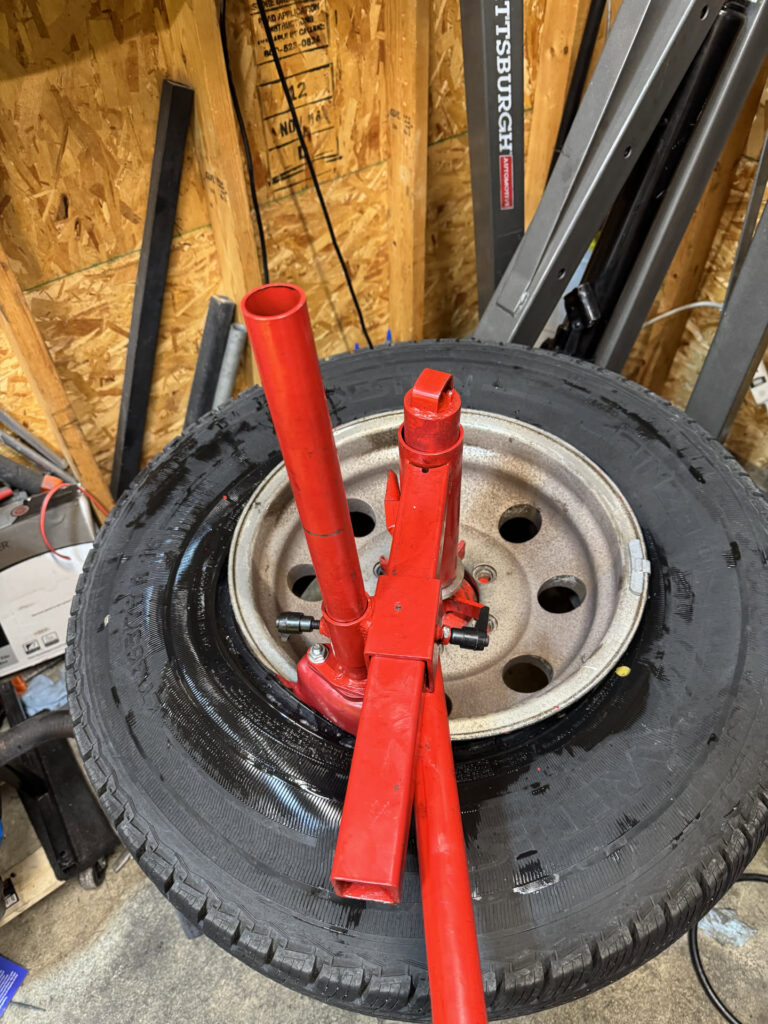
As the costs of professional track support continue to rise, many amateur racers have moved toward vertical integration of maintenance services. In June 2025, the project’s scope expanded to include DIY tire service capabilities. By acquiring a manual tire changer equipped with a modified "duckhead" attachment and a bubble balancer, the operator achieved a return on investment within a single season.
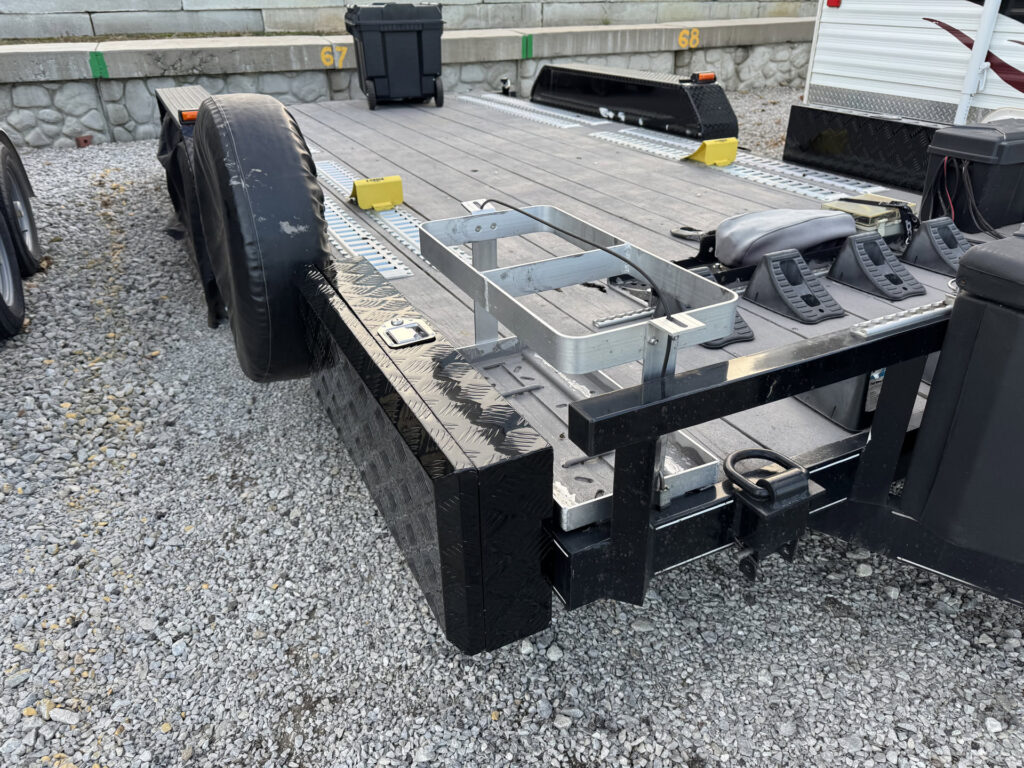
Technical analysis of this shift suggests that DIY mounting and balancing can yield results comparable to, or exceeding, those of commercial tire shops, particularly regarding the precision of balance on 200-treadwear (200TW) performance tires. Furthermore, enhancements to the vehicle’s logistics chain included upgrades to the open car hauler. The installation of an E-track tie-down system facilitated more secure transport. Unlike traditional axle straps or wheel-loop tie-downs, which are prone to loosening as the vehicle’s suspension settles over the first 50 miles of transit, the E-track system provides constant tension, reducing the risk of vehicle shift during long-distance hauls to regional circuits.
Advanced Technical Integration: The Shift to Drive-by-Wire
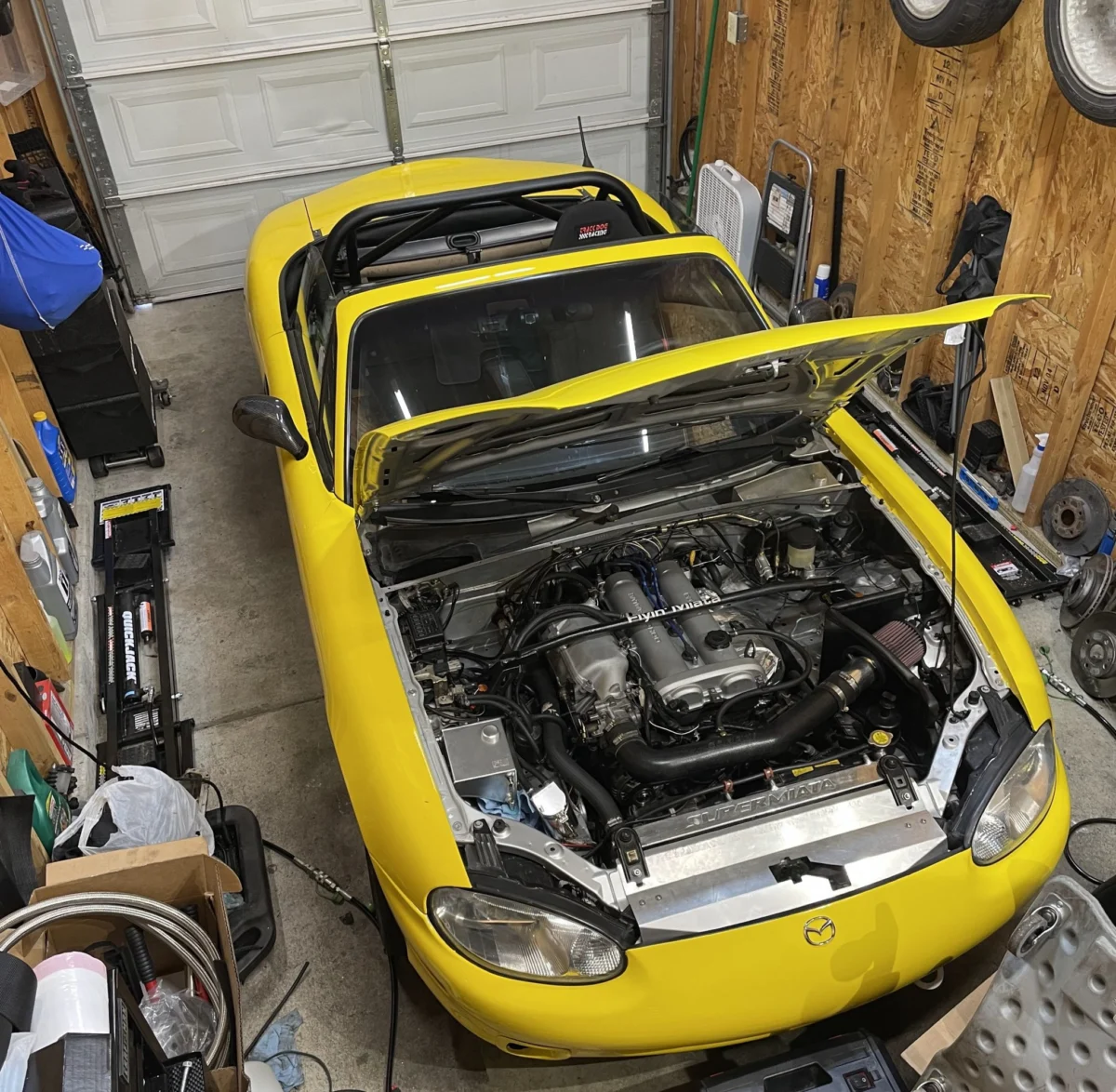
The most significant technical evolution of the year occurred in October 2025, when the vehicle underwent a comprehensive electrical overhaul. To address the reliability concerns identified during the summer months and to modernize the 25-year-old chassis, the owner opted to remove the factory engine wiring harness entirely.
The new system architecture features:
- Custom Engine Harness: Built from scratch using high-grade automotive wiring and Deutsch DT connectors, the harness connects directly to the MS3Pro Evo ECU, eliminating the high-resistance points of the original 1990s-era connectors.
- Drive-by-Wire (DBW) Conversion: Replacing the problematic cable-driven throttle, the system now utilizes a Bosch 60mm electronic throttle body, a Honda-sourced accelerator pedal position sensor, and an AMP EFI DBW controller.
- Centralized Power Distribution: The addition of a dedicated fuse/relay block and a ground bus bar simplified the electrical pathing, reducing the likelihood of "phantom" sensor issues common in aging track cars.
This conversion provides more than just reliability; it allows for advanced ECU strategies such as precision rev-matching, programmable throttle maps for wet-weather conditions, and integrated traction control logic.
Drivetrain Optimization and Gear Management
The final quarter of the reporting year focused on the "tactile" aspects of the racing experience. In December, a Coolerworx short-throw shifter was installed to replace a previous aftermarket tall-angled unit. The Coolerworx design utilizes a stiff external return-to-center spring and adjustable gate set-screws. This mechanical configuration is designed to eliminate "money shifts"—accidental downshifts into the wrong gear—by providing clear physical resistance between the gates and a dedicated lockout for the reverse gear.
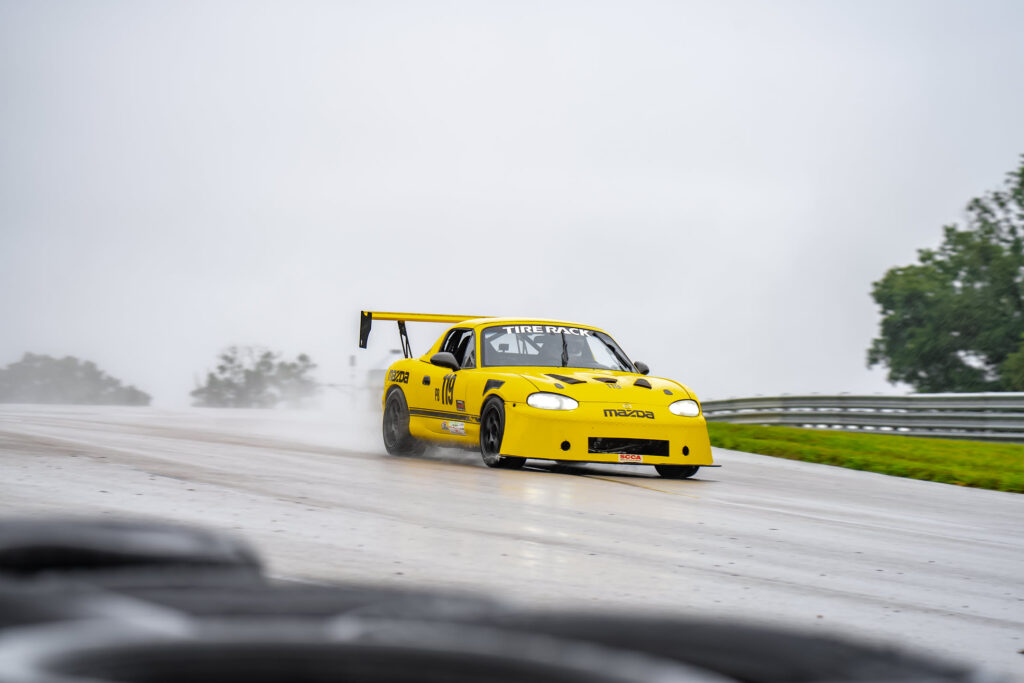
In January 2026, the vehicle’s mechanical grip was further refined with the installation of an OS Giken limited-slip differential (LSD), tuned by Supermiata. While the previous 4.30 Torsen Type II differential was effective, torque-sensing differentials often struggle when one wheel becomes completely unloaded during aggressive cornering. The OS Giken, a clutch-type LSD, ensures consistent power delivery to both wheels regardless of vertical load, theoretically improving corner-exit speeds. The owner retained the 4.30 final drive ratio, which remains the optimal gearing for the NB’s six-speed transmission at current power levels.
Expansion of the Fleet and Long-term Statistical Overview
The project reached a new milestone in February 2026 with the acquisition of a second NB Miata. Purchased for $1,800, the 2001 model featured significant aesthetic and interior neglect but possessed a rust-free chassis and a Variable Valve Timing (VVT) equipped engine. This second vehicle serves a dual purpose: acting as a "fun" street-legal counterpart to the yellow track car and providing a platform for experimental modifications before they are implemented on the primary racing chassis.
Reflecting on the 2025-2026 season, the primary vehicle’s performance metrics are as follows:
- Track Days: 14
- Total Laps (Season): 357
- Total Track Time (Season): 10.9 hours
- Cumulative Track Time (Total): 43.8 hours across 1,380 laps
While the owner reported fewer "personal best" lap times compared to previous years, this is attributed to the diminishing returns of a highly developed platform and the increasing impact of ambient track conditions.
Broader Implications for the Amateur Racing Community
The trajectory of this NB Miata project mirrors broader trends in the amateur racing community, where the focus has shifted from "more power" to "better systems." The transition to drive-by-wire and custom wiring reflects a sophisticated approach to vehicle longevity. As these chassis age, the failure of brittle plastic connectors and corroded copper wiring becomes the leading cause of DNFs (Did Not Finish).
Furthermore, the economic data provided by the owner regarding DIY tool acquisition and the purchase of a budget-friendly project car highlights the continued viability of the Miata platform. Despite rising market prices for used sports cars, the NB generation remains one of the most cost-effective entries into high-performance driving, provided the operator is willing to invest in technical self-sufficiency and preventative engineering. As the project enters its sixth year, the focus is expected to shift toward fine-tuning the OS Giken differential and optimizing the new digital interface provided by the Tinker Electronics dash, further bridging the gap between amateur enthusiasts and professional-grade racing telemetry.