Retno Hari Mulyono
The second-generation Mazda MX-5, known internally as the NB, remains a cornerstone of the global enthusiast and amateur racing communities due to its lightweight chassis and double-wishbone suspension architecture. However, as these vehicles approach two decades of service, the degradation of rubber components and the wear of rotating assemblies necessitate comprehensive overhauls to maintain factory-standard handling and track-day reliability. A recent technical project involving an NB Miata highlights the complexities and performance gains associated with a full-scale suspension refresh, incorporating high-performance bushings, advanced damping systems, and drivetrain upgrades designed to transition a base-model vehicle into a track-capable machine.
The Scope of the Suspension Refresh Project
The overhaul focused on several critical areas of the vehicle’s underpinnings: the control arm bushings, front-end steering components, wheel hubs and bearings, the rear differential, and the primary damping system. For an aging NB Miata, particularly one with an unknown service history, the cumulative effect of component fatigue can lead to "vague" steering feel, excessive body roll, and unpredictable handling at the limit.

By replacing original equipment manufacturer (OEM) parts with a mixture of heavy-duty rubber, polyurethane, and race-spec hardware, the project aimed to eliminate compliance in the suspension geometry. This ensures that the alignment remains consistent under high cornering loads, a prerequisite for both competitive autocross and high-speed circuit driving.
Chronology of the Mechanical Overhaul
The project was executed during the winter off-season to mitigate the risks associated with seized hardware and to allow for the precision required when pressing in new components. The workflow followed a logical progression from the chassis outward.
Phase I: Bushing and Control Arm Extraction
The initial phase involved the complete removal of the front and rear control arms. This stage often presents the greatest challenge for technicians working on older vehicles, particularly those exposed to road salts or high-humidity environments. A common failure point identified during this process was the long bolt connecting the rear lower control arm to the knuckle, which frequently seizes within the metal sleeve of the bushing.

Phase II: Component Pressing and Reassembly
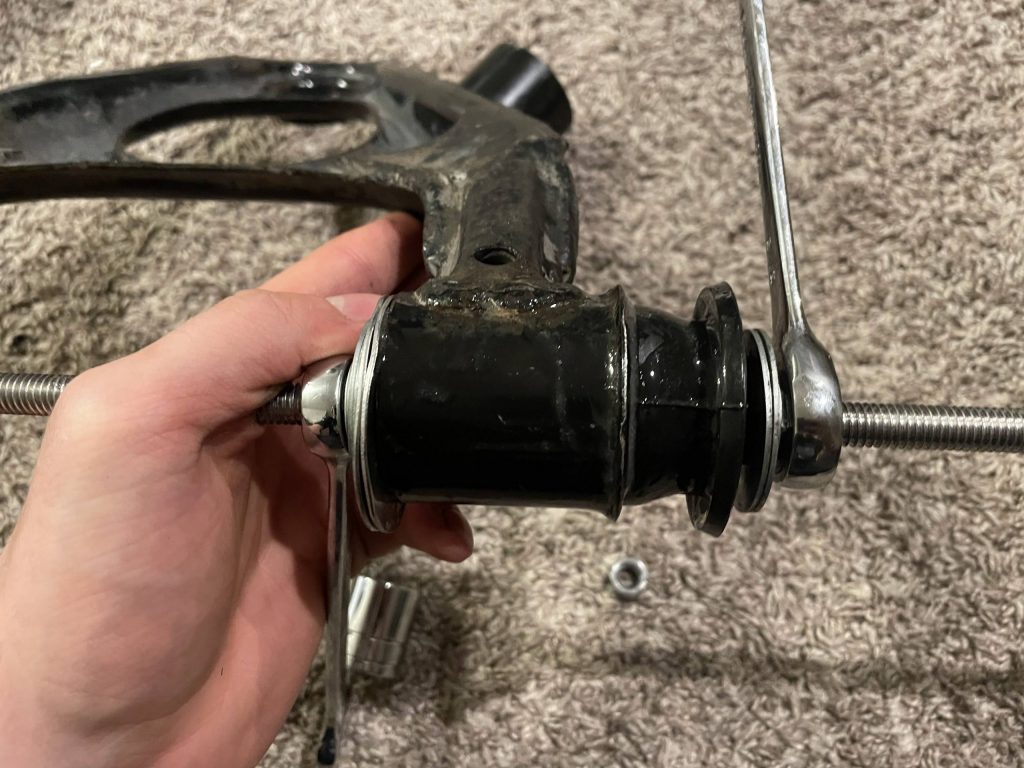
Following the removal of the arms, the original rubber bushings were extracted. This process requires specialized tools; the project utilized a combination of hydraulic presses and threaded rod assemblies. A critical technical note emerged during this phase: the rear upper control arms are susceptible to structural deformation if subjected to excessive force from a hydraulic press without internal bracing. Consequently, the "threaded rod" method—using washers and nuts to pull bushings into place—was identified as the safer alternative for maintaining arm integrity.
Phase III: Drivetrain and Differential Integration
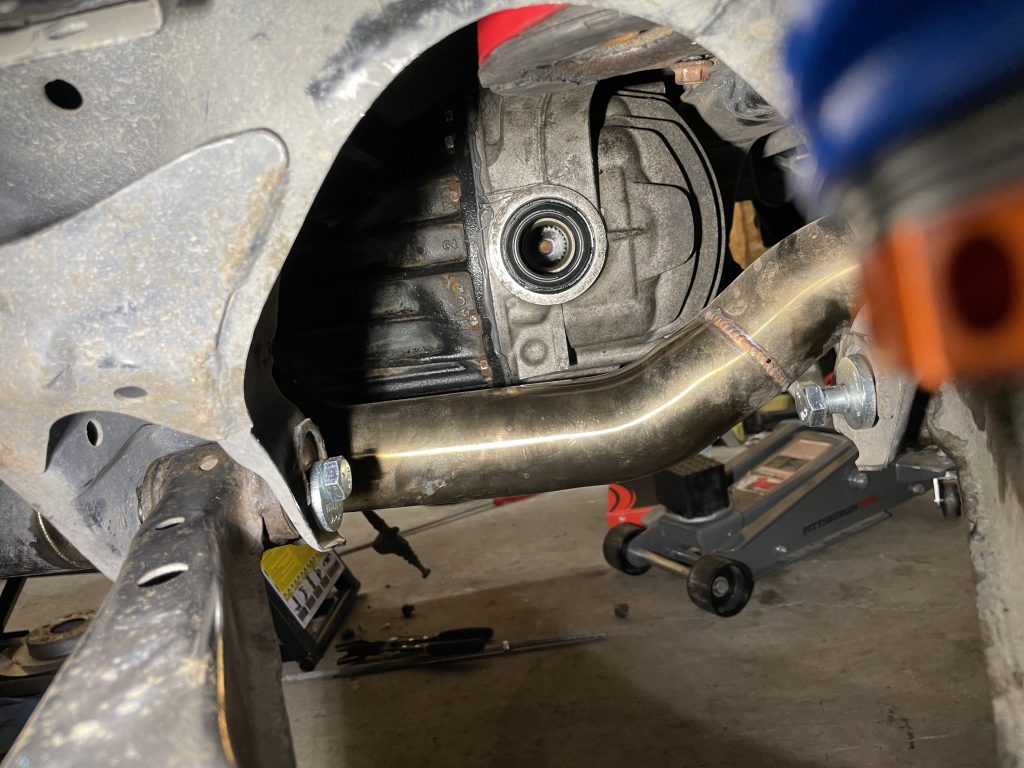
Parallel to the suspension work, the vehicle’s open differential was replaced with a Torsen Type 2 limited-slip differential (LSD). This required the extraction of the Power Plant Frame (PPF), a structural brace unique to the MX-5 platform that aligns the transmission and the differential. The integration of high-durometer polyurethane differential bushings was also completed to reduce drivetrain lash and improve power delivery.
Phase IV: Final Suspension and Damper Installation
The final phase involved the installation of the Supermiata Xida Race coilovers and the reattachment of the hubs and steering linkages. This stage concluded with a baseline ride-height adjustment, preparing the vehicle for a professional four-wheel alignment.
Technical Analysis of Component Selection
IL Motorsports Control Arm Bushings
The decision to utilize IL Motorsports bushings over standard polyurethane options was driven by a requirement for longevity and "set-it-and-forget-it" reliability. These bushings are constructed from a stiffer rubber compound, approximately 30-40% denser than OEM units, mirroring the specifications of the now-discontinued Mazdaspeed competition parts. Unlike polyurethane, which requires periodic lubrication to prevent squeaking and binding, heavy-duty rubber maintains the factory’s silent operation while significantly reducing suspension deflection.
Supermiata Front End Service Kit
The steering geometry was refreshed using a comprehensive kit that included upper and lower ball joints and outer tie rod ends. In the context of the NB Miata, the lower ball joint is a "loaded" component, meaning it bears the weight of the vehicle and is a critical failure point if neglected. The use of high-quality replacements ensures that the steering rack’s inputs are translated directly to the hubs without the "dead zone" often caused by worn-out ball sockets.
Hub and Bearing Reliability
Wheel hubs are a documented weak point on the MX-5 platform when subjected to the heat and lateral loads of R-compound tires on track. The project utilized Centric front hubs and rebuilt rear knuckles from Treasure Coast Miata. While "blueprinted" or heavy-duty billet hubs exist for professional racing, standard high-quality OEM replacements are considered sufficient for dual-purpose street and track vehicles, provided they are treated as wear items with a defined service life.
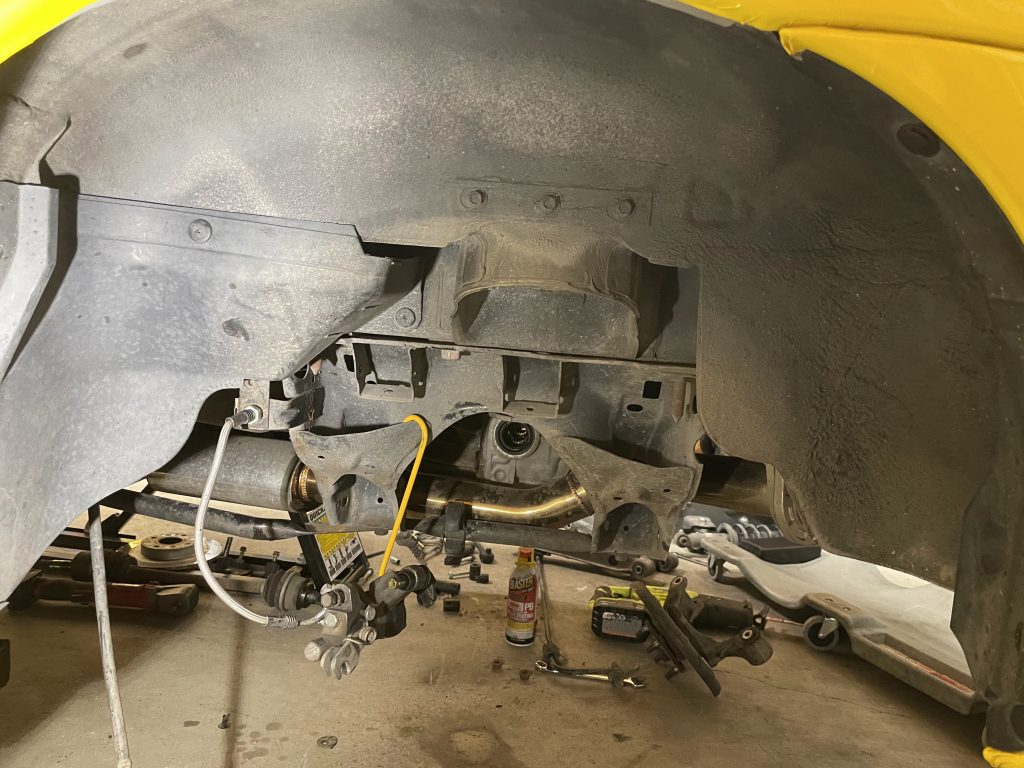
The Torsen Differential Swap
The transition from a 4.30 ratio open differential to a Torsen LSD represents one of the most significant performance upgrades available for the NB Miata. The Torsen (Torque Sensing) unit uses a series of worm gears to distribute torque to the wheel with the most grip without the use of friction clutches.
- Market Context: The 4.30 ratio Torsen is highly coveted by Spec Miata racers, often driving market prices above $1,000.
- Performance Impact: An LSD allows the driver to apply throttle earlier in a corner, as the inner wheel is prevented from spinning uselessly, a common issue with open-differential cars on tight hairpins.
Advanced Damping: The Supermiata Xida Race Coilovers
The centerpiece of the suspension refresh is the installation of Xida Race coilovers, featuring an 800 lbs/in front and 500 lbs/in rear spring rate. These dampers are manufactured by Holland-based Tractive Suspension and are widely regarded as the gold standard for the Miata platform.
Valving and Ride Quality
Despite the high spring rates—which are nearly four times stiffer than the factory NB suspension—the Xida dampers utilize sophisticated internal valving that allows for excellent high-speed blow-off. This means that while the car remains flat and composed during slow-speed steering inputs (cornering), the shocks can still absorb sharp impacts (potholes or curbing) without upsetting the chassis.
Ride Height Considerations
The Xida system is designed with a shorter body than OEM shocks to allow for increased suspension travel at lower ride heights. On the NB chassis, this typically results in a ride height of 4.5" to 5.0" measured from the pinch welds to the ground. This lower center of gravity reduces weight transfer during transitions, though it requires careful adjustment to avoid scraping the undercarriage on public roads.
Broader Implications and Industry Trends
The comprehensive nature of this refresh reflects a growing trend in the "Youngtimer" car market, where enthusiasts are increasingly investing in high-end suspension technology for 20-year-old vehicles. As the value of clean NB Miatas continues to rise, owners are moving away from budget-oriented "eBay coilovers" in favor of bespoke solutions like the Xida or Flyin’ Miata Fox setups.
Performance vs. Comfort Trade-offs
A factual analysis of the upgrades suggests a significant shift in the vehicle’s operating envelope. The reduction in body roll via stiffer springs and bushings allows for a more aggressive alignment (increased negative camber), which in turn increases the tire’s contact patch during hard cornering. While the "floaty" feel of the stock suspension is eliminated, the increased NVH (Noise, Vibration, and Harshness) from the polyurethane differential mounts and stiffer bushings is a documented trade-off that owners must accept.

The Role of Sway Bars
Interestingly, the project opted to retain the stock sway bars initially. In the Miata community, there is an ongoing debate regarding the use of oversized sway bars versus high spring rates. By using 800/500 springs, the mechanical roll stiffness is handled primarily by the springs, allowing the wheels to maintain a higher degree of independence. This can be advantageous on uneven track surfaces where an overly stiff sway bar might lift an inside wheel, reducing overall traction.
Conclusion
The total refresh of an NB Miata’s suspension is a labor-intensive but rewarding endeavor that restores the "Jinba Ittai" (horse and rider as one) philosophy intended by Mazda’s engineers. By addressing the cumulative wear of rubber components and upgrading to modern damping technology, the vehicle is transformed from an aging commuter into a precision instrument. For the DIY mechanic, the project serves as a reminder that while the Miata is a simple platform, it requires a disciplined approach to torque specs, component orientation, and the use of the correct tools to avoid costly structural damage to the control arms. As the vehicle returns to the track, the primary metrics of success will be reduced lap times and the elimination of the mid-corner instability that plagues high-mileage examples of the marque.