Retno Hari Mulyono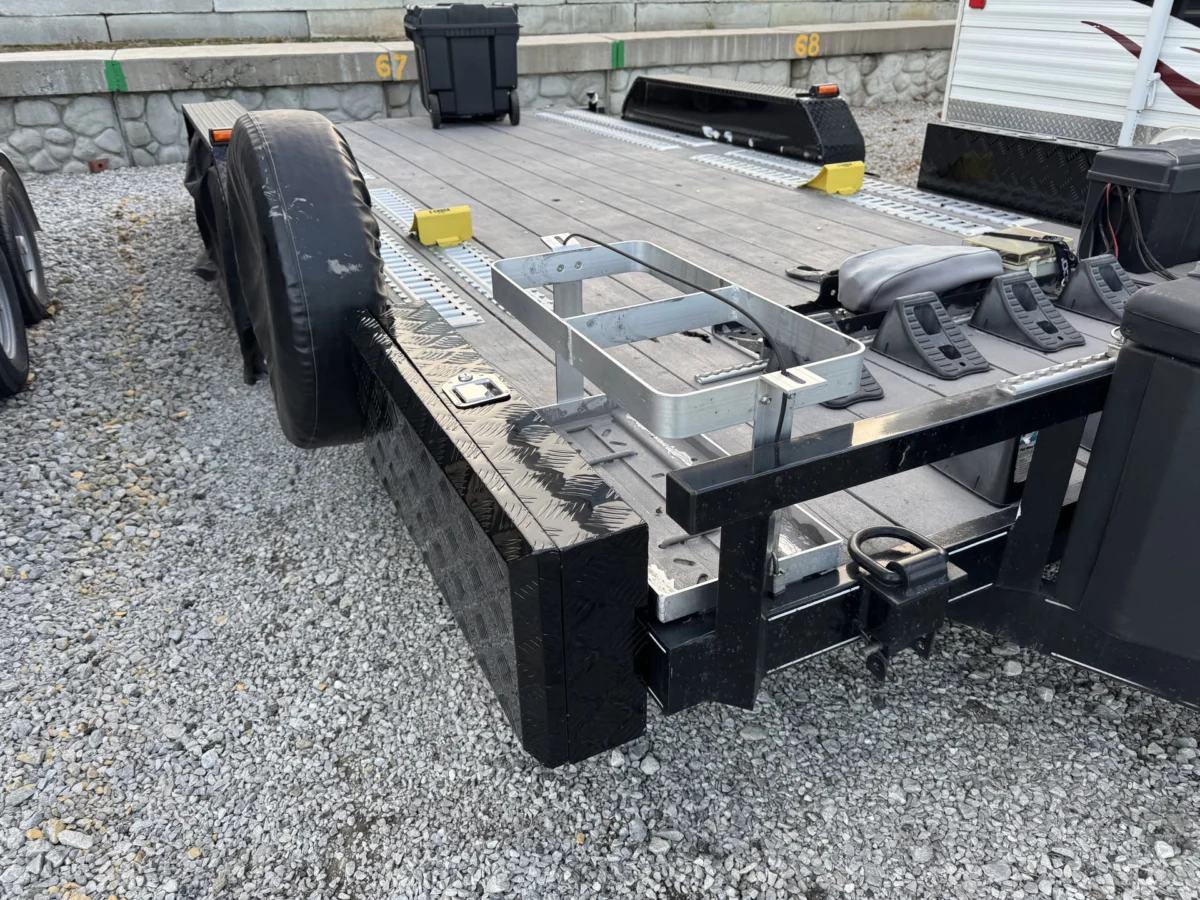
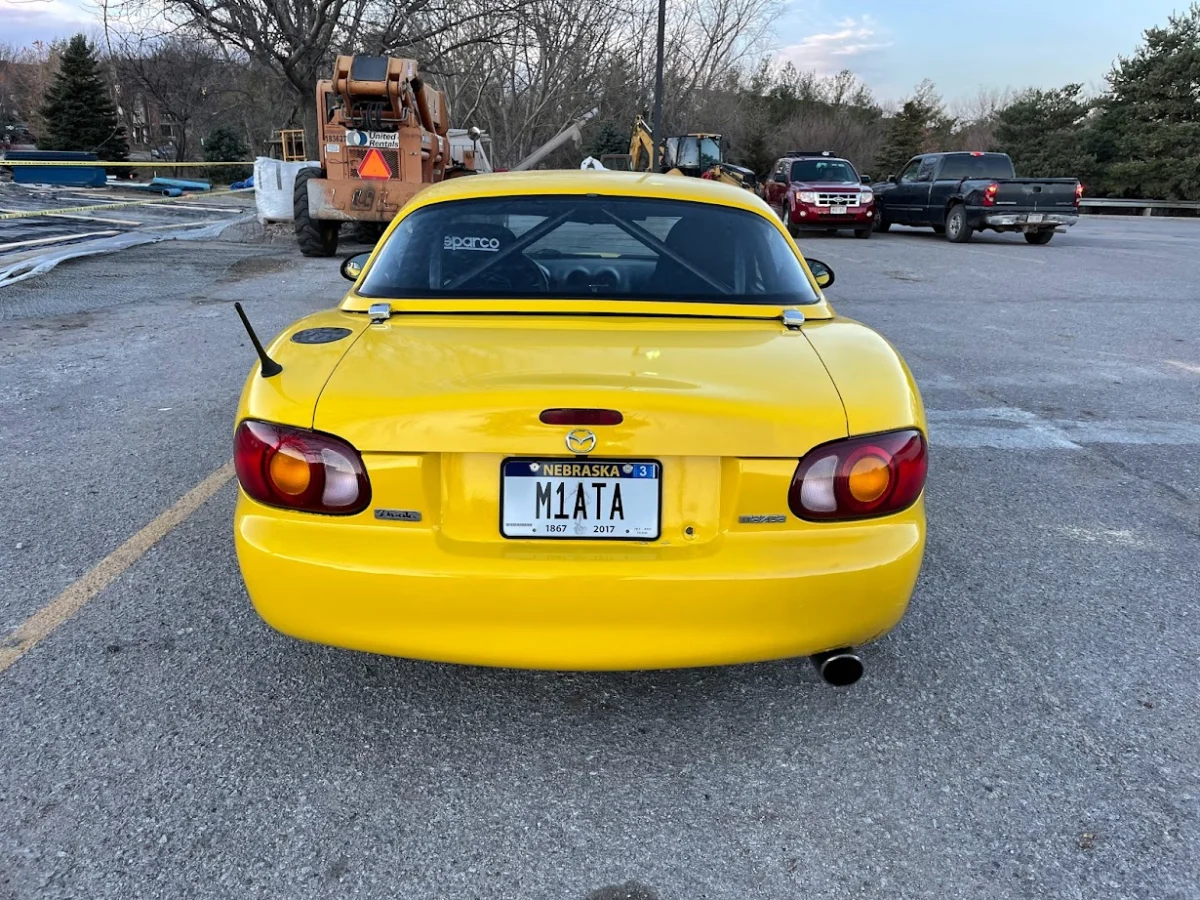
The second-generation Mazda Miata, known internally as the NB chassis, has long been a cornerstone of the amateur motorsports community due to its balanced handling, mechanical simplicity, and extensive aftermarket support. As the platform enters its third decade, enthusiasts continue to push the boundaries of its performance through rigorous track testing and technical innovation. A comprehensive five-year development program for a 2000 model year NB Miata recently concluded its latest phase, highlighting a transition from a standard street-legal vehicle to a sophisticated, purpose-built time-trial machine. The 2025-2026 season was defined by significant mechanical challenges, a complete electrical overhaul, and a shift toward high-end drivetrain components to ensure competitive reliability in the Sports Car Club of America (SCCA) Midwest Division (MiDiv) time trials.
Technical Milestones and Power Optimization
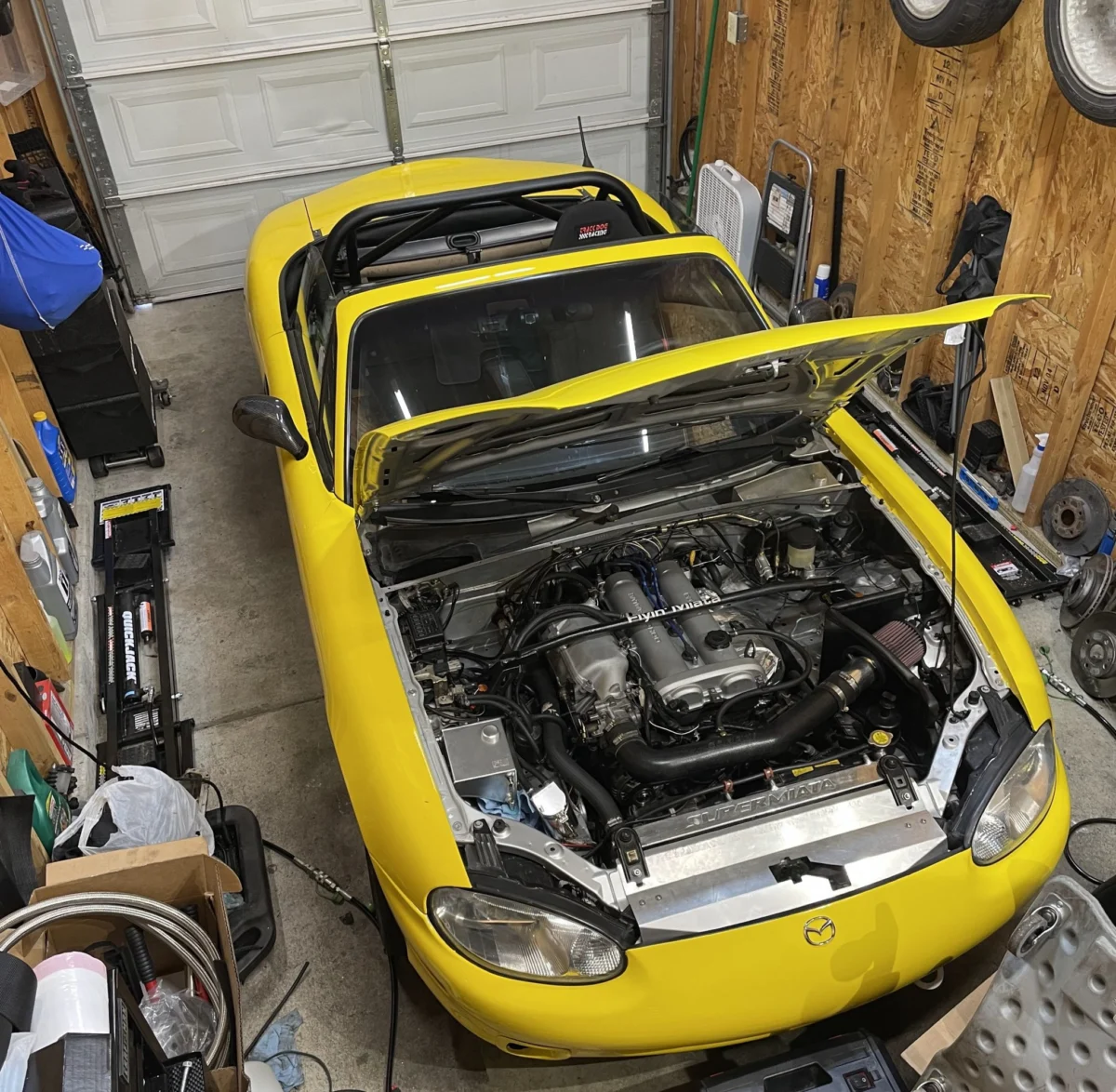
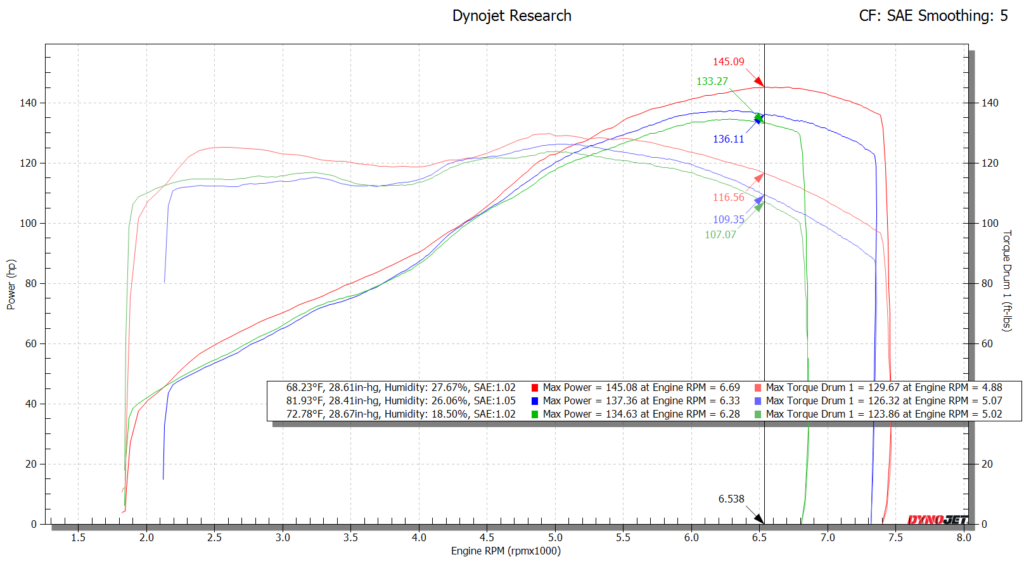
The development year commenced in March 2025 with standardized performance benchmarking on a Dynojet chassis dynamometer. Such testing is critical for SCCA classing, where power-to-weight ratios determine competitive eligibility. The vehicle, which produced approximately 115 wheel horsepower in its stock configuration, demonstrated the results of incremental breathing improvements. By replacing the traditional "square top" intake manifold with a Skunk2 performance unit and utilizing a Megasquirt MS3Pro Evo standalone engine control unit (ECU), the vehicle achieved a peak output of 145.09 wheel horsepower and 129.67 lb-ft of torque.
This 26% increase in power over the stock ECU baseline illustrates the efficiency gains available in the 1.8-liter BP-series engine when optimized for high-octane fuel and unrestricted airflow. However, the transition to high-performance components introduced unforeseen mechanical vulnerabilities that would dictate the technical focus of the following months.
Chronology of the 2025-2026 Racing Season
The 2025 season provided a diverse range of track conditions that tested both the driver’s adaptability and the vehicle’s mechanical resilience.
Spring Testing and Mechanical Failure
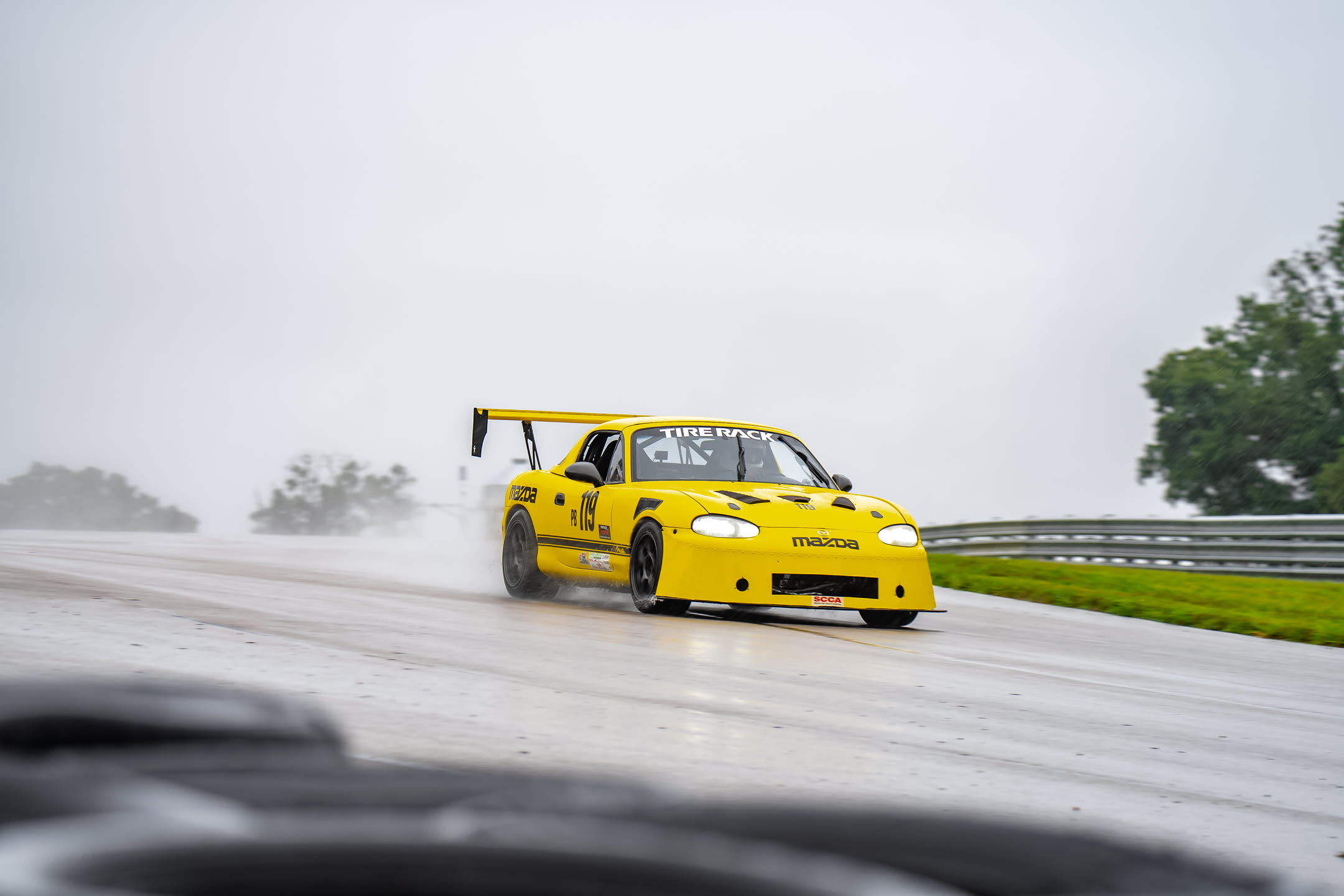
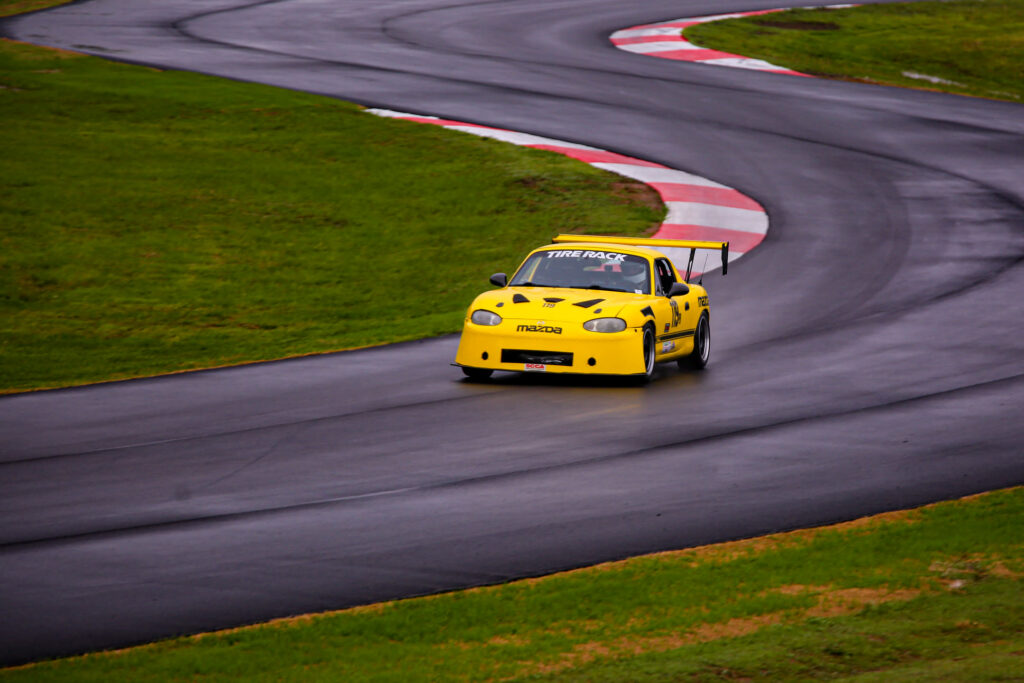
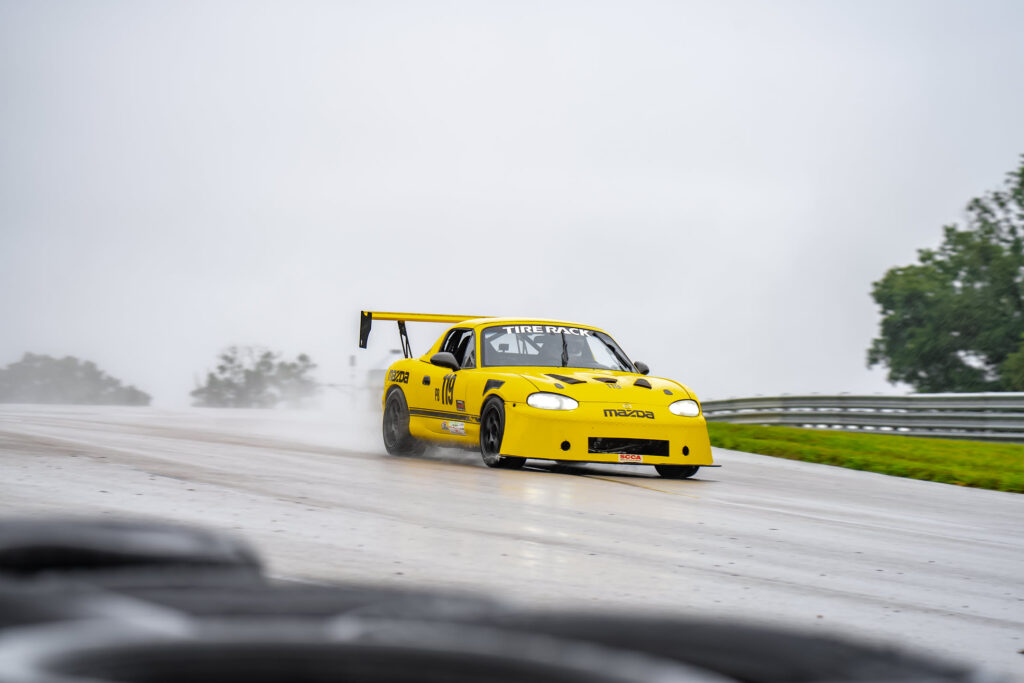
In April 2025, the vehicle returned to the Hallett Motor Racing Circuit. The session was characterized by inclement weather, which prevented high-speed lap times but offered a critical opportunity to evaluate the vehicle’s braking transitions on a partially resurfaced track. The presence of "wet braking zones" where the surface friction coefficient changes mid-corner is a notorious challenge at Hallett, requiring precise pedal modulation.
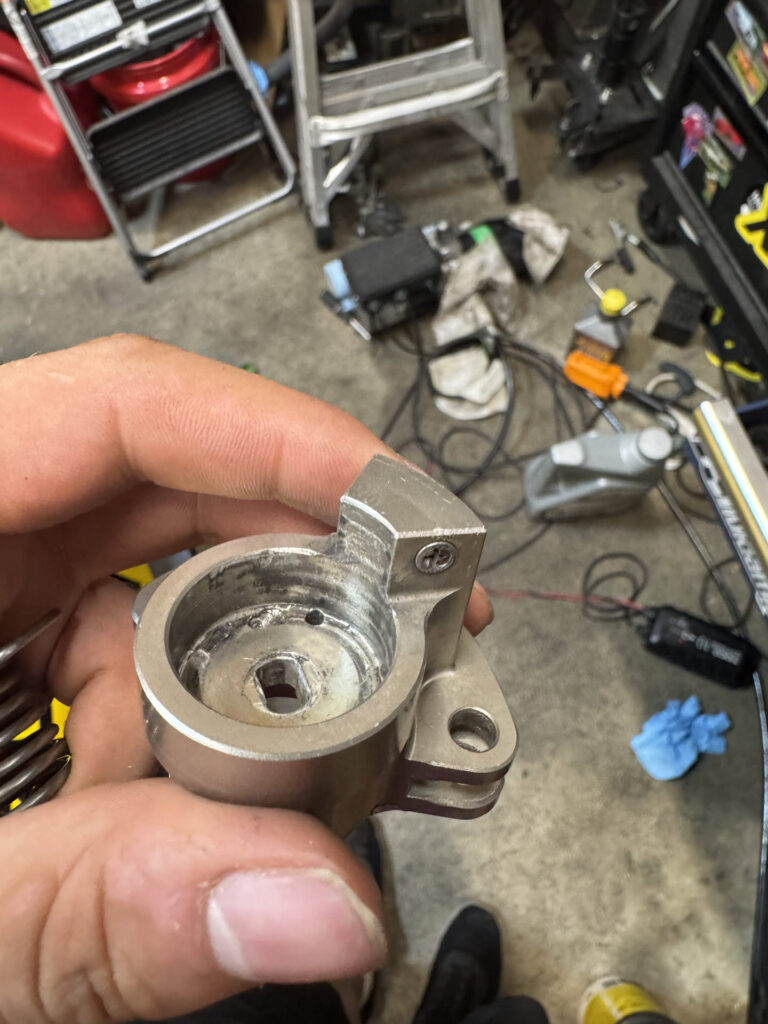
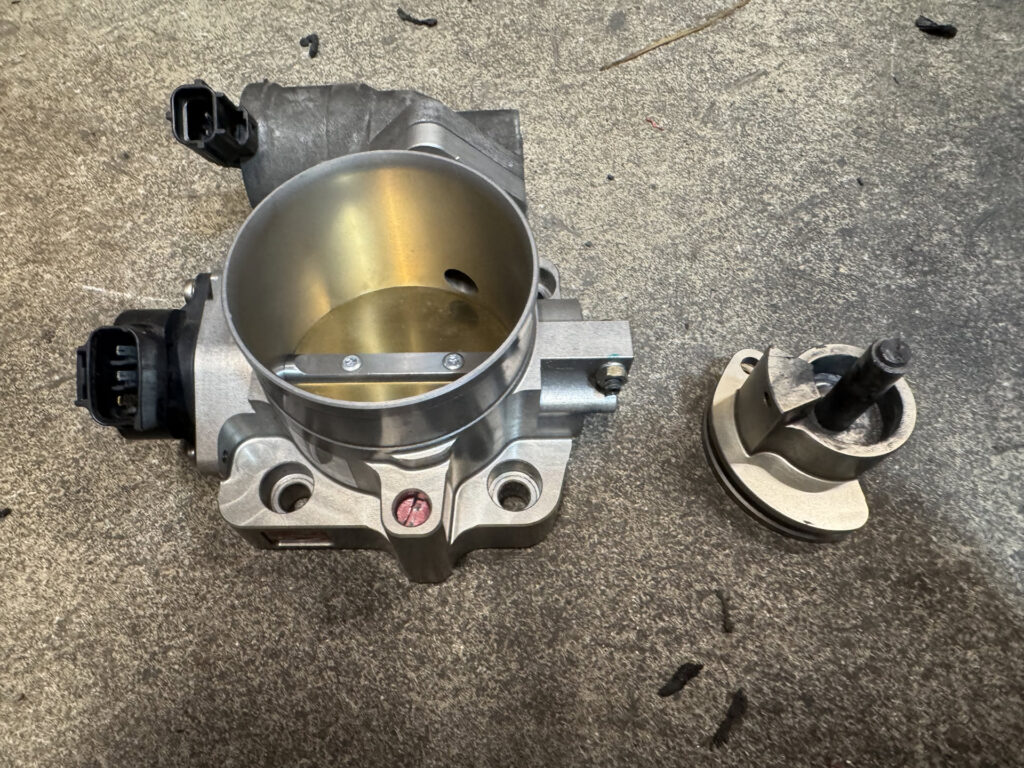
The first major mechanical setback occurred in May 2025 at the I29 Speedway. The return spring on the aftermarket Skunk2 throttle body suffered a fatigue failure while on track. This type of failure poses a significant safety risk, as the throttle plate can remain partially open regardless of driver input. While a temporary field repair allowed the vehicle to return home, the incident foreshadowed a more catastrophic failure later in the year.
Summer Endurance and Logistics
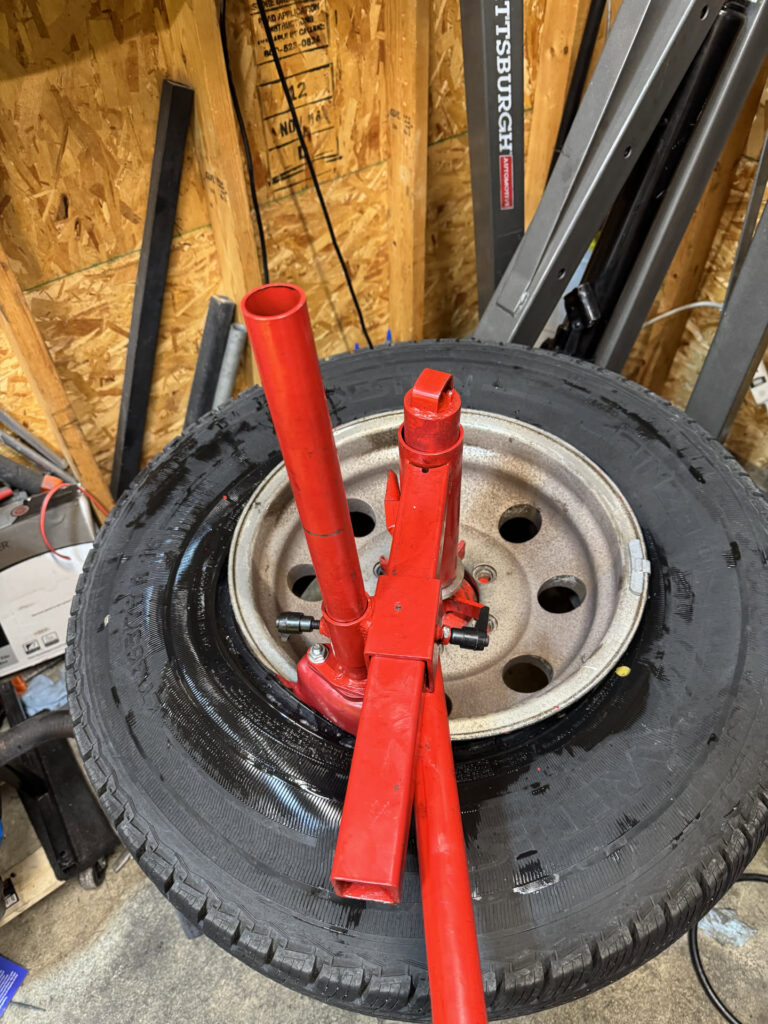
Throughout the summer, the focus shifted toward logistical efficiency and high-speed circuit testing. In June, the rising costs of professional tire mounting—a recurring expense in track-focused ownership—led to the acquisition of manual tire-changing equipment. By implementing a Harbor Freight manual changer modified with a "duckhead" attachment and utilizing a bubble balancer, the maintenance program became self-sufficient. Data suggests that for amateur racers, the return on investment for such tools is realized after mounting approximately two sets of 200-treadwear (200TW) performance tires.
July 2025 saw the vehicle at Ozarks International Raceway, one of the most technical circuits in the United States. Known for its significant elevation changes and "blind" apexes, the track becomes exponentially more difficult in wet conditions. The sessions highlighted the importance of drainage management on track surfaces, as pooling water in high-compression zones can lead to hydroplaning at speeds exceeding 90 mph.
The mechanical narrative reached a climax in August 2025 at High Plains Raceway. During a timed session, the throttle body shaft snapped entirely. Unlike the spring failure, this was a terminal structural break, necessitating a tow from the circuit. This second failure of a specific aftermarket component prompted a complete reassessment of the vehicle’s intake and electrical architecture.
The Off-Season Overhaul: Drive-by-Wire and Custom Electronics
In response to the recurring mechanical throttle failures, the decision was made in October 2025 to modernize the vehicle’s throttle control system. Traditional cable-actuated throttles in the NB Miata are prone to friction and mechanical wear. The solution involved a conversion to a Drive-by-Wire (DBW) system, a technology standard in modern performance cars but requiring significant custom engineering for older platforms.
The technical specifications of the overhaul included:
- Throttle Body: A Bosch 60mm electronic unit.
- Actuation: A Honda-sourced accelerator pedal position sensor.
- Control: An AMP EFI drive-by-wire controller integrated with the MS3Pro Evo ECU.
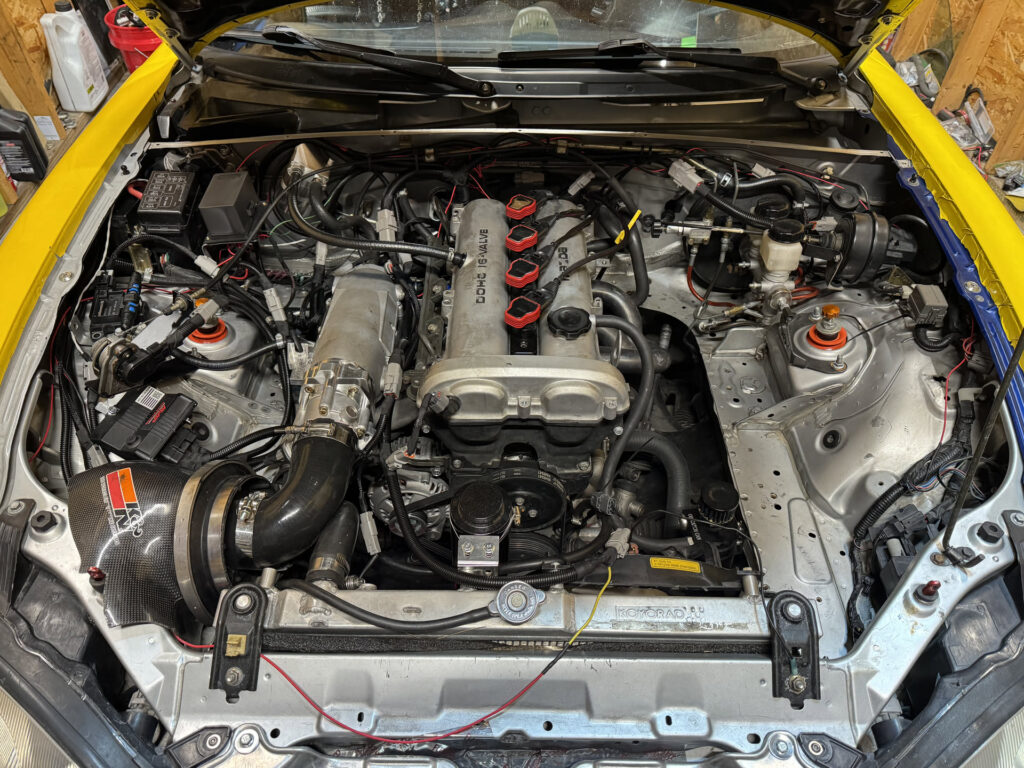
- Wiring: A complete, scratch-built engine wiring harness utilizing Deutsch connectors and a centralized fuse/relay block.
By eliminating the 25-year-old factory wiring harness and the physical throttle cable, the system gained redundancy and precision. This conversion also allowed for the integration of a Tinker Electronics digital dash in November 2025. This interface communicates via the Controller Area Network (CAN bus), providing real-time telemetry for coolant temperature, oil pressure, manifold pressure, and fuel-air ratios. The digital interface includes programmable shift lights and visual alerts for critical engine parameters, reducing the cognitive load on the driver during high-stress competition.
Drivetrain Refinement and Fleet Expansion
As the 2026 season approached, the final modifications targeted the vehicle’s ability to transmit power to the ground. In December 2025, a Coolerworx short-throw shifter was installed. This unit features an external return-to-center spring and a mechanical reverse lockout, addressing the common "money shift" (accidental downshift to an incorrect gear) that can lead to catastrophic engine over-revving.
In January 2026, the factory Torsen Type II limited-slip differential—standard on many NB Miatas—was replaced with a Supermiata-tuned OS Giken clutch-type differential. While Torsen differentials are effective for street use, they often "unlock" if one wheel leaves the ground or becomes significantly unloaded during aggressive cornering. The OS Giken unit provides a more consistent locking percentage, allowing for earlier throttle application on corner exit, particularly in low-speed, high-torque scenarios.
The five-year milestone was marked in February 2026 by the acquisition of a second NB Miata. This 2001 model, purchased for $1,800, serves as a "control" vehicle and a dedicated street platform. The purchase highlights the current market dynamics for the NB chassis; while pristine examples have appreciated, "project" cars remain an affordable entry point for enthusiasts willing to perform restoration work.
Analysis of Broader Implications
The five-year evolution of this NB Miata reflects a broader trend within the automotive enthusiast community: the "professionalization" of amateur track cars. The transition from simple bolt-on modifications to custom-engineered electrical systems and high-end racing differentials indicates a narrowing gap between amateur club racing and professional-tier prep.
Supporting Data: 2025 Season Statistics
- Total Laps Completed: 357
- Track Time: 10.9 hours
- Total Career Laps (Garmin Catalyst Data): 1,380
- Total Career Track Hours: 43.8
- Reliability Rate: 85.7% (12 of 14 track days completed without terminal failure)
The data suggests that while the vehicle has become faster, the complexity of aftermarket parts has introduced new failure points. The shift to an electronic throttle and a custom harness represents a move toward "preventative engineering," where modern technology is used to solve the inherent weaknesses of aging mechanical designs.
Conclusion and Future Outlook
The 2025-2026 period stands as the most technically transformative year in the vehicle’s five-year history. By addressing the fundamental weaknesses of the 1.8-liter platform—specifically the throttle assembly and the factory wiring—the vehicle has been positioned for greater reliability in the 2026 SCCA season. The integration of the OS Giken differential and the Coolerworx shifter completes the mechanical trifecta of power, delivery, and control.
As the owner enters the sixth year of development, the focus is expected to shift from hardware installation to data-driven chassis tuning. With a stable electronics platform and a robust drivetrain, the objective will be to refine lap times at regional circuits such as Hallett and Ozarks, where the nuances of the new differential can be fully exploited. The addition of a second chassis further ensures that the primary track vehicle can remain in a high state of tune without compromising the owner’s ability to enjoy the Miata platform in a daily driving context.