Retno Hari Mulyono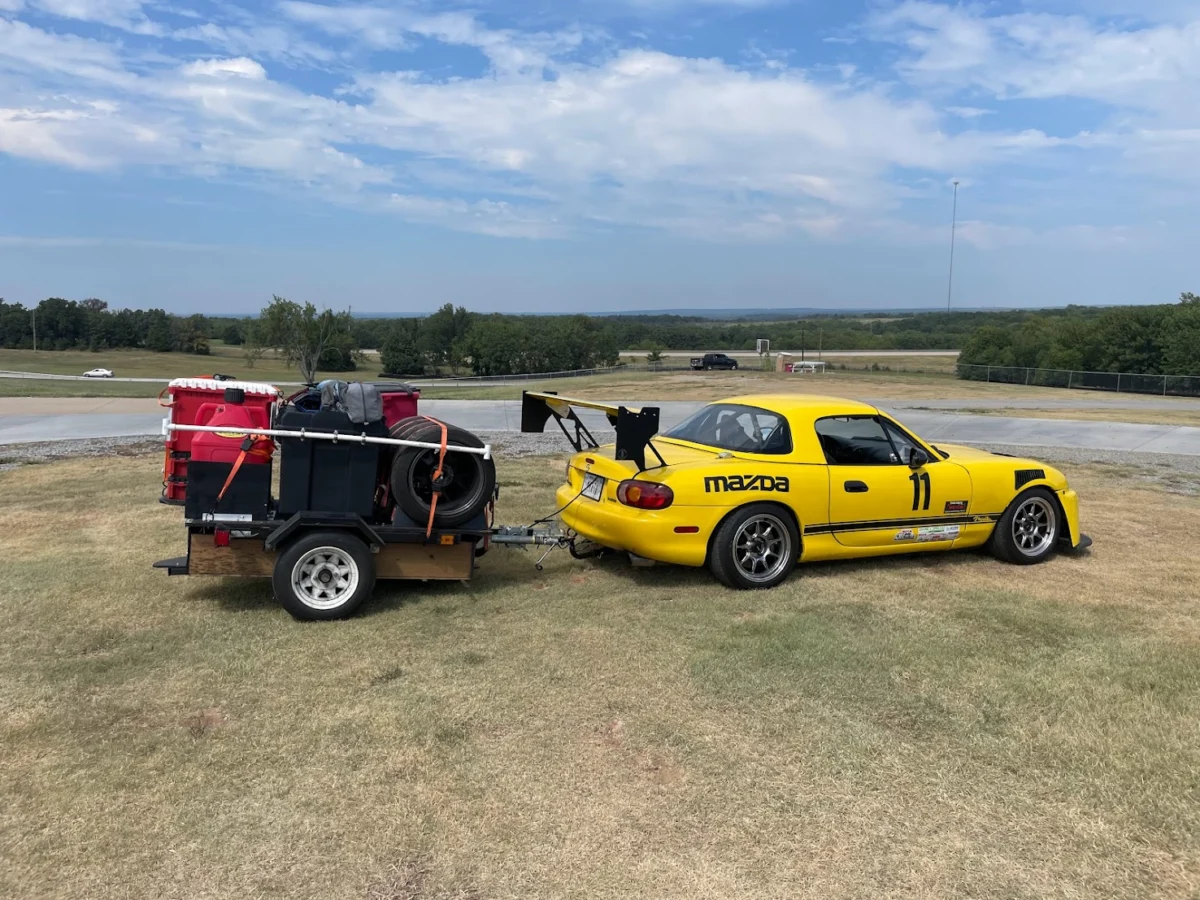
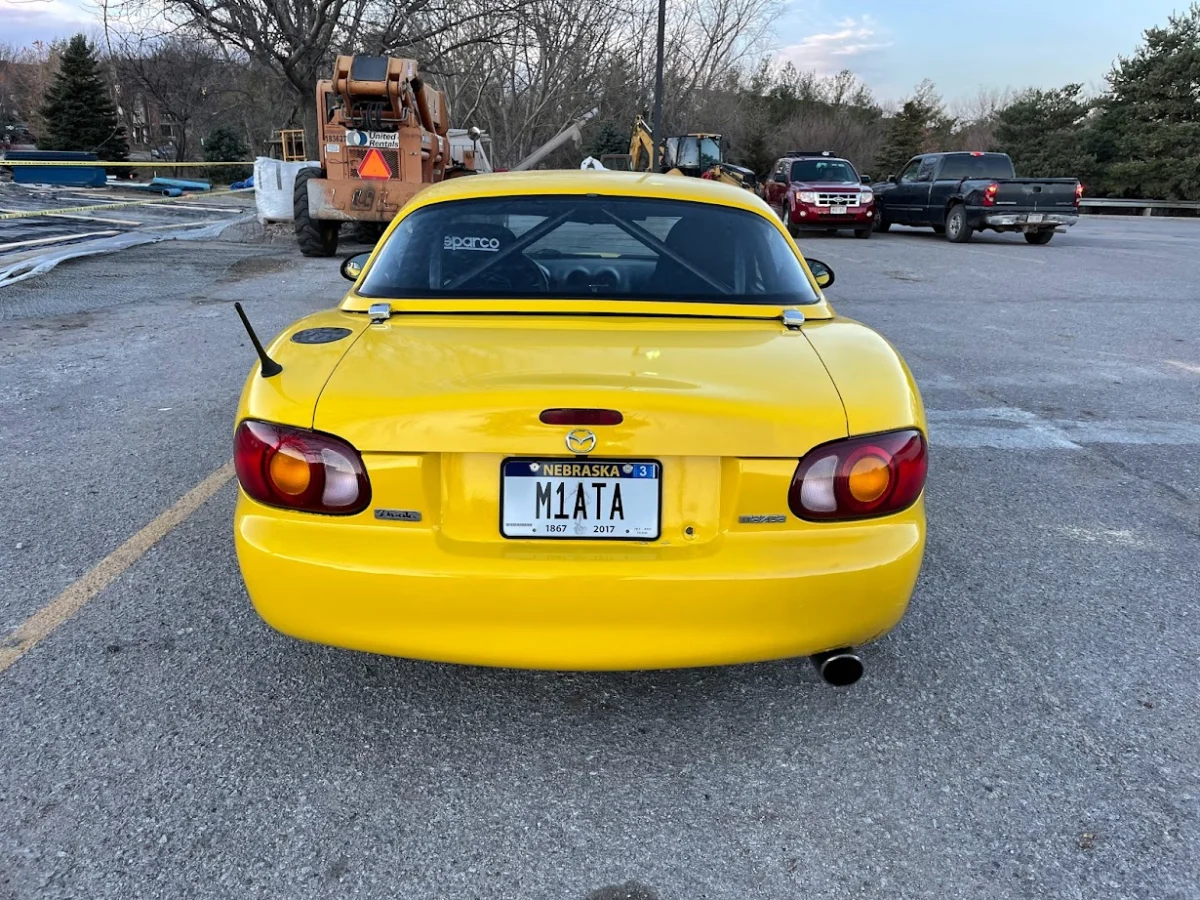
The second-generation Mazda Miata, known internally as the NB, has long served as a primary platform for grassroots motorsports due to its balanced chassis, mechanical simplicity, and robust aftermarket support. Following three years of intensive development and competition, a detailed technical review of a specific 1999–2005 model year chassis reveals the complexities of maintaining a competitive edge in both SCCA Time Trials and regional autocross. The most recent twelve-month cycle, spanning March 2023 through February 2024, highlights a shift from basic maintenance to advanced aerodynamic tuning, thermal management, and weight optimization.
Aerodynamic Development and Structural Challenges
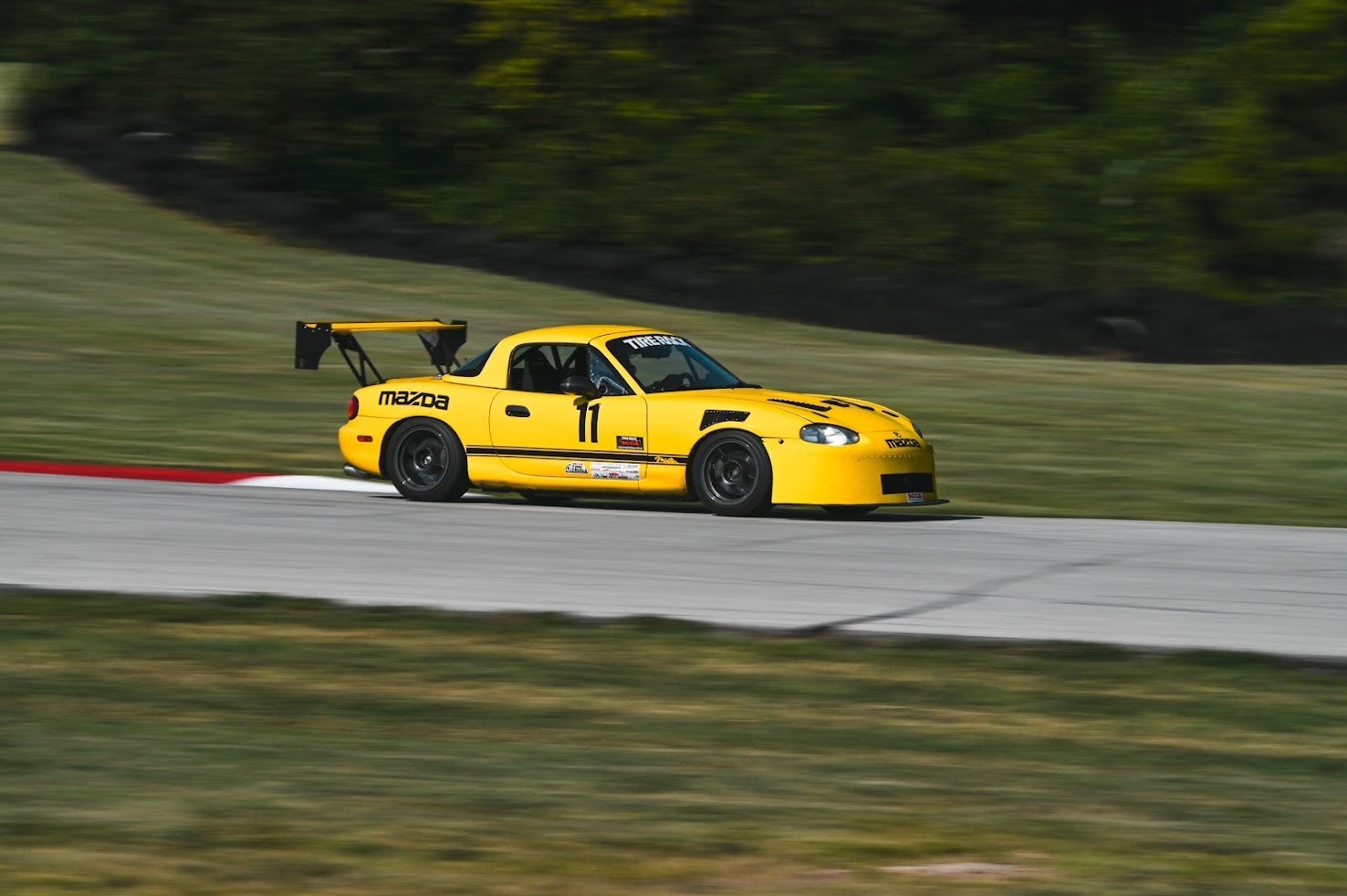
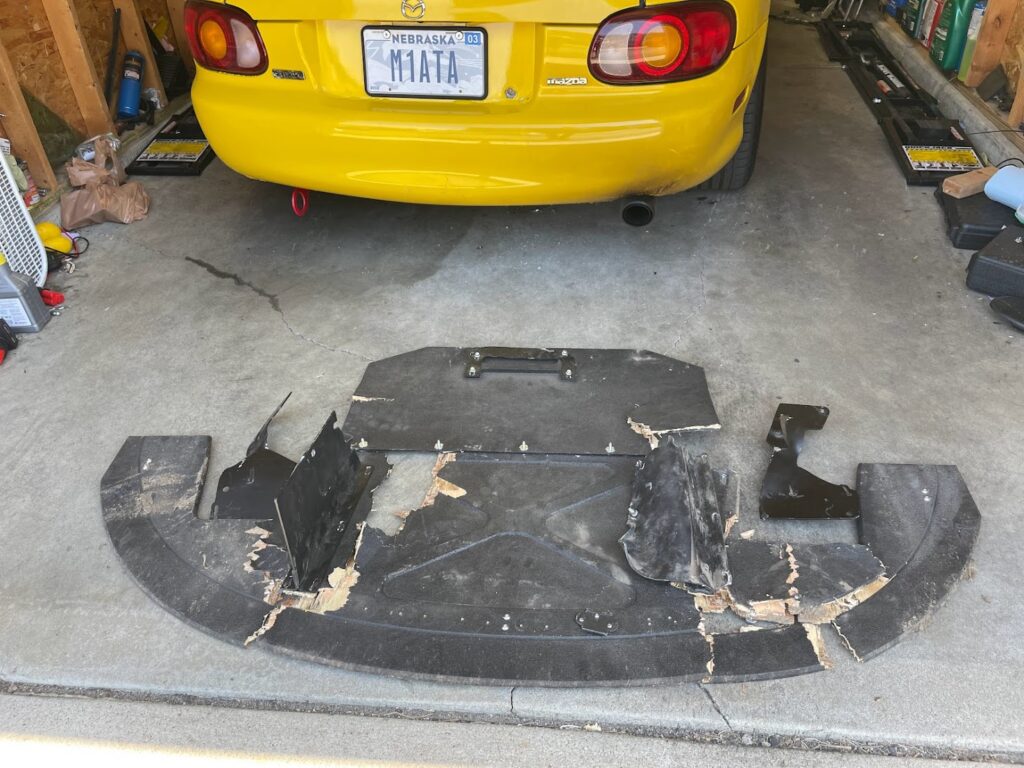
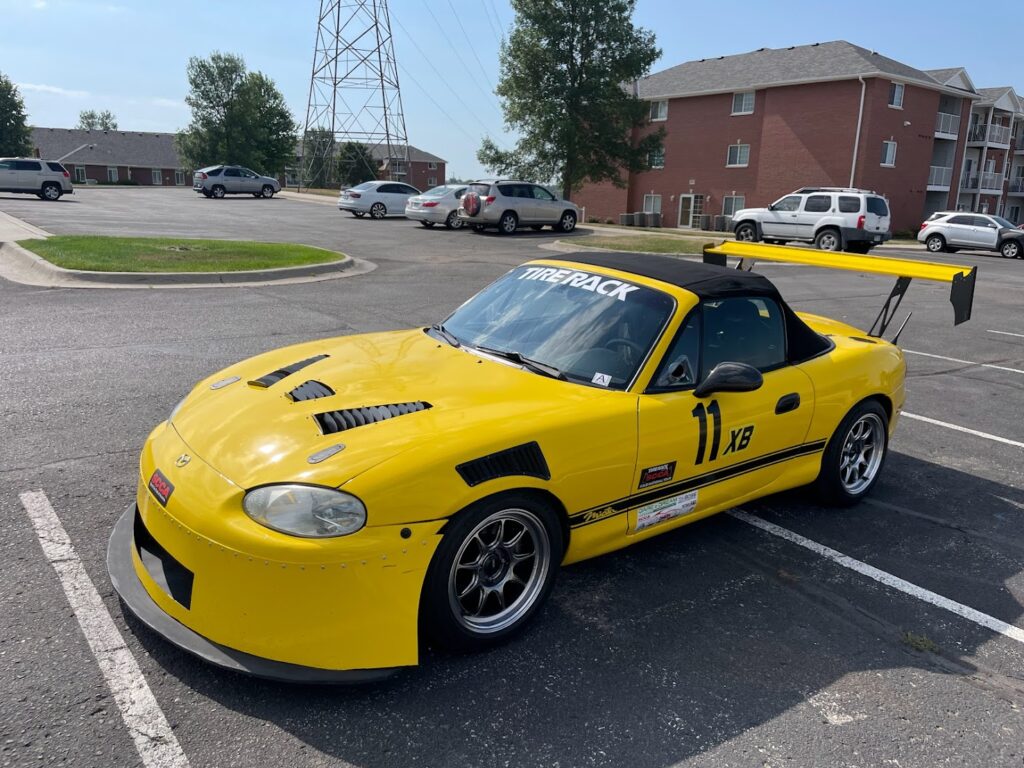
The 2023 season began with the integration of a medium-downforce aerodynamic package from Nine Lives Racing. While wings and splitters are essential for reducing lap times in high-speed corners, they introduce significant structural and logistical variables. In April 2023, during a high-speed transition at a regional circuit, the vehicle suffered a significant "off-track" excursion. The resulting impact obliterated the front splitter, bent the custom mounting brackets, and damaged the radiator support.
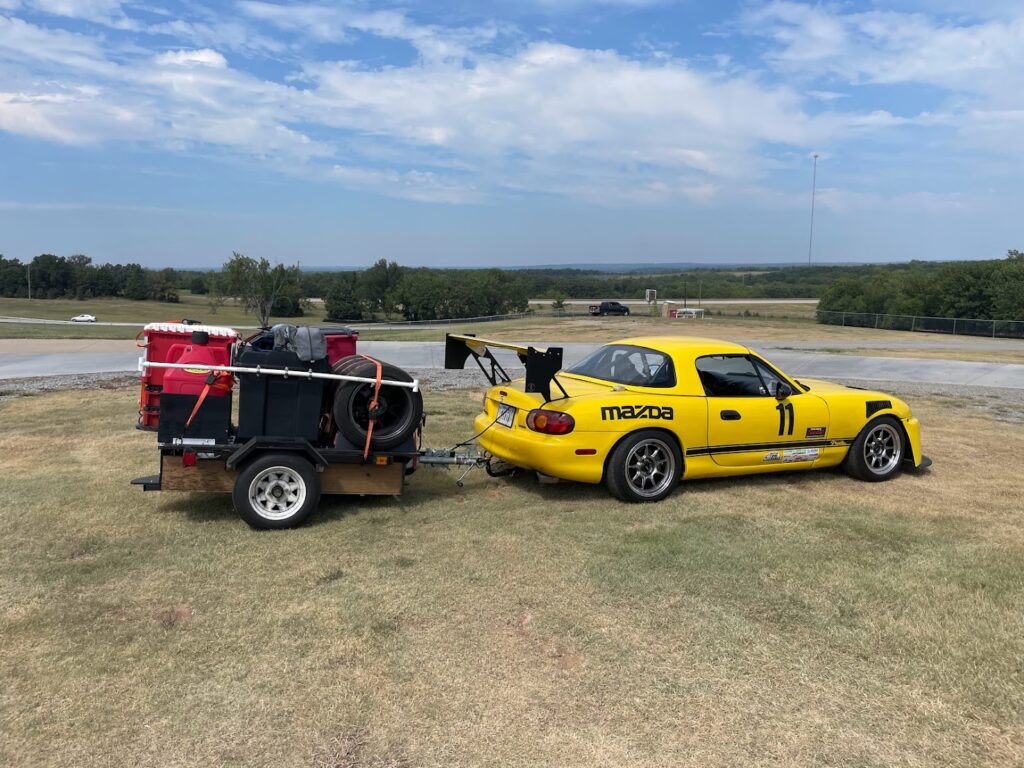
This incident underscores the inherent risks of low-clearance aerodynamic components in amateur racing. The response involved a shift toward modularity and field-repairability. The owner transitioned from expensive composite materials to 0.5-inch birch plywood splitters. Plywood offers a high strength-to-weight ratio and serves as a sacrificial component that absorbs energy during impacts, protecting the more expensive chassis points. To facilitate these repairs, the vehicle’s support infrastructure was upgraded; a custom-built tire trailer was modified with a lower deck to carry spare splitters and a 15-gallon fuel cell, ensuring self-sufficiency during multi-day events.
Regional Circuit Analysis and the Impact of Facility Closures
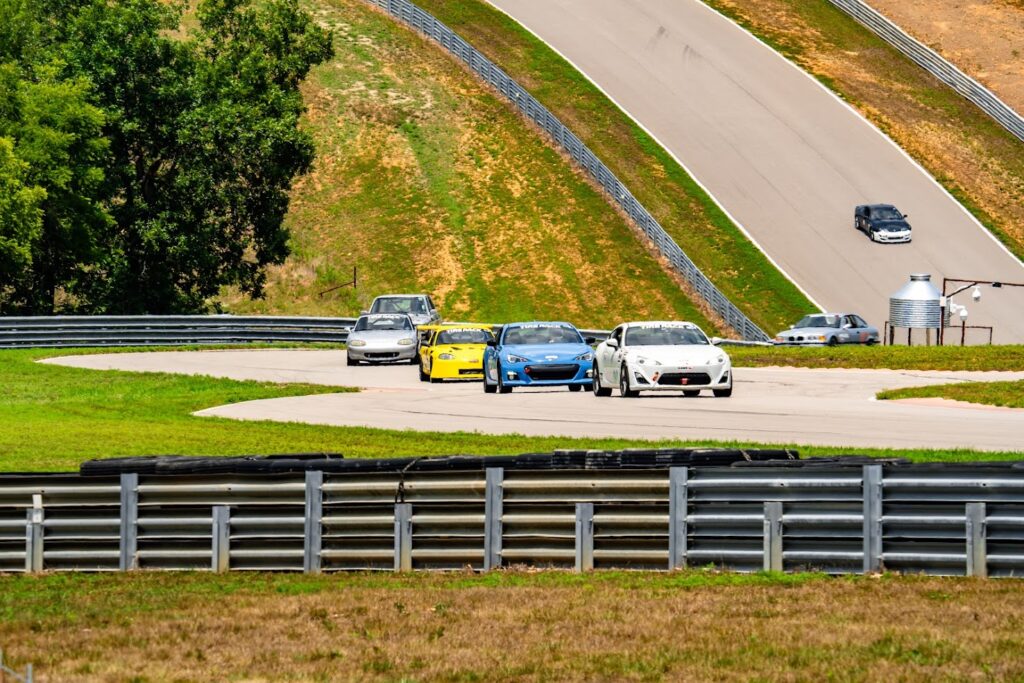
The mid-season schedule included a diverse array of circuits across five states, providing a comprehensive data set for the NB’s performance.
- Heartland Motorsports Park (Kansas): In May 2023, the vehicle competed in the SCCA Time Trials. This event was historically significant due to the subsequent closure of the facility at the end of the 2023 season. The closure resulted from a protracted property tax dispute between the track ownership and Shawnee County. The loss of this 2.5-mile road course represents a significant blow to the Midwest racing community, as it served as a premier venue for both amateur and professional series.
- Ozarks International Raceway (Missouri): July 2023 marked the vehicle’s debut at this technical, high-elevation circuit. Unlike the relatively flat terrain of traditional Midwestern tracks, Ozarks features extreme blind crests and unforgiving barriers. Technical data from this event highlighted the necessity of driver confidence over raw power, though the weekend was marred by a mechanical failure.
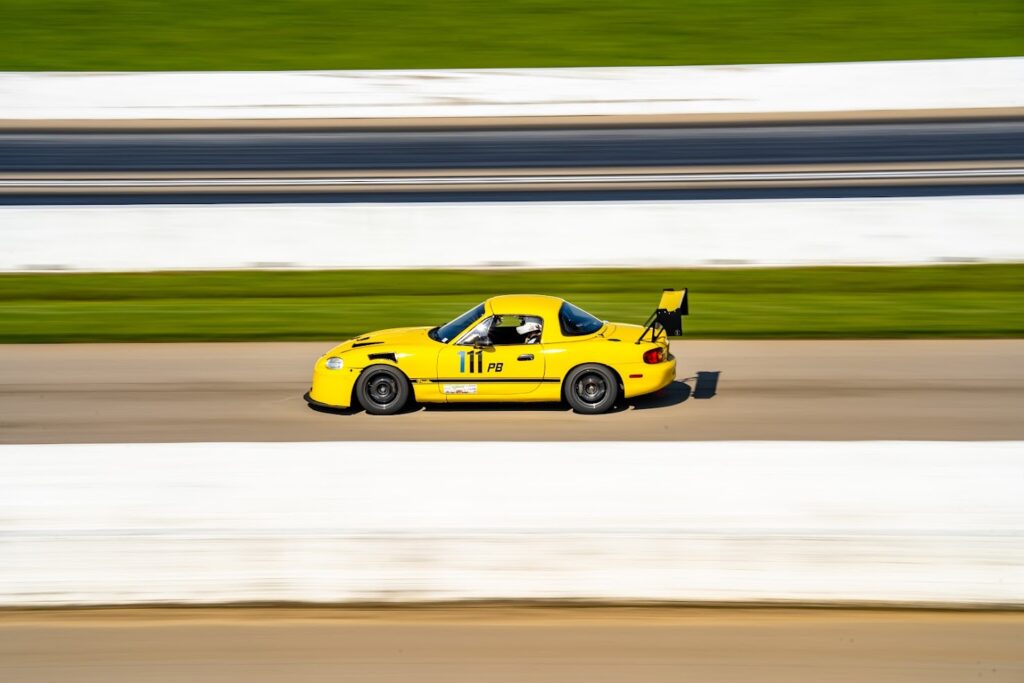
- Motorsports Park Hastings (Nebraska): By August, the vehicle returned to Hastings, a familiar benchmark. The car recorded a personal best lap time of 1:42.78. For context, the NASA Spec Miata lap record at this facility stands at 1:40.415. While the NB in question utilized aerodynamic aids not permitted in Spec Miata, its lap times indicate it is nearing the performance ceiling of a naturally aspirated BP-series engine.
- Hallett Motor Racing Circuit (Oklahoma): September’s "Miatas at Hallett" event allowed for bidirectional testing. The circuit’s shorter length and technical turns favored the NB’s agility, though high ambient temperatures necessitated the first major investment in driver cooling systems.
Mechanical Reliability and Thermal Management
The July excursion to Ozarks International Raceway was nearly derailed by a slipping clutch. Despite the vehicle being equipped with a performance organic clutch, the combination of high-torque track exits and heat soak led to premature failure. Due to time constraints, a standard "parts-store" replacement was installed. This highlights a common dilemma in grassroots racing: the balance between high-specification components and the immediate availability of OEM-equivalent parts to maintain a race schedule.
Further thermal challenges led to the installation of a "Cool Shirt" system in September. In a closed-cockpit environment (facilitated by the permanent addition of a hardtop for aerodynamic efficiency), interior temperatures can exceed 120 degrees Fahrenheit. The system, which circulates ice-chilled water through a liquid-cooled garment, was later given a permanent, custom-fabricated aluminum mount in the trunk in February 2024. This modification improved weight distribution and cleared the passenger area for instructional ride-alongs.
Engine Evaluation: BP4W vs. BP6D
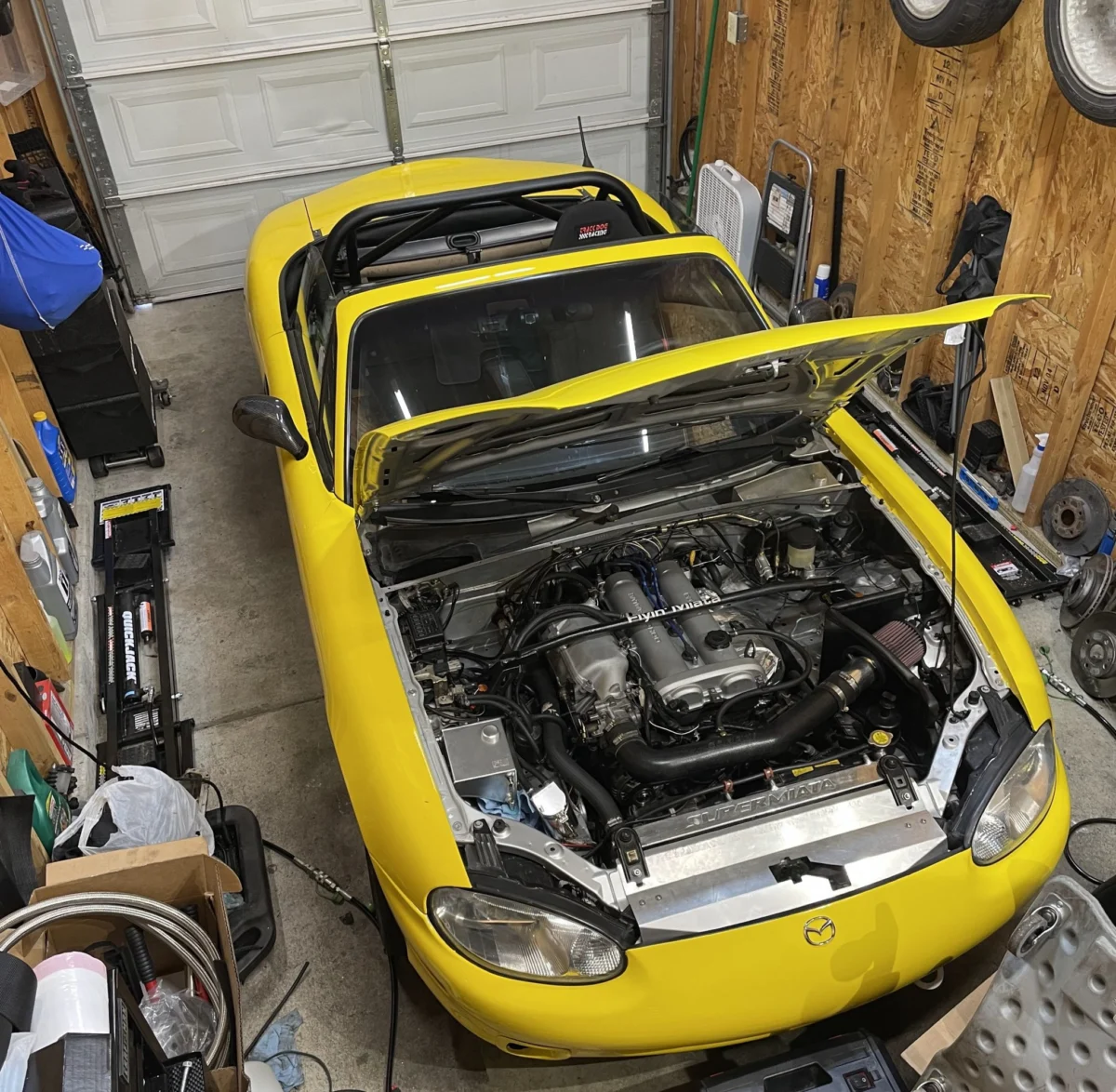
The heart of the NB Miata is the Mazda BP engine. The 2023-2024 off-season focused on a long-term powertrain strategy. The vehicle’s original BP4W engine (1999-2000 vintage) began showing signs of wear, specifically oil consumption at the 7,000 RPM redline and smoke during high-vacuum deceleration.
The owner’s inventory now includes:
- BP4W (Non-VVT): Known for a slightly better head flow design in stock form but lacking variable valve timing.
- BP6D (VVT): Found in 2001-2005 models, offering a broader torque curve through Variable Valve Timing.
A technical analysis of the spare power units revealed typical high-mileage failures, including "chunked" exhaust valves and negative valve lash. The current development path involves a "hybrid" build: a BP4W bottom end (refreshed with new pistons and honed cylinders) mated to a rebuilt BP6D VVT head. This combination aims to maximize mid-range torque—critical for exiting corners—while maintaining the reliability required for 15+ track days per season.
Weight Reduction and Interior Ergonomics
In December 2023, the focus shifted to the "Power-to-Weight" ratio, a primary metric in SCCA Time Trials classing. To remain competitive without the immediate expense of forced induction (turbocharging), the vehicle underwent a radical weight-loss program.
The removal of the dashboard, unused wiring harnesses, and the soft top mechanism resulted in a net loss of approximately 50 pounds. In a vehicle that weighs roughly 2,300 pounds in track trim, a 50-pound reduction is significant, equivalent to a nearly 2% improvement in the power-to-weight ratio.
Ergonomic upgrades followed in January 2024 with the installation of an OMP 330mm flat-dish steering wheel on a quick-release hub. Beyond the weight savings of removing the factory airbag unit, the quick-release mechanism is a critical safety feature, allowing for rapid driver egress in the event of a fire or mechanical emergency. It also facilitates easier access to the pedal box for maintenance.
Tire Data and Performance Metrics
The 2023 season provided a robust comparison of "Super 200" treadwear tires, the standard for most street-legal track classes.
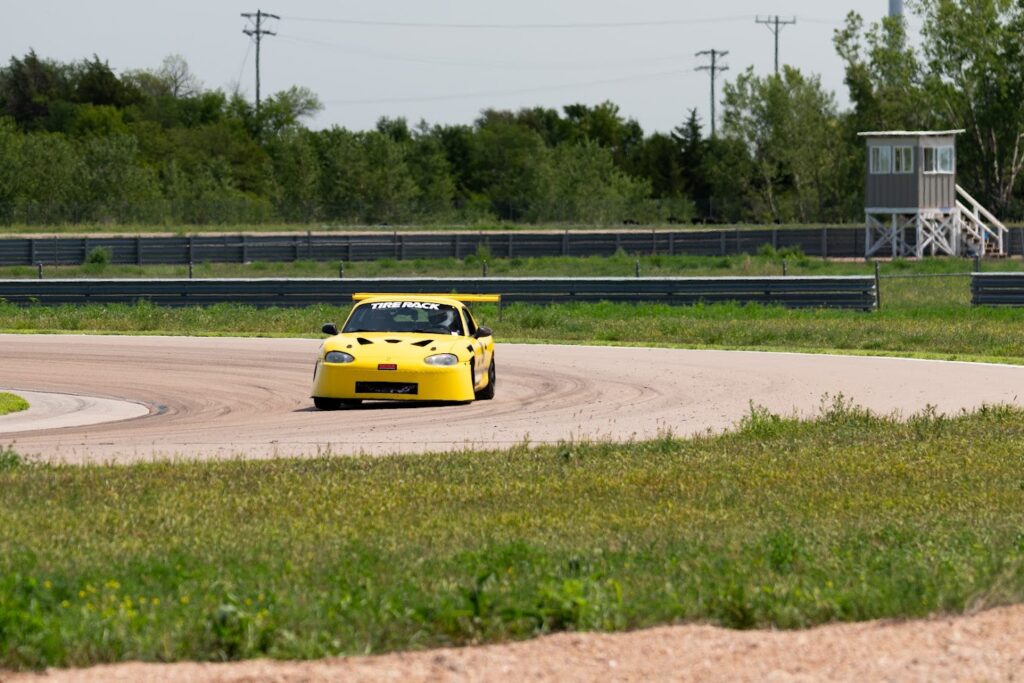
- Falken Azenis RT660: Utilized for the majority of track days. Data shows these tires maintained competitive grip through 38 heat cycles and 8.5 hours of track time.
- Bridgestone Potenza RE-71RS: Used primarily for autocross. These tires demonstrated exceptional longevity, surviving 17 events (approximately 70 runs) while maintaining sufficient tread for transit.
- Continental ExtremeContact Sport: Tested in wet conditions, these tires proved that modern "Max Performance Summer" tires can nearly match the pace of older-generation dedicated track tires like the Hankook RS4 when track temperatures are low.
For the 2024 season, the vehicle is slated to move to the Yokohama A052 for autocross and the Nankang CRS v2 for track use, following industry trends toward softer, faster-lapping compounds.
Broader Impact and Future Implications
The three-year evolution of this NB Miata reflects a broader trend in the automotive hobby: the transition of the Miata from an affordable convertible to a sophisticated, data-driven racing machine. As the availability of clean NB chassis diminishes, the value of well-documented, mechanically sound examples continues to rise.
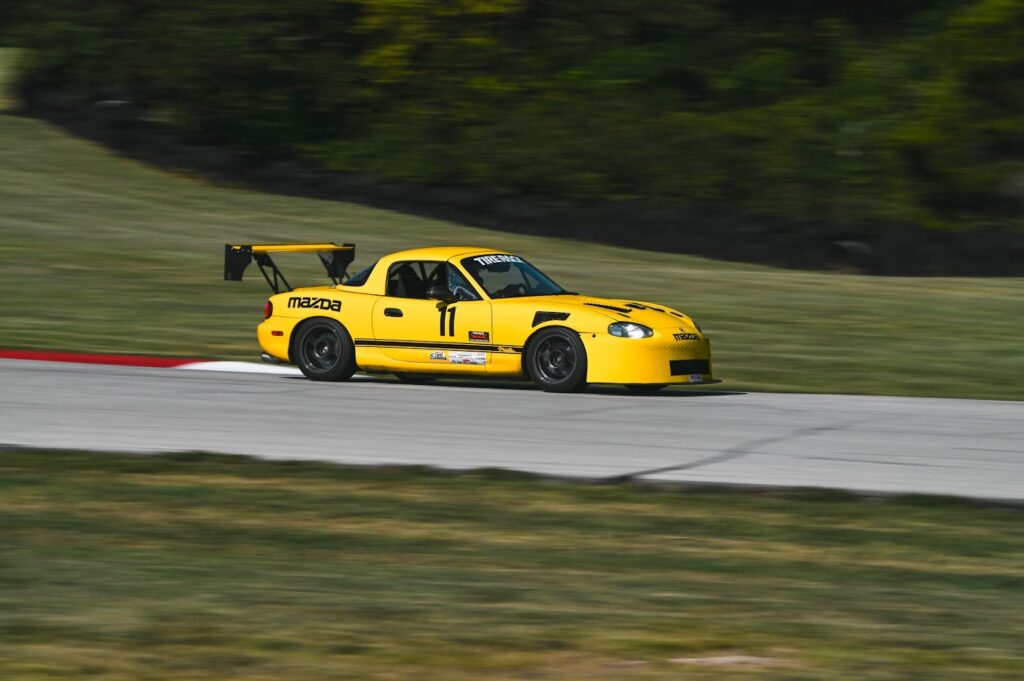
The owner’s data suggests that for a naturally aspirated Miata to remain competitive in modern Time Trials, it must move toward "extreme" measures—comprehensive aero, significant weight stripping, and precise thermal management. The upcoming 2024 season will likely determine if the chassis has reached its peak in naturally aspirated form or if the addition of forced induction is necessary to compete with higher-displacement modern rivals.
Ultimately, the 2023-2024 ownership year confirms that the NB Miata remains a premier educational tool for automotive engineering and driving dynamics, provided the owner is prepared for the rigorous maintenance schedule required by a vehicle that spends 30 days a year at the absolute limit of its mechanical design.