
 Hartono Sudibyo
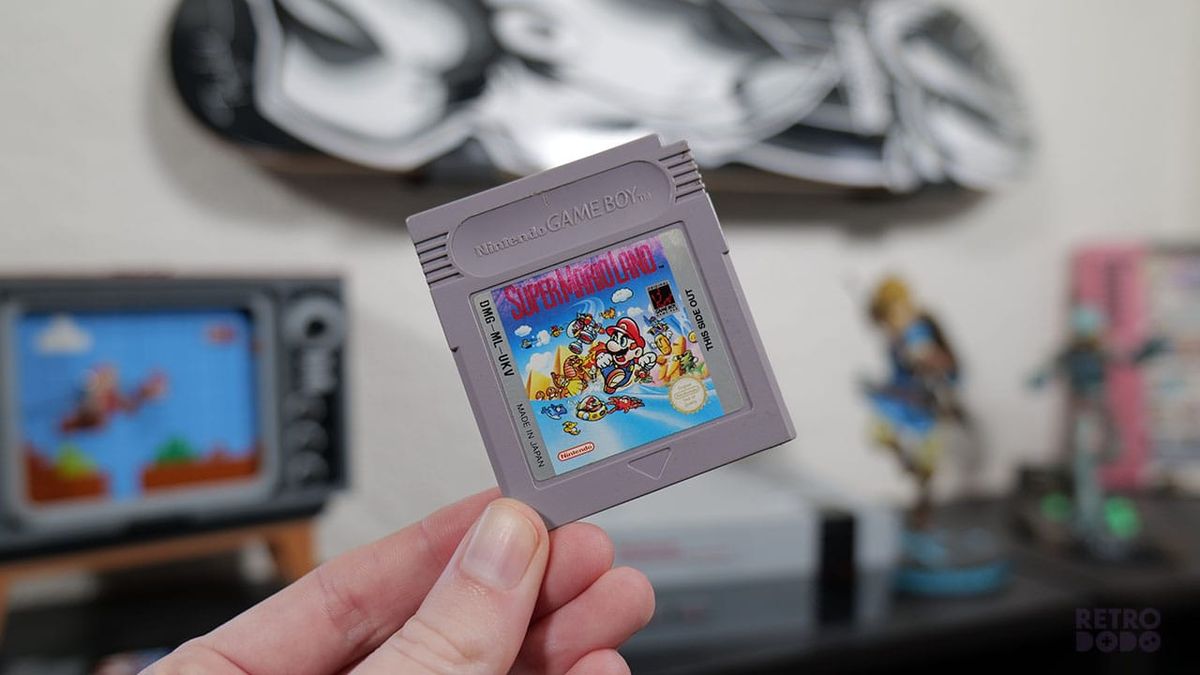
The enduring legacy of Nintendo’s iconic Super Mario franchise is nowhere more evident than in the handheld gaming sphere, and Super Mario Land for the Game Boy stands as a testament to this. Released in 1989, this title wasn’t just another entry in the beloved series; it was a groundbreaking experience that redefined portable gaming, offering a unique twist on the familiar Mushroom Kingdom formula and solidifying the Game Boy’s status as a must-have device. This article delves into the creation, gameplay, impact, and lasting significance of Super Mario Land, exploring how it captured the imaginations of millions and continues to be celebrated by retro gaming enthusiasts today.
The Genesis of a Handheld Revolution
The development of Super Mario Land was a strategic move by Nintendo to bolster the Game Boy’s library at launch. While the console was a technological marvel for its time, offering a full-color (albeit monochrome) gaming experience on the go, it needed killer applications to drive sales. Shigeru Miyamoto, the creative mastermind behind Mario, was heavily involved in the Game Boy’s design, but the direct development of Super Mario Land was helmed by Gunpei Yokoi’s R&D Division 1, a team known for its innovative work on titles like Metroid and Kid Icarus.
Crucially, Super Mario Land was not developed by the core Super Mario Bros. team. This creative distance allowed for a fresh perspective, leading to distinct gameplay mechanics, environments, and even a different protagonist. While Mario is present, the damsel in distress is Princess Daisy, not Princess Peach, and the setting is the alien world of Sarasaland, rather than the familiar Mushroom Kingdom. This departure from convention was a deliberate choice to differentiate the handheld experience and avoid simply porting the NES titles. The game’s engine was also notably different, optimized for the Game Boy’s hardware limitations, including its lower resolution and monochrome display.

A Divergent Journey: Gameplay and Innovation
Super Mario Land retained the core platforming mechanics that defined the Super Mario Bros. series – running, jumping, and stomping on enemies. However, it introduced several significant innovations:
- New Power-Ups: The standard Super Mushroom and Fire Flower were replaced by the "Power Flower," which granted Mario the ability to shoot. More uniquely, the "Super Bounce," a helmet that allowed Mario to charge up a powerful jump, added a new layer to traversal and combat. These power-ups were essential for navigating the game’s distinct challenges.
- Vehicle Sections: A standout feature of Super Mario Land was its inclusion of two distinct vehicle levels. The first involved piloting the "Sky Pop," a small aircraft, through a bullet-hell-like shooter segment where players had to dodge enemy fire and destroy targets. The second featured Mario in a submarine, navigating underwater mazes while fending off aquatic foes. These sections provided a welcome change of pace and showcased the Game Boy’s capabilities.
- Unique Enemies and Bosses: Sarasaland was populated by a menagerie of original enemies, including the crab-like "Chai", the hopping "Bombshell Koopa," and the bouncy "Goombo." The bosses were also a departure from the norm. Instead of Bowser’s Koopalings, Mario faced the tyrannical Tatanga, a space invader who kidnapped Princess Daisy. Each world culminated in a battle against one of Tatanga’s formidable minions, often requiring specific strategies to defeat.
- World Design: The game featured four distinct worlds, each with a unique theme and aesthetic. These ranged from the grasslands of Grassy Plains and the underwater depths of the Marine Popdown to the treacherous mountains of Mt. Latos and the final confrontation in the Kingdom of the Aliens. The visual design, though limited to shades of gray, was remarkably detailed and imaginative, utilizing the Game Boy’s screen to its full potential.
- Musical Score: The soundtrack, composed by Hirokazu Tanaka, is another highlight. Tracks like "P-1 (Grassy Plains)" and "P-2 (Marine Popdown)" are instantly recognizable and have become classics in their own right, perfectly capturing the adventurous and sometimes whimsical tone of the game. The music was crucial in bringing the alien world of Sarasaland to life and providing an energetic backdrop to the gameplay.
Timeline of Impact and Reception
The release of Super Mario Land on April 21, 1989, in Japan, and later in North America and Europe, was met with widespread critical acclaim and commercial success.
- Launch Window Success (1989-1990): The game was a major system-seller for the Game Boy, which itself launched in April 1989 in Japan. Its appeal transcended age demographics, attracting both seasoned gamers and newcomers to the world of handheld entertainment. The portability and engaging gameplay made it an instant hit.
- Sustained Popularity (1990s): As the Game Boy continued its dominance throughout the 1990s, Super Mario Land remained a staple in many players’ collections. Its replayability, with secrets and challenges to discover, ensured its longevity.
- Retro Revival and Modern Recognition (2000s-Present): With the rise of retro gaming communities and emulation, Super Mario Land experienced a resurgence in popularity. It has been rereleased on various Nintendo platforms, including the Virtual Console for the Nintendo 3DS, allowing new generations to experience its charm. The game is frequently cited in "best Game Boy games" lists and is often lauded for its originality and contribution to the platform.
Sales Data: While exact figures for Super Mario Land specifically on the Game Boy are not always granularly separated from overall Game Boy software sales, it is widely acknowledged as one of the best-selling titles for the console. It consistently ranks among the top titles, with estimates suggesting sales well into the millions worldwide. This commercial success directly contributed to the Game Boy’s overwhelming market dominance.
Critical Acclaim and Player Feedback
Reviewers at the time praised Super Mario Land for its innovative gameplay, charming visuals, and memorable music. Many highlighted its distinct identity from the NES Super Mario Bros. titles, appreciating the new elements it brought to the franchise.

- "It’s a testament to Nintendo’s design prowess that they could take the Mario formula and transplant it so effectively onto a portable system…" – A common sentiment echoed in contemporary reviews, emphasizing the successful adaptation of the core gameplay to the Game Boy’s limitations.
- "The inclusion of vehicle sections was a bold move that paid off handsomely, offering exciting and varied gameplay experiences." – This aspect was frequently singled out as a highlight, setting Super Mario Land apart from its console predecessors.
- "While the graphics are monochrome, the art style is vibrant and imaginative, bringing the alien world of Sarasaland to life." – Critics acknowledged the technical constraints but praised the artistic direction for overcoming them.
Player feedback has consistently mirrored this positive reception. The game is often remembered fondly for its unique challenges, its distinctive soundtrack, and the sheer fun factor it provided during long car rides or quiet evenings. The difficulty, while sometimes challenging, was generally perceived as fair, rewarding players for mastering its mechanics.
Broader Impact and Legacy
Super Mario Land was more than just a successful game; it was a significant cultural artifact that played a pivotal role in the history of video games.
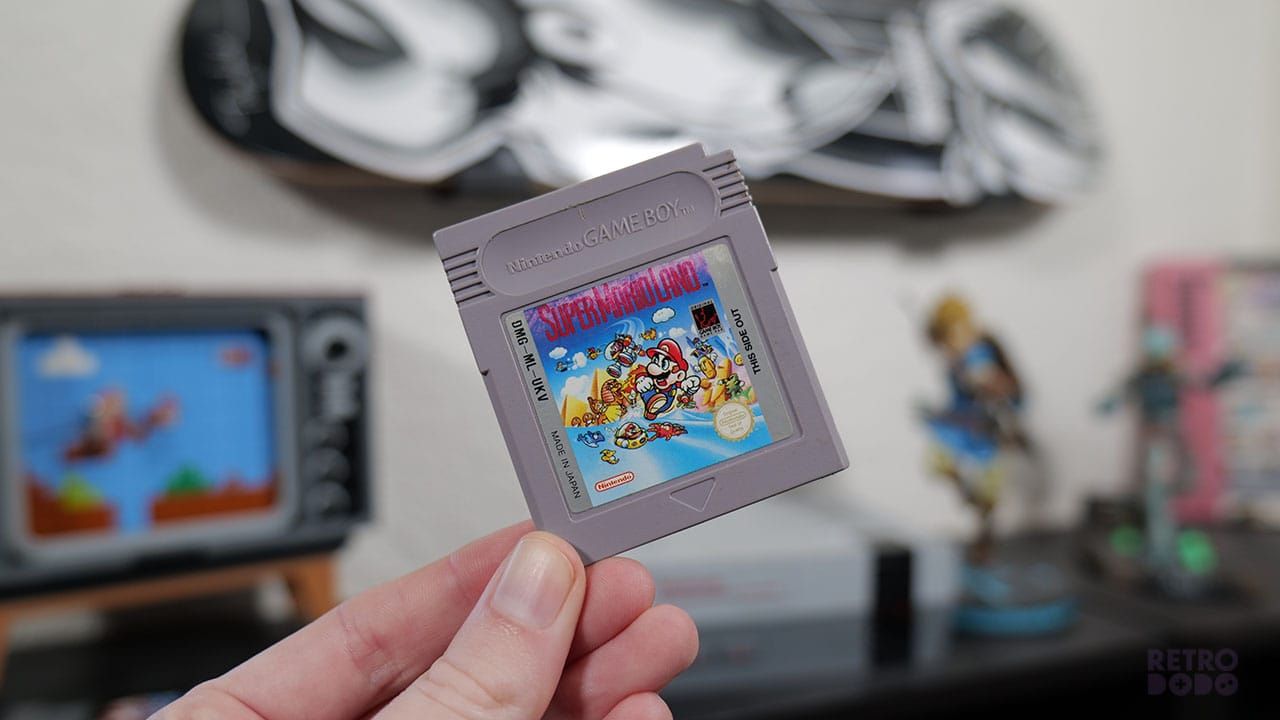
- Solidifying the Game Boy’s Dominance: The Game Boy, with Super Mario Land as a flagship title, became the best-selling handheld console of all time, selling over 118 million units worldwide. The game’s success was intrinsically linked to the console’s triumph, demonstrating the power of compelling software to drive hardware sales.
- Expanding the Mario Universe: By introducing Princess Daisy and the world of Sarasaland, Super Mario Land expanded the lore of the Mario franchise. Daisy, in particular, has gone on to become a recurring character in spin-off titles like Mario Kart and Mario Party, establishing her own distinct presence within the Mario universe.
- Pioneering Handheld Innovation: The game demonstrated that portable gaming could offer complex, engaging, and innovative experiences, not just simplified versions of console games. The inclusion of vehicle segments and unique power-ups set a precedent for future handheld game development.
- Enduring Nostalgia and Influence: Decades later, Super Mario Land remains a beloved classic. Its music is still remixed and covered, its gameplay is fondly remembered, and its influence can be seen in the design of many subsequent platforming titles. It serves as a reminder of a golden era of game development, where creative risks often led to groundbreaking results.
Official Responses and Nintendo’s Perspective
While direct, formal statements from Nintendo executives specifically about Super Mario Land from its release date are scarce in easily accessible archives, the company’s consistent re-releases and marketing of the game on subsequent platforms speak volumes about its perceived importance.
- Inclusion in Virtual Console: The decision to bring Super Mario Land to the Nintendo 3DS Virtual Console was a clear indication of its status as a classic and a valuable piece of Nintendo’s history. This allowed a new generation of players to experience the game on a modern handheld.
- Legacy Recognition: Nintendo frequently acknowledges the Super Mario Land series in its retrospectives and official histories of the Mario franchise. The characters and themes introduced in the game have been integrated into the broader Mario universe, a testament to their lasting appeal.
- Emphasis on Innovation: Nintendo has often emphasized its commitment to innovation, and Super Mario Land is a prime example of this ethos in action. The game’s departure from the established formula and its introduction of new mechanics highlight Nintendo’s willingness to experiment and push boundaries, even within its most popular franchises.
Looking Ahead: The Unfinished Symphony of Sarasaland
The success of Super Mario Land led to two sequels: Super Mario Land 2: 6 Golden Coins and Super Mario Land 3D (though the latter is a more recent title and not a direct sequel in the traditional sense). Super Mario Land 2 introduced Wario, who would go on to become a major character in his own right, further demonstrating the creative output of the Super Mario Land development team.
The world of Sarasaland and its unique characters continue to hold a special place in the hearts of retro gaming fans. The game stands as a remarkable achievement, a testament to the power of creative vision, and a pivotal moment in the evolution of both the Mario franchise and portable gaming as a whole. Its blend of familiar mechanics with bold new ideas ensured its place not just as a game, but as a cherished piece of gaming history.








