Hartono Sudibyo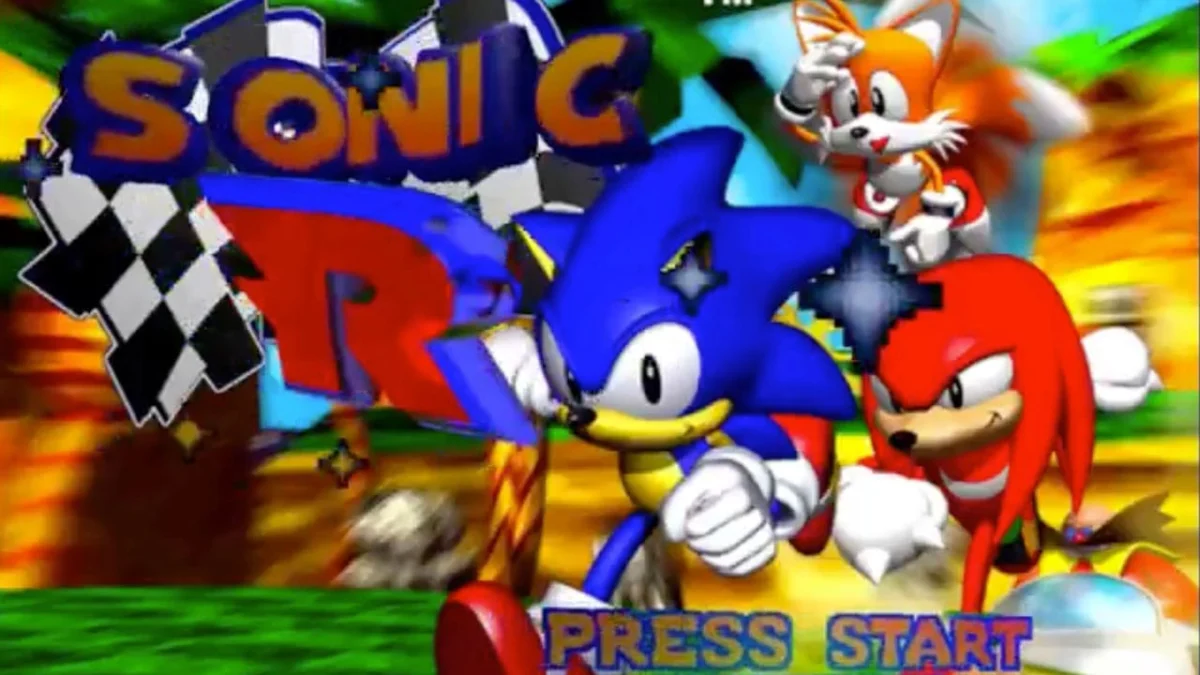
The vibrant world of retro gaming preservation and enhancement continues to evolve with the ambitious undertaking of porting the beloved racing title, Sonic R, to the Sega Dreamcast. Spearheaded by the dedicated developer known as "jnmartin," this project represents a significant leap beyond simple emulation, focusing on a ground-up decompilation and reimagining of the PC version of the game. While initial reports emerged in April 2026, the development journey for Sonic R on the Dreamcast is a testament to the enduring passion for Sega’s iconic console and its unique library. This endeavor, unlike some more straightforward ports that leverage existing decompiled codebases, requires jnmartin to meticulously reverse-engineer the entire game from its source code, a process that underscores the complexity and dedication involved.
The Genesis of a Dreamcast Port: A Deep Dive into Sonic R’s Decompilation
The news of jnmartin’s Sonic R project first surfaced through a series of enthusiastic announcements and shared gameplay footage, notably highlighted by Dreamcast aficionado Falco Girgis. In a tweet dated April 22, 2026, Girgis shared a compelling video showcasing the game’s progress, exclaiming, "Soooooo… anyone wondering wtf our N64-to-Dreamcast port master, jnmartin, has been up to lately? Well, look no further than this gameplay footage of the next game he’s planning to port to the Sega Dreamcast… EVERYBODY SUPER SONIC RACING!!!! IT’S SONIC R!!!" This announcement immediately captured the attention of the retro gaming community, signaling a significant development for a game that has long been a fan favorite, albeit one with a complex technical history.
Unlike previous Dreamcast ports, such as the remarkable Star Fox 64 adaptation that was reportedly achieved in a remarkably short timeframe, the Sonic R project presents a far more intricate challenge. Jnmartin’s approach involves starting "completely from scratch," as explained by Girgis. This means that instead of building upon a pre-existing decompiled codebase, the developer must undertake the arduous task of decompiling the entire PC version of Sonic R. Decompilation is the process of converting compiled machine code back into a human-readable source code format. This is a technically demanding and time-consuming endeavor, often requiring deep knowledge of programming languages, assembly, and the original game’s architecture. The absence of an existing decompiled foundation necessitates a meticulous and comprehensive analysis of the game’s executable files, uncovering its logic, assets, and functionalities layer by layer.
A Glimpse of Progress: Early Gameplay and Technical Hurdles
The initial gameplay footage shared by Falco Girgis offered a tantalizing preview of jnmartin’s work. The captured video demonstrated Sonic R running natively on macOS, a crucial intermediate step before the final deployment to the Dreamcast hardware. While the footage indicated a promising level of functionality, it also acknowledged the presence of "a few glitches to sort out." This is a common and expected aspect of any ambitious game porting project, especially one that involves such a deep level of code reconstruction. Developers meticulously identify, diagnose, and rectify these issues to ensure a stable and enjoyable gameplay experience.
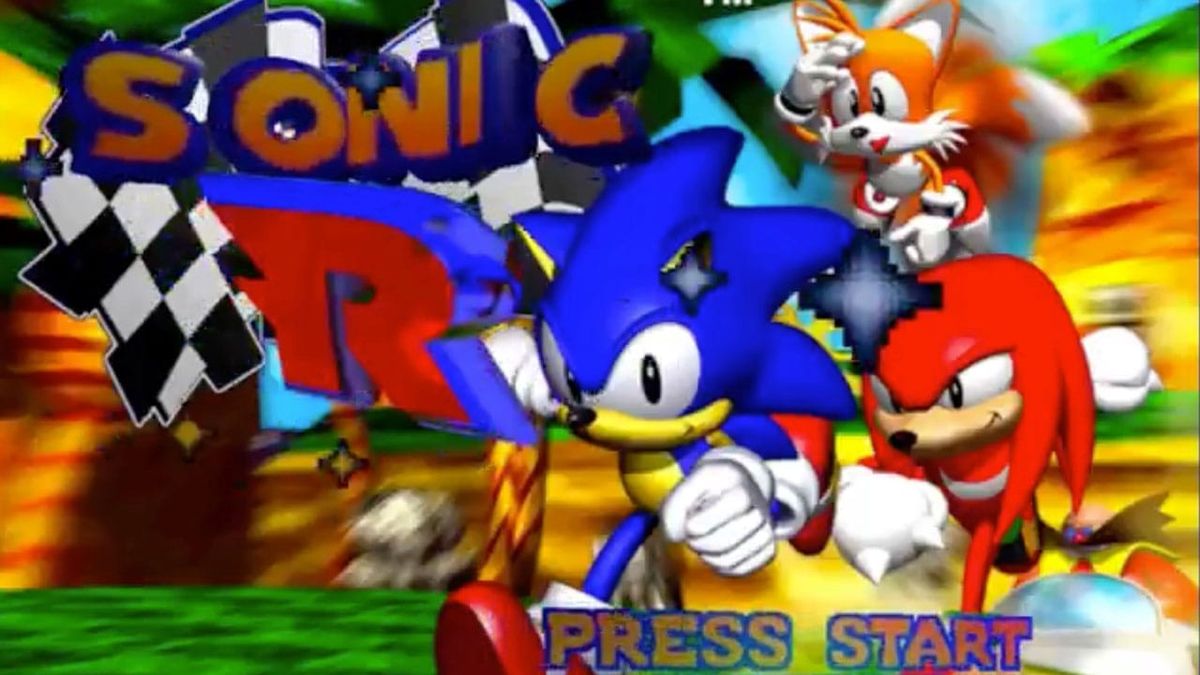
The thoroughness of jnmartin’s work has been consistently praised within the community. This reputation suggests that despite the current presence of minor glitches, the eventual Dreamcast port is expected to be of exceptionally high quality. The commitment to detail is paramount when dealing with decompiled code, as even small errors can have cascading effects on gameplay, performance, and stability. The fact that the project has progressed to a playable state on macOS indicates a significant milestone has been reached in the complex decompilation process.
Beyond the Core: Network Play and Enhanced Features
The ambition of the Sonic R Dreamcast port extends beyond merely replicating the original game’s experience. Jnmartin has reportedly expressed intentions to integrate network play into the source material. This feature, if successfully implemented, would be a monumental addition, allowing players to compete against each other online. In an era where online multiplayer was nascent for consoles, the prospect of experiencing Sonic R’s frantic races with friends or rivals across the globe would be a significant draw.
Furthermore, discussions surrounding the potential use of hardware like the "Dream Color Plus" have emerged. This accessory, designed to enhance the Dreamcast’s capabilities, could play a role in realizing the full potential of an online Sonic R experience. The integration of such hardware would not only improve the visual fidelity and performance but also potentially unlock new gameplay possibilities. The prospect of utilizing specialized controllers or enhancements for online play underscores the forward-thinking nature of this project, aiming to not just revive a classic but to evolve it for the modern retro enthusiast.
The Technical Backbone: Decompilation and Porting Challenges
Decompiling a complex 3D racing game like Sonic R is a monumental task. The game, originally released for the PC in 1997 and later ported to the Nintendo 64, features intricate 3D models, dynamic environments, sophisticated physics, and AI-driven opponents. Each of these elements must be meticulously reconstructed from machine code. The process typically involves:
- Disassembly: Converting machine code into assembly language, which is a low-level human-readable representation of instructions.
- Analysis: Studying the assembly code to understand the program’s logic, data structures, and algorithms.
- Reconstruction: Rewriting the assembly code into a higher-level programming language, such as C or C++, to make it more manageable and maintainable.
- Optimization: Refining the reconstructed code to improve performance and efficiency, especially for the target hardware.
The Dreamcast, while a powerful console for its time, has its own unique hardware architecture and limitations. Porting a decompiled game requires careful consideration of memory management, processing power, and graphics capabilities. Jnmartin’s success in achieving a playable state on macOS is a strong indicator of their technical prowess and understanding of these challenges. The subsequent transition to the Dreamcast will involve further optimization and adaptation to the console’s specific SDK (Software Development Kit) and hardware specifications.

Community Support and the Future of Retro Preservation
Projects like jnmartin’s Sonic R port highlight the vital role of community-driven development in preserving and enhancing classic gaming experiences. Independent developers and enthusiasts, often working in their spare time, are pushing the boundaries of what’s possible with older hardware. These efforts not only bring beloved games to new platforms but also create opportunities for deeper engagement with the games’ underlying technology.
The Retro Dodo publication, which has been instrumental in covering this development, emphasizes the importance of supporting independent media and creators. Their membership program, which offers ad-free experiences, exclusive Discord access, and physical goodies, is designed to foster a sustainable ecosystem for human-powered journalism and development in the retro gaming space. This model stands in contrast to algorithm-driven content and AI-generated articles, prioritizing genuine passion and expertise.
The implications of this Sonic R port are far-reaching. It demonstrates that even complex, older titles can be revitalized and brought to new life through dedicated effort. The potential for enhanced features, such as online multiplayer, opens up new avenues for players to experience these games in ways that were not possible at their original release. As the project progresses, the retro gaming community will undoubtedly be watching with keen interest, anticipating the day they can once again race as Sonic, Tails, and their iconic rivals on the Sega Dreamcast, perhaps with a level of polish and connectivity that exceeds even the original vision. The journey from decompilation to a fully functional Dreamcast release is a marathon, not a sprint, but the dedication shown by jnmartin suggests a finish line well worth anticipating. The continued development of such ambitious projects underscores the enduring legacy of the Dreamcast and the passionate individuals who keep its spirit alive.