Vera Clarissa
Before Apple embarked on its transformative journey into custom in-house silicon with the groundbreaking A4 chip in the iPhone 4, the early iterations of iOS devices relied on processors manufactured by Samsung. These foundational chips laid the groundwork for the mobile revolution that Apple would spearhead. From 2010 onwards, with the introduction of the A4, Apple began a distinct naming convention for its System on a Chip (SoC) designs, which have since become synonymous with the company’s relentless pursuit of performance and efficiency. This evolution, marked by incremental yet significant advancements, has culminated in the powerful A-Series processors powering today’s flagship devices, with projections suggesting that by 2026, the iPhone 17 lineup will feature the A19 and A19 Pro chips, delivering desktop-class multicore processing and graphical prowess directly into the palm of users’ hands. While current mobile Apple SoCs often rival the performance of desktop-class processors like the M1, this remarkable leap has been the product of years of sustained innovation and strategic development.
The Genesis: From Samsung’s S5L8900 to the A4
The earliest iOS devices, including the original iPhone, the first-generation iPod touch, and the iPhone 3G, were powered by what is internally designated as "APL0098," more commonly known as the Samsung S5L8900. This chip, adopted after initial iPhone prototypes utilized Freescale i.MX31 processors, was primarily designed with power efficiency in mind, a crucial consideration for the nascent smartphone market. The S5L8900, also referred to as the ARM 8900B, was a 32-bit ARMv6 processor built on a 90-nanometer fabrication process. It operated at an underclocked 412 MHz from its default 666 MHz, featuring a modest 16KB of Level 1 Instruction cache and an equal amount for L1 data. Notably, it lacked L2, L3, or shared system caches, relying on a single processor core. Its memory configuration consisted of 128 MB of 133.25 MHz LPDDR-266 RAM, yielding a total memory bandwidth of 533 MB/s.

While the second-generation iPod touch did not officially bear an "Apple A2" designation, its internal chip, a 65nm variant of the S5L8900, represented a refinement of the original design, showcasing Apple’s early commitment to iterative improvements in its silicon.

The true beginning of Apple’s proprietary mobile silicon journey, however, can be traced to the S5L8920 and its variant S5L8922. The S5L8920 powered the iPhone 3GS, while the S5L8922 found its way into the third-generation iPod touch. These processors marked a significant upgrade, notably doubling the L1 Instruction and data caches to 32 KB per core, which directly contributed to enhanced performance. Memory bandwidth saw a substantial increase to 1.6 GB/s, supported by 256 MB of LPDDR-400 (200 MHz) RAM. Crucially, these chips introduced a 256 KB L2 cache, a feature absent in all preceding iOS devices, further bolstering processing capabilities. The GPU clock speed was also boosted to 200 MHz, signifying Apple’s growing focus on graphics performance.

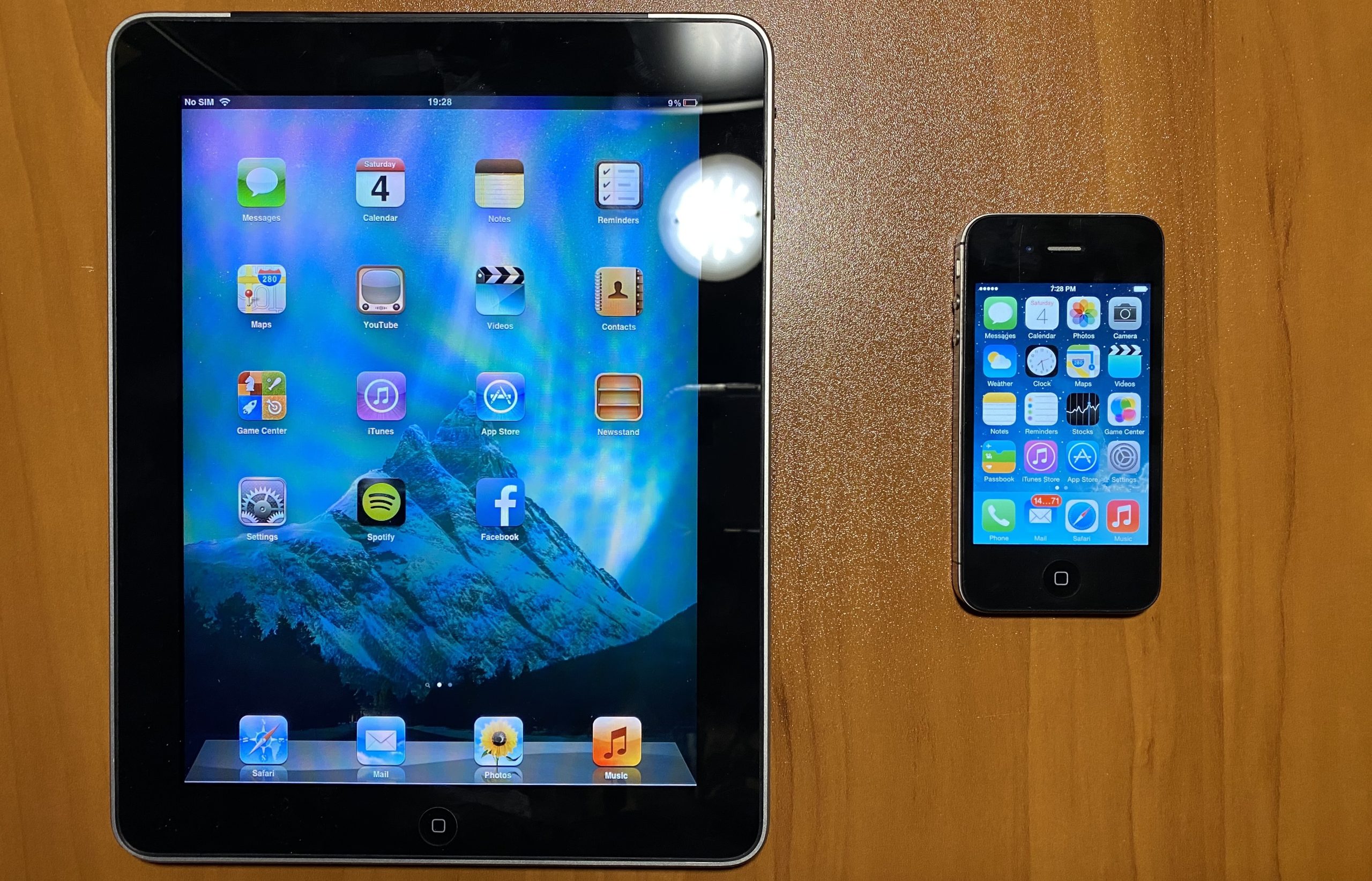
This era culminated with the introduction of the A4 chip, arguably the first true Apple Silicon designed in-house, much like the later M-series chips that have revolutionized Apple’s product ecosystem. The A4 powered the iPhone 4, the original iPad, and the fourth-generation iPod touch. It was still a 32-bit processor but featured a doubled L2 cache of 512 KB and an increased CPU clock speed ranging from 800 MHz to 1 GHz, depending on the device. Memory bandwidth was also enhanced to 3.2 GB/s across all devices utilizing this SoC.
The Era of Multi-Core and Enhanced Graphics: A5, A5X, A6, and A6X
The A5 chip, released in March 2011 with the second-generation iPad, represented a significant leap forward, introducing dual-core processing capabilities. Apple touted the A5 as being capable of "twice the work" of the A4 and delivering nine times the graphical performance. All A5 and A5X chips incorporated an improved L2 cache of 1 MB, faster memory, and a more potent graphics core. While most A5 variants were dual-core, a locked-down single-core version was developed specifically for the third-generation Apple TV.
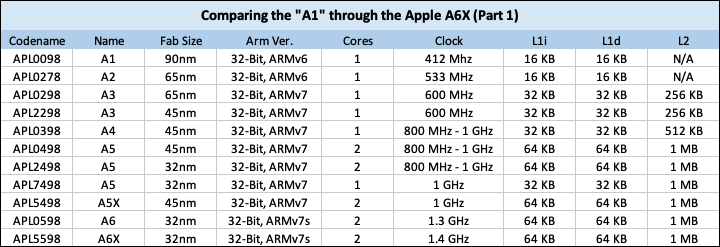
The A5X, introduced with the third-generation iPad, was a higher-performance iteration of the A5. It featured a quad-core graphics chip, pushing graphical performance to 25.6 Gigaflops and incorporating various technical enhancements over its predecessor. This strategic differentiation between chip variants for different device classes underscored Apple’s increasing sophistication in tailoring silicon to specific product needs.
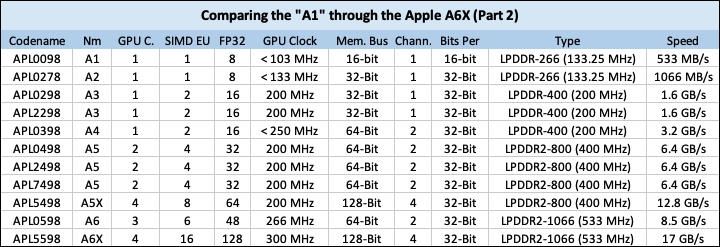
The A6 and A6X processors further pushed the performance envelope. The A6, found in the iPhone 5 and 5c, achieved CPU clock speeds of 1.3 GHz. The A6X, powering the fourth-generation iPad, reached 1.4 GHz. These chips utilized LPDDR2-1066 RAM, delivering memory bandwidths of 8.5 GB/s for iPhones and an impressive 17 GB/s for the fourth-generation iPad. The GPU clock speeds also saw an increase, with the A6X at 300 MHz compared to the A6’s 266 MHz. This period marked Apple’s growing mastery in optimizing both CPU and GPU performance within its mobile SoCs.
The 64-Bit Revolution: A7, A8, and the Rise of TSMC
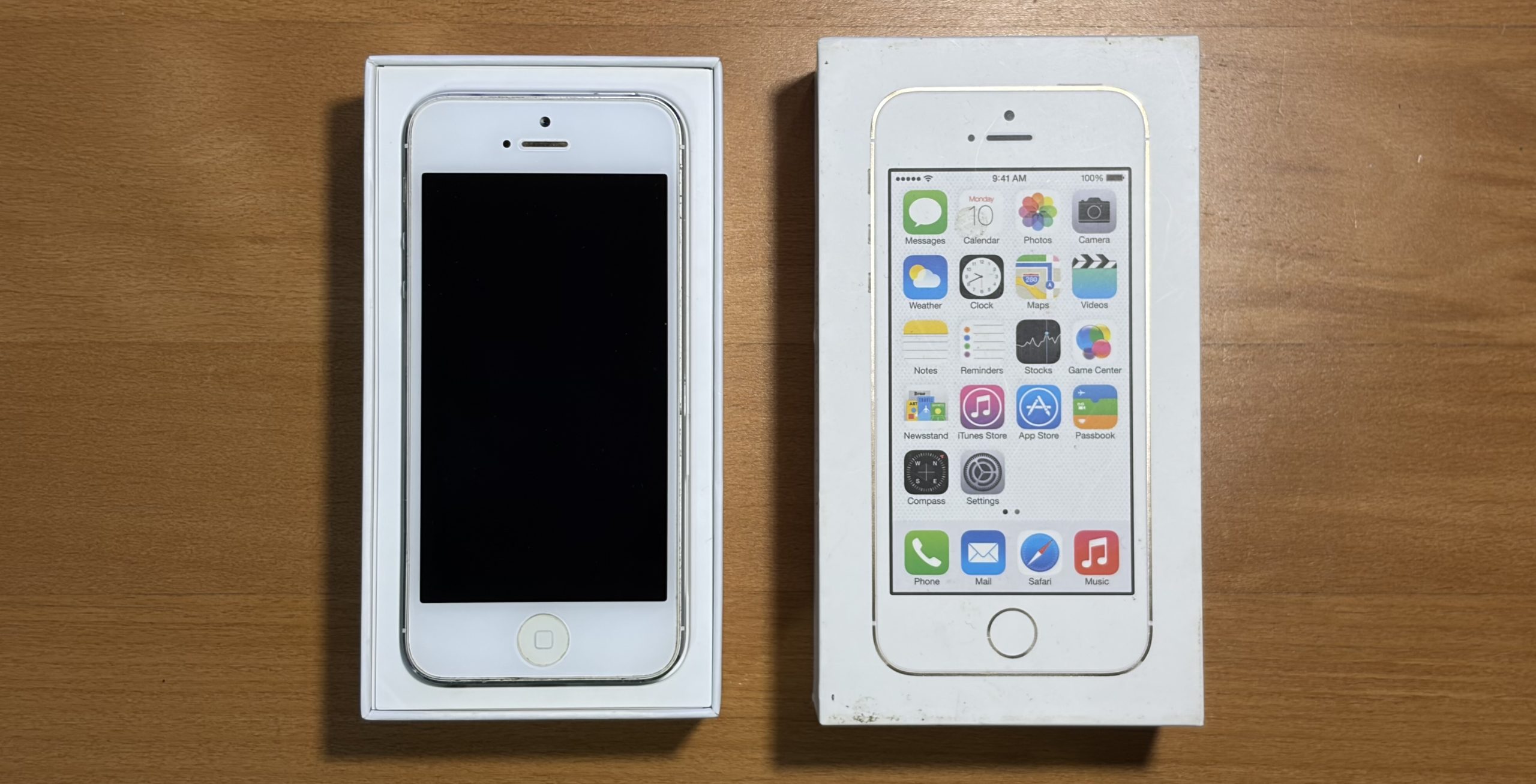
A pivotal moment in Apple’s silicon development arrived with the introduction of the A7 chip on September 10, 2013, alongside the iPhone 5s. The A7 was the world’s first 64-bit mobile Apple Silicon, a groundbreaking architectural shift that would redefine mobile computing. This chip also powered the second and third-generation iPad mini, as well as the original iPad Air. Featuring over a billion transistors and a smaller fabrication process, the A7 delivered substantial improvements over its predecessors, setting the stage for more complex and powerful mobile applications.
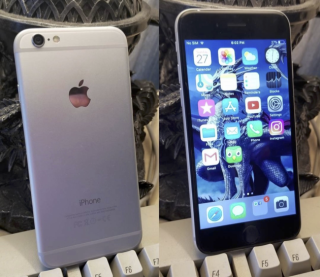
The iPhone 6 and 6 Plus, released in 2014, were equipped with the Apple A8 chip. These devices achieved unprecedented popularity, selling approximately a quarter of a billion units worldwide and becoming the most popular iPhones to date. The A8 chip continued the trend of performance enhancements, contributing to the seamless user experience of these widely adopted devices.
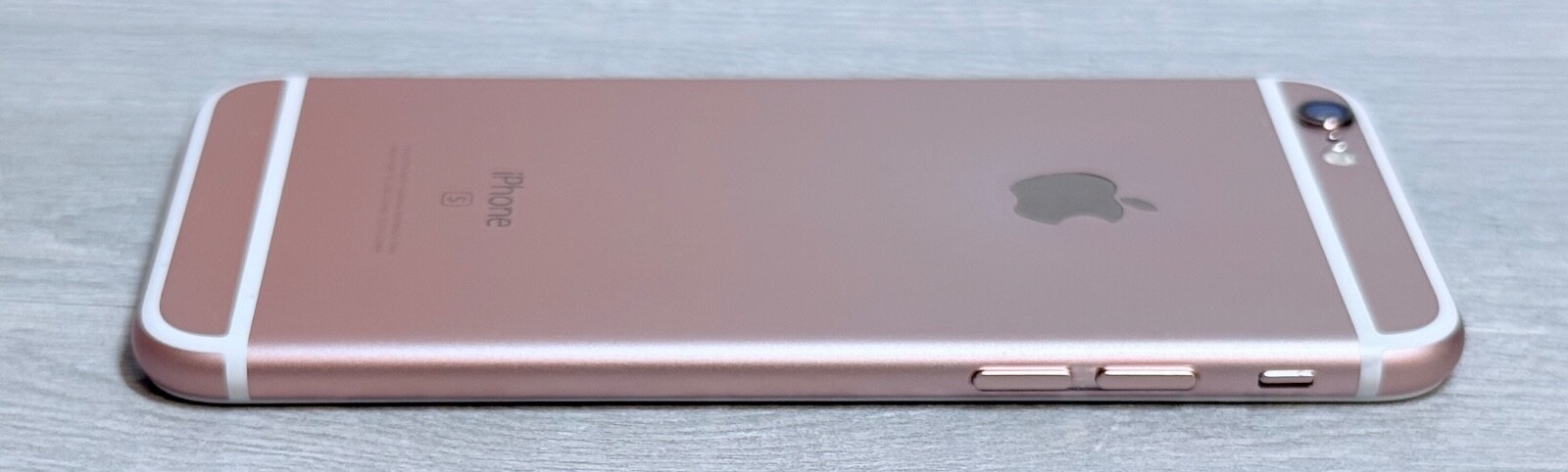
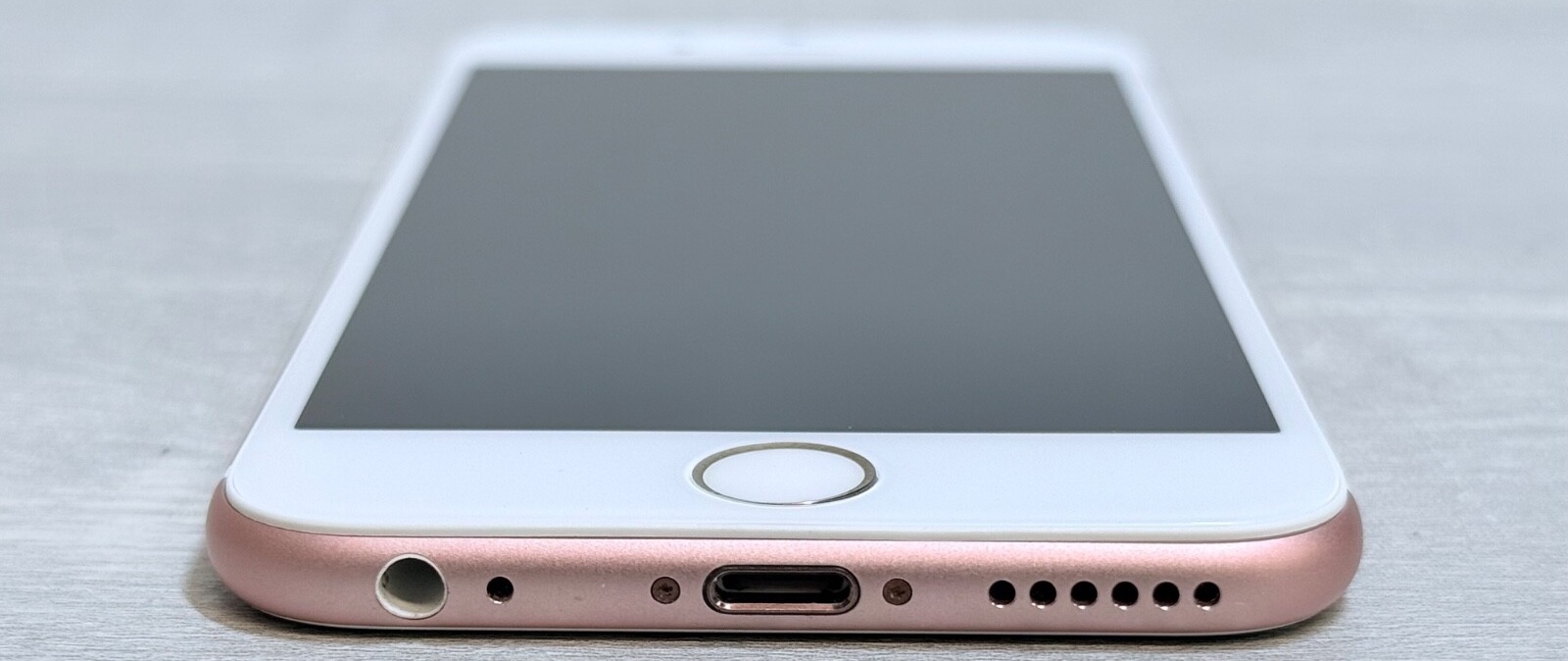
The A9 and A9X chips, introduced with the iPhone 6s and 6s Plus, marked a significant shift in manufacturing as Apple began leveraging TSMC (Taiwan Semiconductor Manufacturing Company) alongside Samsung. While two nearly identical versions of the A9 existed, one manufactured by Samsung for the 6s and 6s Plus, and a TSMC version for the iPhone SE, both represented a leap forward. Crucially, these chips were the first Apple devices to utilize DDR4 memory, predating Macs’ adoption of DDR4 by nearly two years. The A9 also featured a custom Apple-designed NVMe controller, incorporating PCI Express and significantly boosting internal storage speeds on iPhones, a development that would become a hallmark of high-performance smartphones.
Efficiency and Powerhouse Performance: A10 Fusion, A10X Fusion, and the T2 Chip
The iPhone 7 and 7 Plus, released on September 16, 2016, ushered in the A10 Fusion chip, which introduced a critical architectural innovation: efficiency cores. The A10 Fusion was Apple’s first quad-core SoC, boasting a 40% increase in CPU performance and a 50% boost in GPU performance over the A9, according to Apple’s own benchmarks. This hybrid architecture allowed for a more dynamic and efficient power management system, delivering high performance when needed and conserving energy during less demanding tasks.

The A10X Fusion, found in the third-generation iPad Pro, further extended this performance envelope, offering enhanced capabilities for professional-grade mobile workloads. Concurrently, the T2 chip, a custom silicon designed by Apple, began to appear in its Mac lineup, integrating various controllers and enhancing security and system management functions. While not an A-series chip for iPhones and iPads, the T2 represented Apple’s expanding strategic vision for custom silicon across its entire product range, ensuring tighter integration and optimized performance.

Looking Ahead: The Unrelenting March of Innovation
The trajectory of Apple’s A-series chips is a testament to the company’s unwavering commitment to in-house silicon design. From the power-efficient Samsung processors of the early iPhones to the desktop-class performance projected for the A19 and A19 Pro in 2026, each generation has built upon the successes of its predecessors, pushing the boundaries of what is possible in mobile computing. This relentless pursuit of innovation has not only defined Apple’s product strategy but has also profoundly influenced the broader semiconductor industry, setting new benchmarks for performance, efficiency, and integration. The ongoing advancements in fabrication processes, architectural designs, and the strategic inclusion of specialized cores continue to solidify Apple’s position as a leader in the highly competitive mobile silicon landscape.