Cecilia Chamidah Nur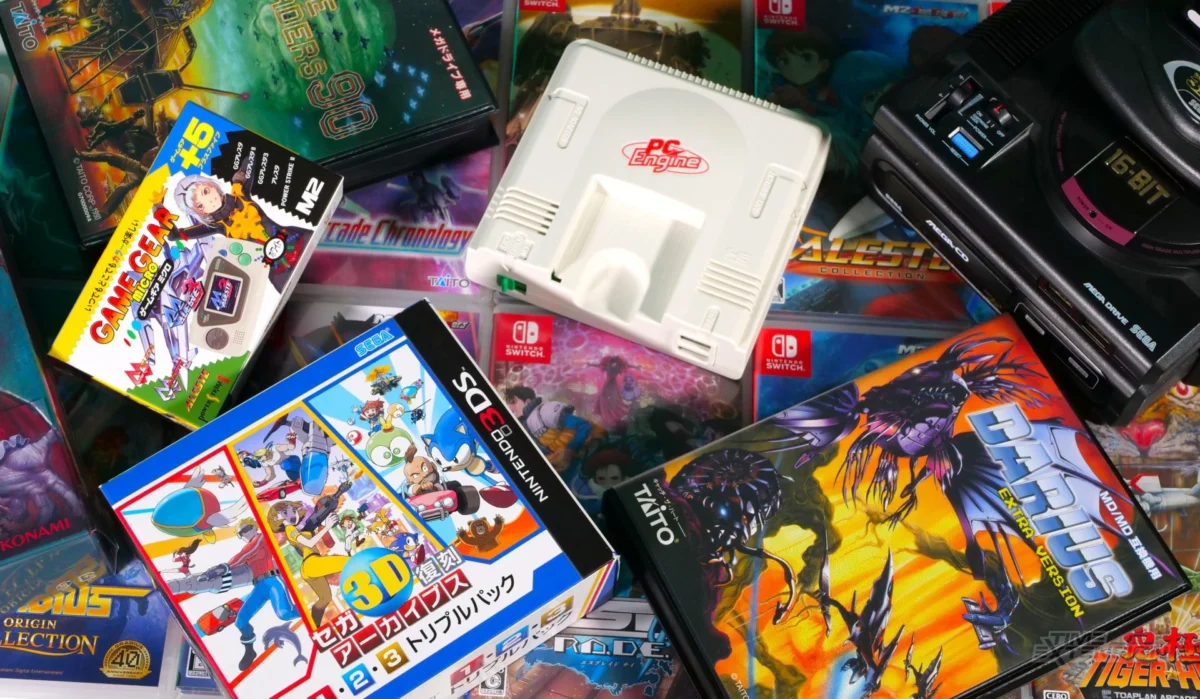
M2 Co., Ltd. has long stood as a paragon of excellence in the often-treacherous world of retro game ports, a reputation meticulously built over decades. Naoki Horii, the visionary founder of the esteemed Japanese game studio, recently offered a rare glimpse into the company’s genesis, its unwavering commitment to quality, and his personal philosophy that has cemented M2’s status as the industry’s go-to specialist for meticulously crafted classic game experiences. His reflections reveal a journey driven by passion, serendipity, and an uncompromising dedication to the nuances that define true retro perfection.
The Accidental Origins of a Gaming Behemoth
Founded in the early 1990s, M2 Co., Ltd. emerged from a surprisingly relatable confluence of personal ambition and circumstantial observation. Horii recounts a "hidden motive" for establishing the company: the simple desire to avoid the notoriously crowded commuter trains of Japan, opting instead for a workplace conveniently located near his home. However, the more profound catalyst was witnessing friends and seniors effortlessly launch their own game-related ventures. This demystified the daunting prospect of entrepreneurship for Horii, leading him to the realization, "Huh, maybe starting a company isn’t that hard."
Parallel to this observation was a long-held personal conviction. Having engaged in part-time game development since his high school days, Horii harbored a desire for creative autonomy. He mused, "If I want to make what I like, maybe I should take responsibility for everything myself." These two ideas converged naturally, giving birth to M2. The initial impulse was clear: a company would provide the platform to "make games exactly the way I wanted." This foundational principle of creative control and personal satisfaction would become a hallmark of M2’s output.
A Philosophy Forged in Passion and Precision
M2’s ascent to its current standing as a byword for "unimpeachable quality" was not a predetermined outcome but rather, as Horii humbly suggests, a fortunate alignment of factors. He identifies several "kinds of luck" instrumental to their success. Firstly, the creation of an environment where personal passion could translate directly into professional work. Secondly, the attraction of "talented staff" who shared this passion and pursued their goals "without compromise." Thirdly, a steady accumulation of skills and experience, particularly from the PlayStation 2 era onwards, which saw the company refine its technical prowess in emulation and porting. Finally, and crucially, the good fortune of collaborating with "clients who allowed us to work that way" – a testament to the trust M2 earned through its consistent delivery.
This dedication to detail, however, was not without its internal struggles. Horii candidly admits to moments of doubt, recalling professional settings where questions arose: "Do we really need to go this far?" or "Will anyone even notice this level of detail?" Such inquiries, often stemming from concerns over development time and cost, led M2’s team to wonder if their meticulousness was merely a self-indulgent pursuit. Yet, they persisted, driven by the belief that there were players who genuinely "wanted to play something crafted to that level of care." This unwavering commitment, despite the inherent risks, ultimately resonated with a discerning audience, transforming what could have remained a "niche and obsessive" approach into a widely accepted standard.
The company’s core strength, Horii asserts, is not a proprietary technology or a unique business model, but rather a collective "strong passion and love for classic games." This shared enthusiasm often manifests in intense, almost "fight to the death" discussions about what constitutes the "best" approach, even when dissecting the same game. It is this vibrant, sometimes clashing, internal dialogue, fueled by a deep respect for the source material, that Horii believes inevitably produces something "distinctive" and ultimately becomes M2’s greatest asset.
Landmark Projects and Enduring Legacies
M2’s impressive portfolio spans numerous iconic titles and groundbreaking projects, many of which have significantly contributed to game preservation. Among these, their first game, Gauntlet IV on the Mega Drive/Genesis, holds a special place for Horii. It represents a period of unbridled youthful energy and creative abandon. He reminisces about his twenties, describing game development as "incredibly fun," akin to "the night before a school festival." Days were a blur of "playing games endlessly" and "developing games in between," often leading to missed deadlines as the team relentlessly polished and refined their work until client intervention. This early experience set the precedent for M2’s meticulous, almost obsessive, approach to game creation.
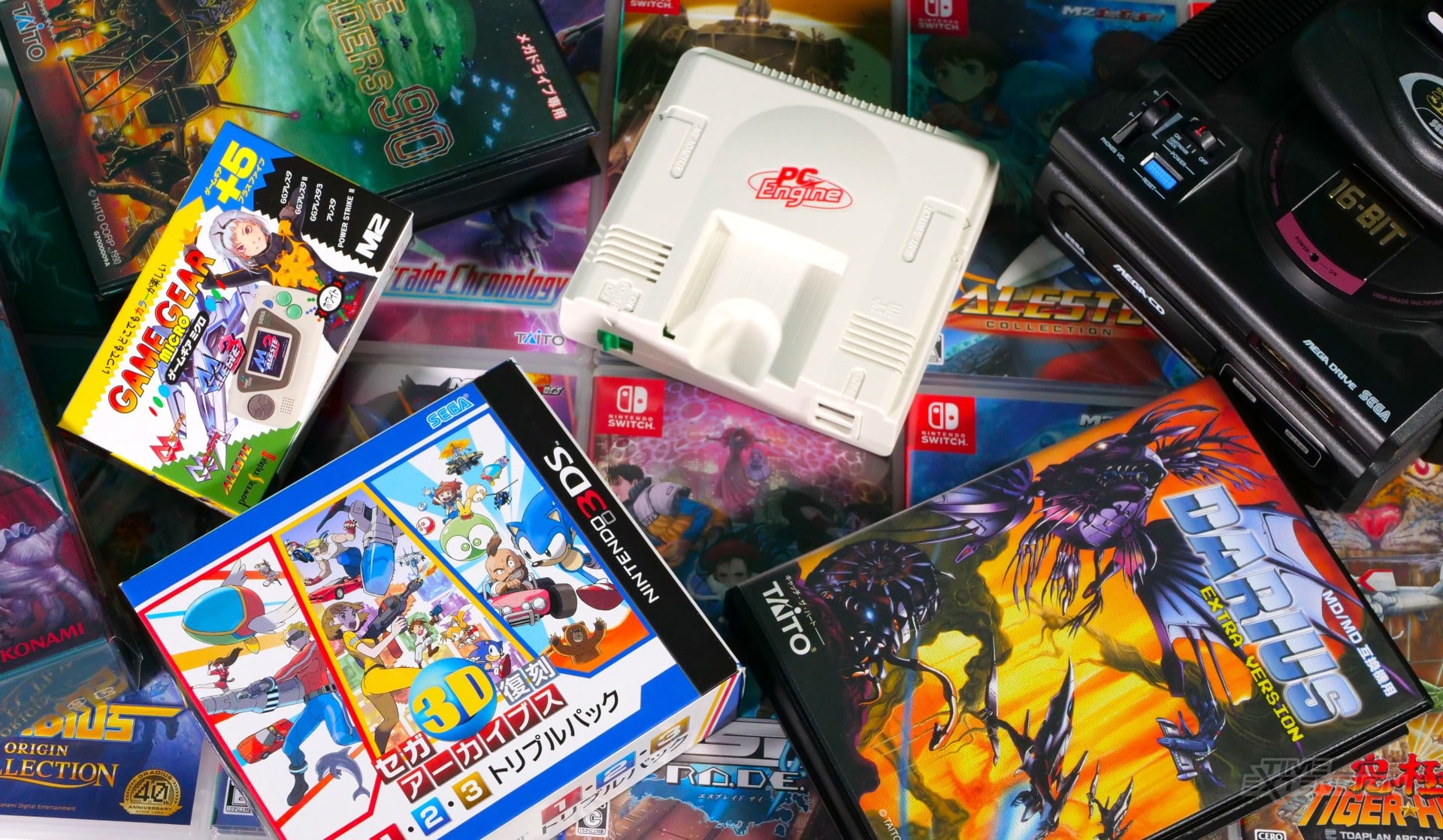
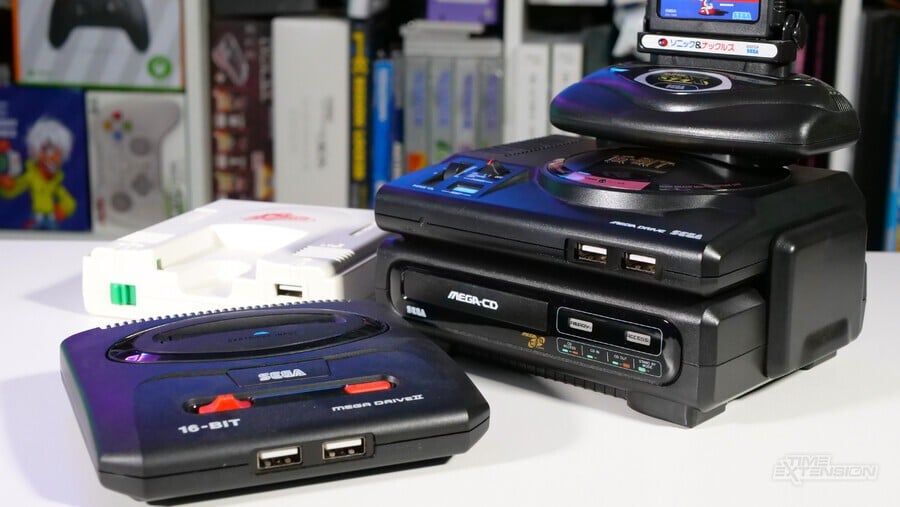
Beyond individual titles, M2 has played a pivotal role in shaping the modern retro gaming landscape, notably through their involvement with the hugely popular mini-consoles. Their expertise was instrumental in the development of the Mega Drive/Genesis Mini and the PC Engine/TurboGrafx-16 Mini, consoles that have sold millions worldwide and introduced classic games to a new generation. These projects underscore M2’s capability to deliver not just individual ports, but comprehensive, platform-level emulation solutions that meet exacting standards.

Another significant highlight for Horii includes the Fantasy Zone II port and the WiiWare "ReBirth" titles: Gradius ReBirth, Contra ReBirth, and Castlevania ReBirth. The Fantasy Zone II project was particularly rewarding, transforming a Master System home console game into an arcade-style experience, a long-held personal wish for Horii. The positive reception, even from veteran Sega arcade developers, confirmed their success. The WiiWare "ReBirth" series, developed in collaboration with Konami, exemplifies M2’s ability to revitalize classic IPs with fresh, yet authentic, entries. Horii credits Konami for their progressive approach to keeping series alive through regular releases and for granting M2 significant creative freedom, allowing them to craft games exactly as they "wanted to play them at the time." The consistent involvement of composer Manabu Namiki in these projects further highlights the collaborative spirit and high caliber of talent M2 attracts.
M2’s prolific output on modern platforms like Nintendo Switch and PlayStation 4, including critically acclaimed collections for beloved series, has further solidified their reputation. Titles like the Darius Cozmic Collection, Aleste Collection, and various Space Invaders compilations demonstrate their versatility and commitment to preserving diverse segments of arcade and console history. These collections are not merely ROM dumps; they are often enhanced with features like save states, rewind functions, multiple regional versions, detailed game histories, and even new modes, all integrated with M2’s signature low-latency emulation.
The Future of Preservation: Horii’s Vision
Looking ahead, Horii’s aspirations remain deeply rooted in the past, with a strong desire to tackle more classic series. He notes that M2’s staff harbors enthusiasm for virtually any series originating from the 16-bit era or earlier, reflecting the company’s collective passion. Publishers frequently approach M2 for prototypes and exploratory ideas, underscoring the industry’s recognition of their unique expertise in extending the life of cherished IPs. Horii views this as "love" from publishers, and he hopes M2 is "helping pass the baton forward," envisioning a future where these classics endure for centuries.
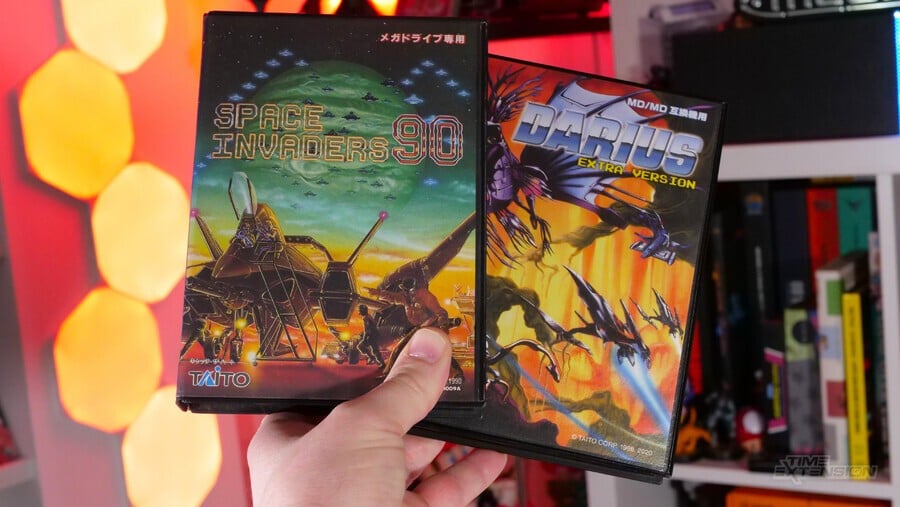
Personally, Horii expresses a strong desire to work on Darius and R-Type again, citing the "romance" of side-scrolling shooters. He even entertains a whimsical ambition to create a hypothetical "Salamander III" for arcades, supporting both 15kHz and 31kHz displays – a detail that speaks volumes about his deep technical and historical appreciation for arcade hardware.
However, the "ultimate" game for M2 to work on, in Horii’s view, would be Marble Madness. He describes its elegance as "unmatched," highlighting its immediate accessibility and intuitive interaction. This appreciation for fundamental, sharp game design extends to the electro-mechanical game Ice Cold Beer, which he praises for its simple rules, instant gratification, and compelling, unending replayability. These examples underscore Horii’s core philosophy: a deep value for "sharp and well-defined" interaction in video games. His ideal game is one with "compelling interaction, strong edges, and no natural stopping point," a pursuit he hopes to dedicate his life to.
The Enduring Legacy of Play
Ultimately, M2 Co., Ltd. began from a remarkably simple, almost anti-establishment, desire: "to enjoy a life with games and avoid dealing with anything unrelated to them (in other words… not wanting to ‘work,’ really)." For Horii, this goal is gradually being realized. What started as a means to achieve "modest happiness" has, through the collective passion of individuals who "don’t want to think about anything but games," evolved into something far more exciting and impactful than he ever envisioned.
Despite the inherent difficulties of running an organization and the constant "risk of it coming to an end," M2 continues to thrive. Horii finds profound blessing in the fact that they get to pursue their passion, and in return, people respond with "That was fun!" This positive feedback loop is the lifeblood of M2. "As long as people keep saying ‘That was fun!’, we’ll probably be able to keep doing things our way," he concludes, with a resolute promise: "We’ll survive."
M2’s journey from a humble, almost accidental, beginning to a cornerstone of retro game preservation is a testament to the power of passion, precision, and an unyielding commitment to quality. In an industry often driven by rapid innovation and fleeting trends, M2 stands as a crucial guardian of gaming history, ensuring that the interactive brilliance of yesteryear is not only preserved but meticulously presented for future generations to discover and enjoy. Their work is a vibrant bridge between gaming’s past and its future, crafted with the unwavering love and exacting standards that define true perfection.