Cecilia Chamidah Nur
The landscape of consumer electronics, particularly within the burgeoning retro handheld and mini-PC sectors, is currently experiencing significant turbulence, with AYANEO, a prominent manufacturer, announcing impending price increases for four of its highly sought-after devices. This development, revealed on April 10th, 2026, via the company’s official Discord channel, will affect the Pocket Vert and Pocket S Mini handhelds, alongside the Mini PC AM03 and Mini PC AM01S. The rationale provided points directly to the escalating costs of storage components, a trend that has been rippling across the entire industry throughout early 2026 and is primarily driven by the insatiable demand from the rapidly expanding artificial intelligence (AI) data center market.
A Broadening Economic Headwind for Consumer Electronics
This latest announcement from AYANEO is not an isolated incident but rather the latest in a series of strategic adjustments the company has been forced to undertake. Over the past several months, AYANEO has been grappling with an increasingly volatile supply chain and rising material expenses. March 2026 saw the company make headlines by suspending pre-orders for its highly anticipated AYANEO Next 2, a move explicitly attributed to the unsustainability of initial pricing given component cost volatility, and later by teasing the potential discontinuation of the KONKR Pocket Fit 8 Elite. These prior actions signaled a deepening crisis for the manufacturer, underscoring the severe pressures impacting product viability and consumer pricing.
The current economic headwinds are not unique to AYANEO. Competitors within the retro handheld market have also reported similar struggles. March 2026 witnessed Retroid, another key player, temporarily discontinuing one of its handheld models and raising prices on another, a situation colloquially dubbed the "RAMpocalypse" within enthusiast communities due to its direct link to memory shortages. Similarly, AYN, a rival handheld maker, has also had to adjust its pricing strategies in response to these pervasive market forces. The common thread linking these industry-wide adjustments is the dramatic surge in memory and storage component costs, a direct consequence of the explosive growth in AI data centers globally. These data centers, requiring vast quantities of high-performance memory (DRAM) and solid-state drives (SSDs) to process complex AI algorithms, have created an unprecedented demand spike that conventional manufacturing capacities are struggling to meet, leading to significant price inflation across the board.
AYANEO’s Official Stance and Consumer Advisory

In its communication to the community, AYANEO adopted a transparent and proactive approach, emphasizing the urgency for potential buyers. The company’s statement on Discord read: "You may have already noticed that many of our products are currently out of stock. While the remaining models are running very low on inventory. At the same time, due to the rising cost of storage components, prices across several AYANEO products have already started to increase. The following products have been especially popular and are now nearing the end of their available stock: Pocket VERT, Pocket S Mini, Mini PC AM03, and Mini PC AM01S."
The statement further elaborated on the immediate implications for these specific models: "These models have seen strong demand in recent periods, and inventory is now very limited. We are also planning price increases for these products soon, so we strongly encourage anyone interested to make a purchase as early as possible to avoid paying higher prices later. At this moment, Pocket VERT, Pocket S Mini, AM03, and AM01S are among the last products still available at their current pricing." This direct advisory serves as a clear warning to consumers, providing a narrow window of opportunity to acquire these devices at their original price points before the inevitable adjustments take effect. While AYANEO did not specify an exact date for the price hikes or the magnitude of the increases, the message indicates an imminent change, leaving prospective buyers with a limited timeframe for decision-making.
Chronology of Escalating Industry Pressures
The current situation is the culmination of several months of increasing strain on the global semiconductor supply chain, particularly impacting memory and storage components.
- Late 2025: Early warning signs emerge as industry analysts begin to forecast an uptick in NAND flash and DRAM prices. Initial reports attribute this to a combination of factors, including a rebound in PC and smartphone demand following a sluggish period, coupled with the nascent but rapidly accelerating investment in AI infrastructure.
- January – February 2026: Prices for specific memory modules and SSDs begin to show noticeable increases, with some enterprise-grade components experiencing double-digit percentage jumps. Manufacturers like Samsung, SK Hynix, and Micron, key players in the memory market, reportedly begin adjusting their contract pricing.
- March 2026: The impact becomes undeniable for consumer electronics brands. AYANEO announces the suspension of pre-orders for the AYANEO Next 2, citing unsustainable costs. Simultaneously, the company hints at the potential discontinuation of the KONKR Pocket Fit 8 Elite. Similar announcements are made by competitors such as Retroid, which faces its "RAMpocalypse" due to component shortages, and AYN, which also adjusts its product pricing. These events highlight the systemic nature of the crisis.
- April 10th, 2026: AYANEO issues its latest advisory, confirming that the Pocket Vert, Pocket S Mini, Mini PC AM03, and Mini PC AM01S will soon face price increases, urging customers to purchase at current prices while stock lasts. This move signifies that the cost pressures are not abating and are now affecting a broader range of their product portfolio.
The Underlying Cause: AI’s Voracious Appetite for Data and Memory
The primary driver behind the escalating component costs is the unprecedented surge in demand stemming from the global expansion of AI data centers. Artificial intelligence models, particularly large language models (LLMs) and complex machine learning algorithms, require immense computational power and, critically, vast amounts of high-speed memory and storage.

- DRAM (Dynamic Random-Access Memory): AI workloads demand high-bandwidth memory (HBM) for parallel processing and rapid data access. While HBM is a specialized segment, its production consumes significant manufacturing capacity and resources, indirectly impacting the availability and pricing of standard DRAM used in consumer devices. Furthermore, enterprise-grade servers for AI training and inference require substantially more conventional DRAM per server unit compared to traditional data center servers.
- NAND Flash (Solid-State Drives – SSDs): AI development and deployment generate and process colossal datasets. Training models can involve terabytes or even petabytes of data, necessitating high-capacity, high-endurance SSDs for storage. The shift towards higher-layer NAND (e.g., 200+ layers) for greater density also involves complex manufacturing processes, and the sheer volume demanded by AI data centers strains the supply for consumer-grade SSDs. Industry analysts, such as those from TrendForce, have projected a significant price increase for NAND flash and DRAM throughout 2026, with some estimates suggesting a cumulative rise of 15-25% over the year, following a substantial rebound in late 2025. This aggressive procurement by hyperscalers and AI firms creates a bidding war for components, pushing prices upward for all other sectors.
Deep Dive into the Affected Products
The four devices earmarked for price adjustments represent diverse segments of AYANEO’s product catalog, each catering to specific user needs.
-
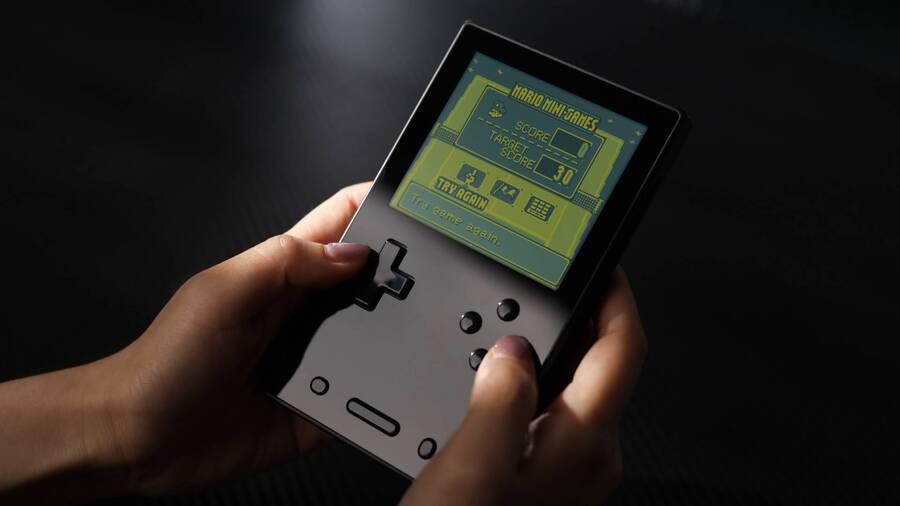
AYANEO Pocket Vert: This device, launched late last year and shipping to customers in February before the Chinese New Year, is AYANEO’s premium take on a Game Boy-style Android-based handheld. It distinguishes itself with a vertical form factor, appealing to retro gaming enthusiasts seeking an authentic feel for classic titles. Powered by the Qualcomm Snapdragon 8+ Gen 1 Mobile Platform, the Pocket Vert offers robust performance, making it capable of running a wide array of Android games and emulated titles from various console generations. Its original price point ranged between $269 and $369, depending on the configuration of RAM and internal storage, typically offering options from 8GB RAM/128GB storage to 12GB RAM/256GB storage. Its success underscored the demand for premium Android handhelds with a nostalgic design ethos.
-
AYANEO Pocket S Mini: Introduced earlier this year, the Pocket S Mini is another Android handheld, featuring a more traditional horizontal layout with a 4:3 aspect ratio display. This particular aspect ratio is highly favored by retro gaming purists as it perfectly matches the native resolution of many classic console and arcade games, avoiding stretching or letterboxing. The Pocket S Mini is equipped with the Snapdragon G3x Gen 2, a chip specifically optimized for handheld gaming, promising excellent performance, efficient power consumption, and advanced gaming features. Retailing between $319 and $479, its pricing varied based on configurations that typically included varying amounts of LPDDR5X RAM and UFS 4.0 storage, offering configurations up to 12GB RAM/512GB storage. Its appeal lies in its compact size, powerful gaming capabilities, and retro-friendly display.
-
AYANEO Mini PC AM03 and Mini PC AM01S: Beyond handhelds, AYANEO also offers a line of mini-PCs, which are compact desktop computers designed for various uses, from home theater PCs (HTPC) and office productivity to light gaming. These mini-PCs also rely heavily on internal SSDs for storage and DDR4/DDR5 RAM for system memory. While specific configurations for the AM03 and AM01S were not detailed in the original report, they would typically offer a range of processor options (e.g., AMD Ryzen or Intel Core series) paired with varying amounts of RAM (8GB to 32GB) and SSD storage (256GB to 1TB or more). The rising costs of these standard memory and storage components directly impact the manufacturing cost of these devices, forcing AYANEO to adjust their retail pricing. These mini-PCs represent AYANEO’s diversification strategy, appealing to users who appreciate compact, powerful computing solutions.
Broader Implications and Market Outlook
The impending price increases for these AYANEO products carry significant implications for consumers, the company itself, and the broader tech industry.
-
For Consumers: The immediate impact is a reduced window of opportunity for purchasing these devices at their current, more affordable prices. Those who delay may face higher costs or even potential stock unavailability if the supply chain issues persist or worsen. This could lead to a rush on existing inventory, further exacerbating scarcity. For budget-conscious consumers, these increases could push desired products out of reach, forcing them to consider older models, alternative brands, or even forgo purchases altogether.
-
For AYANEO: While price adjustments are necessary to maintain profitability in the face of rising component costs, they also present a delicate balancing act. Higher prices could dampen demand, potentially impacting sales volumes and market share in a competitive segment. AYANEO’s strategy of transparency and early warning is commendable, as it builds trust and allows consumers to make informed decisions. However, the company must carefully manage its inventory and future pricing to avoid alienating its loyal customer base while securing sustainable margins. The challenge lies in absorbing some of the cost increases without passing the full burden onto consumers, or communicating the value proposition effectively despite the higher price tag.
-
For the Retro Handheld Market: The struggles faced by AYANEO, Retroid, and AYN underscore the fragility of the entire retro handheld ecosystem, which heavily relies on affordable and readily available components. Persistent high costs could stifle innovation, slow down the release of new devices, or lead to a consolidation of the market as smaller players struggle to compete. It might also accelerate a shift towards cloud-based gaming or emulation on general-purpose smartphones and tablets, which are less susceptible to niche component shortages. The market might also see a greater emphasis on optimizing software for less powerful, more affordable hardware.
-
For the Tech Industry at Large: This situation serves as a stark reminder of the profound and wide-ranging impact of AI’s growth on the global technology supply chain. The prioritization of components for AI data centers is diverting resources and driving up costs for consumer electronics, automotive, and other sectors. This trend is likely to continue as AI development accelerates, potentially leading to further supply chain disruptions and price adjustments across various tech product categories. Manufacturers may need to explore new strategies, such as diversifying their supply chains, investing in vertical integration, or designing products with greater flexibility in component sourcing.
As the industry navigates these turbulent waters, the coming weeks will reveal the extent of the price increases and their immediate impact on sales for AYANEO’s affected products. The broader implication, however, is clear: the era of seemingly endless advancements and stable pricing in consumer electronics, especially those heavily reliant on cutting-edge memory and storage, is facing an unprecedented challenge from the transformative power of artificial intelligence.