Cecilia Chamidah Nur
In a year already marked by a significant resurgence in classic ninja-themed action games, an independent developer, TiNTz, is poised to contribute to this thriving genre with its upcoming title, Eclipse Blade. The game, currently listed on Steam, promises to deliver the "challenging old-school" gameplay reminiscent of the original NES Ninja Gaiden trilogy, wrapped in meticulously crafted pixel art and dynamic parkour mechanics. This announcement comes on the heels of other successful tributes to the ’90s ninja action era, such as Game Kitchen’s Ninja Gaiden: Ragebound and Lizardcube’s Shinobi: Art of Vengeance, underscoring a growing appetite among players for high-stakes, retro-inspired experiences.
The Resurgence of Retro Ninja Action
The past year has proven fertile ground for developers looking to recapture the essence of 8-bit and 16-bit action-platformers, particularly those featuring agile, weapon-wielding protagonists. Titles like Ninja Gaiden: Ragebound and Shinobi: Art of Vengeance have garnered critical acclaim and strong player engagement by successfully blending nostalgic aesthetics with modern design sensibilities, offering experiences that feel both familiar and fresh. These games have tapped into a significant demographic of gamers who grew up with the punishing difficulty and precise mechanics of the era, as well as a new generation eager to experience the roots of action gaming.
The success of these titles is not an isolated incident but part of a broader trend in the independent gaming sector. Many indie studios have found success in reinterpreting classic genres, often leveraging pixel art styles to evoke nostalgia while keeping development costs manageable. This approach allows smaller teams to focus on core gameplay loops, tight controls, and innovative level design, which are often the hallmarks of beloved retro games. The average player reception for such titles frequently highlights a yearning for challenging gameplay that demands skill and perseverance, a direct contrast to some more accessible mainstream releases. According to various industry analyses, the market for retro-inspired indie games has seen consistent growth, driven by a desire for unique artistic visions and demanding gameplay experiences.
Eclipse Blade: A New Contender
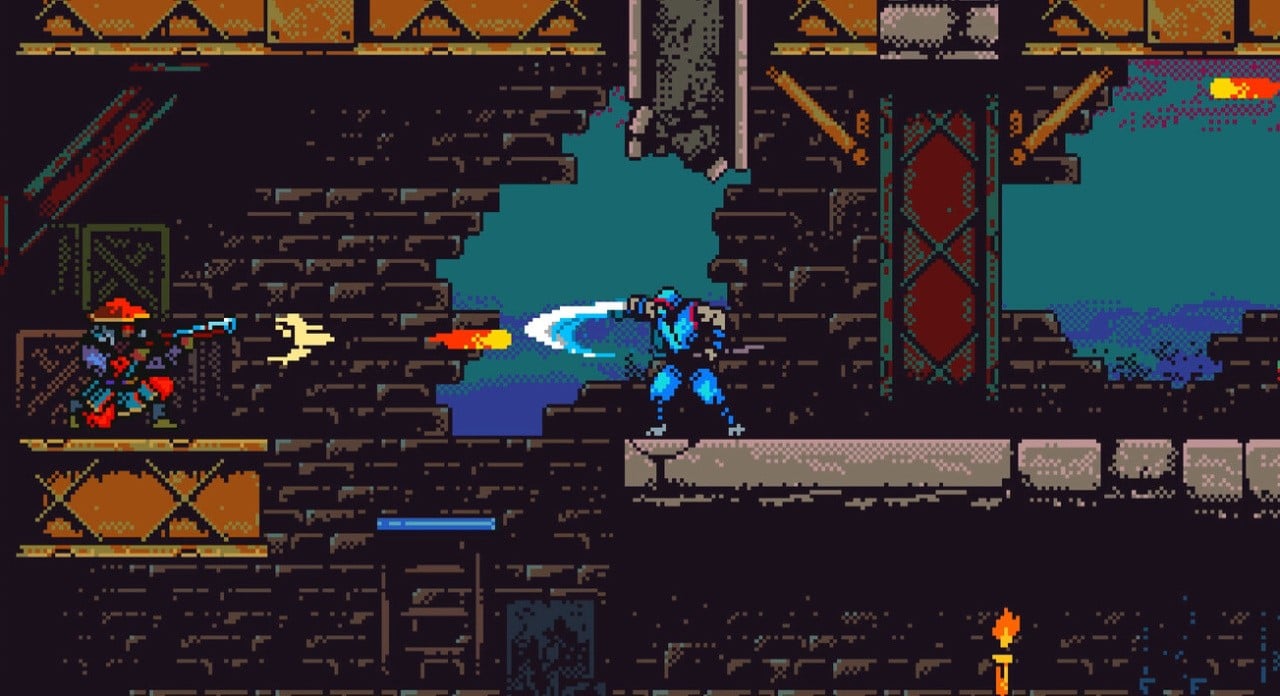
Eclipse Blade, developed by the indie studio TiNTz, recently came to prominence through observations by community figure Shiryu, who highlighted its potential as a worthy successor to the challenging ninja action legacy. The game’s newly released trailer offers a compelling glimpse into its world, showcasing a meticulously designed pixel art environment and fluid character animations. The visuals are a clear homage to the ’90s, utilizing a vibrant color palette and detailed sprites that suggest a "hand-crafted" aesthetic, aiming to immerse players in a world that feels both classic and distinctly unique.
At its core, Eclipse Blade is designed to be a challenging 2D action-platformer. The trailer prominently features dynamic parkour mechanics, including seamless wall climbing and agile maneuvers across environmental bars, suggesting intricate level designs that demand precise movement and timing. These mechanics are crucial for both navigating treacherous environments and engaging enemies strategically. The protagonist, a chosen ninja, is equipped with an arsenal of traditional ninja weapons, such as shuriken and kunai, which can be deployed for ranged attacks, complementing the primary sword combat. Additionally, the trailer hints at mystical "fire-based arts," indicating a potential for elemental abilities or special attacks that could add depth to the combat system and offer varied tactical options against the game’s array of adversaries.
Embracing the Old-School Challenge
The defining characteristic of Eclipse Blade, as explicitly stated by TiNTz on its Steam page, is its commitment to providing an "old-school challenge" that directly references the notoriously difficult NES Ninja Gaiden. The original Ninja Gaiden series, released by Tecmo, became famous for its demanding platforming, relentless enemy placement, and unforgiving boss battles. Players of the NES trilogy often speak of its steep learning curve and the satisfaction derived from overcoming its brutal obstacles. This legacy is what TiNTz aims to capture and revitalize.

The developer’s stated goal is to pay tribute to "classic ninja games from the 1990s" while "delivering the pure thrill of classic action in a fresh new way." This statement implies a delicate balancing act: honoring the difficulty and core mechanics of its inspirations while potentially introducing quality-of-life improvements, modern control responsiveness, or new gameplay elements that enhance the experience without diluting the challenge. For instance, while the original Ninja Gaiden games were known for their fixed knockback upon taking damage, a modern interpretation might offer more nuanced recovery mechanics or invincibility frames, allowing for more strategic play without sacrificing difficulty. The "fresh new way" could also refer to innovative level design, boss mechanics, or a deeper narrative experience than what was typically possible on older hardware.
Narrative Framework and Gameplay Features
The narrative of Eclipse Blade is presented with a classic, straightforward premise, typical of action games from the era it seeks to emulate. The story unfolds as an ominous eclipse opens the "Eclipse Gate," unleashing "ancient evil soldiers" into the human world. This cataclysmic event plunges humanity to the brink of destruction, setting the stage for the player character, the "chosen ninja," to rise to the occasion. Armed with a katana and formidable ninja skills, the protagonist must venture through the Eclipse Gate, confront the invading army, and ultimately destroy the source of the spreading darkness. This concise yet evocative plot provides a clear objective and a compelling reason for the player to engage in the challenging combat and platforming ahead. It focuses on immediate action and heroism, rather than complex lore, aligning perfectly with the fast-paced nature of the gameplay.
Beyond the core campaign, Eclipse Blade is set to feature optional "hardcore and speedrun modes." The inclusion of a hardcore mode directly reinforces the game’s commitment to its "old-school" challenging roots, catering to players who seek the ultimate test of skill and endurance. This mode could introduce permadeath, limited lives, even more aggressive enemy AI, or reduced resources, pushing players to master every aspect of the game. The speedrun mode, on the other hand, targets a different but often overlapping segment of the player base: those who revel in optimizing their routes, perfecting their execution, and competing for the fastest completion times. These modes significantly enhance the game’s replayability and appeal to dedicated players, ensuring that the experience remains fresh and challenging long after the initial playthrough. The competitive nature of speedrunning, often fostered by online leaderboards and community engagement, could further extend the game’s lifespan and visibility within the indie gaming scene.
Developer Philosophy and Market Context
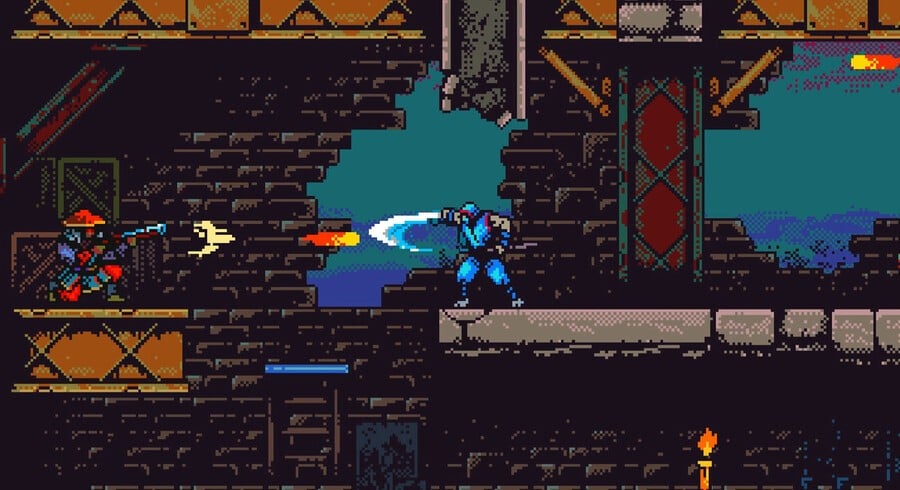
While specific details about TiNTz, the indie developer behind Eclipse Blade, are still emerging, their clear focus on replicating the intensity of classic ninja action speaks volumes about their design philosophy. Indie developers often emerge from a deep passion for specific genres or eras of gaming, and TiNTz appears to be no exception. Their decision to employ hand-crafted pixel art suggests a small team dedicated to aesthetic precision and a deliberate choice to evoke a particular artistic era, rather than chasing hyper-realistic graphics. This approach allows them to pour resources into gameplay refinement and creative level design, which are paramount for a challenging action-platformer.
The visibility of Eclipse Blade on platforms like Steam, even without a firm release date, is a crucial strategic move for independent studios. A live Steam page allows for early community engagement, wishlisting, and the building of anticipation. Wishlists are particularly vital for indie games, as they signal player interest to the Steam algorithm, potentially leading to increased visibility and better launch day performance. The game’s presence on Steam, coupled with the early trailer and detailed description, indicates that development is progressing steadily towards a public launch, although no specific timeline has been provided. Typically, indie games with this level of polish in trailers might be aiming for a release within the next 12-24 months, depending on the scope and size of the development team.
Broader Implications and Future Outlook
Eclipse Blade‘s entry into the burgeoning retro-inspired action market carries several implications. Its success could further solidify the viability of niche genres within the indie space, encouraging more developers to pursue their passion projects without feeling pressured to conform to mainstream trends. The game’s emphasis on "old-school challenge" also reflects a broader shift in player preferences, where a segment of the gaming community actively seeks out difficult experiences that reward mastery and perseverance, a trend popularized by titles like Dark Souls and Cuphead.
The game also highlights the significant role of community figures and smaller publications in spotlighting promising indie titles. Discoveries by individuals like Shiryu can provide crucial early exposure for games that might otherwise struggle to gain traction in a crowded marketplace. As Eclipse Blade continues its development journey, its potential impact on the retro action genre will be closely watched. If TiNTz can successfully deliver on its promise of a truly challenging, yet fair, experience wrapped in beautiful pixel art, Eclipse Blade could very well become another standout title in the ongoing renaissance of classic ninja-themed action games, further cementing the legacy of its ’90s inspirations while forging its own identity in the modern gaming landscape. The appetite for such meticulously crafted and demanding experiences shows no sign of waning, ensuring that titles like Eclipse Blade have a dedicated audience eagerly awaiting their arrival.