Cecilia Chamidah Nur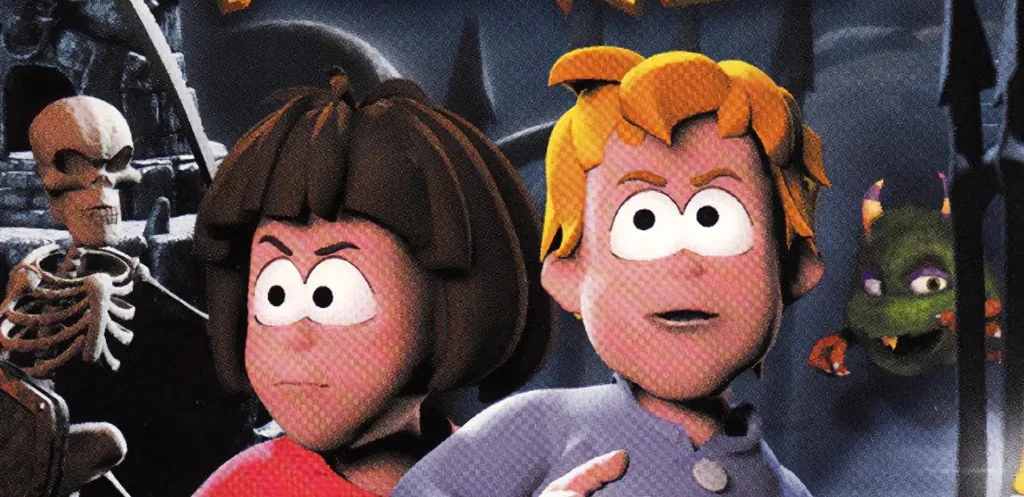
In a significant development for video game historians and retro enthusiasts, an unreleased build of Eurocom’s 1999 platformer, 40 Winks, for the Game Boy Color (GBC) has officially been dumped online. This long-sought-after prototype, previously shrouded in mystery and only glimpsed through limited footage, is now accessible to the public, offering an unprecedented look into a forgotten chapter of gaming history. The preservation group Proto Challenge is credited with this crucial archival effort, with the news brought to wider attention through a recent video by YouTuber Prototopia. This digital release comes amidst renewed interest from Piko Interactive, the current intellectual property (IP) holder, which is actively gauging public interest in an official cartridge release, signaling a potential revival for the once-abandoned title.
A Journey Through Time: The Genesis of 40 Winks
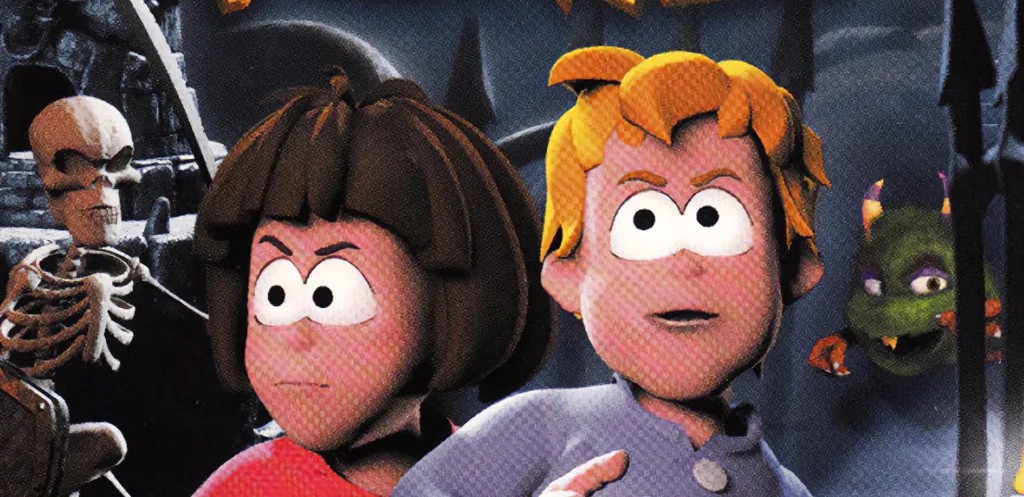
To fully appreciate the significance of this dump, one must first understand the origins and trajectory of 40 Winks. Developed by Eurocom and originally published by GT Interactive, the game first launched on the PlayStation in 1999. It introduced players to the whimsical world of Ruff and Tumble, two adventurous twins tasked with rescuing creatures known as Winks from the nefarious clutches of Nitekap, who sought to trap them in a realm of nightmares. The game was a vibrant 3D platformer, a popular genre during the late 1990s, characterized by its imaginative level design and charming character aesthetics.
Eurocom, known for its technical prowess and ability to craft engaging experiences across various platforms, had ambitious plans for 40 Winks. Beyond the PlayStation original, a Nintendo 64 (N64) port was also in development. While this N64 version was even teased and reviewed in contemporary magazines, it ultimately never saw the light of day, joining a growing list of cancelled projects from that era. For nearly two decades, both the N64 and the even more obscure Game Boy Color ports remained lost to time, relegated to the annals of gaming folklore.
Piko Interactive’s Role in Resurrecting Lost Treasures
The narrative of 40 Winks‘ revival took a pivotal turn in 2019 with the intervention of Piko Interactive. This publisher has carved out a niche in the industry by acquiring and resurrecting dormant or unreleased video game IPs. Piko successfully brought the long-lost N64 port of 40 Winks back from oblivion, completing its development and releasing it to a receptive audience of retro collectors and fans. This act not only offered a chance for a game to finally see release but also highlighted Piko’s commitment to preserving and commercializing historical gaming artifacts. Their previous success with the N64 version established a precedent for potential future releases of other 40 Winks iterations, setting the stage for the recent developments concerning the Game Boy Color port.
The Unveiling of the Game Boy Color Port: A Chronology of Discovery
The existence of a Game Boy Color version of 40 Winks was virtually unknown until 2021, when a prototype cartridge mysteriously appeared on eBay. This discovery sent ripples through the game preservation community, sparking intense speculation and excitement. Unlike its N64 counterpart, which at least had pre-release coverage, the GBC port was a true ghost, an entirely unheard-of project from Eurocom’s past.
In May 2023, the renowned games preservationist channel Hard4Games released a comprehensive video delving into this newfound prototype. Their analysis provided the first public, in-depth look at the Game Boy Color rendition of 40 Winks. The video revealed significant departures from the original PlayStation game, primarily due to the technical limitations of the GBC. While the PlayStation version was a full 3D platformer, the GBC port was redesigned as a 2D sidescroller. This artistic shift was expertly executed, featuring graphics reminiscent of the "faux pre-rendered" art style seen in popular GBC titles like the Donkey Kong Country ports. This technique allowed the GBC to mimic more sophisticated visuals, creating a sense of depth and detail within its limited palette and resolution.
Hard4Games’ review also highlighted several gameplay modifications. For instance, the GBC version allowed players to use projectiles without needing to collect "moons" for replenishment, a notable deviation from the original’s mechanics. Despite these clever adaptations, the prototype was clearly unfinished. Hard4Games pointed out several incomplete elements, such as the absence of boss battles and a bug in the game’s photo album mode, which displayed incorrect character art.
During their initial investigation, Hard4Games made contact with Piko Interactive. The publisher expressed interest in potentially releasing the Game Boy Color port but indicated a desire to complete and polish the game first, addressing issues like the missing bosses and the photo album bug. This posed a familiar dilemma for preservationists: whether to release an unfinished, historically accurate version or a commercially viable, completed one. Hard4Games advocated for the release of the original prototype alongside any enhanced edition, ensuring the preservation of Eurocom’s original, albeit incomplete, vision.
The Digital Dump: A Victory for Preservation
Fast forward to March 31, 2026, and the landscape for the 40 Winks GBC port has dramatically shifted. After years of being a closely guarded secret, a playable build of the game has been officially dumped online. This monumental achievement was spearheaded by Proto Challenge, a dedicated preservation group committed to archiving unreleased and prototype video games. The news rapidly disseminated throughout the retro gaming community, amplified by a recent video from YouTuber Prototopia, which brought the dump to a wider audience.
The dumped build appears to be consistent with the footage and details previously shared by Hard4Games, featuring six playable levels. This public release directly addresses the long-standing desire among fans and preservationists to experience this lost piece of gaming history firsthand. It also brings to the forefront the complexities surrounding intellectual property and game preservation. Hard4Games had initially cited 40 Winks being an "active IP" – with Piko Interactive reportedly planning to finish and release the game – as a primary reason for not dumping the port themselves in 2023. The decision by Proto Challenge to release the build now suggests a different interpretation of the IP’s status, or perhaps a prioritization of historical access over commercial considerations, a common tension in the preservation sphere.
Piko Interactive’s Response and Future Prospects
In a swift and pragmatic response to the online dump, Piko Interactive has demonstrated its continued engagement with the 40 Winks IP. The publisher launched a poll on Twitter/X, directly asking players, "40 Winks Game Boy Color build just dropped, is it worth a cart release or should we skip it?" This direct appeal to the community is a strategic move to gauge market interest and assess the commercial viability of an official release. Furthermore, Piko encouraged interested parties to sign up for its newsletter for "more 40 Winks news," signaling that an official announcement or development is potentially on the horizon.
This immediate reaction from Piko Interactive suggests that the online dump, rather than being a setback, may have inadvertently catalyzed their plans for the GBC port. The public availability of the build allows Piko to assess the game’s inherent appeal and the community’s appetite for a physical release without the initial investment of full development. The poll’s focus on a "cart release" highlights the enduring appeal of physical media within the retro gaming market, where collectors often prioritize tangible copies of beloved or historically significant titles. Should the poll results be overwhelmingly positive, it could pave the way for Piko to revisit Eurocom’s unfinished work, potentially completing it with the addition of bosses and fixing the photo album bug, as previously discussed. The ideal scenario, as hoped by many preservationists, would involve Piko releasing both the original, unfinished prototype and a polished, completed version, offering fans a comprehensive package that respects both historical accuracy and modern playability.
The Broader Implications for Game Preservation and IP Management
The story of the 40 Winks GBC port is a microcosm of the larger challenges and triumphs within the realm of video game preservation. Groups like Proto Challenge, alongside channels such as Hard4Games and Prototopia, play an indispensable role in safeguarding digital heritage that might otherwise be lost forever. Their efforts illuminate the often-hidden development cycles of games, providing invaluable insights into technological constraints, design choices, and the evolution of the medium.
However, these preservation efforts frequently intersect with complex legal and ethical considerations, particularly concerning intellectual property rights. The "active IP" dilemma is a recurring theme: while preservationists strive for open access to historical builds, IP holders often have commercial plans that can be complicated by unauthorized public releases. Piko Interactive’s response, however, demonstrates a pragmatic approach, leveraging the community’s excitement generated by the dump into a potential market research opportunity. This dynamic illustrates a maturing relationship between preservation communities and IP owners, where collaboration and open dialogue can sometimes lead to mutually beneficial outcomes.
The Game Boy Color, a console that defined portable gaming for a generation, often pushed technical boundaries with clever programming and artistic ingenuity. The "faux pre-rendered" style employed in 40 Winks GBC is a testament to developers’ creativity in overcoming hardware limitations, drawing comparisons to other visually impressive GBC titles. The availability of this prototype allows researchers to study Eurocom’s approach to porting a 3D game to a 2D, limited-hardware environment, offering valuable insights into late 90s game development practices.
The retro gaming market continues to thrive, fueled by nostalgia and a renewed appreciation for classic titles and systems. The demand for "lost media" and unreleased games is particularly strong among collectors who value the rarity and historical significance of such artifacts. Piko Interactive’s business model is perfectly aligned with this trend, and the potential release of a 40 Winks GBC cartridge in 2026 could tap into this eager market. The success of their N64 release serves as a strong indicator that there is a dedicated audience willing to support these historical revivals.
In conclusion, the online dumping of the 40 Winks Game Boy Color prototype marks a significant moment for video game preservation. It provides public access to a previously unseen piece of gaming history and highlights the tireless efforts of preservation groups. Simultaneously, Piko Interactive’s proactive response underscores the evolving relationship between IP holders and the preservation community, suggesting a future where lost games can not only be archived but also officially resurrected for a new generation of players and dedicated retro enthusiasts. The journey of Ruff and Tumble, from a PlayStation adventure to a lost GBC port and now to the cusp of a potential official release, exemplifies the enduring power of video games to transcend time and continue captivating audiences decades after their initial conception.