Cecilia Chamidah Nur
Analogue, a prominent name in the realm of high-fidelity retro gaming hardware, has released a significant firmware update, version 1.2.4, for its highly anticipated Analogue 3D console. This update introduces a crucial enhancement for users leveraging flash cartridges like the EverDrive and SummerCart 64, addressing a long-standing point of friction within the retro gaming community. The core innovation lies in the system’s newfound capability to intelligently detect changes in game headers, ensuring that each unique game loaded from a flash cart is recognized and treated as a distinct entry within the console’s library. This advancement directly translates to a seamless and intuitive experience for players, enabling the proper saving of Virtual Controller Pak data and the retention of per-game configurations across a diverse range of Nintendo 64 titles.
The Genesis of Analogue 3D and its Promise
The Analogue 3D, first unveiled as a concept and later meticulously brought to fruition, represents Analogue’s commitment to delivering the definitive Nintendo 64 gaming experience in a modern context. Unlike software-based emulators that run on general-purpose computing hardware, the Analogue 3D utilizes Field-Programmable Gate Array (FPGA) technology. This sophisticated approach involves recreating the N64’s original hardware logic at a transistor level within a programmable chip. The result is an unparalleled level of accuracy, minimizing input lag, audio distortions, and graphical inaccuracies often associated with software emulation. The console outputs native N64 resolutions scaled up to 4K via HDMI, offering crystal-clear visuals while preserving the authentic aspect ratio and pixel perfect presentation. Its design philosophy centers on hardware preservation, allowing enthusiasts to play their original N64 cartridges, alongside offering robust support for various peripheral and display options. The Analogue 3D, much like its predecessors such as the Super Nt (Super Nintendo) and Mega Sg (Sega Genesis), was designed to be the "ultimate" way to revisit classic gaming eras, bridging the gap between nostalgic hardware and contemporary display technologies.
The Indispensable Role of Flash Carts in Modern Retro Gaming
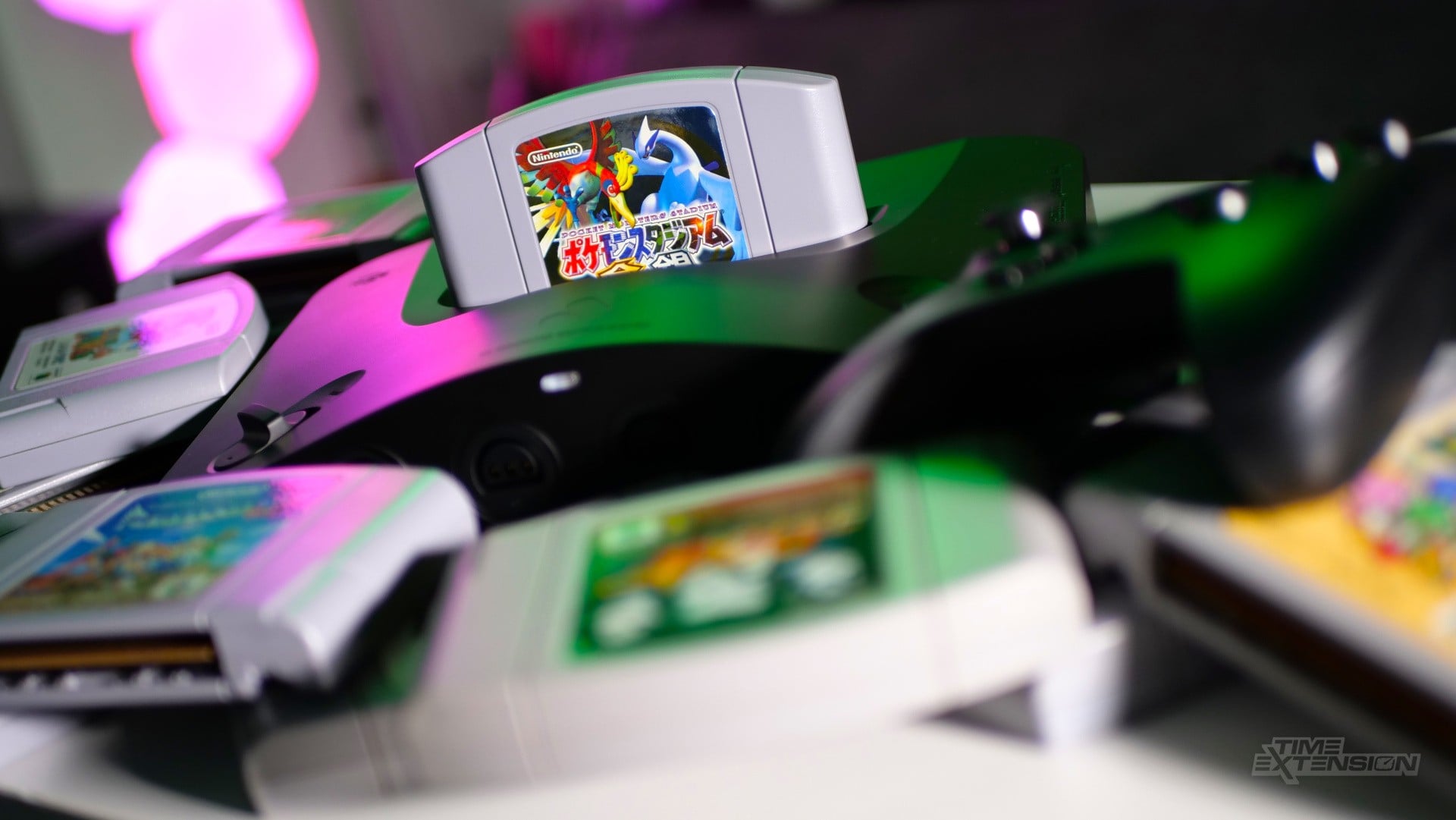
Flash cartridges have become an integral component of the retro gaming landscape, particularly for systems like the Nintendo 64. Devices such as Krikzz’s EverDrive 64 and the SummerCart 64 by Ikari are essentially modern cartridges equipped with internal memory (flash memory or SD card slots) that can store numerous game ROMs. They offer immense convenience, allowing players to access an entire console’s library from a single cartridge, eliminating the need to constantly swap physical game carts. Beyond convenience, flash carts play a vital role in game preservation, enabling access to rare, unreleased, or fan-translated titles and homebrew creations that would otherwise be inaccessible. They also provide a legitimate means for owners of original game cartridges to create backups of their games, a practice often crucial for preserving physical media that can degrade over time.
However, the integration of flash carts with high-fidelity FPGA systems like the Analogue 3D has presented unique technical challenges. Prior to firmware 1.2.4, the Analogue 3D, when interfacing with a flash cart, might have identified the physical cartridge itself as a single "game" entity. While this worked adequately for dedicated single-game physical cartridges, it created issues when a flash cart was loaded with multiple ROMs. If a user switched from Super Mario 64 to The Legend of Zelda: Ocarina of Time on the same flash cart, the system might not have registered the change as a distinct game loaded. This could lead to configuration conflicts, such as controller settings intended for one game being incorrectly applied to another, or, more critically, the overwriting or misattribution of save data stored in the Virtual Controller Pak.
Understanding the Technical Advancement: Game Header Detection
The core of update 1.2.4 lies in its enhanced ability to detect "game headers." A game header is a block of metadata embedded within a game’s ROM file. For Nintendo 64 games, this header contains crucial information such as the game’s unique ID, region code, version number, game title, and checksums. These identifiers allow a console or emulator to correctly identify the specific game being loaded.
Previously, the Analogue 3D might have primarily identified the physical presence of the flash cart itself. With the 1.2.4 update, the console’s firmware now actively reads and parses the game header each time a new ROM is selected and loaded from the flash cart. When a change in the game header is detected—signifying a switch from one N64 title to another—the Analogue 3D intelligently registers this as a completely new game entry.

This intelligent detection mechanism is transformative. It allows the system to:
- Allocate Unique Virtual Controller Pak Slots: The N64 primarily used the Controller Pak for saving game progress. The Analogue 3D features a "Virtual Controller Pak" to emulate this functionality digitally. With unique game header detection, each distinct game gets its own dedicated virtual save slot, preventing conflicts and ensuring save integrity.
- Retain Per-Game Configurations: Many N64 games benefit from specific controller mappings, rumble pak settings, or other console-level configurations. For instance, a fighting game might require a different button layout than a first-person shooter. The update ensures that once a user customizes settings for GoldenEye 007, those settings are recalled automatically when GoldenEye 007 is loaded again, regardless of other games played in between on the same flash cart.
- Accurate Library Management: The console’s internal game library or menu can now accurately reflect the variety of games being played from a single flash cart, making navigation and selection more organized.
Timeline of Analogue 3D Development and Firmware Evolution
The journey of the Analogue 3D has been marked by anticipation and iterative refinement, typical for complex hardware launches.
- October 2020: Analogue first teased the Analogue 3D, announcing its development and sparking immense excitement within the retro gaming community. This initial announcement highlighted Analogue’s ambitious goal to recreate the N64’s complex architecture with FPGA accuracy.
- Late 2023/Early 2024: After several years of meticulous development and engineering, the Analogue 3D began shipping to eager customers. Initial reviews praised its build quality, stunning visual output, and authentic gameplay experience, solidifying Analogue’s reputation for premium hardware.
- Initial Firmware Releases: Like many new hardware platforms, the Analogue 3D launched with a foundational firmware. Subsequent minor updates were rolled out to address initial bugs, optimize performance, and perhaps add foundational compatibility features. These early updates are crucial for stabilizing new hardware in the hands of a diverse user base.
- Firmware 1.2.4 Release (Current Event): This latest update specifically targets and significantly improves the flash cart experience, indicating Analogue’s ongoing commitment to enhancing the user experience post-launch and addressing feedback from its community. This structured approach to firmware development underscores Analogue’s dedication to supporting its products for the long term.
Community Reaction and Broader Implications
The announcement of firmware 1.2.4 has been met with significant enthusiasm across retro gaming forums, social media platforms, and enthusiast communities. Flash cart users, a substantial segment of the Analogue 3D’s target demographic, have long desired this level of seamless integration. Many have expressed relief that a key pain point in managing multiple ROMs on a single cart has been comprehensively addressed.
While Analogue itself typically communicates through concise patch notes rather than extensive public statements, the nature of this update inherently reinforces their brand promise: to deliver the "ultimate" and most accurate retro gaming experience possible. By prioritizing features that directly enhance the utility of popular community tools like flash carts, Analogue demonstrates an understanding of its user base’s needs and a commitment to refining their hardware’s capabilities beyond initial release.
This update also carries broader implications for the retro gaming ecosystem:
- Enhanced Preservation Efforts: By making flash carts more user-friendly on a premium FPGA console, Analogue indirectly supports game preservation. It encourages users to explore and enjoy the vast N64 library, including titles that might be obscure, expensive, or otherwise difficult to access through original cartridges. This includes fan-made translations of Japanese-exclusive titles or popular ROM hacks that offer new experiences with classic games.
- Validation for Flash Cart Developers: The improved compatibility indirectly validates the efforts of flash cart manufacturers like Krikzz (EverDrive) and Ikari (SummerCart 64). Their products are now even more seamlessly integrated into one of the most accurate N64 hardware recreations available, reinforcing their position as essential tools for retro gamers.
- Strengthening Analogue’s Market Position: In a competitive market that includes both official console re-releases and numerous software emulation solutions, Analogue differentiates itself through hardware accuracy and continuous improvement. Updates like 1.2.4 demonstrate that investing in an Analogue product means investing in a platform that will evolve and improve over time, adding significant long-term value. This commitment helps solidify Analogue’s reputation as a premium brand dedicated to the highest standards of retro gaming.
- User Empowerment and Convenience: For the end-user, the convenience factor is paramount. The ability to switch between hundreds of N64 titles on a flash cart without worrying about save conflicts or repeatedly adjusting settings drastically improves the fluidity of the gaming experience. This removes a significant barrier to entry for those new to flash carts and enhances the enjoyment for seasoned enthusiasts.
Supporting Data and Market Context
The Nintendo 64, launched in 1996, boasts a library of 388 officially released titles in North America alone, with hundreds more globally. This vast collection, coupled with a vibrant homebrew and fan-translation scene, makes a robust flash cart solution highly desirable. The market for flash carts has seen steady growth over the past decade, with EverDrive products for various consoles selling hundreds of thousands of units. This indicates a substantial installed base of users who rely on these devices for their retro gaming needs. The Analogue 3D, despite its premium price point (typically around $250 USD), has consistently sold out its limited production runs, indicating a strong demand for high-quality, accurate retro hardware. The convergence of these factors—a large game library, a significant flash cart user base, and strong demand for premium FPGA consoles—underscores the importance and positive reception of an update like 1.2.4. It directly addresses a critical functional requirement for a significant portion of Analogue 3D owners, enhancing the overall value proposition of the console.
Conclusion

Firmware update 1.2.4 for the Analogue 3D, with its advanced library detection for variable game headers, marks a significant milestone for the console and its user base. By intelligently recognizing and differentiating between individual N64 titles loaded from flash cartridges, Analogue has resolved a key usability challenge, enabling seamless save management and per-game configuration retention. This enhancement not only elevates the user experience for flash cart enthusiasts but also reinforces Analogue’s position as a leader in delivering authentic, high-fidelity retro gaming experiences. As the retro gaming market continues to expand, driven by a blend of nostalgia and technological innovation, Analogue’s commitment to iterative refinement through firmware updates ensures that platforms like the Analogue 3D remain at the forefront, offering the ultimate gateway to gaming’s cherished past.