Cecilia Chamidah Nur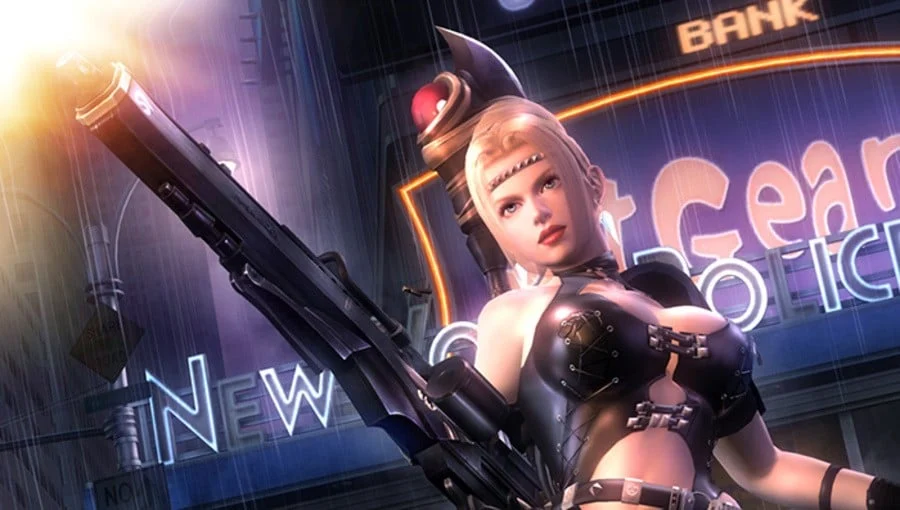
The past week has delivered a vibrant cross-section of developments across the retro gaming landscape, from unprecedented player achievements and advancements in game preservation technology to innovative hardware releases and significant re-releases of beloved classics. This weekly roundup highlights the most compelling stories shaping the retro community, offering insights into the enduring appeal and ongoing evolution of gaming history.
Decade-Long Quest Concludes: Ninja Gaiden Sigma 2 Plus Platinum Achieved
In a monumental display of perseverance and skill, a Japanese player has become the first verified individual to achieve the coveted Platinum trophy in Ninja Gaiden Sigma 2 Plus on the PlayStation Vita. This achievement marks the culmination of nearly a decade of attempts by the global trophy hunting community, which had largely considered the 2013 port’s Platinum to be practically unattainable.
The extreme difficulty stemmed from several critical design decisions by Koei Tecmo. While the original PlayStation 3 version of Ninja Gaiden Sigma 2 featured team-based multiplayer missions with associated trophies, the Vita port, Sigma 2 Plus, retained these multiplayer trophies despite completely removing the online co-op functionality. This left players in a seemingly impossible situation: to earn trophies requiring cooperative play without any means of online interaction. Furthermore, the Vita version introduced an even more punishing "Turbo Mode" trophy, demanding mastery of an already notoriously difficult game under accelerated conditions.
For years, the Ninja Gaiden community debated the feasibility of the Platinum, with many concluding it was a developer oversight that rendered the trophy list uncompletable. Theories ranged from requiring local ad-hoc connections (which proved unreliable or impractical for the specific trophy conditions) to outright declaring it a "broken" Platinum. Despite these challenges, a dedicated subset of players continued to experiment and push the boundaries of solo play.
The unnamed Japanese player, who spent an estimated 3,000 hours across multiple playthroughs and practice sessions, reportedly utilized a highly optimized strategy involving specific AI exploitation and pixel-perfect execution to clear the team missions solo. This involved meticulous planning of character switching and item usage to compensate for the absence of a human partner. News of the achievement, verified by trophy tracking platforms, sent ripples of excitement and disbelief through the PlayStation trophy hunting forums and Ninja Gaiden fan communities.
Industry analysts suggest this feat underscores the unique challenges of game preservation, particularly concerning online functionalities that can render certain achievements impossible as network services are decommissioned. "This case highlights the precarious nature of digital achievements tied to online components," noted Dr. Elena Petrova, a gaming historian. "While this player found an ingenious workaround, it’s a stark reminder of how quickly parts of a game can become inaccessible." The achievement serves as a powerful testament to the dedication of the retro gaming community and their unwavering commitment to conquering even the most formidable digital mountains.
ReXGlue and the Rise of Decompilation: Bridging Generations for Classic Titles
The fields of decompilation and recompilation are rapidly gaining prominence within the retro gaming sphere, offering a transformative pathway for classic titles to be natively ported to modern systems with unprecedented fidelity and enhancements. This week, the spotlight shone on ReXGlue, an Xbox 360 recompilation tool, as Read Only Memo published an extensive interview with its lead developer, Tom.
Decompilation involves converting executable code back into a higher-level programming language, while recompilation then translates that code into a new executable for a different target architecture. Unlike emulation, which simulates the original hardware, native ports achieved through decompilation and recompilation run directly on the new hardware, often resulting in superior performance, reduced latency, and the potential for significant graphical and quality-of-life improvements.
Tom, the driving force behind ReXGlue, elaborated on the project’s ambition to provide a robust, open-source framework for developers and enthusiasts to breathe new life into Xbox 360 titles. "Our goal with ReXGlue is to empower the community," Tom stated in the interview. "We envision a future where many beloved Xbox 360 games, perhaps never officially ported, can find a new home on contemporary platforms, complete with modern features like higher resolutions, widescreen support, and even new gameplay additions if the community desires."
The interview detailed the intricate technical challenges involved, from understanding proprietary Xbox 360 APIs to re-implementing complex graphics pipelines. ReXGlue’s development, which began in earnest two years ago, has already seen proof-of-concept demonstrations for several minor titles, showcasing the potential for a wave of new "enhanced classics." This methodology differs significantly from traditional reverse engineering, as it aims to reconstruct the original source logic rather than merely mimic its output.
The broader implications for game preservation are profound. As older console hardware inevitably fails and digital storefronts for previous generations close, decompilation offers a critical avenue for ensuring that games remain playable and accessible. This approach also allows for community-driven patches, bug fixes, and even content restoration that might have been cut from original releases. While the legality and ethical considerations of such projects can be complex, particularly concerning intellectual property, many view these efforts as essential for cultural heritage preservation. The success of projects like ReXGlue suggests a paradigm shift in how classic games are brought into the modern era, moving beyond simple emulation to true native revitalization.
Evercade Nexus Unveiled: Blaze Elevates Handheld Retro Experience
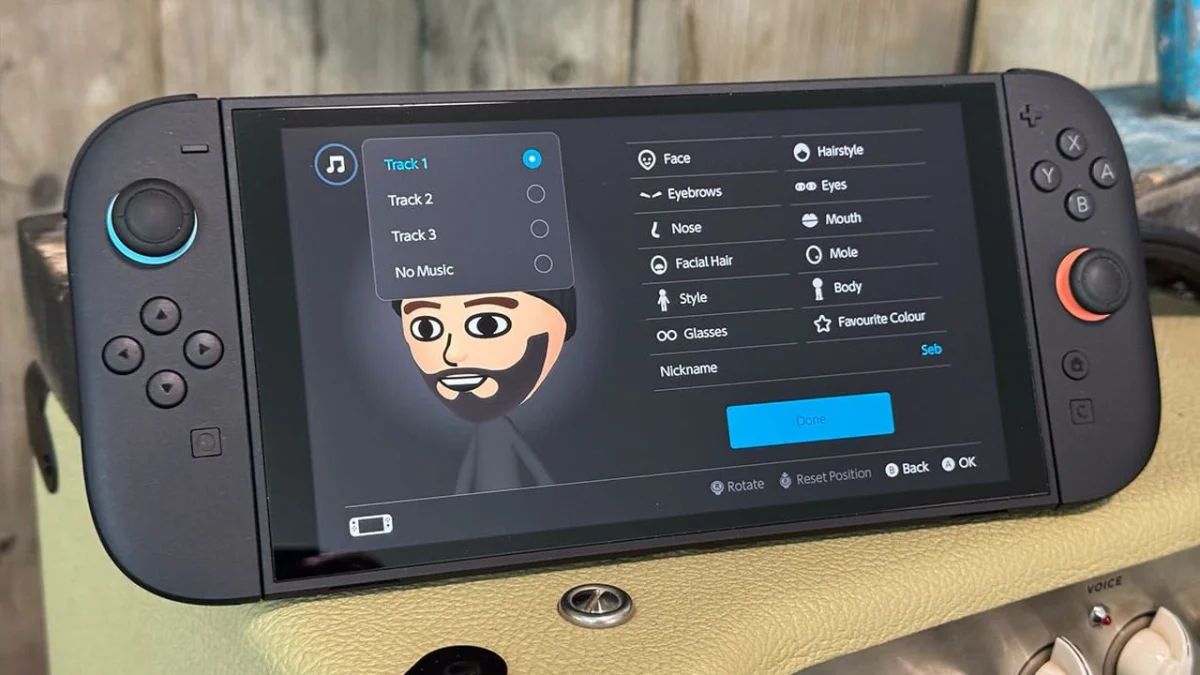
Blaze Entertainment, the innovative company behind the Evercade line of retro gaming systems, has officially unveiled its latest handheld console: the Evercade Nexus. Positioned as "the best Evercade handheld experience that is available," the Nexus introduces significant upgrades designed to enhance playability and user comfort.
Since its debut in 2020, Evercade has carved out a unique niche in the retro gaming market by focusing on physical cartridge-based collections of officially licensed classic games. The Nexus builds upon this foundation with several key improvements. Foremost among these is a superior display, addressing a common critique of earlier Evercade models. While specific technical details of the new screen were not fully disclosed, early impressions suggest improved brightness, contrast, and color accuracy, promising a more vibrant visual experience for pixel-art classics.
Another highly anticipated feature is the inclusion of dual analog sticks. This upgrade directly responds to community feedback, allowing for more precise control in games that benefit from twin-stick input, particularly those from the PlayStation and N64 eras increasingly featured in Evercade collections. The original Evercade handheld only featured a single analog stick, limiting compatibility for certain titles. The Nexus also boasts improved ergonomics, refined button inputs, and extended battery life, reflecting Blaze’s commitment to iterative refinement.
Perhaps most intriguingly, Blaze highlighted the Nexus’s inclusion of "Nintendo’s most consumer-friendly feature." While Blaze remained coy about the exact nature of this feature, speculation within the community points towards either enhanced backward compatibility with older Evercade cartridges, a more robust save state system, or potentially a form of seamless game switching akin to Nintendo’s Quick Resume-like features. The announcement also confirmed the presence of beloved Rareware titles, including Banjo-Kazooie, within an upcoming Evercade collection, further expanding the console’s appeal.
"The Evercade Nexus represents our continued dedication to delivering an authentic and accessible retro gaming experience," stated a Blaze spokesperson. "We’ve listened intently to our community, and the Nexus is a direct result of that feedback, offering a premium handheld that respects the legacy of these games while providing modern comforts." With an estimated launch in late 2026, the Nexus is poised to further solidify Evercade’s position as a leading platform for physical retro game collecting.
Screendrive 64: An N64 Flash Cart with a Built-in Display
Innovation in retro gaming hardware continues to flourish, exemplified this week by David "DAVIDXGAMESmx" Brito’s introduction of the "Screendrive 64." This unique flash cart for the Nintendo 64 distinguishes itself with a built-in display that dynamically changes to show the relevant cartridge label of the game currently loaded.
Flash carts have long been an essential tool for retro enthusiasts, allowing them to play ROMs of their favorite games on original hardware without the need for physical cartridges. While many advanced flash carts offer features like real-time clocks, save states, and expanded storage, the Screendrive 64 adds an unprecedented aesthetic and functional touch. The small, vibrant screen on the cartridge itself displays high-resolution digital representations of the original box art or cartridge labels, offering a nostalgic visual flourish that enhances the user experience.
Brito, a prominent figure in the N64 modding community, explained his motivation: "I wanted to bridge the gap between the convenience of a flash cart and the tactile, visual satisfaction of physical cartridges. Seeing the game’s label directly on the cart, just like the old days, adds a layer of authenticity that I felt was missing." The Screendrive 64 reportedly uses an efficient micro-OLED display and integrates seamlessly with existing N64 flash cart operating systems, automatically updating the display when a new game is selected from the menu.
The community reaction has been overwhelmingly positive, with many praising the ingenuity and attention to detail. "This is more than just a novelty; it’s a brilliant piece of functional art," commented one user on a prominent retro gaming forum. While pricing details are still pending, the Screendrive 64 is expected to enter a limited production run later this year, catering to collectors and enthusiasts seeking a premium N64 experience. This development highlights the ongoing creativity within the retro hardware modding scene, constantly pushing the boundaries of what’s possible with vintage consoles.
R-Type Tactics I & II Cosmos Secures Western Release Date
Fans of strategic space combat rejoice as NIS America has finally confirmed an official Western release date for R-Type Tactics I & II Cosmos. The highly anticipated title, a remastered and enhanced collection of the cult classic strategy games, will launch on June 18th, 2026. This release marks a significant moment for the R-Type franchise, which has traditionally seen more limited distribution outside of Japan for its strategy spin-offs.
R-Type Tactics I & II Cosmos brings together R-Type Tactics (released as R-Type Command in North America for the PSP in 2007) and its sequel R-Type Tactics II: Operation Bitter Chocolate (Japan-exclusive PSP release in 2009). The Tactics series diverges from the franchise’s iconic side-scrolling shoot-’em-up roots, instead offering turn-based tactical gameplay where players command fleets of R-Type fighters and Bydo forces across grid-based battlefields. Known for its deep strategy, extensive unit customization, and challenging missions, the games have garnered a dedicated following.
The ‘Cosmos’ edition promises a comprehensive overhaul, featuring updated graphics, rebalanced gameplay, and potentially new content or quality-of-life improvements tailored for modern platforms. NIS America’s decision to bring both titles to a global audience reflects a growing demand for niche Japanese titles and the increasing viability of the strategy genre in Western markets. The game will be available across a wide array of platforms, including PC (Steam, Epic Games Store), PlayStation 5, PlayStation 4, Xbox Series X|S, Nintendo Switch, and the newly announced Switch 2.
"We recognize the immense passion for the R-Type universe, and bringing R-Type Tactics I & II Cosmos to the West has been a priority," stated a representative from NIS America. "This collection not only introduces a new generation to these fantastic strategy games but also offers veteran fans the definitive way to experience them." The multi-platform launch strategy is expected to maximize accessibility, ensuring that a broad audience can finally engage with these strategic gems that have long remained elusive for many international players. This release is a testament to the efforts of publishers to bridge regional gaps and make more of gaming history available globally.
Modder Crafts the Ultimate "Hybrid" PS1 Console
The quest for the "perfect" retro gaming experience often leads enthusiasts down the path of hardware modification, and this week, modder "Secret Hobbyist" unveiled an impressive project: the creation of an ultimate "hybrid" PlayStation 1. This bespoke console leverages the best components from various PS1 models to deliver an unparalleled 32-bit gaming experience.
The original PlayStation console, released in 1994, saw numerous revisions throughout its lifecycle. Each revision, from the early SCPH-100x models to the later compact SCPH-900x series, had subtle differences in its internal components. These variations often led to debates among audiophiles and videophiles about which model offered the superior audio DAC (Digital-to-Analog Converter), better laser reliability, or cleaner video output. For instance, early "fat" PS1s are often lauded for their superior audio quality, while later models improved reliability and reduced cost.
Secret Hobbyist’s solution was not to simply modify an existing console but to design an entirely new Printed Circuit Board (PCB) that could integrate the most desirable elements from across the PS1’s hardware lineage. This involved meticulously reverse-engineering different chipsets, designing a new layout that optimizes signal paths, and incorporating modern improvements. The resulting "hybrid" PS1 boasts, for example, the revered audio output of the SCPH-1002 model, combined with an enhanced video output circuit capable of pristine RGB and potentially even digital HDMI conversion, all within a custom chassis.
"The goal was to eliminate compromise," explained Secret Hobbyist in a detailed video presentation. "Why choose between superior audio and a reliable laser, or between good video and a compact form factor, when you can have it all? This PCB allows builders to truly customize their PS1, creating a console that transcends the limitations of any single original model." The project has garnered significant attention within the console modding community, hailed as a sophisticated endeavor that pushes the boundaries of hardware preservation and optimization. The implications are clear: for dedicated enthusiasts, the "ultimate" retro console is no longer limited by original manufacturing constraints but by the ingenuity of the modding community.
Fan-Made LEGO PSP Seeks Official Approval via LEGO Ideas
The enduring legacy of the PlayStation Portable (PSP) has been celebrated in a unique way this week, as a fan-designed LEGO set replicating the iconic handheld console was submitted to the LEGO Ideas website by a creator named "yakyah." This intricately detailed 333-piece concept aims to become an official LEGO product, provided it garners enough community support.
The PSP, launched by Sony in 2004, was a groundbreaking device that brought console-quality gaming to a portable format. Its sleek design, widescreen display, and innovative UMD disc format made it a cultural icon. Yakyah’s LEGO rendition meticulously captures these elements, replicating the PSP’s distinctive shape, its D-pad, face buttons (triangle, circle, cross, square), and shoulder buttons. Even smaller, often overlooked details, such as the volume control on the side and the tiny yellow charging port, have been faithfully recreated in brick form.
The LEGO Ideas platform allows fans to submit their own designs, which, if they achieve 10,000 votes from the community, are then reviewed by LEGO’s expert panel for potential production as official sets. This system has previously brought to life popular sets like the LEGO NES and various vehicle models. Yakyah’s PSP concept taps into a strong vein of nostalgia, appealing to both LEGO collectors and fans of classic gaming hardware.
"I wanted to pay homage to a device that was incredibly important to my gaming journey," yakyah stated in their submission. "The PSP was revolutionary, and I believe its design translates beautifully into the LEGO medium. I hope fellow fans will support this project and help bring a piece of gaming history into the world of LEGO." The concept has already garnered significant early support, highlighting the PSP’s lasting impact and the strong crossover appeal between gaming and building hobbies. Should it succeed, it would join a growing collection of LEGO sets that celebrate technological and pop culture milestones.
Capcom Unearths Classics: Resident Evil and Breath of Fire IV Hit Steam
Capcom has delighted PC retro gaming enthusiasts this week by making a selection of its most iconic titles available for purchase on Steam. Resident Evil (1996), Resident Evil 2 (1998), Resident Evil 3: Nemesis (1999), and Breath of Fire IV have all been released on the digital storefront, priced at an introductory £3.99 / $4.99. This discounted launch price is set to increase to £7.99 / $9.99 after the promotional period ends.
This move by Capcom is a significant one for digital game preservation and accessibility. While the Resident Evil franchise has seen numerous remakes and remasters, the original PlayStation versions have historically been less accessible on modern PC platforms outside of emulation. These Steam releases offer a legitimate and convenient way for players to experience the foundational survival horror titles that defined a genre. Breath of Fire IV, a beloved entry in Capcom’s classic JRPG series, similarly gains new life on a widely accessible platform.
The release details indicate that these are direct ports of the original versions, likely leveraging internal emulation or compatibility layers to ensure they run smoothly on contemporary Windows systems. While not full remasters, their availability on Steam means they benefit from the platform’s features, such as cloud saves, community hubs, and easy installation. This strategy allows Capcom to capitalize on the enduring appeal of its back catalog without investing in extensive remakes for every title.
Fan reactions have been largely positive, with many expressing excitement at the chance to legally own and play these classics on PC. "It’s fantastic to see these foundational games finally on Steam," commented one long-time Resident Evil fan. "It’s a testament to their timeless design that they can still command an audience today." This release follows a broader trend among major publishers to bring their classic libraries to digital storefronts, ensuring that iconic titles remain available to new generations of players and providing a critical service for game history. The pricing strategy, with an initial discount, also encourages early adoption and rewards dedicated fans.
Super Mario Bros. Reveals 40-Year-Old Secret
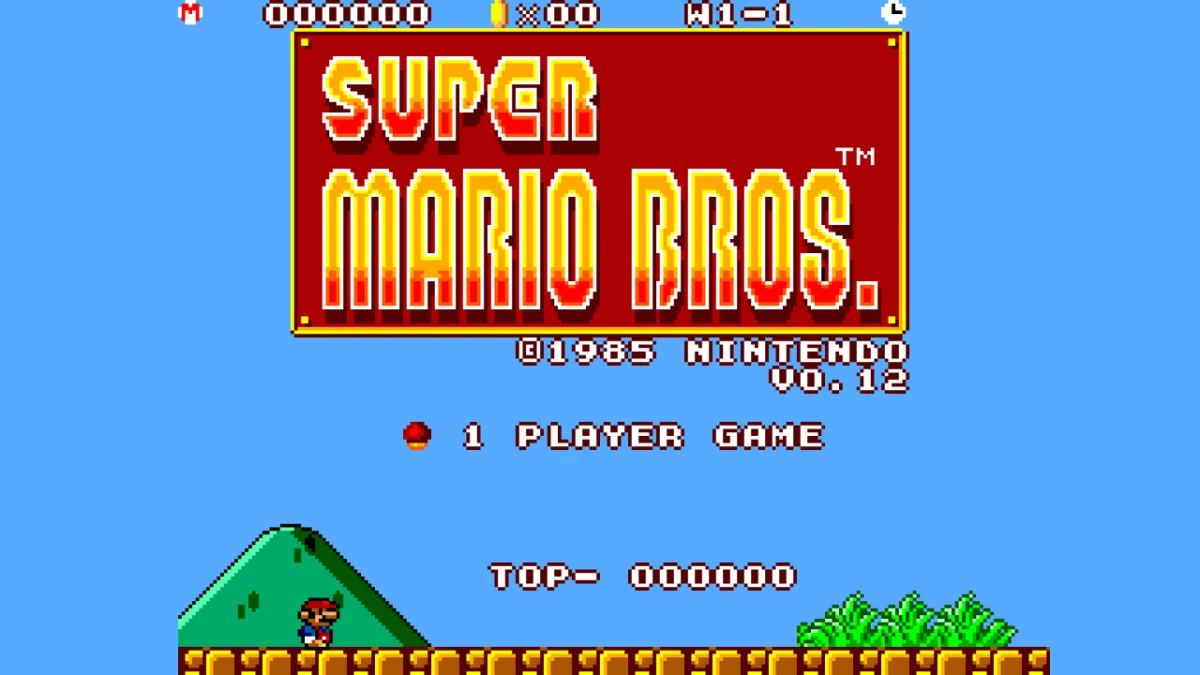
In a discovery that has sent shockwaves through the speedrunning and game analysis communities, a significant, previously unknown glitch has been uncovered in the original Super Mario Bros. for the NES, more than 40 years after its initial release. This revelation follows an earlier "kerfuffle" caused by a similar, though less impactful, glitch found in Super Mario Bros.: The Lost Levels.
The longevity of Super Mario Bros. is legendary, having been meticulously dissected by players, speedrunners, and data miners for decades. It was widely believed that every secret, every exploit, and every hidden corner of its code had long since been unearthed. However, the recent discovery in The Lost Levels prompted a deeper re-examination of the original game’s code, leading to this profound breakthrough.
The newly found glitch, which involves a highly specific sequence of inputs and environmental interactions, reportedly allows players to manipulate certain game variables in an unprecedented manner. While the full implications are still being analyzed, early reports suggest it could potentially open up new routing possibilities for speedruns, or even reveal hidden debug menus or unused assets within the game’s ROM. Unlike previous "minus world" or warp pipe glitches, this discovery appears to interact with fundamental game logic in a novel way.
Prominent speedrunners and data miners have expressed astonishment. "To find something this significant in a game as thoroughly explored as Super Mario Bros. is mind-blowing," remarked ‘8-Bit Explorer,’ a veteran speedrunner. "It reminds us that even the most ‘solved’ games can still hold secrets, waiting for the right combination of curiosity and technological analysis to reveal them." The discovery highlights the incredible depth of early game programming and the tireless dedication of the retro gaming community to unearthing its mysteries. It ensures that even a four-decade-old classic like Super Mario Bros. can continue to surprise and captivate its audience, proving that some games truly never stop giving.
"I Couldn’t Get A Job For 7 Months After That": An Oral History of The Wizard
Coinciding with the recent release of The Super Mario Galaxy Movie, a comprehensive oral history has been published, delving into "The Wizard," Nintendo’s inaugural foray into Hollywood. The retrospective offers a fascinating look at the 1989 film, which, despite its mixed critical reception, holds a unique place in gaming and cinematic history as a pioneering example of video game product placement and narrative integration.
The Wizard centers on a road trip taken by three children, one of whom possesses an extraordinary talent for video games, culminating in a national video game championship. The film famously showcased unreleased Nintendo games, most notably the first public reveal of Super Mario Bros. 3, creating a palpable buzz among young audiences. While intended as a family adventure, its heavy-handed product placement and often simplistic plot drew criticism.
The oral history gathers insights from cast members, crew, and production staff, shedding light on the challenges and unique aspects of making a film so intertwined with a burgeoning cultural phenomenon. One particularly striking anecdote, alluded to in the headline, comes from a production assistant who described the professional fallout after working on a project perceived as overtly commercial and creatively compromised. "It was tough to shake off the ‘Nintendo movie’ label," they reportedly stated, highlighting the industry’s initial skepticism towards gaming’s cinematic potential.
Despite its critical shortcomings, The Wizard remains a significant cultural touchstone for a generation of gamers. It captured the zeitgeist of late 1980s video game obsession and inadvertently became a time capsule of Nintendo’s peak marketing power. Its legacy is complex: a commercial vehicle that nonetheless fostered dreams of gaming stardom and introduced millions to upcoming titles. The retrospective offers a crucial historical context for The Super Mario Galaxy Movie, illustrating how far game-to-film adaptations have evolved from their early, often awkward, beginnings. It reminds us that while artistic merit can be debated, the cultural impact of such ventures can be undeniable and long-lasting.
Preserving a Legacy: The End of i-mode and Japanese ‘Keitai’ Gaming
March 31st, 2026, officially marked the end of an era in Japanese telecommunications and mobile gaming with the decommissioning of NTT Docomo’s 3G FOMA antennas. This shutdown signifies the complete cessation of the i-mode service, a groundbreaking "life infrastructure" that revolutionized mobile internet and gaming on ‘Keitai’ (feature phones) in Japan for over two decades. A special feature this week explores the critical efforts underway to preserve the vast and often fragile legacy of i-mode gaming.
Launched in 1999, i-mode was far ahead of its time, offering robust mobile internet access, email, and a wide array of services, including an extensive library of downloadable games, years before smartphones became ubiquitous in the West. At its peak, i-mode boasted over 40 million subscribers and fostered a unique mobile gaming culture, with thousands of titles ranging from simplified arcade classics to original RPGs and puzzle games. These ‘Keitai’ games, often developed with unique control schemes and graphical limitations, became an integral part of daily life for millions of Japanese users.
The decommissioning of the 3G network directly impacts i-mode, as the service relied entirely on this infrastructure for content delivery and online functionality. With the network now offline, access to i-mode games and applications has ceased, rendering vast swaths of digital cultural heritage inaccessible. This digital decay poses a significant challenge for preservationists, who are racing against time to archive these games and their associated data.
"The loss of i-mode is not just a technological endpoint; it’s the disappearance of a unique cultural artifact," commented Dr. Hiroshi Tanaka, head of a digital preservation initiative. "These games represent a crucial chapter in the history of mobile entertainment, influencing everything from monetization models to game design principles that are still seen in modern smartphone games. We are working to document, emulate, and, where possible, port these games to ensure they are not lost forever."
Preservation efforts involve not only archiving the game files themselves but also documenting the entire i-mode ecosystem, including the user interfaces, payment systems, and the social context in which these games thrived. The challenges are immense, from proprietary file formats and DRM to the sheer volume of content and the difficulty of accurately emulating the original hardware and network environment. The end of i-mode serves as a poignant reminder of the fragility of digital history and underscores the urgent need for comprehensive strategies to safeguard the early days of mobile gaming for future generations. Lessons learned from i-mode’s demise are crucial for understanding the future of app stores and cloud-based gaming, highlighting the impermanence of digital content without dedicated preservation initiatives.