Hartono Sudibyo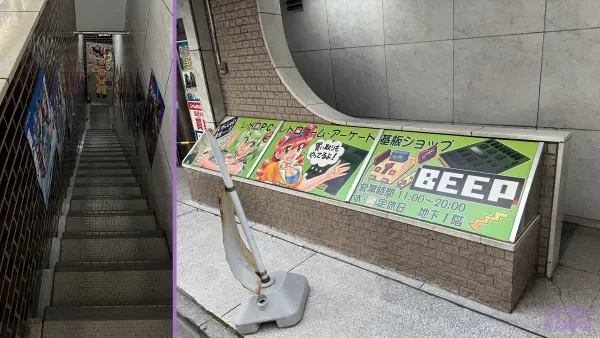
The beloved retro gaming store BEEP, a cornerstone of Tokyo’s iconic Akihabara district, is slated for relocation due to the impending demolition of its current building. This news, initially shared with a degree of discretion by the store itself, has sent ripples of concern through the global retro gaming community, many of whom consider BEEP a primary destination for their pilgrimage to Japan’s "Electric Town." The impending closure marks a significant moment for a district synonymous with technological innovation and a burgeoning nostalgia for classic gaming.
A Deep Dive into BEEP Akihabara’s Legacy
Akihabara, often referred to as "Retro Gaming Valhalla," has long been a mecca for enthusiasts seeking out rare consoles, cartridges, and memorabilia from bygone eras of video gaming. Within this bustling electronic wonderland, BEEP has carved out a unique niche. Located in the basement, its entrance is marked by a prominent sign that draws visitors down into a treasure trove of gaming history. The store is renowned for its meticulously curated collection, spanning from the earliest arcade machines and home consoles to more obscure and sought-after titles.
Brandon, a contributor to Retro Dodo, previously documented his experience in Akihabara, highlighting BEEP as a standout destination. He described the store as a place where one could easily lose hours, surrounded by an overwhelming abundance of collectibles that evoke a powerful sense of childlike wonder. The sheer density of items, from floor to ceiling, creates an immersive environment that transforms a shopping trip into an expedition for gaming artifacts. This detailed description underscores the store’s significant appeal and its role in drawing international visitors to the district specifically for its retro gaming offerings. The experience of navigating BEEP is often likened to stepping into a time capsule, preserving and celebrating the evolution of video games.
The Announcement and Community Reaction
The news of BEEP’s impending departure emerged from an official statement by the store on X (formerly Twitter). The post, written in Japanese and accompanied by a translation that indicated a need to vacate due to building demolition, conveyed a tone of reluctant disclosure. The phrasing, "This is totally a secret, but I heard that we apparently have to move out because the building’s getting demolished," suggests a situation that may not have been fully communicated or resolved with the store’s management, adding a layer of pathos to the announcement.

The immediate aftermath saw a surge of support and expressions of dismay from the retro gaming community. Many long-time patrons and first-time visitors alike took to social media platforms to share their memories of BEEP and to voice their concerns about its future. For many, BEEP was not merely a shop but a crucial element of their Akihabara experience, a primary motivator for undertaking international travel. The store’s unique atmosphere and the rarity of its stock have cemented its status as a must-visit destination for those passionate about retro gaming. The sentiment shared by many is that losing BEEP would represent a significant blow to the district’s identity as a retro gaming hub.
Chronology of Events and Building Demolition Context
While the exact timeline for the building’s demolition and BEEP’s subsequent move has not been fully detailed, the announcement from the store on March 30, 2026, marks the public acknowledgment of the situation. This date is critical, as it places the announcement squarely within a period where Akihabara, like many urban centers, is undergoing redevelopment and modernization. The demolition of older structures to make way for new commercial or residential complexes is a common occurrence in rapidly evolving cityscapes.
The specific building housing BEEP is reportedly slated for demolition. This process often involves notifying tenants with a predetermined notice period, allowing them time to find new premises and relocate their businesses. The ambiguity surrounding the "secret" nature of the announcement could imply that the official notice period is still in effect or that the store is grappling with the practicalities of such a significant transition. The mention of "other stores in Akihabara" also facing similar circumstances suggests a broader trend affecting older buildings within the district, potentially driven by zoning changes, urban planning initiatives, or the economic realities of maintaining aging infrastructure.
Supporting Data and Broader Implications
The economic impact of such a relocation can be substantial. Retro gaming stores like BEEP are not just retail outlets; they are cultural institutions that contribute to the unique character of a district. Akihabara’s appeal is multifaceted, drawing tourists and locals alike with its blend of electronics, anime, manga, and, of course, retro gaming. The loss of a prominent establishment like BEEP could affect foot traffic and the overall visitor experience.
Data from tourism boards and urban planning reports often highlight the role of specialized districts and unique retail experiences in attracting tourism revenue. Akihabara’s reputation as a retro gaming hub is a significant draw, and the presence of stores like BEEP directly contributes to this image. A move, especially if it necessitates a change in location or a reduction in store size, could diminish this appeal.

The analysis of the implications of BEEP’s potential relocation extends beyond the immediate concerns of its owners and customers. It raises questions about the preservation of cultural heritage within rapidly developing urban environments. The challenge lies in balancing modernization and economic progress with the safeguarding of established cultural niches that contribute to a city’s identity and appeal.
Official Responses and Future Prospects
As of the announcement, there has been no official statement from the building owners or local municipal authorities regarding the demolition plans for the specific structure housing BEEP. The store’s communication on X suggests a level of uncertainty about the full details of the situation. In such cases, official confirmation typically follows, outlining the reasons for demolition, the timeline, and any provisions made for existing tenants.
The future of BEEP hinges on several key factors:
- Finding New Premises: The ability of BEEP to secure a new location, ideally within Akihabara, is paramount. The availability of suitable retail space in such a prime location can be limited and costly.
- Store Size and Layout: The new premises will influence the store’s capacity to house its extensive inventory. A move to a smaller or less accessible location could impact the breadth and depth of its offerings.
- Community Support: The outpouring of support from the retro gaming community could translate into tangible assistance, whether through increased patronage at a new location or potential fundraising efforts.
The store’s management has encouraged its followers to stay updated through its X account and other social media channels. This proactive approach aims to keep the community informed and engaged as they navigate this transition. The hope is that this period of uncertainty will ultimately lead to a new chapter for BEEP, potentially one that allows for growth and continued service to its dedicated fanbase.
The Enduring Appeal of Retro Gaming and Akihabara
The situation at BEEP Akihabara is emblematic of a broader trend in the retro gaming world. As time progresses, the physical spaces dedicated to preserving and celebrating these older forms of entertainment become increasingly valuable. Akihabara, with its dense concentration of niche retailers, has become a living museum of sorts, offering a tangible connection to gaming’s past.
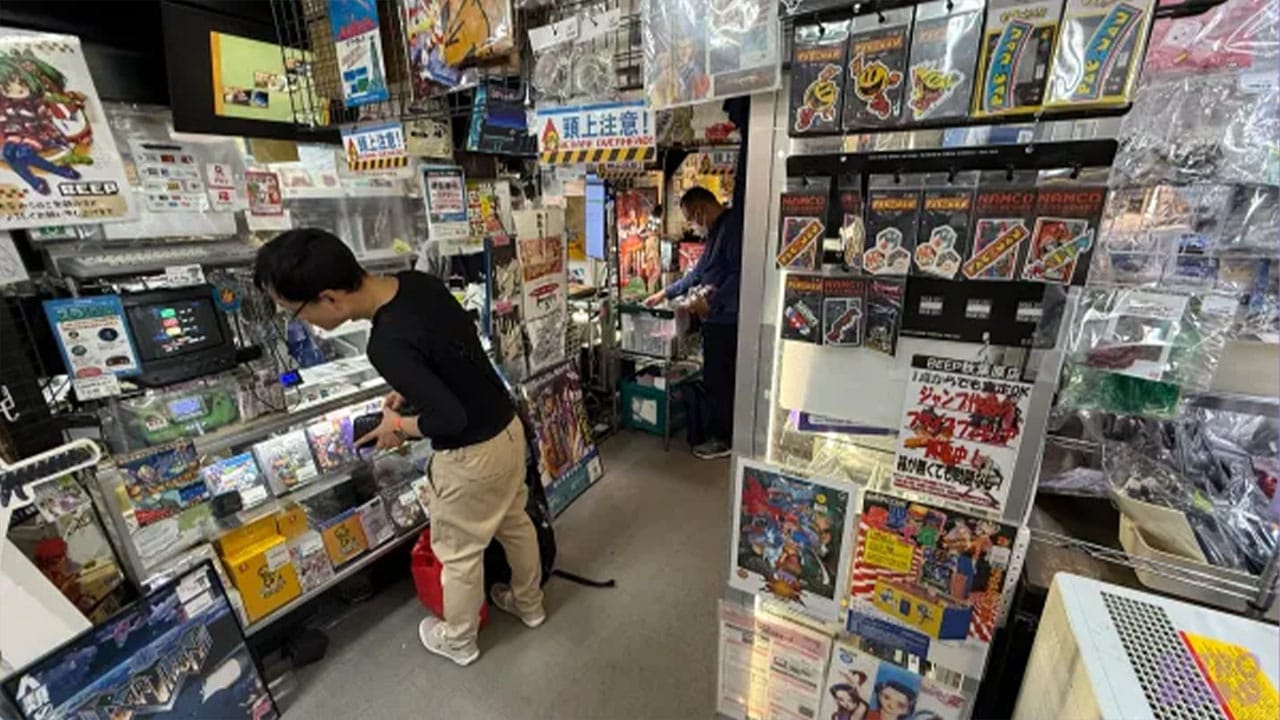
The demand for retro games and consoles remains robust, driven by nostalgia, collector interest, and a growing appreciation for the artistry and gameplay of older titles. This sustained interest underscores the importance of establishments like BEEP, which serve as vital hubs for this community. Their curated selections and knowledgeable staff provide an invaluable service, far beyond what online marketplaces can replicate.
The challenges faced by BEEP highlight the delicate balance between urban development and the preservation of cultural ecosystems. As cities evolve, there is a continuous need to consider the impact of progress on the unique elements that define them. For the global retro gaming community, the hope remains that BEEP will find a new home, allowing it to continue its mission of preserving and sharing the rich history of video games for generations to come. The resilience and passion of the retro gaming community, coupled with the unique allure of Akihabara, offer a beacon of optimism for the future of this cherished establishment. The next chapter for BEEP, while uncertain, is being watched closely by thousands worldwide.