Retno Hari Mulyono
The evolution of the Mazda MX-5 Miata, particularly the second-generation NB model produced between 1998 and 2005, has seen a significant shift in how enthusiasts approach vehicle monitoring and interior aesthetics. While the NB Miata remains a staple of the global grassroots racing and tuning community, its factory instrumentation has long been criticized for a lack of precision and real-time data transparency. In response, a growing sector of the aftermarket industry, led by firms such as CANchecked and RevLimiter, has developed integrated solutions that replace traditional analog "dummy" gauges and obstructive A-pillar pods with high-definition digital displays and precision-engineered gauge faces. This transition represents a broader trend in the "restomod" community: the integration of modern telemetry into classic sports car cockpits without compromising the original design language of the vehicle.
The Technical Limitations of Factory NB Miata Instrumentation
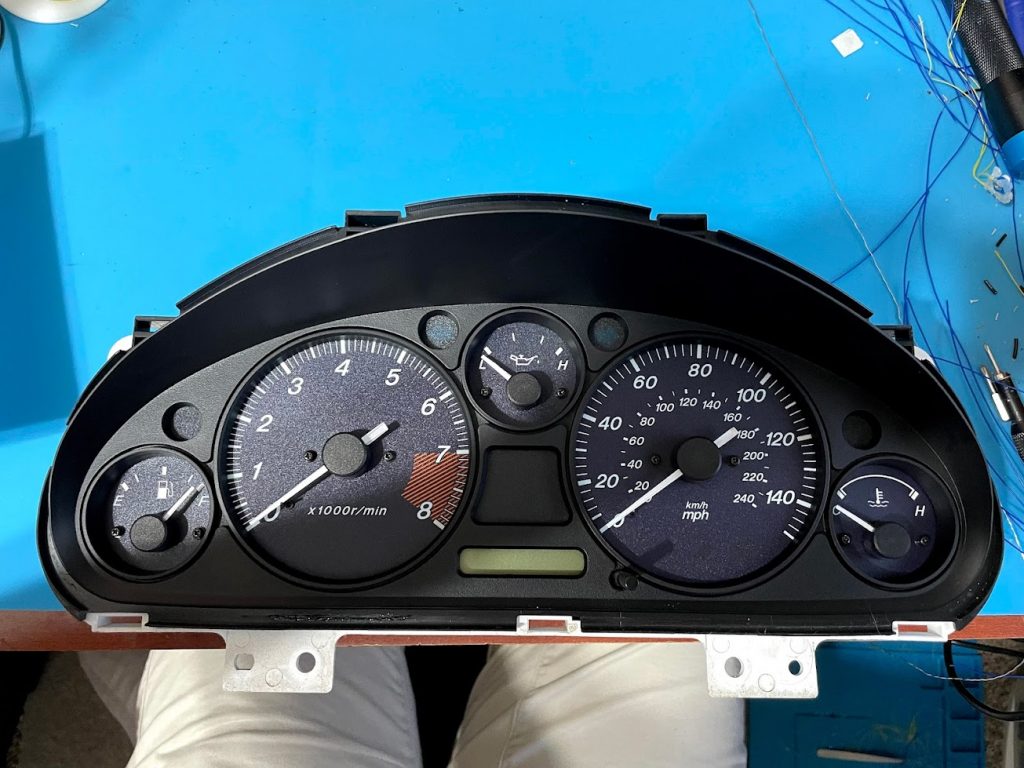
To understand the necessity of aftermarket intervention, one must examine the engineering choices Mazda made during the production of the NB platform. Unlike its predecessor, the early NA6 (1989–1993), which featured a true linear oil pressure gauge, the NB Miata utilizes what enthusiasts refer to as "dummy" gauges. These factory units are designed more as visual reassurances for the average consumer rather than diagnostic tools for the performance driver.
The factory oil pressure gauge in the NB functions essentially as a binary switch. Once the engine achieves a minimum threshold of pressure, the needle moves to a set central position and remains static regardless of fluctuations in RPM or oil temperature. This lack of granularity means that by the time the gauge indicates a drop in pressure, catastrophic engine damage may have already occurred. Similarly, the factory coolant temperature gauge is heavily damped. It remains in a "normal" center position across a wide temperature sweep, only moving toward the red zone once the engine is significantly overheating. For drivers engaged in autocross, track days, or forced induction applications, these factory limitations necessitate the installation of secondary sensors and displays.
The Ergonomic Challenges of Traditional Gauge Pods
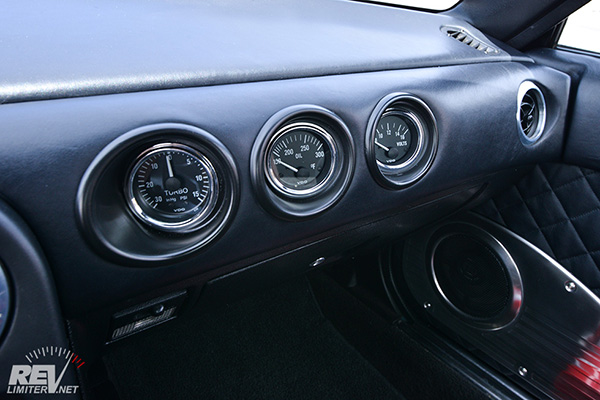
Historically, the most common solution for monitoring vital engine statistics has been the installation of 52mm analog or digital gauges on the driver-side A-pillar. While functional, this configuration presents several logistical and safety concerns. The use of triple-gauge pillar pods often creates a significant blind spot in the driver’s forward-left field of vision—a critical drawback in tight cornering environments such as autocross courses.
Furthermore, the physical installation of these pods frequently requires "sandwiching" the aftermarket plastic over the factory trim, leading to suboptimal fitment and aesthetic inconsistencies. The wiring required for multiple independent gauges—often including vacuum/boost, oil temperature, oil pressure, and battery voltage—results in a complex web of looms that must be routed through the firewall and up the pillar. For many owners, the pursuit of a cleaner, more integrated look has led to the exploration of alternative mounting locations, such as the climate control vents or custom dashboard cups, though these often sacrifice interior utility for data visibility.
The CANchecked MFA 2.0: A Digital Integration Breakthrough
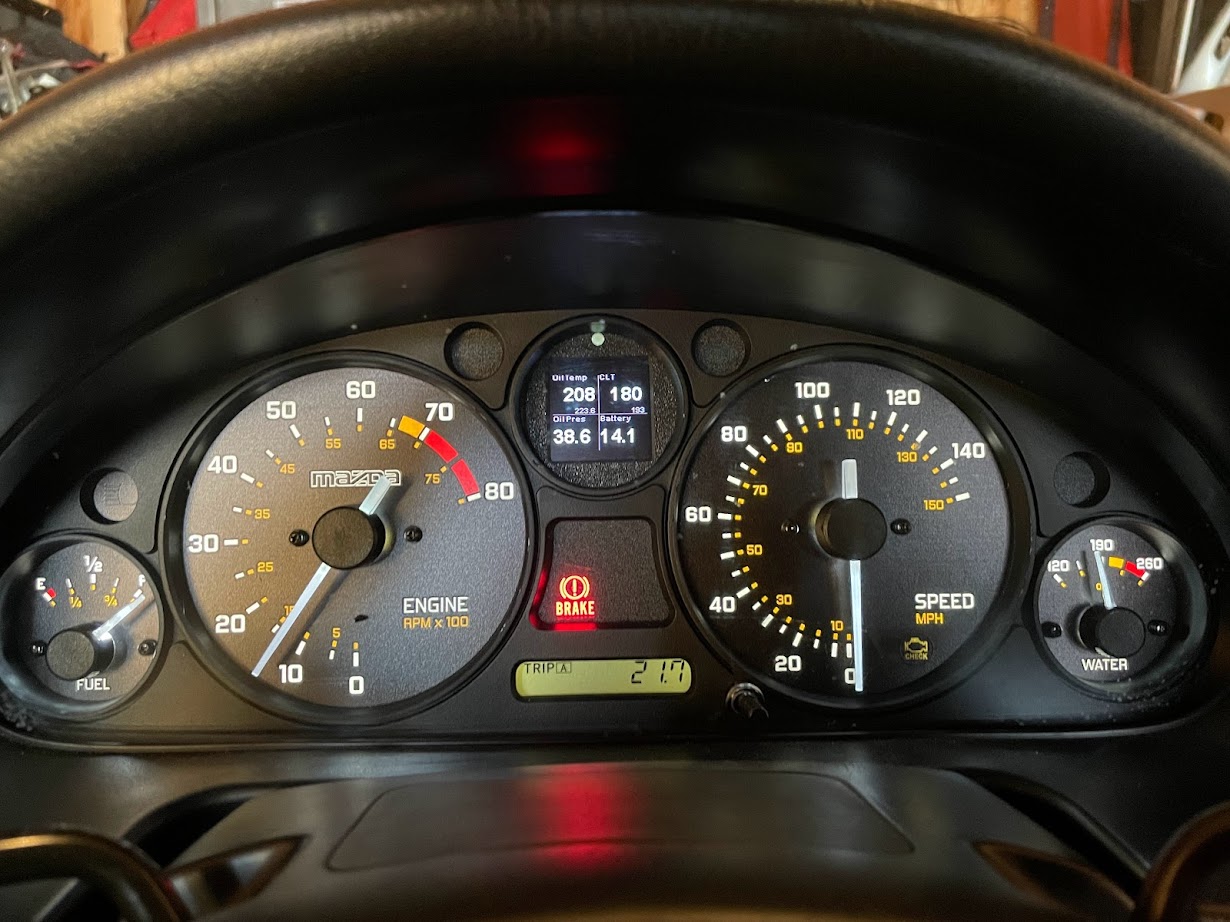
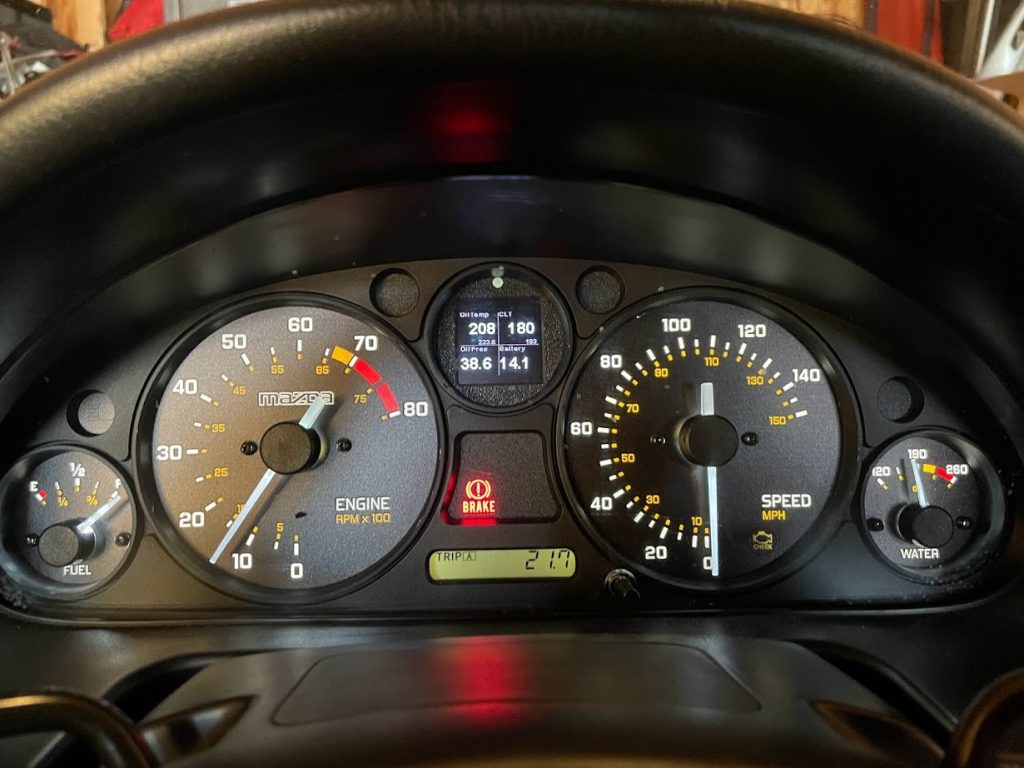
The emergence of the CANchecked MFA 2.0 multifunction display represents a significant technological leap for the MX-5 platform. Designed to install directly into the factory oil pressure gauge location within the instrument cluster, this LCD-based system eliminates the need for external pods while providing a wealth of data previously unavailable in a centralized format.
The MFA 2.0 operates primarily through the Controller Area Network (CAN) bus protocol. Because the factory NB Miata ECU does not natively output high-speed CAN data, this solution is typically paired with standalone engine management systems, such as the Megasquirt MS3 or Haltech Elite series. By tapping into the ECU’s data stream, the CANchecked unit can display up to six parameters simultaneously across multiple customizable dashboards. This allows drivers to monitor critical metrics—including air-fuel ratios (AFR), manifold absolute pressure (MAP), and intake air temperatures—directly within their primary line of sight.
Technical specifications of the CANchecked system include:
- Connectivity: Integration with standalone ECUs via CAN bus.
- Analog Expandability: Four dedicated analog inputs for external sensors (e.g., oil pressure and temperature) that may not be routed through the ECU.
- Customization: Software-based dashboard configuration allowing for various graphical interfaces.
- Form Factor: Specific mounting brackets designed to replace the OEM oil pressure movement, maintaining a factory-plus appearance.
Industry analysts note that the shift toward integrated displays like the CANchecked system mirrors trends in the broader automotive industry, where digital "virtual cockpits" are becoming standard. For the Miata community, it provides a bridge between 1990s analog charm and 2020s data requirements.
Aesthetic Refinement via RevLimiter Precision Instrumentation
While digital displays solve the problem of data acquisition, the surrounding analog gauges—the tachometer and speedometer—often remain visually dated. This has spurred the popularity of RevLimiter, a specialist manufacturer of bespoke gauge faces. Unlike mass-produced overlays, these components are engineered to meet or exceed Original Equipment Manufacturer (OEM) standards for durability, light transmission, and finish.
The "JNC" (Japanese Nostalgic Car) design, one of the most sought-after configurations for the NB, draws inspiration from classic 1960s and 70s Japanese sports cars. These faces often feature cleaned-up numbering, simplified scales, and a matte finish that reduces glare. When combined with LED bulb conversions—replacing the dated factory green incandescent lighting with crisp white or amber illumination—the entire cluster undergoes a visual transformation.
The installation process for these faces is meticulous, requiring the removal of the gauge needles and the calibration of the instruments upon reassembly. However, the result is a cohesive interior aesthetic that aligns the digital utility of the CANchecked display with a timeless, high-end analog feel.
Chronology of Instrumentation Evolution in the Miata Community
The trajectory of Miata gauge modifications can be categorized into four distinct eras:
- The Analog Era (1989–2000): Early adopters relied on mechanical gauges and basic "link" meters. Data was limited, and installations were often invasive.
- The Electronic Era (2001–2010): The rise of digital-stepper motor gauges from brands like AEM and Innovative Motorsports. A-pillar pods became the industry standard for modified cars.
- The Integration Era (2011–2020): Owners began seeking "stealth" installs, utilizing vent pods and steering column shrouds to maintain a cleaner interior.
- The Telemetry Era (2021–Present): The current period is defined by CAN bus integration, OLED/LCD displays within the cluster, and high-speed data logging for track analysis.
Broader Implications and Future Outlook: The Rise of Data Logging
The move toward advanced instrumentation is not merely an aesthetic choice; it is a prerequisite for the next phase of enthusiast development: comprehensive data logging. As drivers transition from casual street use to competitive track environments, the demand for "actionable data" has increased.
Systems such as the RaceCapture Pro are now being integrated into these setups. These loggers can ingest data from the same CAN bus used by the CANchecked display, combining engine health metrics with high-frequency GPS data and G-force sensors. This allows drivers to analyze brake pressure, throttle position, and cornering speeds in post-session reviews.
The integration of the CANchecked MFA 2.0 and RevLimiter faces represents a pivotal moment in the lifecycle of the NB Miata. It signifies the platform’s transition from a simple, affordable roadster into a sophisticated tool for driving enthusiasts who value both the heritage of the analog experience and the precision of modern digital telemetry. As the "modern classic" market continues to grow, the demand for such high-quality, integrated electronics is expected to expand, potentially leading to similar solutions for other platforms of the same era, such as the BMW E46 or the Nissan S-chassis.
Technical Summary of Component Synergy
| Feature | OEM NB Cluster | CANchecked + RevLimiter Upgrade |
|---|---|---|
| Oil Pressure | Binary (On/Off) | Real-time PSI (Digital) |
| Coolant Temp | Damped/Inaccurate | Precision Degree Celsius/Fahrenheit |
| Visibility | Standard | High (No A-pillar obstructions) |
| Data Source | Basic Sensors | CAN bus + Standalone ECU |
| Aesthetics | Plastic/Dated | Custom JNC/LED Illuminated |
| Expandability | None | Up to 10+ sensors via ECU/Analog |
In conclusion, the modernization of the NB Miata’s cockpit through these advanced solutions addresses the two primary concerns of the contemporary enthusiast: the need for accurate, high-speed data and the desire for a refined, professional interior. By moving away from cluttered, obstructive pods and toward integrated, cluster-mounted technology, owners are ensuring their vehicles remain competitive and reliable in an era defined by data-driven performance.