Retno Hari Mulyono
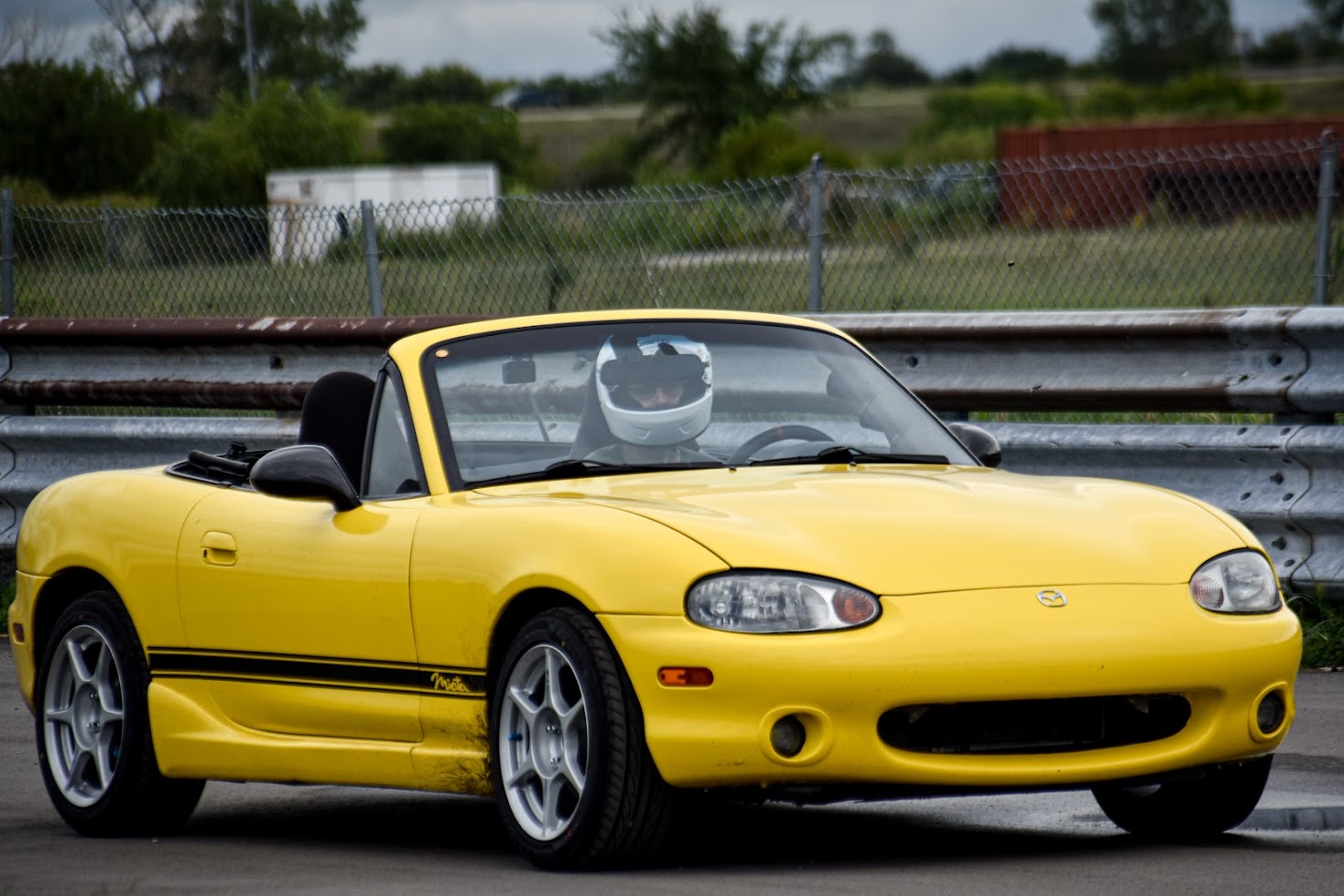
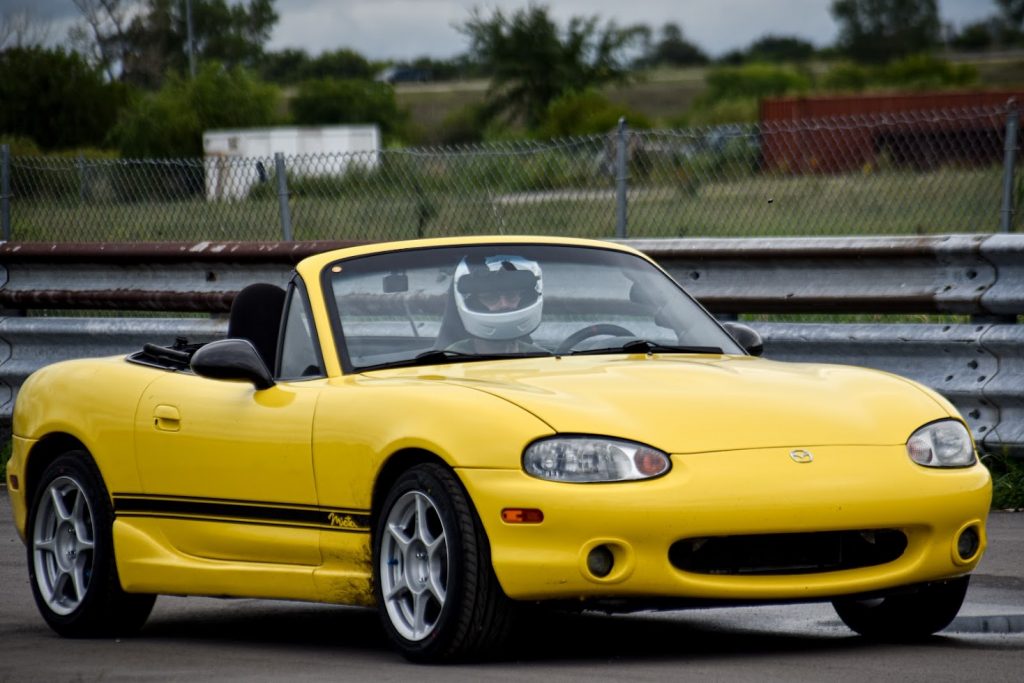
The second-generation Mazda MX-5 Miata, known internally as the NB, remains a cornerstone of the global amateur racing and track-day community due to its lightweight chassis and double-wishbone suspension architecture. However, as these vehicles age, the degradation of rubber components, bearing wear, and the limitations of factory-spec open differentials often necessitate a comprehensive mechanical refresh to maintain peak performance. A recent technical overhaul of a late-model NB Miata illustrates the complexities and benefits of a systematic suspension and drivetrain upgrade, utilizing a combination of OEM-plus components and high-end aftermarket racing technology.
This project focused on a high-mileage vehicle with an unknown service history, aiming to transition it from a standard street configuration to a dual-duty machine capable of competitive autocross and track-day performance. The scope of work included the replacement of all control arm bushings, ball joints, and wheel hubs, the installation of a Torsen limited-slip differential, and the implementation of professional-grade Xida Race coilovers.
The Engineering Logic of Bushing Selection and Installation
The foundation of any suspension refresh is the replacement of the compliance bushings. For the NB Miata, enthusiasts typically choose between three materials: standard rubber, polyurethane, or bronze-sleeve kits. In this application, IL Motorsports stiffer rubber bushings were selected. These components offer a middle ground, providing a 30% to 40% increase in stiffness over factory rubber—comparable to the discontinued Mazdaspeed competition bushings—while retaining the maintenance-free longevity and noise, vibration, and harshness (NVH) suppression of the original design.
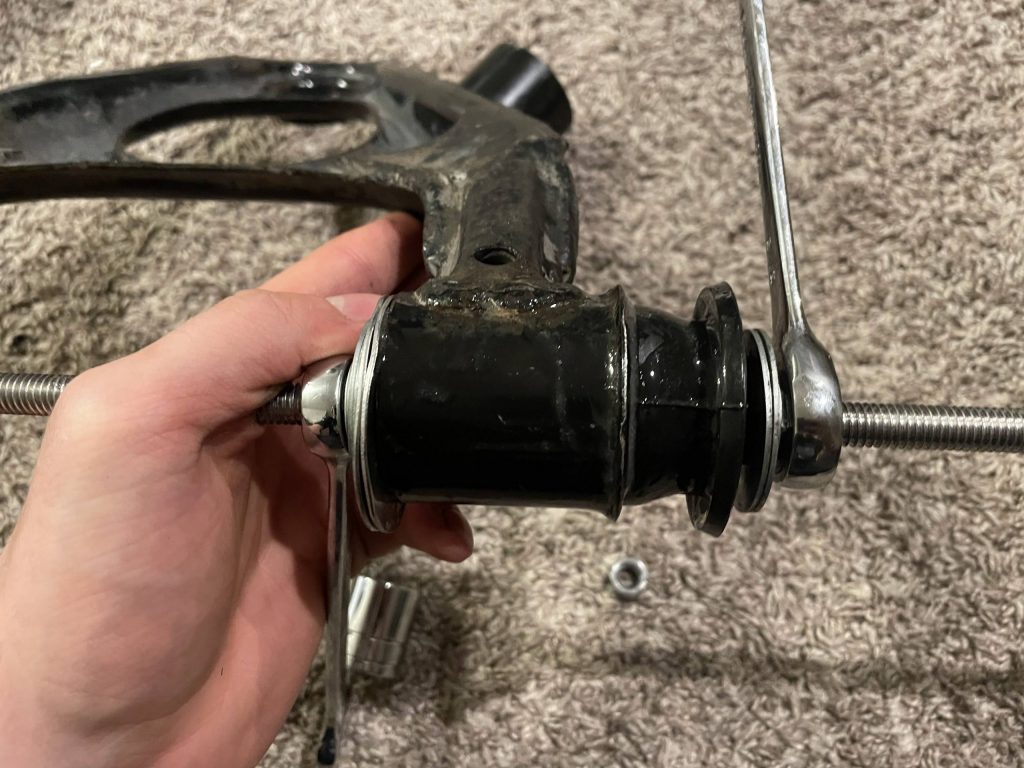
Unlike polyurethane bushings, which require periodic lubrication to prevent squeaking and binding, rubber bushings are bonded to their metal sleeves, ensuring consistent operation over tens of thousands of miles. However, the installation process revealed critical vulnerabilities in the Miata’s stamped-steel control arms. Utilizing a high-pressure hydraulic press on the rear upper control arms resulted in structural deformation, necessitating the procurement of replacement arms. Technical analysis suggests that for DIY applications, a "threaded rod and washer" method—often referred to as the hardware store tool—provides more controlled pressure and significantly reduces the risk of bending the arms.
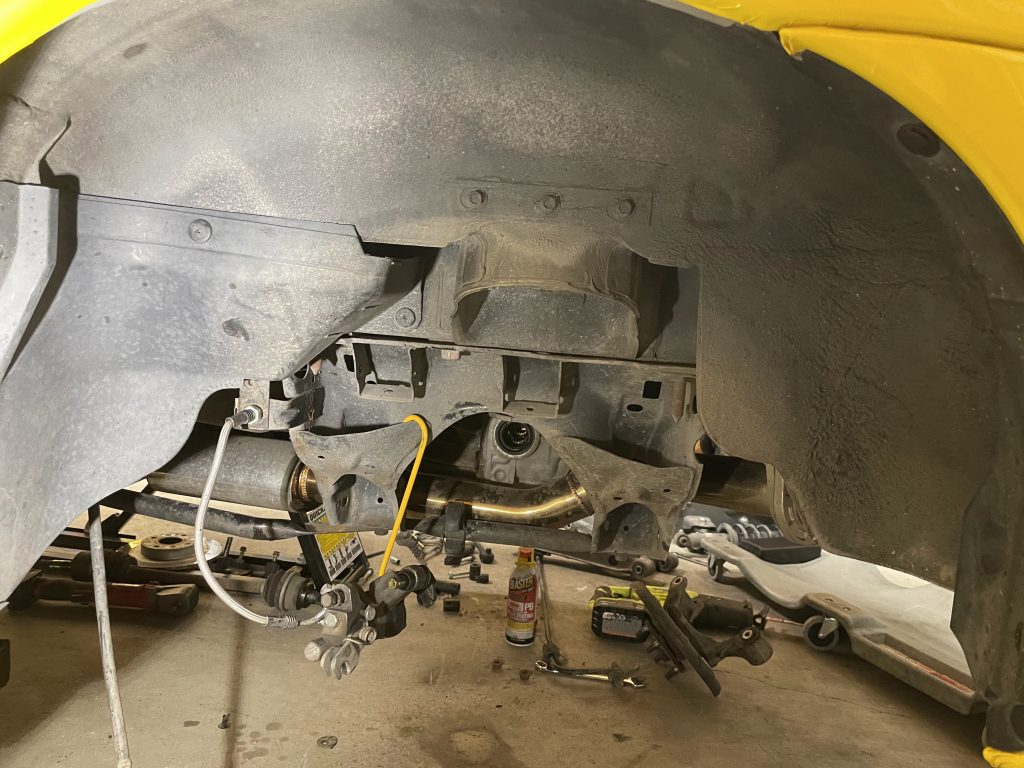
Furthermore, the project highlighted the prevalence of "seized bolts" in older chassis, particularly the long bolt connecting the rear lower control arm to the knuckle. This often requires a combination of penetrative lubricants, heat, and mechanical force, highlighting the necessity of replacing all alignment bolts and high-stress hardware during a refresh to ensure future adjustability.
Front-End Geometry and Hub Reliability
The front-end service utilized a Supermiata kit, which replaces high-wear items including upper and lower ball joints and tie-rod ends. While the original components showed no immediate signs of failure, the proactive replacement was a strategic move to reset the vehicle’s service life. The upper ball joints require a press-fit installation, whereas the lower units and tie-rod ends are bolt-on components.
A significant focus was placed on wheel hub integrity. In the Miata community, front wheel hubs are documented as a "fuse" in the system, prone to failure under the high lateral loads and heat cycles associated with modern 200-treadwear track tires. While professional racing teams often opt for blueprinted or heavy-duty aftermarket hubs, this project utilized Centric standard replacement hubs for the front and rebuilt OEM knuckles for the rear. This approach provides a documented baseline for component age, allowing the owner to monitor wear intervals as track speeds increase.
Drivetrain Optimization: The Torsen Differential Swap
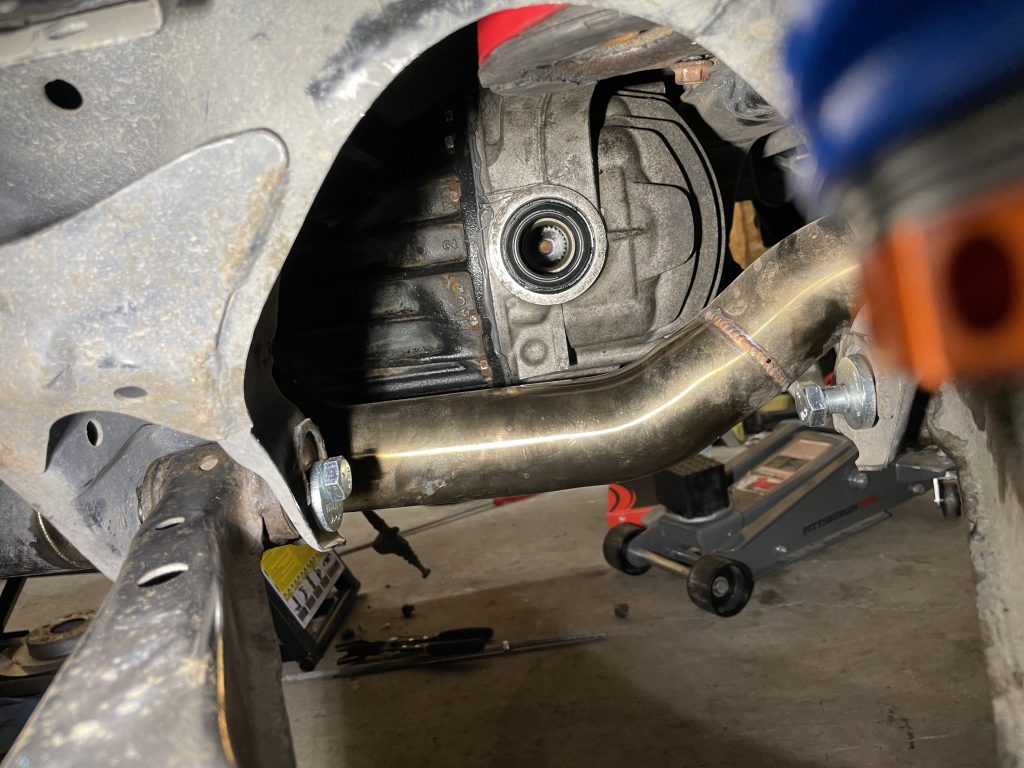
One of the most impactful upgrades for a base-model NB Miata is the transition from an open differential to a Limited Slip Differential (LSD). The project involved sourcing a Torsen Type 2 unit with a 4.30 gear ratio. The 4.30 ratio is highly coveted in the Miata community, particularly for the five-speed manual transmission, as it maximizes the engine’s limited power band.
The market for these units is highly competitive, driven largely by the requirements of the Spec Miata racing class. While typical market prices for a complete 4.30 Torsen assembly often exceed $1,000, this project demonstrated that sourcing the internal "guts" and installing them into an existing aluminum carrier can be a cost-effective alternative.
The installation was paired with polyurethane differential bushings. Unlike the control arm bushings where rubber was preferred for comfort, polyurethane was chosen for the differential to provide a more rigid mount, reducing "wheel hop" and drivetrain movement during aggressive shifts. However, the removal of the original rubber bushings proved to be the most labor-intensive portion of the drivetrain work, requiring the drilling of the rubber core and the use of a punch to collapse the outer metal sleeves.
Advanced Damping: The Implementation of Xida Race Coilovers
The centerpiece of the suspension overhaul was the installation of Supermiata Xida Race coilovers, featuring a spring rate configuration of 800 lbs/in front and 500 lbs/in rear. In the hierarchy of Miata suspension, Xida coilovers—developed in conjunction with Tractive and Holland-based manufacturers—are considered a premium solution, positioned well above entry-level "tuner" shocks and DIY Bilstein conversions.
The Xida shocks utilize a large-diameter piston and sophisticated valving that allows for high spring rates without the harshness typically associated with track suspensions. This is achieved through superior low-speed damping control, which manages body roll and pitch, and high-speed blow-off valving, which allows the shock to absorb mid-corner bumps without upsetting the chassis.
Observations following the installation indicated a significant reduction in body roll and a "planted" sensation at high speeds. Despite the aggressive 800/500 spring rates, the damping quality remained sufficient for street use, a testament to the engineering behind high-end monotube dampers. The vehicle’s ride height was lowered by approximately 0.5 to 0.75 inches, optimizing the center of gravity while maintaining enough clearance to avoid common scraping issues on public roads.
Technical Analysis of Sway Bar Dynamics
A notable omission from the initial upgrade phase was the installation of aftermarket sway bars. A common modification in the MX-5 community is the addition of a thick front sway bar to further reduce roll. However, the project opted to retain the factory bars to evaluate the impact of the increased spring rates from the Xida coilovers first.
From an engineering perspective, sway bars (anti-roll bars) function by linking the left and right suspension members, effectively increasing the "roll stiffness" without increasing the "vertical stiffness." While they are effective at reducing lean, they can also reduce the independence of the suspension, potentially leading to a loss of traction on uneven surfaces. By relying on stiffer springs rather than stiffer bars, the vehicle maintains better mechanical grip over bumps, though at the cost of slightly more body roll compared to a car with an oversized front bar.
Project Timeline and Chronology
The refresh was executed over a winter dormancy period to ensure the vehicle was ready for the spring track season. The chronology of the build was as follows:
- Disassembly and Assessment: Removal of all four corners of the suspension and the rear differential. Identification of seized hardware.
- Component Preparation: Removal of old bushings using a mix of drilling and pressing. Cleaning and painting of control arms.
- Drivetrain Assembly: Transferring the Torsen internals into the carrier and installing polyurethane mounts.
- Bushing and Ball Joint Installation: Pressing in the IL Motorsports rubber and Supermiata ball joints.
- Reassembly: Installation of new hubs, knuckles, and Xida coilovers.
- Final Torquing and Alignment: Setting the vehicle on the ground to torque bushings at ride height (preventing bushing bind) followed by a performance alignment.
Broader Implications for the Enthusiast Market
This project highlights a growing trend within the sports car enthusiast community: the "restomod" approach to maintenance. Rather than simply replacing worn parts with the cheapest available options, owners are increasingly opting for high-performance components that improve the vehicle’s ceiling while preserving its character.
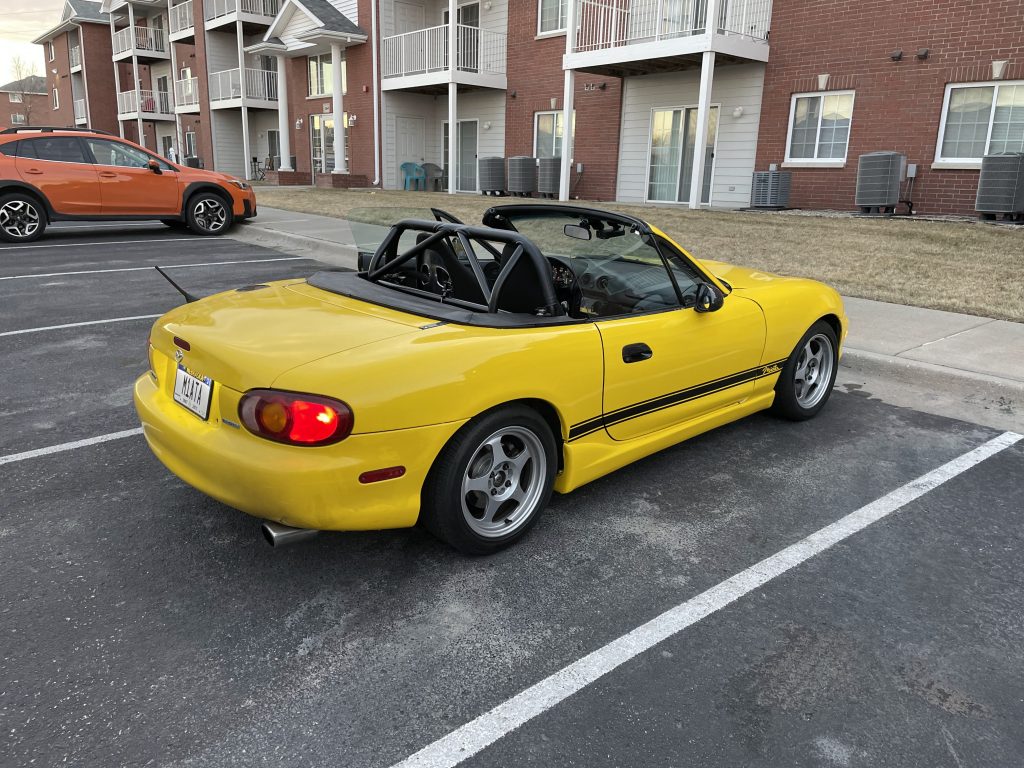
The success of companies like Supermiata and Treasure Coast Miata indicates a robust secondary market for the NB chassis. As the newer ND generation continues to rise in price, the NB remains the primary entry point for grassroots motorsport. The availability of high-end damping solutions like Xidas and the interchangeability of drivetrain parts like the Torsen differential ensure that the 20-year-old platform remains competitive against modern performance cars.
In conclusion, a systematic approach to the NB Miata’s suspension—addressing everything from the microscopic compliance of the bushings to the macroscopic damping of the shocks—results in a vehicle that is significantly more capable than its factory counterpart. While challenges such as stuck hardware and the risk of damaging components during pressing remain, the resulting increase in lateral grip, stability, and power delivery justifies the technical investment for any serious driver.