Cecilia Chamidah Nur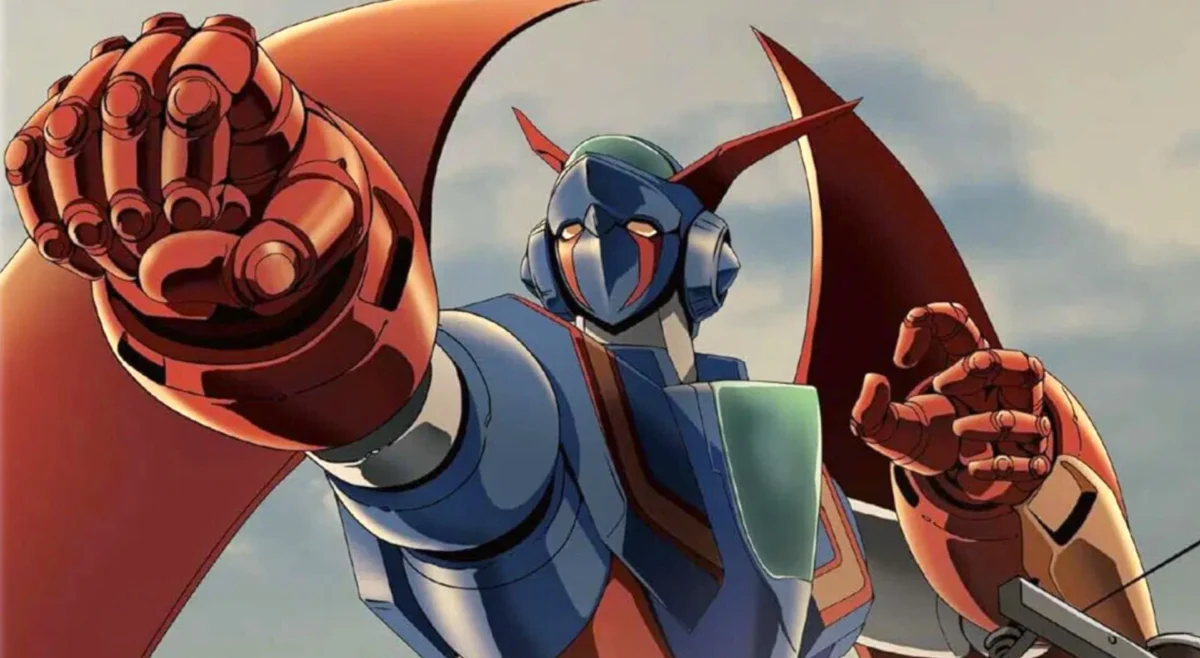
In a significant development for retro gaming enthusiasts, the year 2026 brings the unexpected announcement of a re-release for 70’s Robot Anime Geppy-X. This news has sent ripples through the gaming community, marking a monumental moment not only because the game holds a revered cult classic status even within Japan, but also due to its unprecedented forthcoming Western debut. This release addresses a long-standing desire among collectors and fans who have seen physical copies of the original PlayStation 1 title exchange hands for hundreds, sometimes even thousands, of dollars on the secondary market.
The Resurgence of a Legend: Geppy-X Returns to Modern Platforms
Originally launched exclusively in Japan on the PlayStation in 1999, 70’s Robot Anime Geppy-X captivated a niche audience with its deep homage to the golden age of 1970s super robot anime. The game was notoriously expansive, spanning an impressive four discs – a rarity for the era, signaling a wealth of content. Its scarcity and unique artistic vision have propelled it into the upper echelons of collector’s items, with prices often soaring above 50,000 Japanese Yen (approximately $350 USD) for complete copies, making it largely inaccessible to new players.
The upcoming re-release, spearheaded by Implicit Conversions in collaboration with Bliss Brain and key members of the original development studio, Aroma, aims to democratize access to this cherished title. Slated for a global launch this July, the game will be available across a broad spectrum of modern platforms, including PC (Steam), Nintendo Switch, PlayStation 4, PlayStation 5, and Xbox Series S/X. This modernized version will incorporate a suite of contemporary enhancements designed to improve the player experience without compromising the original’s integrity. These include essential quality-of-life features such as save states, rewind functionality, and built-in achievements, alongside full localization for Western audiences – a first for the game.
To delve into the intricate history and the painstaking efforts behind this revival, Time Extension secured an exclusive interview with several pivotal figures involved in the project. These included Akira Yamato, one of the game’s key creative minds; Momo Michishita, the original sound director and composer; and Yasuhide Nagasawa from Bliss Brain, the publisher bringing the remaster to fruition. Their insights reveal a journey fraught with creative ambition, industry challenges, and an enduring passion that has finally culminated in Geppy-X‘s triumphant return.
The Genesis of Geppy-X: A Vision from 1990s Japan
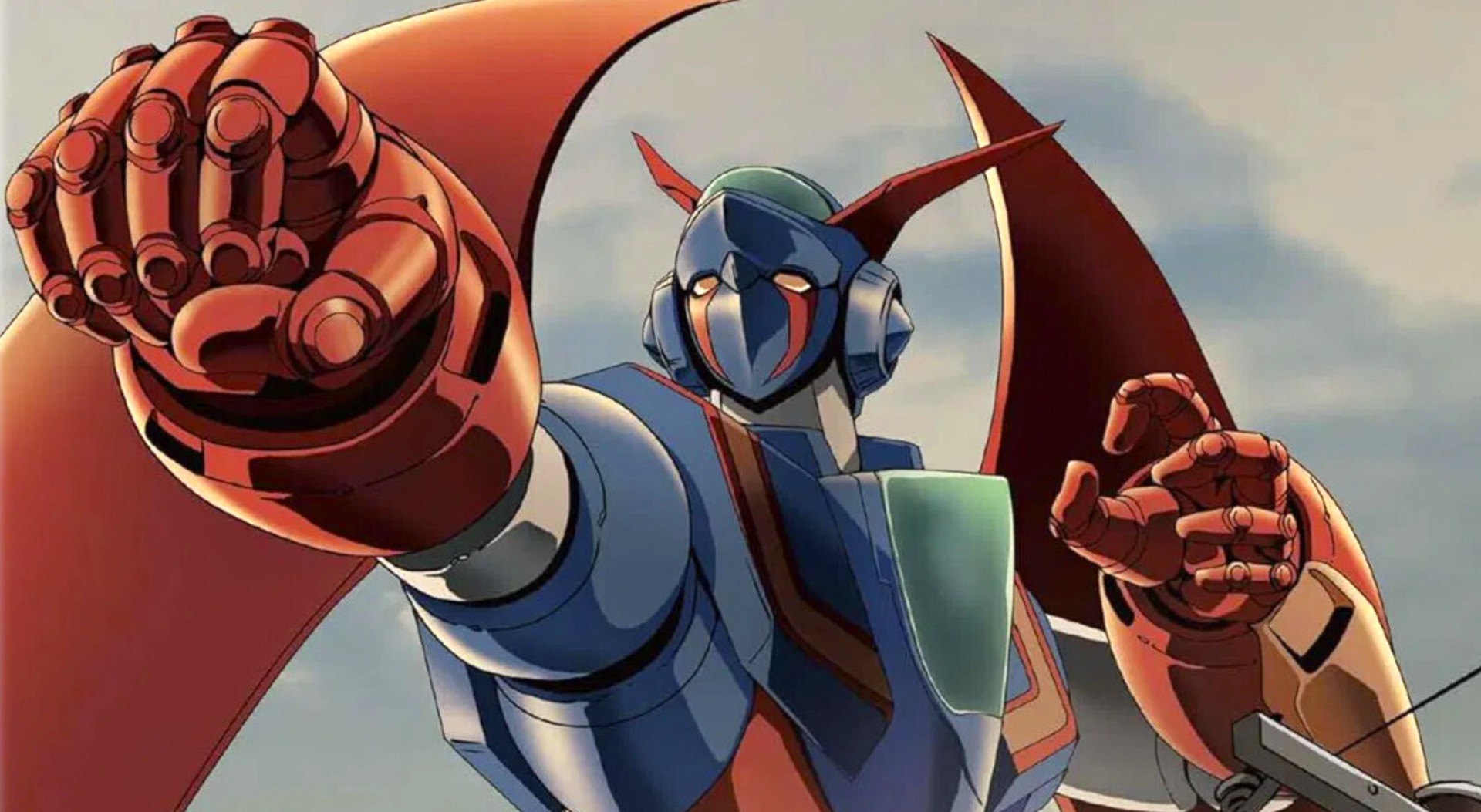
The origins of Geppy-X trace back to approximately 1996, born from an internal planning competition at Aroma Co., Ltd. Akira Yamato recounts the initial concept, "Geppy Robo," which began almost as a jest. However, even before the mainstream success of mecha anime like Martian Successor Nadesico and preceding similar works such as Kiaidan 00, the team recognized its inherent potential. Yamato, an integral part of that nascent team, recalled how development commenced with cautious optimism.
A critical juncture arose when the project reached a playable state, prompting the team to consult with Dynamic Planning, the formidable rights holders of the iconic Getter Robo series. Known for their stringent protection of intellectual property, Dynamic Planning nonetheless exhibited an openness to homage and parody. They requested specific revisions, primarily concerning the main robot’s design and other minor details deemed too close to their existing IP. Yamato advocated internally for these adjustments to allow development to proceed, but to his dismay, the "Geppy Robo" project was inexplicably put on hold by both the development and production departments.
Some time later, following significant staff changes within Aroma, a member of the sales department approached Yamato with a request to revive "Geppy." With a temporal gap since the original project’s freezing and without a complete grasp of its every detail, Yamato made a strategic decision: to carry over the core essence of "Geppy Robo" while rebuilding the entire project from the ground up, giving birth to Geppy-X.
Initially, Yamato anticipated a scale similar to "Geppy Robo," not foreseeing an overly complex narrative. Yet, driven by a creator’s ambition, he sought to introduce branching storylines in the latter half and infuse the game with a nuanced, analytical reflection on 1970s-80s Japanese pop culture. This creative impetus led to a script that ballooned to over 200 pages – an astonishing volume for an action game of its time. Despite concerns that it would be trimmed, Yamato submitted the full script to the sales team, who, to his surprise, embraced its sheer scope. "Let’s make the game with this script," they declared, encouraging further expansion. This decision led to the development of side character narratives and an alternate-world mode, causing the script to grow even larger.
Yamato highlighted a prevailing, peculiar attitude within the Japanese console game industry of that era: a strange prejudice against story-driven games, or the notion that starting development with a scenario was ill-advised. This mindset, he observed, was prevalent even within their own workplace, despite the evident success of many narrative-focused titles. Given this environment, he never imagined Geppy-X would evolve into such a sprawling, story-centric endeavor, expressing profound gratitude to the staff who recognized the script’s inherent value. Ultimately, Yamato shouldered an immense workload, handling much of the scenario, storyboards, design, and even lyrics and composition, a feat he attributes to the unwavering support of his colleagues.
Crafting the Cinematic Experience: Anime Inspirations and Technical Prowess
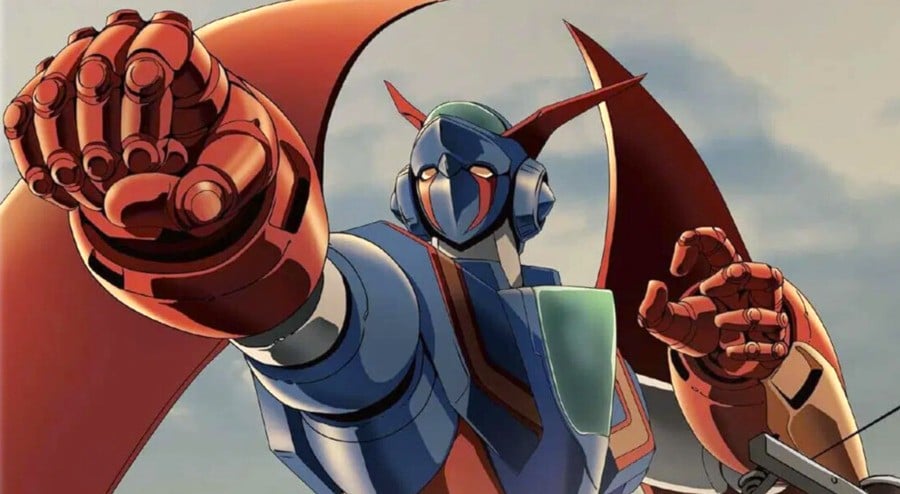
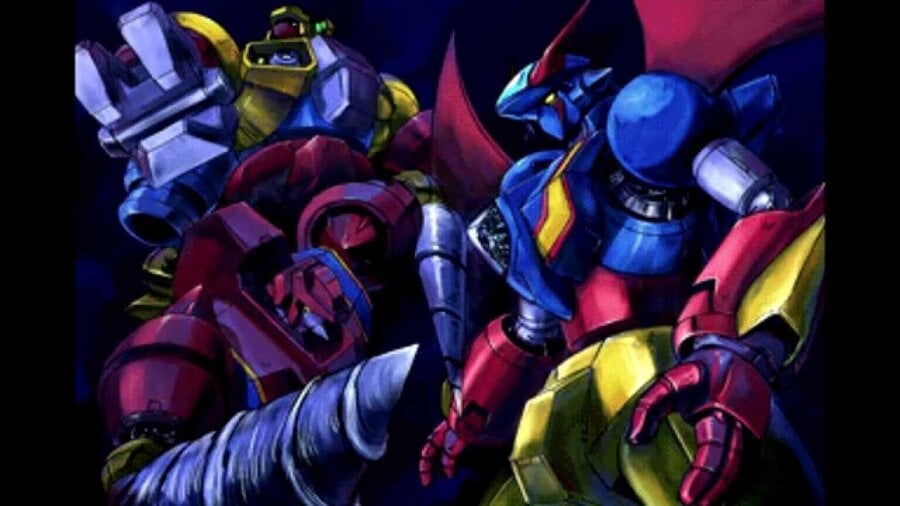
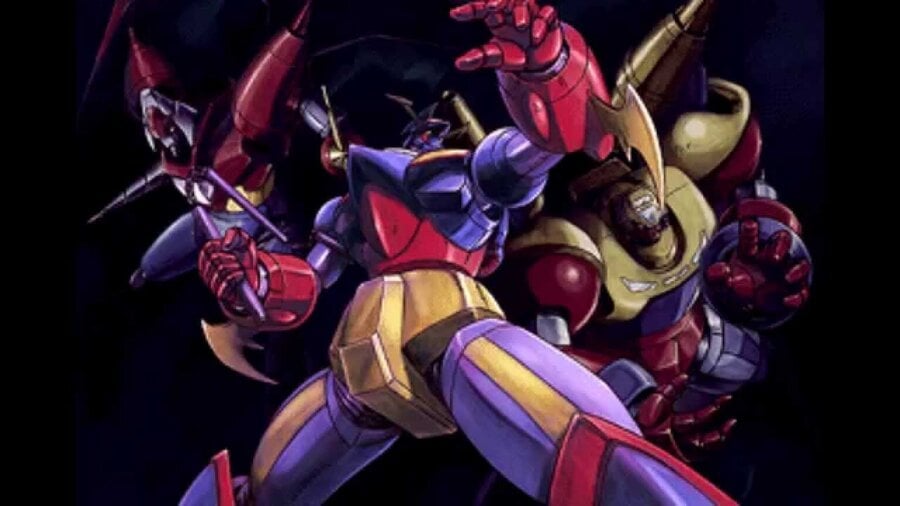
Geppy-X is unmistakably a love letter to classic Japanese robot anime, a genre that deeply influenced its creator. Akira Yamato revealed that the structural influence of Getter Robo, with its iconic three-machine combination and transformation mechanics, was paramount, proving an ideal fit for a shooting game system. Beyond this, the overall story and thematic tone drew broadly from the beloved robot anime, tokusatsu hero shows, and kaiju films of the 1970s and 80s that shaped his childhood. Rather than fixating on a single work, Yamato endeavored to weave these diverse influences throughout the game, creating a rich tapestry of nostalgia.
A distinctive aspect of Geppy-X‘s charm lies in its deliberate embrace of the "unintentionally humorous" sensibilities found in 70s and 80s dramas. Yamato explained that what might once have been perceived as unpolished or reflective of generational differences can now be reinterpreted as endearing. The game’s core concept was to reconstruct this sense of "distance" with 1990s production quality, inviting players to rediscover and reinterpret the appeal of those older works. In this sense, Yamato likened Geppy-X‘s spirit to modern Japanese reboots like Shin Godzilla, Shin Ultraman, and Shin Kamen Rider, which similarly re-examine foundational cultural properties.
Beyond superficial homages, Yamato noted that many creators of those earlier works were deeply influenced by Japan’s "two defeats"—the end of World War II and the subsequent failures of domestic political movements. Movements like women’s liberation in the 1970s also subtly permeated robot anime and tokusatsu narratives. Geppy-X sought to carry forward these serious themes through its scenario and lyrics, albeit presented with humor and light touches to maintain its entertainment value—a long-standing tradition in Japanese storytelling. Yamato drew a parallel to contemporary discussions around Diversity, Equity, and Inclusion (DEI) in Western entertainment, suggesting that Japanese content had explored similar themes in its own distinct way decades prior.
The game’s renowned four-disc format was a direct consequence of its ambition, particularly its vast volume of animated footage. Akira Yamato elaborated on the meticulous process behind this cinematic endeavor. Both character and mechanical designs were handled by the same top-tier creators from the anime industry who had worked on "Geppy Robo." Learning from the budget constraints of "Geppy Robo," the team successfully pushed for a significantly increased animation budget for Geppy-X. Anime production was entirely entrusted to these expert designers and their teams, ensuring a very high level of quality.
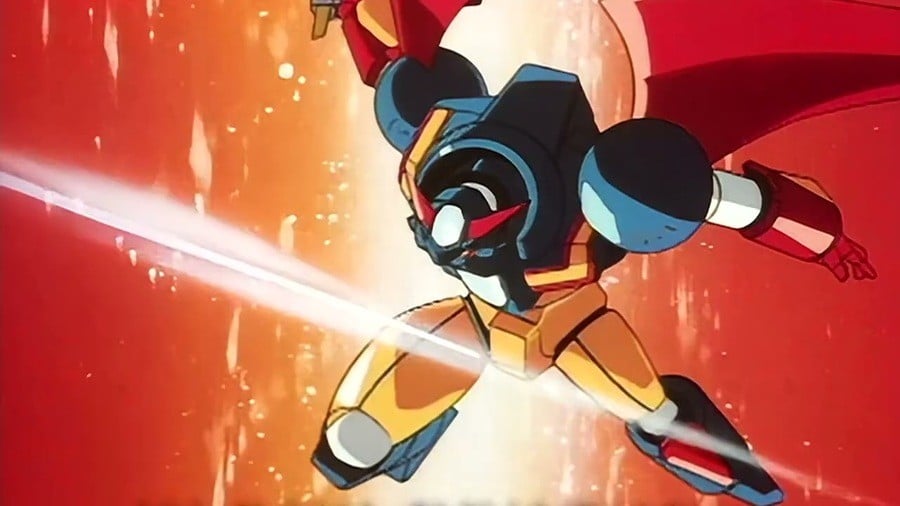
Crucially, to authentically recreate the visual aesthetic of 1970s-80s animation, the team eschewed then-modern digital production methods. Instead, they employed traditional techniques: shooting hand-painted cels on 35mm film, a practice still feasible at the time. After transferring the film to video (telecine), rather than digitizing and editing in-house like most game productions, Geppy-X maintained an analog workflow. The film was brought to IMAGICA, a professional editing studio, where it was edited alongside animation staff using the same process as TV anime production. Only after this rigorous analog editing was the material converted into digital data. This meticulous approach resulted in high-quality analog masters preserved on videotape, explaining why, 25 years later, the animation quality could be significantly improved for the remastered version. Yamato, having a background in TV commercials and documentary film production, found this workflow natural. Even the in-game fictional toy commercials deliberately avoided cutting-edge digital compositing, opting for analog techniques like masking to faithfully emulate 70s and 80s aesthetics—a testament to the project’s obsessive attention to period detail.

Momo Michishita, the sound director, shed light on securing legendary figures for the game’s voice cast. Aroma initially compiled a list of actors matching each character’s image, which was then refined with the sound director. Given Geppy-X‘s homage-driven nature, discussions often revolved around the appropriateness of specific voice actor connections to existing anime. Michishita emphasized that securing these talents involved clearly explaining permissions and conveying a passionate conviction that "this role has to be played by this person." The sound direction itself was overseen by Hisashi Fujioka.
A particular challenge involved securing Isao Sasaki, the artist renowned for singing both the opening and ending theme songs. Sasaki had performed the theme for the earlier "Geppy Robo" project but initially declined for Geppy-X due to "various circumstances" surrounding the previous endeavor. Michishita, then quite young, leveraged industry connections and the support of a mentor to reopen negotiations. After some conditions, including melody adjustments, Sasaki agreed to participate. This "nothing ventured, nothing gained" approach, heavily supported by his mentor, was typical for securing other performers as well.
A Rocky Debut: Initial Reception and the Path to Cult Status
Despite its ambitious production and creative vision, Geppy-X‘s initial reception in Japan was far from stellar. Akira Yamato candidly admitted that the market response in 1999 was "not very positive." Game magazines, which often provided scored reviews, were particularly harsh, treating it "almost like a ‘rotten tomato’." Yamato attributed this partly to unfortunate timing, as the industry was transitioning to a new generation of hardware. More significantly, he lamented that Geppy-X simply failed to reach a broad audience.
Yamato explained that Geppy-X diverged from traditional action games where efficiency in defeating enemies is paramount. Even the main robot’s weapons were not always designed for optimal gameplay, sometimes feeling inefficient or awkward. This was a deliberate choice, intended to allow players to "perform" battle scenes akin to those seen in a TV anime. Consequently, core action game fans—who often approach games with an athletic mindset, seeking efficiency and competitive advantage—judged it as "interesting in terms of story and presentation, but average as a game." Yamato summarized, "Geppy-X isn’t a machine built for competition; it’s more like something meant for a fun ride."
However, this critical misjudgment did not deter a small, dedicated faction of players. Among those who understood and appreciated the game’s unique artistic intent, Geppy-X cultivated a passionate fanbase even in 1999. These were a select group who could truly "get it" and immerse themselves in the experience offered. Over the subsequent 25 years, the game’s reputation slowly but steadily improved. Word-of-mouth spread online, and as it gained traction on platforms like YouTube through entertaining features and discussions, its cult status solidified. Yamato expressed immense gratitude for this organic growth in appreciation.
Bridging Continents: The Long Road to a Western Release
The prospect of a Western release for Geppy-X was virtually nonexistent at the time of its original launch. Akira Yamato highlighted the prevailing industry assumption that only major hits from large companies stood a chance of overseas distribution. For smaller teams like Aroma, international expansion was an unrealistic aspiration unless a game achieved exceptional domestic success. There was also a deeply ingrained perception that Japanese entertainment, including games and anime, was primarily crafted for domestic audiences. The idea that it might resonate more broadly overseas than imagined was not a tangible consideration for those working in Japan at the turn of the millennium. This perception, Yamato noted, has only significantly shifted in the past decade or so, largely propelled by the rise of social media and global connectivity.
Despite this historical context, Yamato personally harbored an appreciation for overseas content. This personal passion manifested in Geppy-X through an extra mode called "Star Geppys," explicitly inspired by Western works. This mode intentionally emulated the style of American pop culture from the era – elements reminiscent of Flash Gordon, G.I. Joe, and Barbarella – which, from a Japanese perspective, often appeared colorful and eccentrically "cheap" or playful. Yamato was delighted that the rest of the team embraced this personal passion project and allowed its inclusion in the game.
Reflecting on Geppy-X‘s journey, Yamato acknowledged its commercial failure in 1999. Yet, he emphasized that for the small number of people who acquired a copy and connected with it, the game became something truly beloved. In that sense, he argued, it was a success as a piece of art. For 25 years, the dream of a second chance, a remaster, persisted. Several attempts were made over the years but never materialized, leading to the painful reality of the original game becoming increasingly scarce and prohibitively expensive. Yamato expressed relief and gratitude that Geppy-X can now be acquired "for the price of just a few beers," urging players to "pick it up, play it, and have a good laugh." He humbly stated, "I won’t claim that it’s a perfect game. There are parts that may feel rough or lacking. But I can say this with confidence: we used every card we had—and probably some we had no business playing in the first place. And in doing so, I believe we created something that goes beyond the sum of those parts." He reiterated that Geppy-X is not a finely tuned racing machine but rather "a ride through the rich history of Japanese entertainment culture—a machine made for the sheer fun of the experience."
The Remastering Journey: Preserving and Enhancing a Legacy
The arduous remaster project began years after the original developer, Aroma, was dissolved. Momo Michishita explained that the game’s master data ended up being stored at his company, Sound ams. Initial discussions for a budget re-release surfaced, but with Aroma no longer existing, inquiries were directed to Michishita, given his involvement in the original sound development. He then consulted with Yamato, and together they took custody of the master data. Subsequent attempts to revive the project, however, repeatedly stalled.
As the 25th anniversary loomed, Michishita and Yamato decided to treat it as a final, decisive opportunity for revival. Michishita reached out to Tetsuo Endo, president of ArdeCode, who played a crucial role in coordinating efforts across various parties. This collaboration ultimately led to the connection with Bliss Brain, finally transforming the remaster into a tangible reality.
Yasuhide Nagasawa of Bliss Brain detailed the extensive features added to this new version. The remaster includes most standard modern retro re-release functionalities: rewind, save-anywhere capabilities, various screen effects (such as scanlines and distortion), and customizable wallpapers. A significant undertaking was the full localization of the game. Since the original was Japan-only, localization was never a consideration. The new version introduces subtitles, which were absent from the original, and meticulously translated in-game graphical text into English. The anime cutscenes, a hallmark of the game, have been upgraded to high resolution, with improvements made to ensure smooth playback within the emulation environment. The Beast Library (gallery mode) has been reworked with a new layout to better support localization. Furthermore, an in-game manual designed to mimic the look and feel of the original PS1 manual provides a nostalgic touch. Nagasawa also highlighted a seemingly small but impactful improvement: the elimination of long load times and frequent disc swapping that plagued the original four-CD PS1 version, though he playfully acknowledged some might even miss that "experience."
Beyond Emulation: A Faithful Revival
Regarding the core game experience, Yasuhide Nagasawa confirmed that the game itself runs via emulation. He explained that with no source code remaining, an alternative would have been to rebuild and clean up elements from scratch. However, the priority was to faithfully preserve the original game experience. The partnership with Implicit Conversions, a company known for its expertise in bringing legacy titles to modern platforms, was key. Nagasawa emphasized that for many players, especially those overseas, this would be their first encounter with Geppy-X. Therefore, it was crucial for them to experience the game as it originally was, opting for emulation to keep the original game intact rather than altering its fundamental structure.
The collaboration with the original team was integral to the project’s success. Nagasawa expressed profound gratitude, noting that the original publisher’s disappearance had led to the loss and scattering of many materials over time. He stressed that without Akira Yamato’s foresight in preserving key assets, including the original Betacam tapes, the project could not have been a true "remaster." He also extended appreciation to Sound ams and ArdeCode for their tireless efforts in making the revival possible, including untangling the complex web of rights related to voice actors and music.
A New Chapter: Impact and Future Implications
The re-release of 70’s Robot Anime Geppy-X in 2026 transcends a mere commercial endeavor; it represents a significant victory for video game preservation and the global appreciation of niche cultural artifacts. It underscores the growing importance of retro gaming, where titles once confined by geographical or technological barriers can now find new life and audiences worldwide. This project highlights the dedication required to unearth and restore games from defunct studios, often relying on the passion and personal archives of original developers.
The transition from a critically panned, commercially struggling Japanese exclusive to a globally accessible cult phenomenon also offers valuable insights into the evolving metrics of "success" in the gaming industry. While initial sales figures might define commercial failure, the enduring legacy, fervent fanbase, and skyrocketing secondary market value of Geppy-X demonstrate that artistic vision and unique experiences can cultivate a different, perhaps more profound, form of success over time. The role of digital platforms and modern emulation techniques in democratizing access to such historically significant titles cannot be overstated, ensuring that the rich tapestry of gaming history remains accessible for future generations. For Akira Yamato and his team, this re-release is not just a second chance for a game, but a vindication of their original, audacious creative spirit, finally allowing a wider audience to embark on their unique, nostalgic "ride" through Japanese entertainment culture.