Farhan hamdan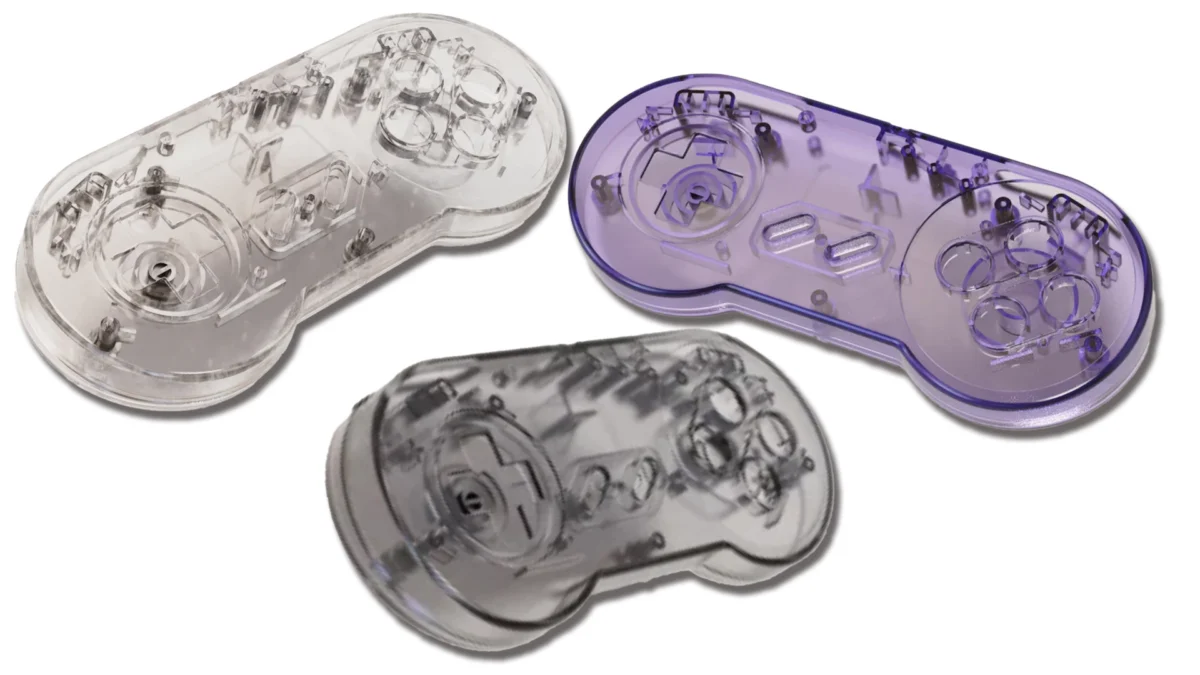
The highly anticipated transparent controller shells for the Super Nintendo Entertainment System (SNES) and Super Famicom (SFC) from Retro Game Restore (RGR) have once again become available through retailer Stone Age Gamer, marking a significant moment for enthusiasts dedicated to preserving and personalizing their classic gaming hardware. These distinct shells, offered in Smoke, Clear, and Purple, perfectly complement RGR’s existing line of transparent console shells, allowing for a cohesive and visually striking aesthetic upgrade. Each controller shell kit, priced at approximately $30, includes the primary shell components and matching shoulder buttons. However, prospective builders will need to source the internal electronics and other crucial components from an existing donor controller or opt for a "homebrew" approach utilizing newly manufactured parts. This re-release underscores a growing trend in the retro gaming community: a desire for high-quality restoration and customization options that blend nostalgic appeal with modern manufacturing precision.
The Enduring Legacy of the SNES/SFC and the Rise of Retro Customization
The Super Nintendo Entertainment System, known as the Super Famicom in Japan, stands as one of the most iconic and beloved video game consoles of all time. Launched in 1990 in Japan and 1991 in North America, its 16-bit architecture ushered in a golden age of gaming, delivering groundbreaking titles such as The Legend of Zelda: A Link to the Past, Super Metroid, Super Mario World, and Chrono Trigger. Its ergonomic controller, with its distinct four-face button layout and prominent shoulder buttons, set a standard for game input devices that profoundly influenced subsequent console designs. Decades later, the SNES/SFC continues to captivate new generations of players while holding a cherished place in the hearts of original fans.
This enduring appeal has fueled a significant resurgence in the retro gaming market. What began as simple nostalgia has evolved into a sophisticated ecosystem driven by hardware preservation, digital archiving, and increasingly, customization. Enthusiasts are no longer content with merely playing classic games; they seek to enhance their experience through upgraded displays, improved audio, and personalized hardware. The transparent shell trend, reminiscent of iconic designs like the original Game Boy’s clear model or Nintendo 64’s "Funtastic" series, offers a unique blend of retro charm and modern aesthetic. It allows players to peer into the intricate electronics that power their beloved games, adding a layer of appreciation for the engineering within. The demand for such customization options has spurred a vibrant market, with companies like Retro Game Restore emerging as key players in providing high-quality components for this dedicated community.
Retro Game Restore: A Leader in Hardware Restoration
Retro Game Restore (RGR) has established itself as a reputable name within the retro gaming hardware community, primarily known for its meticulously crafted replacement console shells. Their commitment to producing parts that not only fit perfectly but also capture the essence of original designs, often with enhanced durability or aesthetics, has earned them a loyal following. The reintroduction of their transparent SNES/SFC controller shells is a testament to this reputation and a direct response to sustained community demand.
The availability of these shells through Stone Age Gamer, a prominent online retailer specializing in retro gaming products, highlights the symbiotic relationship between specialized manufacturers and distributors in this niche market. Stone Age Gamer serves as a critical conduit, connecting RGR’s high-quality products with a global audience of enthusiasts. A spokesperson for Stone Age Gamer, speaking on the general market trends, might emphasize their commitment to providing a comprehensive catalog of retro gaming accessories, recognizing the growing consumer desire for both original hardware preservation and modern customization. Similarly, Retro Game Restore’s actions implicitly communicate a dedication to supporting the retro gaming scene by providing components that allow users to refresh, repair, and personalize their vintage controllers, thus extending the lifespan and enjoyment of classic hardware. The decision to offer three distinct colors—Smoke, Clear, and Purple—not only provides aesthetic choice but also ensures perfect visual harmony for those who have already invested in RGR’s matching transparent console shells, creating a unified, customized setup.
The DIY Ethos: Building a Controller from the Ground Up
While the RGR shells provide the external housing, the true spirit of customization lies in the "homebrew" approach, where enthusiasts can assemble a controller using a combination of original and newly manufactured internal components. This modularity empowers users to not only restore damaged controllers but potentially build entirely new ones with enhanced performance characteristics. This aspect of the offering caters to a diverse range of users, from those looking for a simple shell swap to seasoned modders aiming for a complete overhaul.

One of the most critical components for any controller is the set of rubber membranes for the D-pad and action buttons. Over decades of use, original membranes can degrade, leading to unresponsive or inconsistent input. J&T Studios has emerged as a key provider of high-quality replacement membranes, offering various options to cater to different tactile preferences. The ongoing testing and evaluation within the community, often shared through livestreams and detailed reviews, underscore the importance of these seemingly minor components. The "feel" of a controller is paramount to the gaming experience, and J&T Studios’ focus on precision and durability aims to either replicate or even surpass the performance of original membranes. This dedication to granular detail exemplifies the passion driving the retro modding scene, where every component is scrutinized for optimal performance.
Beyond the membranes, another common point of failure for vintage controllers is the cable. Fraying, breakage, or general degradation of the original cable can render an otherwise functional controller unusable. High-quality braided controller cables, specifically designed for SNES/SFC, offer a durable and aesthetically pleasing upgrade. These replacements not only restore functionality but also provide enhanced longevity and a premium feel, addressing a practical need while also offering a visual enhancement. For many enthusiasts, replacing a worn-out cable with a braided alternative is a straightforward yet impactful upgrade, ensuring reliable connectivity for years to come.
Perhaps the most significant development for the "homebrew" controller movement is the availability of open-source printed circuit board (PCB) recreations. The creator behind the open-source SNES motherboard project has also released open-source designs for controller PCBs. This initiative, often shared on platforms like GitHub, represents a profound shift towards community-driven hardware preservation and innovation. By making the schematics and designs publicly available, the project empowers individuals and small manufacturers to produce new controller boards. While these boards still require the user to source and solder individual electronic components (resistors, capacitors, microcontrollers), their existence means that a fully functional controller can theoretically be built without relying on a donor unit’s PCB. This open-source philosophy promotes transparency, collaboration, and ensures the long-term viability of classic hardware, preventing reliance on dwindling original stock. It also serves as an educational tool, allowing hobbyists to learn about electronics and controller design. The starlightk7 project, in particular, stands as a beacon of this collaborative effort, showcasing how community contributions can fill critical gaps in the retro hardware landscape.
The final piece of the puzzle for a complete new-build controller—and arguably the most challenging to source reliably—is a high-quality set of replacement buttons and D-pads. While RGR previously manufactured these components for their initial controller shell production run, a consistent, readily available source for new buttons and D-pads remains elusive for the broader market. This gap highlights the complexities of remanufacturing all components of a classic device, especially those with specific tactile and aesthetic requirements. Should demand for such components materialize and become sufficiently strong, RGR or other specialized manufacturers might consider addressing this need, further enabling the creation of entirely new, high-performance retro controllers.
Market Dynamics, Community Engagement, and Implications
The specialized market for retro gaming components is a vibrant ecosystem driven by passion and technical expertise. Companies like Retro Game Restore and J&T Studios operate within a niche but dedicated consumer base, where product quality, authenticity, and community feedback are paramount. This market thrives on direct engagement with enthusiasts, often leveraging platforms like YouTube for demonstrations, reviews, and interactive discussions. Content creators, such as the individual behind the livestreams mentioned, play a crucial role in this ecosystem. Their "real-time-test streams," while perhaps not always polished, offer invaluable transparency and detailed insights into product performance and assembly processes. These demonstrations serve to educate potential buyers, build trust, and foster a sense of shared purpose within the community. The use of platforms like Patreon to support such independent content creators further illustrates the community’s commitment to funding research, development, and dissemination of information crucial for the retro hobby.
The broader implications of these developments extend beyond mere product availability. Firstly, they contribute significantly to hardware preservation. By providing high-quality replacement parts, enthusiasts can repair and maintain their original SNES/SFC controllers, extending their operational lifespan and reducing electronic waste. This approach contrasts sharply with a throwaway culture, promoting sustainability within the tech sphere. Secondly, these options champion user customization and personalization. The ability to choose shell colors, membrane firmness, and even build custom PCBs empowers players to create a controller that perfectly suits their individual preferences, transforming a mass-produced item into a unique, personal artifact. Thirdly, it fosters accessibility for new entrants into retro gaming. As original controllers become scarcer and more expensive, the availability of new shells and internal components makes it easier for new enthusiasts to experience classic games with authentic-feeling hardware without exorbitant costs. Finally, the open-source movement, exemplified by the controller PCB project, underscores the collaborative and innovative spirit of the retro gaming community, where shared knowledge and collective effort drive progress and ensure the future viability of beloved gaming platforms.
Future Outlook and the Evolving Retro Landscape
The reintroduction of Retro Game Restore’s transparent controller shells is more than just a restock; it signifies the maturation of the retro gaming customization market. As technology advances and manufacturing processes become more accessible, the potential for further innovation in retro hardware modification is immense. One can anticipate a future where a complete, high-quality, newly manufactured SNES/SFC controller, comprising an RGR shell, J&T membranes, a braided cable, an open-source PCB, and potentially newly sourced buttons, becomes a readily achievable project for enthusiasts. This vision not only secures the legacy of iconic consoles but also continually redefines what it means to engage with classic gaming in the 21st century. The ongoing dialogue between manufacturers, content creators, and the community will undoubtedly shape the next wave of products and solutions, ensuring that the joy of retro gaming remains vibrant and accessible for generations to come.