Cecilia Chamidah Nur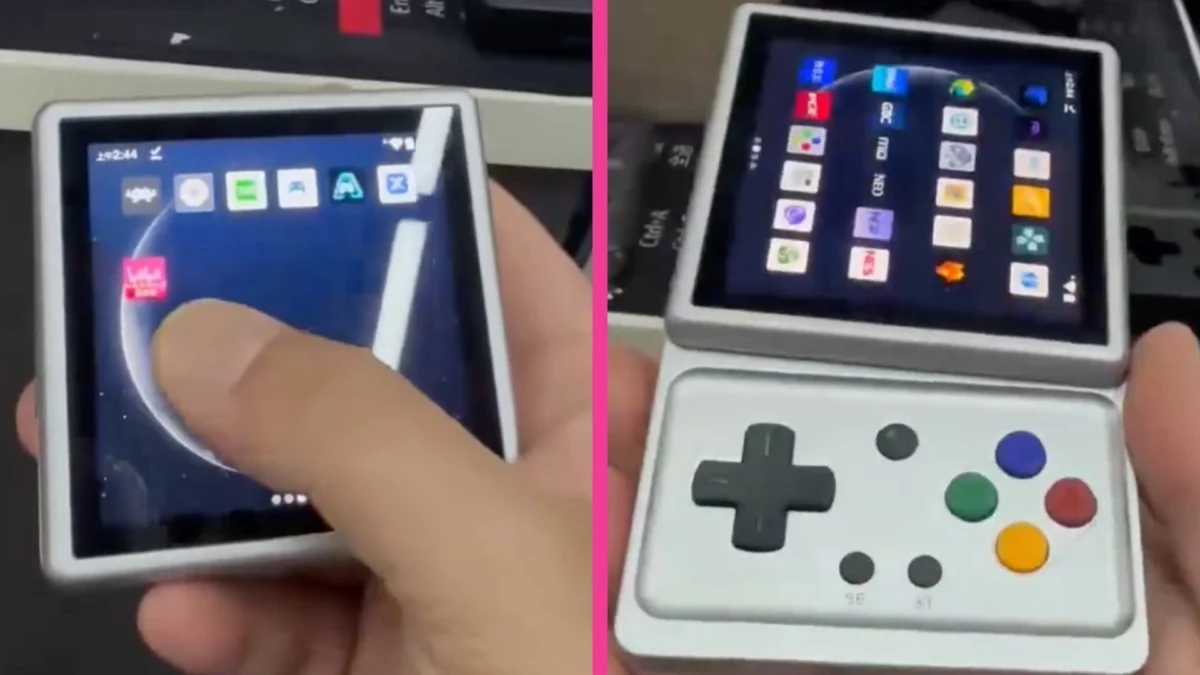
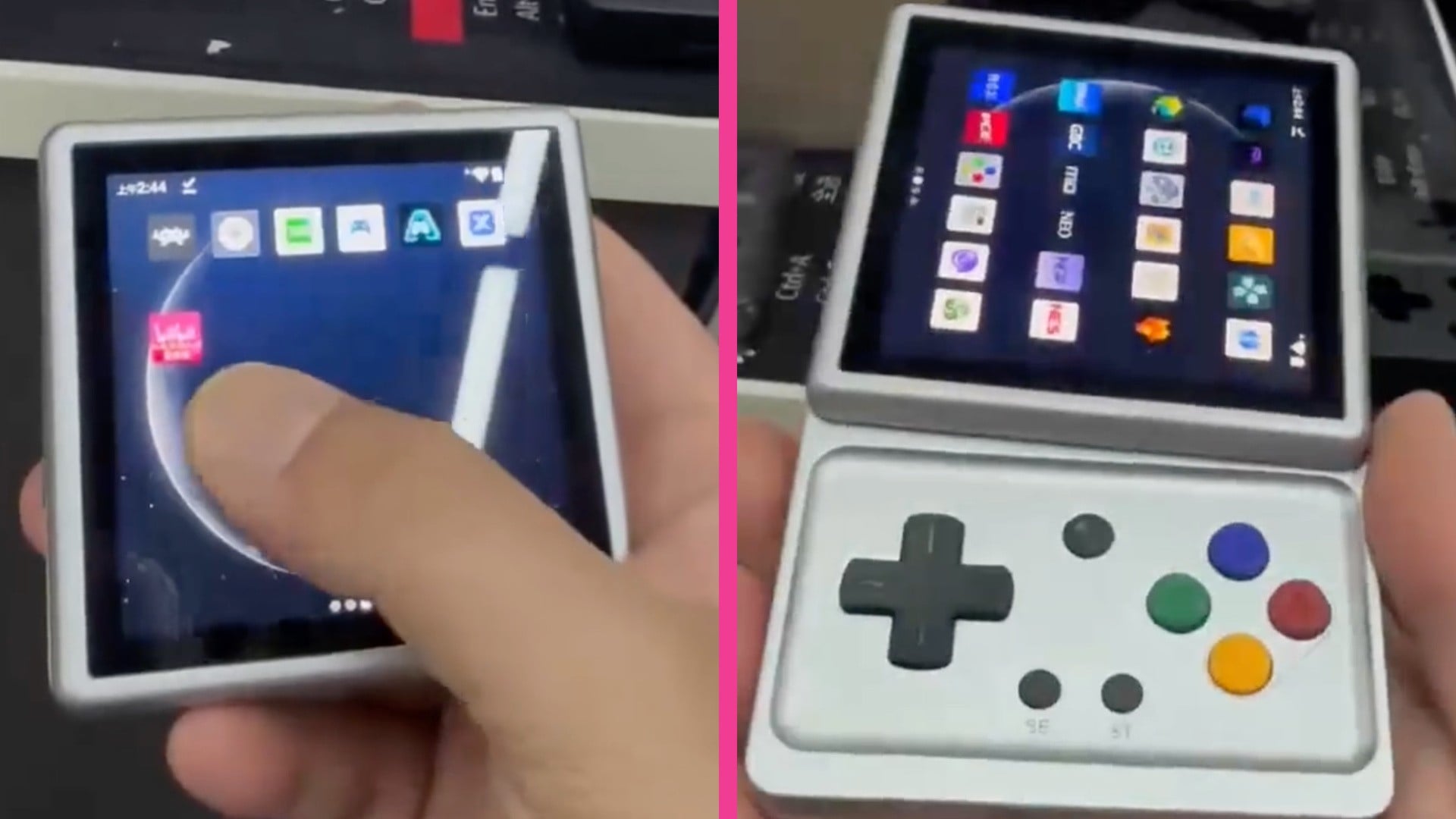
A recent leak has sent ripples through the retro gaming community, showcasing what appears to be an upcoming handheld emulation device from Anbernic that resurrects a distinctive design philosophy from the early 2000s: the rotating form factor. The prototype, glimpsed in an unofficial video, features a unique rotating section that reveals its controls, drawing immediate comparisons to experimental mobile phones of yesteryear, most notably the Motorola Flipout from 2010. This development, surfacing in early 2026, suggests that the pursuit of innovation in the burgeoning emulation handheld market might be circling back to unconventional aesthetics, driven by both a desire for differentiation and a potent wave of nostalgia.
Unpacking the Leak: A Glimpse into Anbernic’s Next Frontier
The initial revelation, first highlighted by Retro Dodo, presents a device with a 1:1 aspect ratio screen, a specification highly coveted by enthusiasts for accurately emulating classic arcade games and early console titles designed for square or near-square displays. The most striking feature, however, is the mechanical pivot that allows the screen portion to rotate, exposing a set of physical gaming controls. While details on internal specifications remain scarce, the advanced state of the prototype, as depicted in the leaked footage (credited to Qinki001 for the image), indicates that this concept is far beyond the drawing board and potentially on the cusp of official announcement or production.
The device’s design immediately evokes memories of a bygone era in mobile telephony, a period characterized by adventurous industrial design before the ubiquitous "slab" form factor of modern smartphones took hold. This rotating mechanism, reminiscent of devices like the Motorola Flipout, which itself was an Android-powered smartphone attempting to blend new technology with a retro-futuristic physical keyboard and swivel screen, signals a deliberate nod to a time when phone aesthetics were as diverse as their functionalities. The leak, though unofficial, has sparked considerable discussion online, pitting excitement for novelty against practical concerns regarding durability and ergonomics.
The Golden Age of Mobile Phone Design Experimentation (2000-2010)
To fully appreciate the significance of Anbernic’s potential new design, it is crucial to revisit the landscape of mobile phone design in the decade preceding the smartphone revolution. The early to late 2000s were a fertile ground for industrial designers and engineers, unconstrained by the dictates of a dominant touchscreen interface. Manufacturers competed fiercely not only on call quality or camera megapixels but equally on the physical form and tactile experience of their devices.
This era saw an explosion of diverse form factors, each attempting to solve different user needs or simply stand out in a rapidly expanding market.
- Flip Phones (Clamshells): Iconic devices like the Motorola Razr V3, Samsung E700, and Nokia 7200 epitomized elegance and portability. They offered screen protection, a satisfying "snap" when closing, and a compact footprint that belied their functionality. Their cultural impact was immense, becoming fashion statements as much as communication tools.
- Slider Phones: Devices such as the Nokia N95, Samsung D500, and Sony Ericsson W580i provided a larger screen experience while keeping a numeric keypad or even a full QWERTY keyboard discreetly tucked away. This form factor allowed for a larger display-to-body ratio without sacrificing physical input, making them popular for multimedia and messaging.
- Swivel/Rotate Phones: While less common than flips or sliders, swivel phones represented the zenith of mechanical ingenuity. The LG Chocolate (KG800) famously offered a sleek, minimalist design that revealed its keypad with a satisfying rotation. Other notable examples included the Nokia 7370, Samsung Juke (which rotated to reveal a tiny screen), and the aforementioned Motorola Flipout. These devices often aimed for a "wow" factor, providing novel ways to interact with the phone, whether it was revealing a QWERTY keyboard for advanced messaging or simply offering a unique aesthetic. The Siemens SX1, with its side-mounted keypad, also demonstrated unconventional thinking. This period was characterized by a playful approach to design, where form often challenged conventional function, creating highly memorable, albeit sometimes quirky, devices.
This rich tapestry of designs faded with the advent of the modern smartphone. Before 2007, the mobile phone was a canvas for radical ideas; afterward, it largely became a uniform pane of glass and metal.
The Rise of the "Fondleslab" and Design Homogenization
The introduction of Apple’s iPhone in 2007, followed rapidly by Google’s Android platform, marked a seismic shift in mobile phone design. The multi-touch, large capacitive touchscreen rendered physical keypads largely obsolete for mainstream devices. User interaction moved from tactile buttons to software-driven interfaces on expansive displays. This paradigm shift quickly led to the standardization of the "slab" or "fondleslab" form factor—a rectangular device dominated by its screen, with minimal physical buttons.
While this transition brought unparalleled user experience improvements, powerful computing capabilities, and a vast app ecosystem, it also led to a significant homogenization of design. Manufacturers largely converged on similar aesthetics, with differentiation moving from external form to internal specifications, camera capabilities, and software features. The experimental, mechanically complex designs of the 2000s largely disappeared from the mainstream market, deemed less practical, more expensive to manufacture, and less conducive to the new touchscreen-centric interaction model. The brief resurgence of foldable phones (e.g., Samsung Galaxy Fold, Motorola Razr 2019) in the late 2010s represented a modern attempt to reintroduce diverse form factors, though these serve different purposes and cater to a premium segment.
Anbernic and the Thriving Emulation Handheld Ecosystem
Anbernic has established itself as a leading brand in the rapidly expanding retro emulation handheld market. Known for a steady stream of devices like the RG35XX, RG335V, RG405M, and others, the company has carved out a significant niche by offering affordable, relatively powerful, and user-friendly devices capable of playing thousands of classic games from various platforms. This market has seen exponential growth over the past decade, driven by several factors:

- Nostalgia: A significant demographic of adult gamers seeks to relive childhood memories by playing games from their youth.
- Accessibility: Emulation devices make classic games accessible without needing original hardware, which can be expensive and difficult to maintain.
- Affordability: Compared to modern gaming consoles or high-end PCs, dedicated emulation handhelds offer a cost-effective entry point into a vast library of games.
- Technological Advancements: Miniaturized, powerful chipsets (like Rockchip and MediaTek) and improved open-source emulation software have made highly capable handhelds possible at competitive prices.
The current design landscape for emulation handhelds is largely dominated by two primary forms: the horizontal "Switch-like" layout (e.g., Retroid Pocket 3+, Steam Deck, Ayaneo devices) and the vertical "Game Boy-like" candy bar form factor (e.g., Miyoo Mini, Anbernic RG35XX). Innovation often centers on processor upgrades, screen quality, battery life, and software optimizations. Radical physical redesigns, especially those involving complex mechanical parts, are rare. This makes Anbernic’s leaked rotating device a significant departure from the norm.
Why Now? The Allure of Nostalgia, Differentiation, and Niche Appeal
The decision by Anbernic to explore a rotating form factor in 2026 can be attributed to a confluence of strategic considerations and market dynamics:
-
Nostalgia as a Potent Market Force: The core demographic for retro emulation handhelds is inherently driven by nostalgia. A device that not only plays retro games but also looks and feels like a relic from a fondly remembered era of technological design creates a powerful emotional connection. The rotating mechanism directly taps into the nostalgia for the diverse and often eccentric mobile phone designs of the 2000s, offering a unique selling proposition beyond just raw emulation power.
-
Market Saturation and Differentiation: The emulation handheld market, while growing, is becoming increasingly crowded. With numerous manufacturers offering devices with similar chipsets and conventional form factors, standing out is a challenge. A distinct and mechanically innovative design like a rotating screen offers a strong differentiator, making the product instantly recognizable and generating buzz. It positions Anbernic as an innovator willing to experiment, rather than just iterate on existing designs.
-
Ergonomic Benefits for Specific Emulation: The leaked device’s 1:1 aspect ratio screen is critical. Many classic arcade games (e.g., Pac-Man, Donkey Kong) and early console titles were designed for square or near-square displays. A 1:1 screen provides an authentic visual experience without black bars or stretched images. A rotating design could potentially offer:
- Screen Protection: When closed, the screen is shielded, enhancing portability and durability.
- Compactness: The closed form factor might be highly pocketable.
- Ergonomic Versatility: The rotating mechanism could allow for different grip styles or control layouts depending on the game being played, or even expose a full QWERTY keyboard for specific applications (though this is speculative without further details). It might also mimic the experience of holding a specific arcade control panel.
-
User Desire for Novelty: Retro gaming enthusiasts often appreciate unique hardware. Beyond raw performance, the "cool factor" of a distinctive device can be a significant draw for collectors and those who value industrial design.
Technical and Practical Considerations: Balancing Innovation with Reality
While the rotating design offers exciting possibilities, it also introduces several practical challenges that Anbernic would need to address to ensure market success:
-
Durability and Longevity: Mechanical moving parts, especially hinges and ribbon cables connecting the two halves, are inherent points of failure. Older rotating phones often suffered from wear and tear in these areas. Anbernic would need to engineer a robust mechanism capable of withstanding thousands of rotations over the device’s lifespan. This directly impacts user trust and long-term satisfaction.
-
Manufacturing Complexity and Cost: Incorporating a sophisticated rotating mechanism adds layers of complexity to the manufacturing process, potentially increasing production costs. This could translate to a higher retail price point, which might be a barrier for some consumers in a market often characterized by affordability.
-
Ergonomics in Gaming Mode: While the closed form factor might be compact, the open, gaming-ready form must offer comfortable ergonomics. Button placement, weight distribution, and overall grip comfort are paramount for extended play sessions. A poorly designed open state could negate the novelty of the rotating mechanism.
-
Weight and Bulk: Moving parts and the necessary structural reinforcement can add to the device’s overall weight and thickness compared to a solid, unibody design. Achieving a balance between a sturdy mechanism and a portable, lightweight device will be crucial.
-
Software Integration: The operating system (likely Android or a Linux-based custom firmware) would need to seamlessly handle the transition between closed and open states, potentially adjusting UI orientation or even activating/deactivating controls. While modern OSes are adept at screen rotation, the interaction with physical controls and different device states adds complexity.

-
Thermal Management: The compact nature of the device, coupled with the internal components generating heat during emulation, raises questions about how the rotating design affects airflow and heat dissipation. Efficient thermal management is essential to prevent throttling and ensure component longevity.
Market Reception and Broader Implications
The initial reaction from the retro gaming community is likely to be polarized. A segment will undoubtedly be thrilled by the novelty and nostalgic appeal, eager to embrace a device that breaks the mold. Another segment will voice concerns about the practicality, durability, and potential premium price tag associated with such a design, preferring more conventional, tried-and-tested form factors.
If successful, this device could signify a new wave of design experimentation in the emulation handheld market, encouraging other manufacturers to explore more diverse and mechanically interesting form factors. It could also solidify Anbernic’s reputation as a brand willing to push boundaries beyond mere specification bumps. Conversely, if the device suffers from durability issues or fails to resonate with a broad enough audience, it might serve as a cautionary tale against overly complex designs.
Ultimately, Anbernic’s leaked rotating handheld is more than just a potential new product; it is a fascinating intersection of technological nostalgia and contemporary hardware innovation. It asks whether the allure of a bygone era of design experimentation can successfully merge with the demands of modern portable gaming, potentially ushering in a more diverse and aesthetically rich future for handheld emulation. The gaming community eagerly awaits further official details to determine if this blast from the past can truly carve out a niche in the future.