Cecilia Chamidah Nur
The gaming community has been abuzz following the recent revelation that a modern-day sequel to Capcom’s highly acclaimed 1994 arcade classic, Aliens vs. Predator, was once actively pitched to publishers. Artist David Liu, known for his work on titles like River City Girls Zero and Space Maria, disclosed the ambitious concept, detailing the involvement of esteemed director and designer Bannon Rudis, a figure celebrated for his contributions to contemporary beat ’em up titles. This disclosure, accompanied by previously unseen concept art, has ignited a fervent response from fans, underscoring a persistent desire for a new iteration of the iconic crossover brawler.
The Unseen Sequel: A Dream Revealed
David Liu took to social media, specifically X (formerly Twitter), to unveil the comprehensive pitch he developed several years ago. The core of this initiative was to resurrect the spirit of Capcom’s original Aliens vs. Predator arcade game, adapting it for a contemporary audience while retaining the essence that made the original a genre benchmark. Crucially, Liu emphasized that the project’s most significant aspect was the envisioned leadership of Bannon Rudis, who was slated to direct and design the potential sequel.
Rudis’s pedigree in the beat ’em up genre is substantial. He helmed both critically acclaimed River City Girls titles for WayForward and played a key role in the development of 2017’s River City Ransom: Underground and Double Dragon Neon. His expertise lies in modernizing classic arcade mechanics for a new generation, a skill set perfectly aligned with the aspirations for an Aliens vs. Predator revival. Liu articulated his profound trust in Rudis’s game design acumen, citing his deep admiration for Capcom’s legacy and a genuine passion for the Predator franchise as foundational elements that lent immense credibility to their collaborative vision.
Liu described their joint effort, stating, "He and I worked on this pitch together, and I owe all of the praise to him for guiding me through the artwork I made for the concept." He further elaborated on Rudis’s suitability, remarking, "He’s a big Capcom nut and huge Predator fan, which gave so much credibility to the design he was creating for this idea. I trust him with my entire being with game design and love working with him on projects." The shared enthusiasm and complementary skills of Liu, a talented artist whose credits also include Panzer Paladin and Shantae and the Seven Sirens, and Rudis, a proven genre revitalizer, formed the bedrock of this compelling, albeit unrealized, proposal.
A Legacy Forged in Arcades: The Original’s Enduring Appeal
The 1994 Aliens vs. Predator arcade game, developed and published by Capcom, holds a revered status among aficionados of the side-scrolling beat ’em up genre. Released on the company’s powerful CP System II (CPS-2) arcade board, it was a technical marvel for its time. The CPS-2, known for its vibrant color palette, intricate sprite work, and robust sound capabilities, allowed Capcom to push the boundaries of arcade graphics and gameplay. Aliens vs. Predator capitalized on this hardware, presenting fluid animations, detailed character models, and dynamic environments that brought the grim, futuristic worlds of the Alien and Predator franchises to life with unprecedented fidelity.
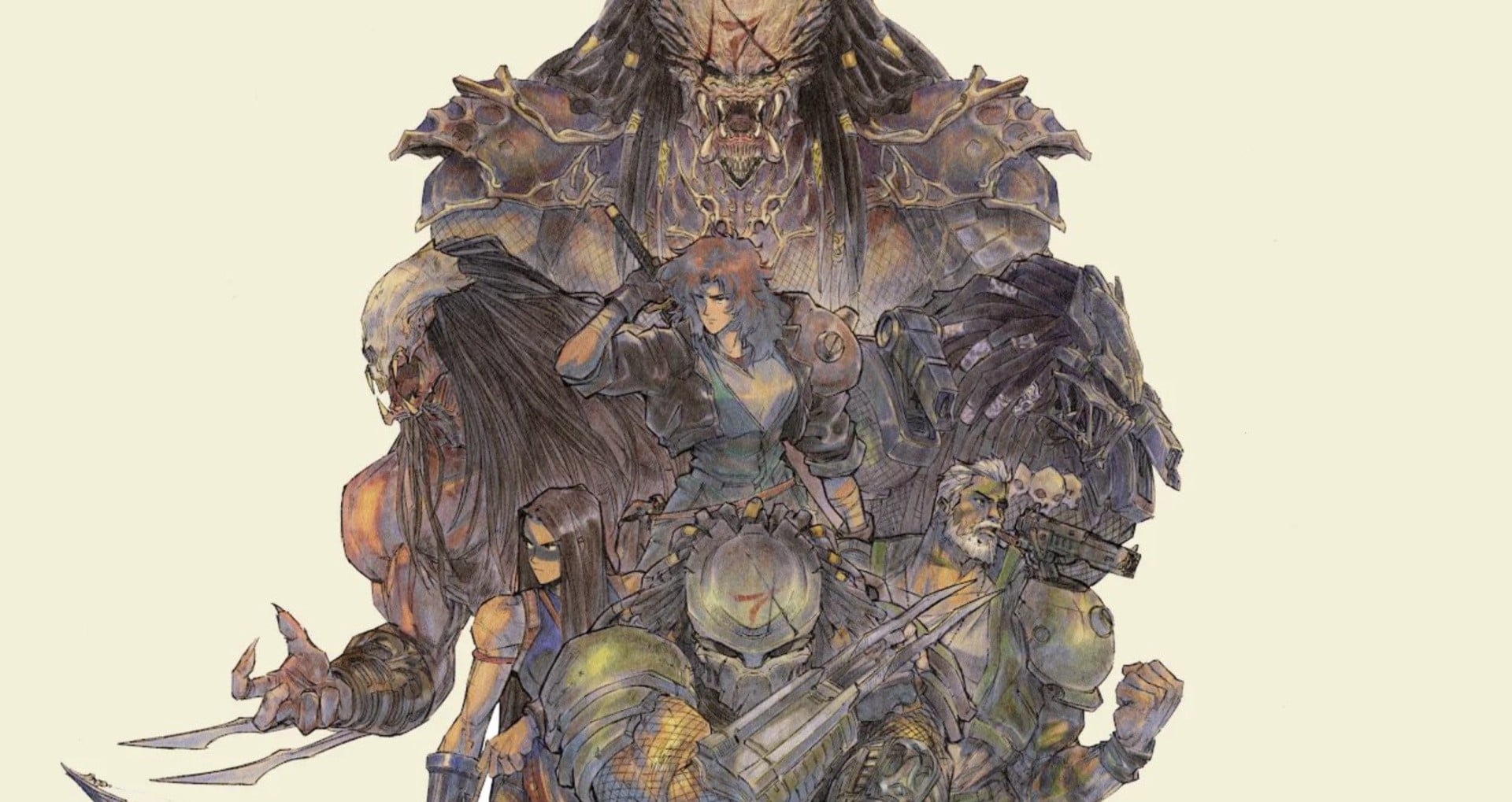
The game immersed players in a frantic struggle against hordes of Xenomorphs and rogue human mercenaries, culminating in encounters with powerful Predator adversaries. Players could choose from a diverse roster of characters: Major Dutch Schaefer, a cybernetically enhanced human resembling Arnold Schwarzenegger’s character from the original Predator film; Lieutenant Linn Kurosawa, a katana-wielding cyborg; and two distinct Predator warriors, one a Hunter and the other a Warrior. Each character boasted unique move sets, special attacks, and playstyles, encouraging replayability and cooperative multiplayer.
What truly elevated Aliens vs. Predator was its masterful integration of the source material. Capcom meticulously incorporated iconic creatures, weaponry, and thematic elements from both film series, crafting a narrative that felt authentic to the lore while delivering exhilarating arcade action. The visceral combat, satisfying enemy feedback, and challenging boss battles cemented its reputation as a classic.
Despite its critical acclaim and popularity in arcades, the game suffered from a peculiar fate: it was never officially ported to any home console system. This absence created a significant void for console gamers and collectors, contributing to its cult status. The reasons for this omission are widely believed to stem from complex licensing agreements between Capcom and 20th Century Fox (now owned by Disney), which likely made a home conversion economically or logistically prohibitive at the time. This licensing hurdle has historically plagued many beloved arcade titles based on major film properties.
Today, the only legal means of experiencing this arcade masterpiece in a home setting is through the Capcom Home Arcade system, a dedicated plug-and-play device released in 2019. While a commendable effort to preserve arcade heritage, the Capcom Home Arcade remains a niche product, often cited for its premium price point and limited availability. This exclusivity only amplifies the widespread demand for a more accessible, and perhaps reimagined, version of the game.
The Architects of Revival: Liu and Rudis’s Vision
The collaborative dynamic between David Liu and Bannon Rudis was pivotal to the proposed sequel’s vision. Rudis, with his extensive background in revitalizing the beat ’em up genre, brought invaluable design expertise. His work on the River City Girls series, developed by WayForward, showcased a profound understanding of how to honor the roots of classic brawlers while introducing modern sensibilities, fluid combat, and engaging narratives. These games successfully blended retro pixel art aesthetics with contemporary animation and gameplay mechanics, earning praise for their stylish presentation and addictive action. Rudis’s earlier involvement with River City Ransom: Underground and Double Dragon Neon further cemented his reputation as a master of the genre, capable of delivering experiences that resonate with both nostalgic fans and new players.
Liu’s role as an artist and visual storyteller provided the aesthetic foundation for the pitch. His portfolio, spanning titles like River City Girls Zero, Panzer Paladin, and Shantae and the Seven Sirens, demonstrates a versatility in adapting different art styles while maintaining a high level of visual polish and character expressiveness. For the Aliens vs. Predator concept, Liu’s artwork aimed to capture the gritty, atmospheric essence of the films combined with the dynamic, stylized action typical of Capcom’s arcade output. The synergy between Rudis’s design philosophy and Liu’s artistic direction promised a sequel that would be both reverent to its origins and boldly innovative. Their shared passion for Capcom’s legacy and the iconic Alien and Predator universes created a compelling proposition that sought to tap into a wellspring of latent fan demand.
The Challenge of Resurrection: Licensing and Market Dynamics

Bringing a licensed property like Aliens vs. Predator back to life, especially one involving two major film franchises, is fraught with complexities. The intellectual property (IP) for Alien and Predator is owned by 20th Century Fox, which is now a subsidiary of The Walt Disney Company. Licensing agreements for such high-profile IPs are notoriously intricate, often involving significant upfront costs, ongoing royalty payments, and stringent creative oversight from the licensor. Any prospective developer or publisher would need to navigate these demanding negotiations, ensuring the proposed game aligns with Disney’s broader strategic vision for its properties. While Disney has shown increasing openness to licensing its IPs for video games in recent years, particularly for titles that respect established lore, the financial and creative hurdles remain substantial.
From Capcom’s perspective, greenlighting a project like this would involve a careful assessment of market viability versus development costs. While the beat ’em up genre has seen a resurgence with successful titles like Streets of Rage 4 and Teenage Mutant Ninja Turtles: Shredder’s Revenge, it remains a niche compared to other genres. Publishers typically weigh the projected sales of such a title against the substantial investment required for development, marketing, and crucially, the expensive IP licensing fees. Capcom has historically focused on its core franchises (e.g., Street Fighter, Resident Evil, Monster Hunter), and investing in a licensed revival might be perceived as a higher risk, despite the clear fan enthusiasm.
The current landscape of game development also plays a role. While digital distribution platforms make it easier for niche titles to find an audience, securing the necessary budget for a high-quality licensed game still requires significant publisher backing. The success of modern retro-inspired titles, many of which are developed by independent studios with smaller budgets or through crowdfunding, demonstrates a clear market, but also highlights the agility and risk-taking often required outside of major corporate structures. The Aliens vs. Predator pitch, therefore, likely faced not only the specific challenges of its dual IP but also broader industry trends regarding investment in licensed retro revivals.
Fanfare and Frustration: The Community’s Voice
The moment David Liu publicly shared the concept art and details of the Aliens vs. Predator sequel pitch, the response from the gaming community was immediate and overwhelmingly positive. Social media platforms, gaming forums, and enthusiast websites quickly amplified the news, with countless fans expressing a mixture of excitement, nostalgia, and a renewed sense of hope. The collective sentiment was clear: a modern, high-quality sequel to Capcom’s arcade classic is a deeply desired project.
Liu himself acknowledged this tremendous fan reaction, stating, "Thousands of people can’t be wrong for wanting this." This quote encapsulates the widespread belief that such a project holds significant appeal and potential for commercial success, driven by a dedicated fanbase. For many, the original Aliens vs. Predator arcade game represents a pinnacle of its genre and a missed opportunity for home console players. The idea of Rudis and Liu bringing their combined talents to such a revival resonated strongly, as both creators have a proven track record of delivering engaging experiences within the beat ’em up space.
However, Liu’s statement was also tempered with a degree of realism, reflecting the often-disappointing nature of game development pitches. He admitted, "I’ve been jaded so much over the years, I’m not holding my breath." This candid remark speaks to the harsh realities of the industry, where brilliant concepts often fail to materialize due to various factors beyond creative merit, such as licensing complexities, market projections, or shifting corporate priorities. The fan enthusiasm, while powerful, often struggles to overcome these entrenched business considerations. The collective voice, while louder than ever in the age of digital communication, still requires significant momentum to sway major publishers and IP holders.
Broader Implications for Retro Gaming and IP Management
The story of the unmade Aliens vs. Predator sequel pitch offers several broader implications for the retro gaming landscape and intellectual property management. Firstly, it underscores the enduring cultural and commercial value of classic video games, even those that have remained largely inaccessible to modern audiences. The fervent response to Liu’s reveal demonstrates that nostalgia, when coupled with a credible vision for revival, can translate into significant consumer interest. This suggests that major publishers, particularly those with vast back catalogs like Capcom and Disney, may be underutilizing valuable assets within their IP portfolios.
Secondly, the situation highlights the crucial role of passionate artists and designers in identifying and articulating the potential for dormant IPs. Liu and Rudis, through their independent initiative, effectively showcased a viable path for a beloved classic to find new life. Their efforts serve as a testament to how creative vision, even when originating outside of large corporate mandates, can generate significant public demand and reveal untapped market opportunities.
Finally, the incident raises important questions about how publishers and IP holders manage their legacy content and respond to fan-driven movements. In an era where player communities wield increasing influence, the challenge lies in balancing commercial viability with the preservation and evolution of beloved franchises. While the complexities of licensing and development are undeniable, the overwhelming public desire for a modern Aliens vs. Predator brawler suggests that opportunities for high-quality, genre-defining revivals continue to exist, waiting for the right confluence of creative talent, business acumen, and a willingness to engage with passionate fanbases.
Looking Ahead: A Glimmer of Hope?
While the pitch for a modern Aliens vs. Predator sequel did not progress "several years ago," its public disclosure has undoubtedly reignited discussions and showcased the immense, enduring demand for such a title. David Liu’s hope that "we are able to talk to the right people" suggests that the dream is not entirely extinguished. In an industry increasingly responsive to fan sentiment and the proven success of retro revivals, the possibility, however slim, remains that this concept could one day find its champion. The legacy of Capcom’s 1994 arcade masterpiece, coupled with the proven talent of creators like Bannon Rudis and David Liu, continues to fuel the collective imagination, proving that for some classics, the fight for a second life is far from over.