Cecilia Chamidah Nur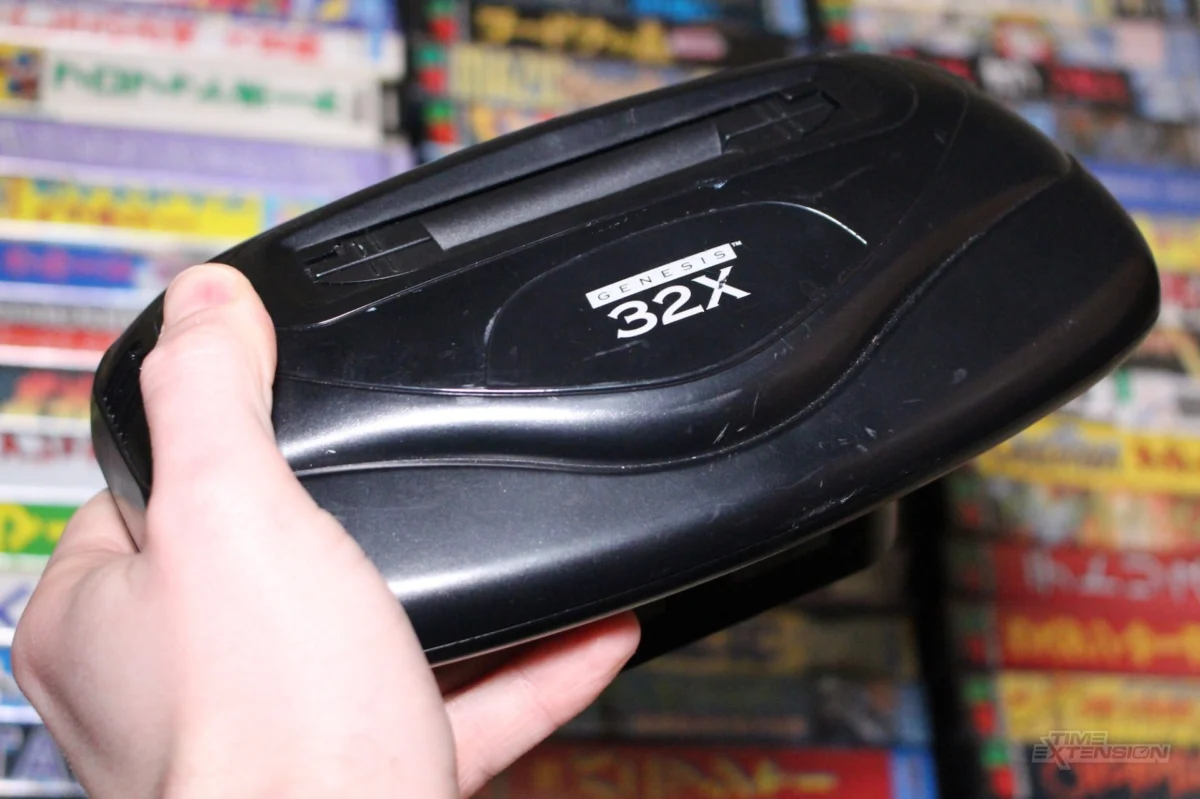
In a significant resurgence for the dedicated retro gaming community, veteran homebrew developer Jenovi has announced a formidable trio of new projects for the Sega 32X, a console accelerator often regarded as one of Sega’s more enigmatic hardware ventures. After a notable period of absence from the scene, Jenovi’s return marks a vibrant moment for enthusiasts of the mid-90s add-on, with his announcements spanning a crucial localization effort, a brand-new puzzle title, and an exceptionally ambitious Elite-style space exploration game that pushes the boundaries of the 32X’s capabilities. The most prominent of these, SignalFall, promises a deep, immersive experience rarely seen on such vintage hardware, underscoring the enduring passion and ingenuity within the homebrew development sphere.
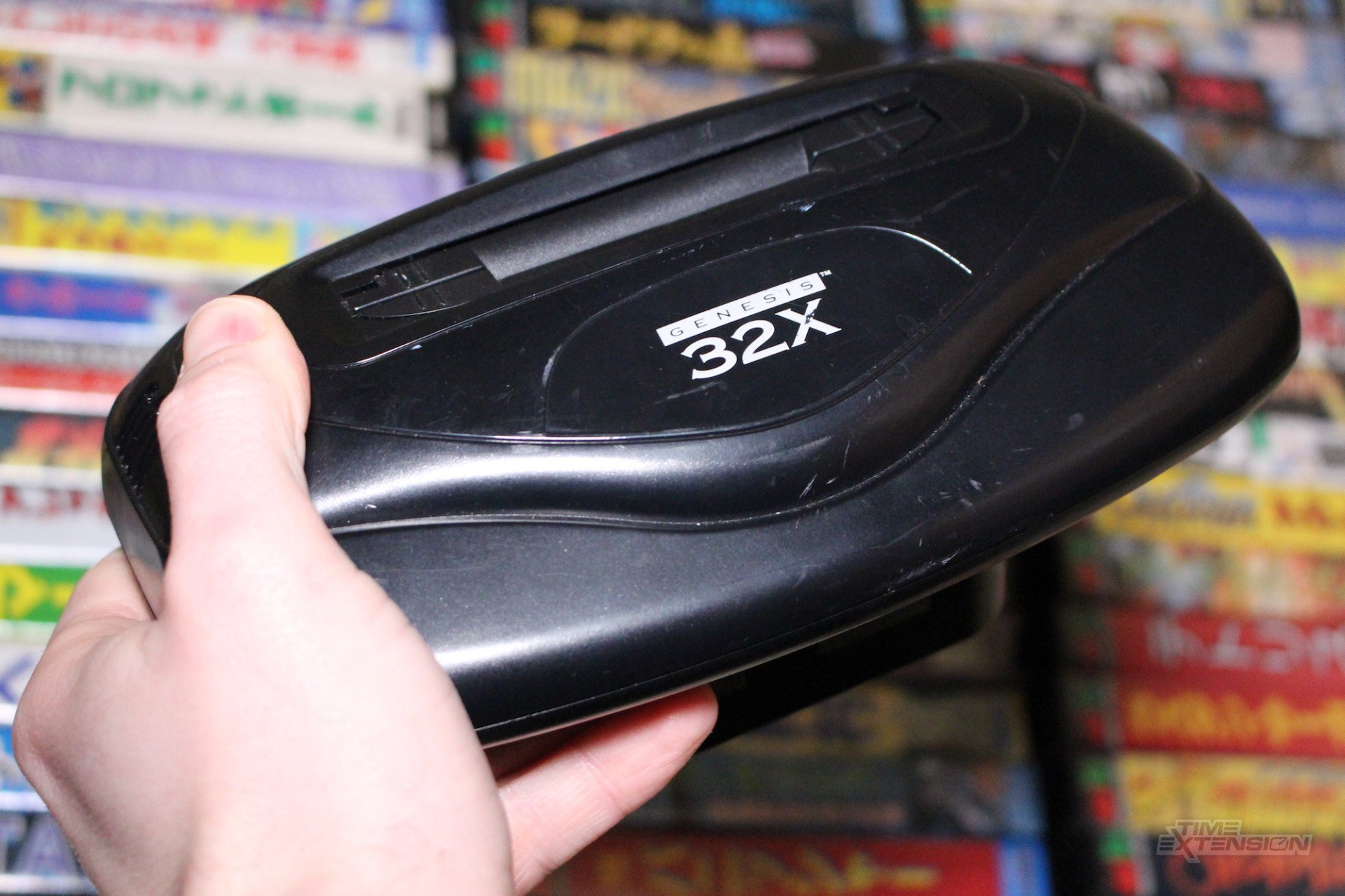
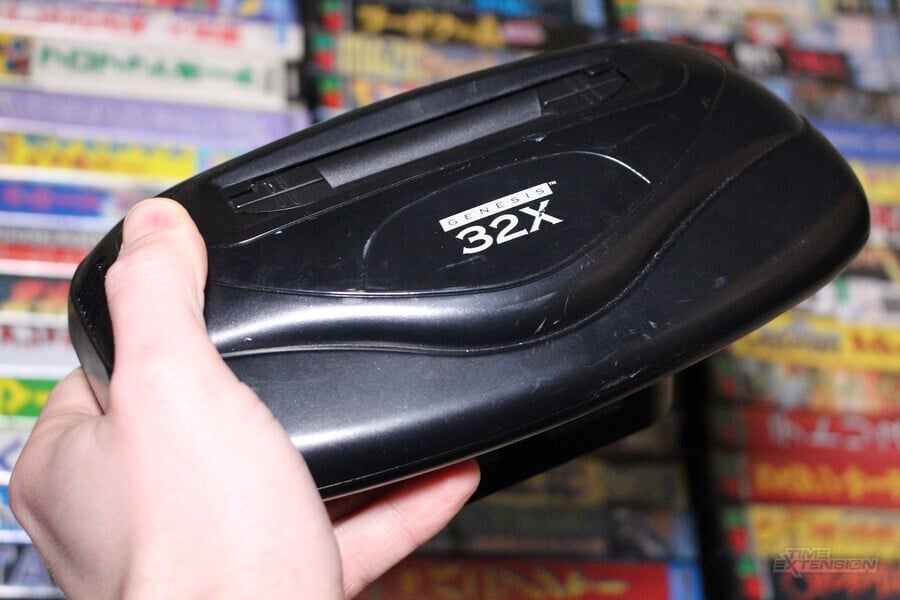
The announcement has sent ripples of excitement through the Sega fandom, particularly given the 32X’s unique place in gaming history. Launched in late 1994, the 32X was Sega’s attempt to bridge the gap between the 16-bit Genesis/Mega Drive era and the nascent 32-bit generation of consoles, primarily the Sega Saturn. Designed to boost the Genesis’s graphical prowess with two 32-bit RISC processors and enhanced video capabilities, it struggled to find a foothold in a rapidly evolving market. Its short lifespan and limited game library, often criticized for failing to fully utilize its potential, have paradoxically made it a fascinating challenge for modern homebrew developers. Jenovi’s new suite of projects not only adds fresh content but also re-examines what is technically feasible on this oft-misunderstood system.
The Enduring Legacy of the Sega 32X
To fully appreciate the scope of Jenovi’s endeavors, it is essential to understand the context of the Sega 32X. Released globally in November 1994 (North America) and January 1995 (Europe and Japan), the 32X was an accessory for the Sega Genesis/Mega Drive. It boasted two Hitachi SH2 32-bit RISC processors, which were the same CPUs used in the Sega Saturn, though clocked at a lower speed (23 MHz vs. 28.6 MHz). It also featured a new video display processor capable of rendering 32,768 colors simultaneously from a palette of 262,144, alongside improved sprite and background scaling/rotation capabilities. However, its brief retail life, ceasing production in 1996, and a total official library of only 40 titles meant that its potential was largely untapped. Many titles were simply enhanced versions of Genesis games or arcade ports, failing to showcase true 32-bit innovation. This legacy of unfulfilled promise is precisely what attracts homebrew developers like Jenovi, who see the hardware as a canvas for new and challenging creations, often surpassing the technical ambitions of original commercial releases. The current thriving homebrew scene for retro consoles demonstrates a collective commitment to preservation, creative exploration, and extending the life of beloved, albeit sometimes commercially unsuccessful, hardware.
Jenovi’s Return: A Homebrew Veteran’s New Frontier
Jenovi, a name recognized within the niche but passionate retro development community, has been absent from the public eye for an unspecified period. His return with three concurrent projects signals not only a renewed dedication but also a substantial investment of time and expertise. Homebrew development for systems like the 32X is a labor of love, often undertaken by individuals or small teams outside of traditional commercial frameworks. It requires deep technical knowledge of obsolete hardware architectures, mastery of assembly language or specialized compilers, and an unyielding commitment to problem-solving. Jenovi’s ability to tackle projects of this scale, particularly the complex real-time 3D rendering required for SignalFall, solidifies his standing as a highly skilled and respected figure in this specialized field. His previous contributions, though not explicitly detailed in the initial announcement, have evidently established a reputation for quality and technical proficiency, making his latest endeavors eagerly anticipated.
Project 1: Bridging Language Barriers with Sangokushi IV
The first of Jenovi’s announced projects is an English translation of Koei’s Sangokushi IV, a strategic simulation game based on the historical Romance of the Three Kingdoms novel. Originally released in Japan, Sangokushi IV never received an official Western localization for the 32X, leaving English-speaking fans of the series unable to fully engage with this particular iteration on the platform. Koei, now Koei Tecmo, is renowned for its historical strategy games, and the Sangokushi series has a dedicated global following. The absence of an English version for the 32X port has long been a gap for collectors and players.
Translation projects for retro games are intricate undertakings. They involve extracting text from the game’s ROM, translating it, and then re-inserting the new text while ensuring it fits within the original memory constraints and display parameters. This often requires custom tools and extensive debugging to prevent crashes or graphical glitches. Jenovi’s commitment to translating Sangokushi IV addresses a long-standing demand, making a piece of gaming history accessible to a broader audience. This effort is vital for game preservation, as it ensures that culturally significant titles, previously confined by language barriers, can be experienced and appreciated by future generations of gamers and historians alike. It not only expands the playable library of the 32X but also contributes to the global understanding of Japanese gaming culture.
Project 2: Meld – The Puzzler that Paved the Way
The second project unveiled by Jenovi is Meld, a brand-new puzzler developed specifically for the Sega 32X. While details on Meld‘s specific gameplay mechanics remain sparse, the developer notes that its creation played a crucial role in the development of his most ambitious title, SignalFall. This suggests that Meld might have served as a proving ground for new programming techniques, graphics routines, or engine components that were later scaled up or adapted for the more complex space exploration game.
Puzzlers have a rich history across all gaming platforms, known for their ability to offer engaging experiences with often simpler graphical requirements, relying instead on clever mechanics and intuitive design. Developing a new title from scratch for a retro console presents its own set of challenges, from understanding the hardware’s sprite and background limitations to optimizing code for older processors. The fact that Meld is a completely original title, rather than a port or translation, highlights Jenovi’s creative drive. Its role as a foundational project for SignalFall also offers insight into the iterative and often interconnected nature of homebrew development, where smaller projects can serve as vital stepping stones for larger, more complex undertakings.
Project 3: SignalFall – A New Horizon in 32X Space Exploration
Without a doubt, the centerpiece of Jenovi’s announcements is SignalFall, an Elite-style space exploration game. The comparison to Elite, the seminal 1984 space trading and combat game, immediately signals a high level of ambition. Elite, developed by David Braben and Ian Bell, pioneered open-world gameplay, procedural generation, and complex economic systems, setting a benchmark for the genre. For Jenovi to aim for such an experience on the Sega 32X is a monumental technical and design challenge.
Embracing the Elite Legacy:
Jenovi describes SignalFall with a philosophical depth: "You’re a pilot, and you experience the universe through a ship that you can never leave." This immediately establishes a highly immersive, first-person perspective, emphasizing the isolation and self-reliance inherent in deep space exploration. The core philosophy, "It’s not about being a hero. It’s about reading the situation and making the best choices that you can based on how you see the world," suggests a focus on survival, resource management, and strategic decision-making over conventional combat heroics. Players will rely on their ship’s instruments, viewfinder, scanner, and comms, making information interpretation and navigation paramount. This design ethos aligns perfectly with the spirit of Elite, where players forge their own path in a vast, indifferent universe, whether as traders, miners, pirates, or explorers.
Technical Feat on Constrained Hardware:
One of the most striking claims for SignalFall is that "everything you see in the viewfinder is real-time 3D." This is an extraordinary undertaking for the 32X. While the 32X was designed to handle 3D graphics, its capabilities were modest compared to later 32-bit consoles. Early 32X 3D titles like Virtua Fighter and Star Wars Arcade utilized flat-shaded polygons and often struggled with frame rates, even in relatively simple environments. Developing a vast, explorable universe with real-time 3D rendering on this hardware requires incredible optimization, clever programming tricks, and a deep understanding of the SH2 processors and the 32X’s limited memory (2MB of RAM, plus additional video RAM). The ambition to render a dynamic, real-time 3D space environment with potentially complex celestial bodies and other ships pushes the hardware to its absolute limits, potentially redefining what was thought possible on the system.
Immersive Gameplay and Unique Features:
Jenovi confirms that the game is "past the prototype stage" and already allows players to "fly, dock, and navigate between points of interest and interact with the world." These are the foundational elements of any space simulation, suggesting that the core engine and interaction loops are functional. The ability to dock, navigate, and interact implies rudimentary trading, mission acceptance, and communication systems are already in place.
Perhaps one of the most intriguing and unique features mentioned is the presence of an "in-universe game console inside your ship where you can collect and play full standalone games. Not mini games, actual titles." This meta-gaming layer adds incredible depth and replayability. It could serve multiple purposes: a source of entertainment during long voyages, a means to earn extra credits, or even a narrative device. The inclusion of "actual titles" rather than simple mini-games suggests a significant amount of additional content, potentially harkening back to the concept of games within games, offering a novel twist on the traditional space sim experience.
Development Milestones and Future Roadmap:
Jenovi provides a clear outline of the project’s status and future trajectory. "On the design side, the world and systems are fully defined. On the implementation side, flight, docking, trade, interaction, and all the core systems are working." This indicates that the architectural framework is robust and many fundamental gameplay elements are functional. The remaining tasks are equally significant, focusing on expanding and refining the experience: "expansion, deepening the economy, building out faction behavior, expanding upgrades, and finishing the narrative layer that ties everything together."
- Deepening the Economy: Essential for an Elite-style game, a complex economy with supply and demand, fluctuating prices, and various goods will drive player engagement and strategic trade routes.
- Building out Faction Behavior: The presence of different factions (e.g., traders, pirates, law enforcement, corporate entities) with distinct behaviors, allegiances, and territories will create a dynamic and believable universe where player actions have consequences.
- Expanding Upgrades: Ship customization and upgrades are critical for player progression and personalization, allowing pilots to adapt their vessels for combat, trade, or exploration.
- Finishing the Narrative Layer: While Elite was famously open-ended, a compelling narrative can provide direction, motivation, and a sense of purpose for players who desire more structure. Integrating a story into such an open-world framework is a delicate balancing act.
These remaining development phases suggest that while the core infrastructure is complete, a substantial amount of work lies ahead to flesh out the universe and deliver a truly rich experience.
The Broader Impact on Retro Gaming
Jenovi’s ambitious 32X projects, particularly SignalFall, hold significant implications for the broader retro gaming community.
- Revitalization of the 32X: These projects could reignite interest in the Sega 32X, encouraging more players to dust off their old hardware or even seek out the console for the first time. This influx of attention could stimulate the market for 32X hardware and existing games, and potentially inspire other developers to tackle the system.
- Showcasing Homebrew Potential: SignalFall stands as a testament to the ingenuity and perseverance of homebrew developers. It challenges preconceptions about what older hardware is capable of, demonstrating that with enough skill and dedication, developers can create experiences that rival or even surpass original commercial releases in terms of scope and technical prowess.
- Game Preservation and Accessibility: The Sangokushi IV translation contributes directly to game preservation by making a previously inaccessible title available to a wider audience. Homebrew efforts often fill gaps left by official publishers, ensuring that gaming history remains alive and playable.
- Community Engagement: Such announcements foster strong community engagement, as players eagerly follow development updates, offer support, and discuss the potential of these new titles. This vibrant interaction is crucial for the continued health and growth of the retro gaming scene.
- Economic Implications: While homebrew is often non-commercial or small-scale, successful projects can lead to physical cartridge releases, often produced in limited runs for collectors. These releases not only provide a tangible product for fans but also can generate revenue to support future development.
The retro gaming landscape is not merely about nostalgia; it is a dynamic ecosystem fueled by passionate individuals like Jenovi who are committed to pushing boundaries, preserving history, and creating new experiences on classic hardware. The ambitious nature of SignalFall on the Sega 32X serves as a powerful reminder that innovation is not exclusive to modern platforms, and that the spirit of exploration, both in game worlds and in development, continues to thrive within the heart of the gaming community. As Jenovi continues to progress on these fascinating projects, the eyes of the retro gaming world will undoubtedly be watching, eager to witness the next chapter in the Sega 32X’s unexpected and exciting journey.