 Farhan hamdan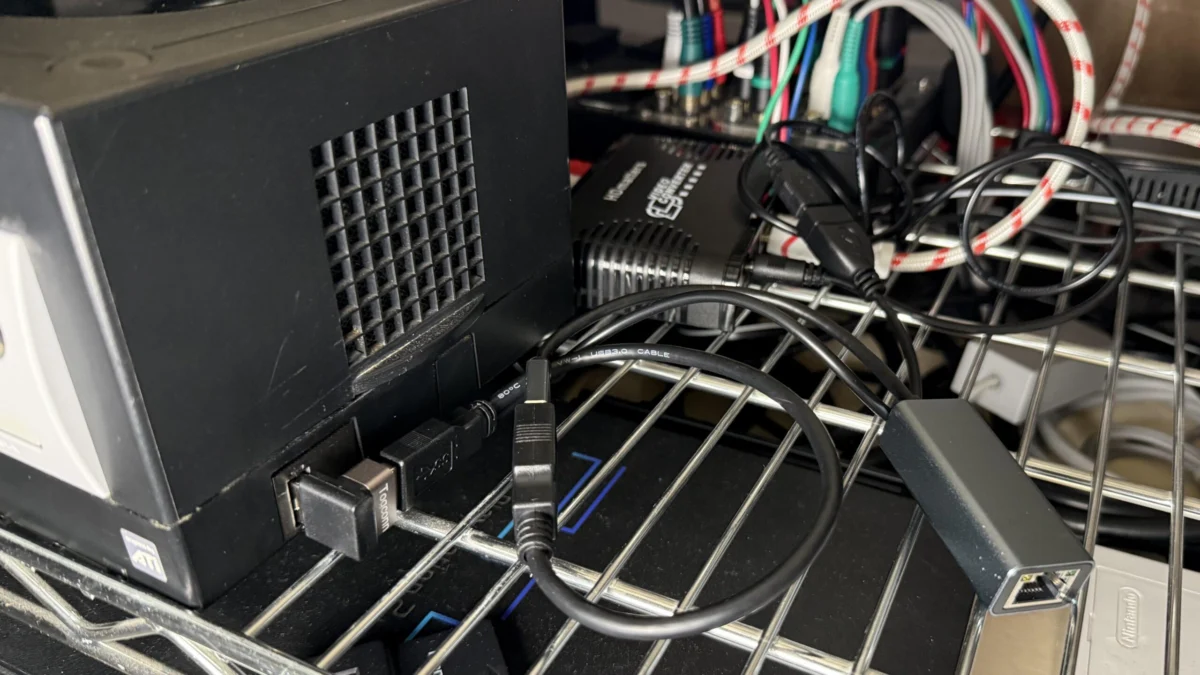
The intersection of retro hardware modification and modern connectivity solutions continues to evolve as enthusiasts find ingenious ways to bridge legacy consoles with contemporary peripherals. Recently, a notable configuration has emerged within the retro gaming community that solves a long-standing technical hurdle for Nintendo GameCube owners utilizing high-definition cathode-ray tube (HD CRT) displays. By combining plug-and-play digital-to-analog conversion, custom internal USB modifications, and specialized power-routing hardware, technical specialists have successfully created a versatile GameCube setup capable of simultaneous high-definition video output, high-speed Ethernet networking, and seamless integration with automated video switching equipment.
Main Facts of the Configuration
The core objective of this specialized hardware configuration is to address a specific dilemma faced by retro gamers who utilize HD CRT carts configured primarily for 480p output. Original Nintendo GameCube component video cables command exceptionally high prices on the secondary market due to their scarcity and the specialized digital-to-analog encoder chip embedded inside the original first-party cable housing. While alternative modern component solutions exist—such as the Prism Component cable—enthusiasts who routinely perform HDMI testing require a flexible system that can output both digital and analog signals without necessitating a redundant hardware ecosystem.
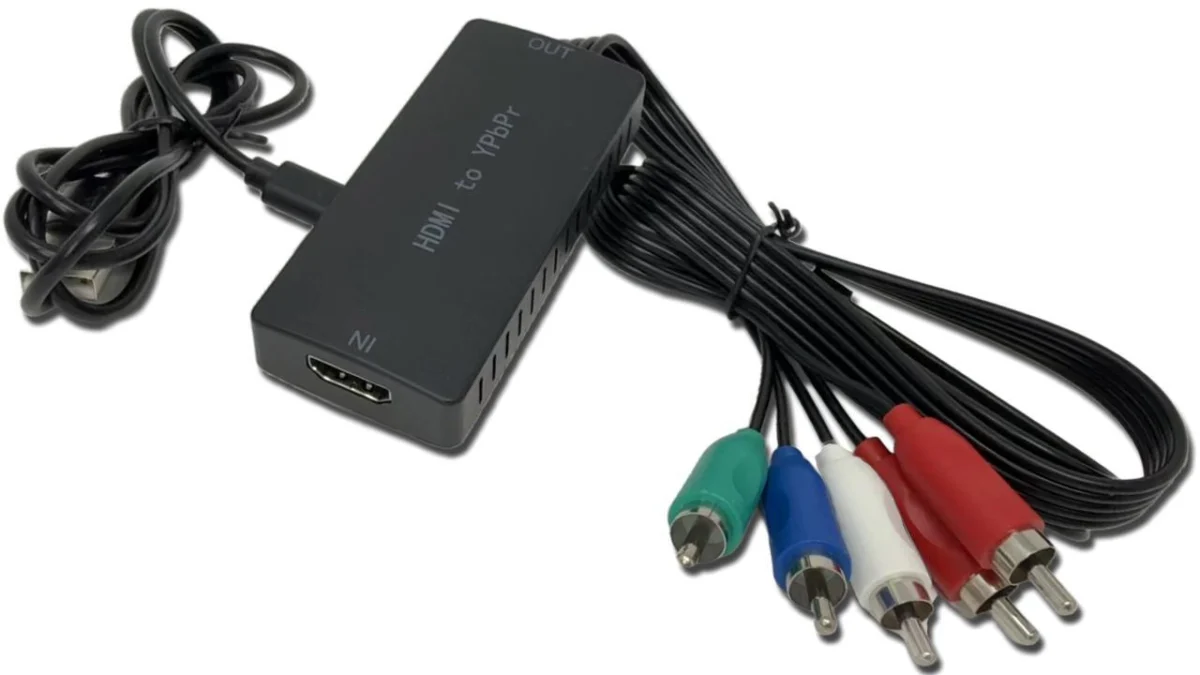
To achieve this, the configuration relies on the Insurrection Industries Carby, a widely favored plug-and-play GCVideo solution that extracts digital audio and video directly from the GameCube’s Digital AV Out port. However, routing this setup into an existing component video auto-switch intended for an HD CRT cart introduced a complex power-management conflict. Budget-friendly HDMI-to-YPbPr digital-to-analog converters (DACs) require external electrical power to operate. When permanently connected to an active AC power source, these DACs continuously feed a live signal into component video auto-switches. Consequently, the auto-sensing switch perceives the port as permanently active, locking the input channel and preventing other connected retro consoles from functioning correctly unless the DAC is manually unplugged or managed via an inline switch.
Chronology of Technical Problem-Solving
The development of this streamlined setup followed a precise iterative troubleshooting process to resolve hardware conflicts between video conversion and network connectivity.
Initial Setup Phase: The enthusiast integrated the GameCube into an existing HD CRT cart routed through an automatic component video switcher. Rather than investing in scarce original component cables or redundant cabling options, the Insurrection Industries Carby HDMI adapter was paired with an affordable external HDMI-to-YPbPr DAC. While this successfully converted the digital signal to analog component video, the constant external power requirement of the DAC disrupted the auto-switcher’s ability to cycle between inputs when the GameCube was powered down.
Internal USB Integration: To eliminate the need for external wall power, the configuration utilized a Makstech USB Dolphin (USB-SP1) modification installed directly inside the GameCube. This internal modification routes USB functionality to the console. Powering the DAC via the USB Dolphin successfully resolved the auto-switcher conflict, as the DAC would now only draw power when the console itself was powered on.
The Networking Dilemma: With the DAC drawing power from the USB Dolphin port, the user attempted to simultaneously integrate a compatible USB Network Interface Card (NIC) to provide the console with high-speed Ethernet capabilities. Initial attempts to utilize a standard USB Y-cable hub failed because the USB Dolphin architecture does not natively support multi-port USB hubs. While both peripheral devices received electrical power, the host system failed to detect the network adapter, rendering data transmission impossible.
The Hardware Resolution: The breakthrough came through the implementation of a specialized Single Data, Dual Power Splitter. This device allows a true USB 3.0 data stream from the NIC to pass directly through the primary data lines without degradation or hub overhead, while branching off isolated electrical power to feed the DAC. Coupled with a 90-degree USB 3.0 right-angle adapter to maintain a low physical profile, the setup achieved full functionality without cable interference or port obstruction.

Supporting Data and Hardware Component Breakdown
Implementing a configuration of this complexity requires precise hardware components, each selected for specific performance metrics and technical compatibility:
Insurrection Industries Carby: A proven plug-and-play HDMI solution for the Nintendo GameCube that taps into the console’s digital AV port, delivering clean, uncompressed digital video and audio.
Budget HDMI to YPbPr DAC: An external digital-to-analog converter that translates the digital HDMI output of the Carby into an analog component video (YPbPr) signal compatible with CRT displays.
Makstech USB Dolphin (USB-SP1): An internal modification board for the GameCube that introduces USB connectivity, opening avenues for advanced data transfer and peripheral integration.
Compatible USB 3.0 NIC: A high-speed USB-to-Ethernet adapter capable of maintaining true 5Gbps throughput for networking tasks.
Single Data, Dual Power Splitter: A specialized splitting cable designed to pass data lines unimpeded while segregating electrical power to a secondary output port.
Togconn 90-Degree USB 3.0 Adapter Set: Right-angle adapters utilized to optimize physical clearance within the console setup, ensuring adjacent hardware ports remain accessible.
Official Responses and Community Reception
While this configuration was developed by independent hardware hobbyists rather than corporate entities, the broader retro gaming modification community has closely monitored its deployment. Communities centered around digital preservation, CRT display restoration, and console modification have increasingly emphasized the importance of multi-purpose hardware configurations.
Industry analysts note that as original retro gaming hardware continues to appreciate in financial value, the demand for modular, multi-function third-party accessories rises proportionally. Solutions that reduce cable clutter, eliminate the need for redundant proprietary cables, and integrate modern networking capabilities into legacy hardware are viewed as vital steps toward the long-term preservation and usability of fifth- and sixth-generation video game consoles.
Broader Impact and Technical Implications
The successful deployment of this hybrid GameCube setup highlights several broader implications for the retro gaming hardware market and technical hobbyist community.
First, it demonstrates the growing viability of internal console modifications over external adapter stacking. By integrating USB functionality directly into the GameCube architecture via boards like the USB Dolphin, users can bypass traditional hardware limitations, such as the lack of native networking ports on standard GameCube models (outside of the rare Broadband Adapter).
Second, the solution addresses a common operational frustration in multi-console environments: power management on automated switches. Many enthusiasts utilize sophisticated component and RGB video switchers to manage large collections of vintage hardware. Hardware conflicts caused by powered adapters emitting "always-on" sync or video signals can severely disrupt automated routing. By leveraging internal console power rails and specialized power-isolating splitters, users can maintain clean automation workflows without resorting to manual intervention or physical cable management every time a different system is powered on.
Finally, the verification of true USB 3.0 speeds through the splitter and right-angle adapter combination proves that complex signal routing does not inherently introduce latency or bandwidth bottlenecks when proper hardware components are selected. As online infrastructure for legacy consoles—such as private matchmaking servers, patch deployment, and network-attached storage loading—continues to expand through community-driven projects, reliable high-speed data integration will remain a cornerstone of advanced retro gaming setups.