 Vera Clarissa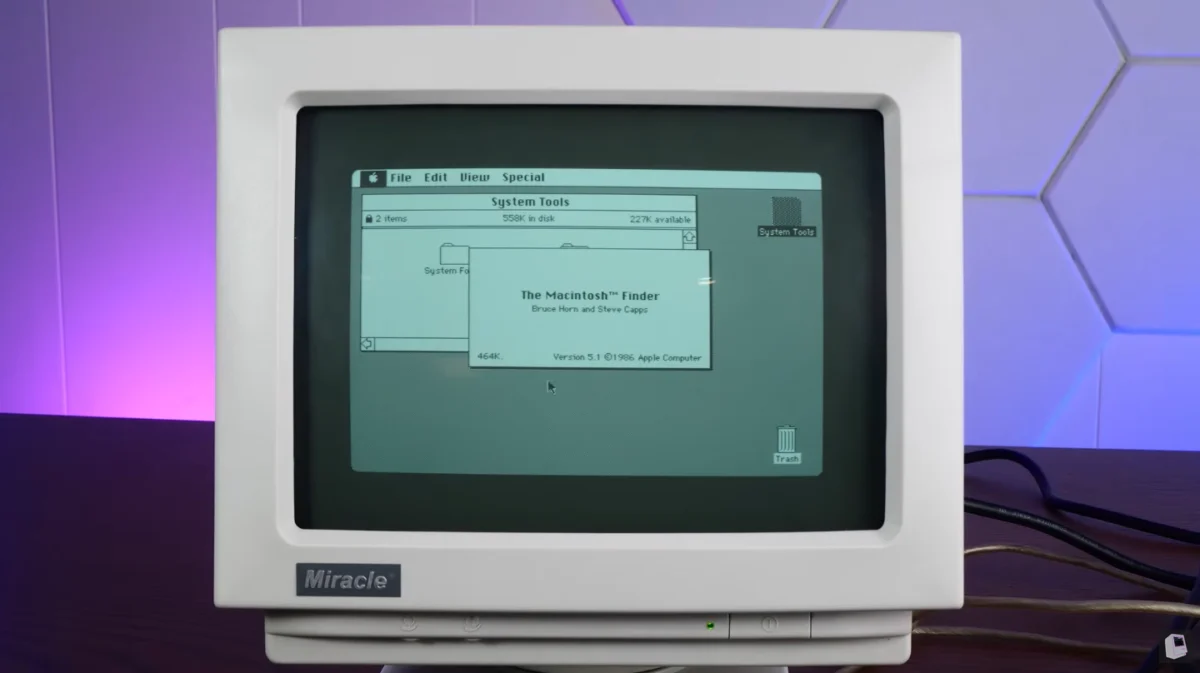
The landscape of vintage computing has been fundamentally altered by the emergence of the Pico Micro Mac, a microcontroller-based project that successfully replicates the architecture and user experience of the original 1984 Apple Macintosh 128K. Spearheaded by the developer known as Ron’s Computer Videos, this hardware project has achieved what was once considered the pinnacle of hobbyist engineering: fitting an entire classic computer into a form factor roughly the size of an Altoids tin. The project, which recently gained significant traction following a feature on the Action Retro YouTube channel, represents a convergence of modern low-cost silicon and the preservation of computing heritage.
The Technical Evolution of the Macintosh 128K
To understand the significance of the Pico Micro Mac, one must first consider the original hardware released by Apple in January 1984. The Macintosh 128K was a marvel of its time, featuring a Motorola 68000 processor clocked at 7.83 MHz and a mere 128 KB of RAM. It utilized a monochrome 9-inch CRT display with a resolution of 512 x 342 pixels. At the time of its release, the machine carried a retail price of $2,495, equivalent to over $7,000 in contemporary currency.
The Pico Micro Mac project effectively bypasses the limitations of decaying original hardware by utilizing contemporary microcontroller technology. By leveraging the power of modern chips, the device emulates the Macintosh environment, allowing users to run classic System software, applications, and games. Unlike bulky, original machines that require specialized components and delicate cathode-ray tube maintenance, the Pico Micro Mac provides a modular, accessible path to vintage computing.
Project Chronology and Development
The development of the Pico Micro Mac is part of a broader "retro-computing" movement that has gained momentum over the last decade. As original 1980s hardware components—specifically capacitors and power supplies—reach the end of their operational lifespan, the community has turned toward emulation and FPGA (Field Programmable Gate Array) technology.
The project’s timeline saw a rapid transition from proof-of-concept to a commercially viable hobbyist kit. By utilizing microcontrollers that are readily available in the global supply chain, Ron’s Computer Videos was able to create a device that functions as a high-fidelity emulator. The integration of VGA output was a pivotal design decision, allowing the unit to interface with a wide range of modern monitors, though the developers note that for the most authentic aesthetic experience, a 640 x 480 CRT monitor remains the gold standard for visual fidelity.

Hardware Specifications and Assembly Requirements
The Pico Micro Mac is designed for both the novice enthusiast and the experienced hardware hacker. The device is available as a pre-assembled unit or as a DIY kit, providing a flexible entry point for various skill levels.
Key hardware requirements for the system include:
- Core Unit: The Pico Micro Mac board.
- Display: Any monitor capable of accepting a 640 x 480 resolution at 60 Hz via VGA.
- Peripherals: A standard USB keyboard and mouse, facilitated by a USB hub.
- Power: A 5V supply delivered via a Micro-B USB connector.
While the default configuration mimics the original 128 KB memory capacity of the 1984 Macintosh, the system architecture allows for an expansion to 208 KB of RAM. This slight deviation from the original specifications provides users with additional headroom to run slightly more demanding software from the era without compromising the core Macintosh experience. The affordability of the project—retailing between $19.99 and $24.99, with an optional 3D-printed case available for $30—democratizes access to a platform that was once exclusive to high-end collectors.
Market Impact and Supply Chain Challenges
The viral success of the Pico Micro Mac has led to a common challenge for boutique hardware projects: inventory volatility. As of late 2026, the demand for these units has periodically outstripped supply, leading to temporary stock shortages. This high demand is indicative of a robust market for accessible vintage computing experiences.
The implications of this project extend beyond mere nostalgia. By creating an affordable, compact, and functional replica, the developers have lowered the barrier to entry for educational institutions, museums, and individual hobbyists interested in computer history. The ability to run genuine Macintosh software on a device that fits in one’s palm serves as a testament to the advancements in semiconductor efficiency over the past 42 years.
Engineering Analysis: The Shift from Macro to Micro
The transition from the original Macintosh—which weighed approximately 16.5 pounds—to the Pico Micro Mac, which weighs only a few ounces, highlights the trajectory of consumer electronics. In 1984, the Macintosh represented the cutting edge of personal computing, requiring significant internal volume for the CRT and power delivery systems. Today, the core logic of that same computer occupies a fraction of a cubic inch.

From a preservationist standpoint, this project serves as a "living bridge." Because it interfaces with standard USB peripherals and modern displays, it mitigates the "death" of the vintage computer caused by the failure of proprietary inputs (such as the original Apple Desktop Bus, or ADB) or legacy video connectors. It allows the software library of the 1980s to persist in a functional, usable state, ensuring that the history of graphical user interfaces remains accessible to future generations.
Future Perspectives in Retro-Computing
Industry observers and members of the retro-computing community have praised the project for its documentation and open-access philosophy. By enabling users to assemble the hardware themselves, the project fosters a deeper understanding of computer architecture. Furthermore, the use of standard interfaces like VGA and USB ensures that the Pico Micro Mac will remain compatible with display and input technology for the foreseeable future.
The success of this endeavor suggests a sustainable model for the preservation of other classic computing platforms. As the supply of original 1980s and 1990s hardware continues to dwindle, the emulation and miniaturization of these platforms will likely become the primary method by which the history of computing is preserved and experienced.
In conclusion, the Pico Micro Mac stands as a significant milestone in the intersection of engineering and history. It captures the essence of the Macintosh 128K, stripped of the physical bulk and maintenance requirements that usually accompany such vintage machines. By making this experience available for the price of a modest meal, the project ensures that the spirit of the 1984 revolution remains a tangible part of the modern digital landscape. Whether used as a desk accessory, a pedagogical tool, or a functional homage to the roots of personal computing, the device proves that while hardware may evolve, the legacy of the original Macintosh remains as relevant as ever. Prospective users are advised to monitor the official project channels for restock updates, as the combination of high demand and artisanal production levels continues to define the availability of this remarkable piece of modern retro-engineering.