 Cecilia Chamidah Nur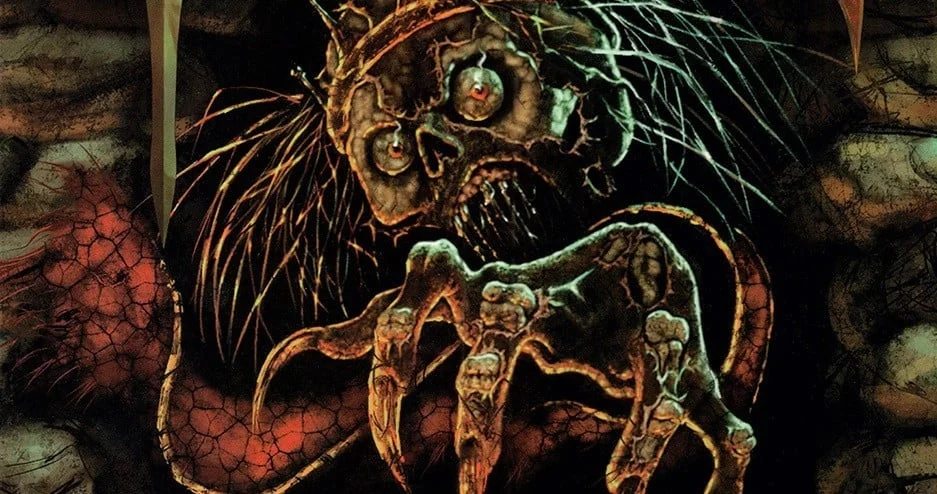
The Elder Scrolls stands today as a cornerstone of the interactive entertainment industry, a multi-billion-dollar franchise that has fundamentally shaped the open-world role-playing game (RPG) genre. Yet, its origins were marked by skepticism, technical instability, and a corporate culture defined by high-stakes risk-taking. Before Bethesda Game Studios became the titan behind Skyrim and Fallout, it was a modest Maryland-based developer known primarily for sports titles and licensed projects like Wayne Gretzky Hockey and The Terminator. The transition from these niche projects to the sprawling, ambitious world of Tamriel remains one of the most significant pivots in gaming history.

The Skepticism of the Early Nineties
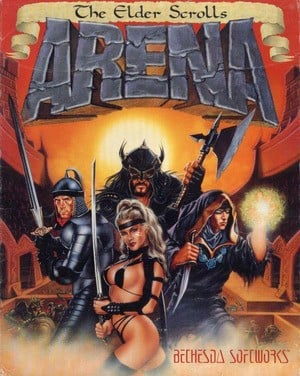
In the early 1990s, the RPG genre was considered an insular, high-barrier-to-entry market dominated by established studios like Sir-Tech, the creators of Wizardry. When Bethesda first proposed The Elder Scrolls: Arena, industry insiders and retailers were vocal in their doubts. As Bethesda president Christopher Weaver noted in a 1995 interview with PC Gamer, the developer was viewed as an outsider. Retailers were hesitant to stock a complex, text-heavy RPG from a company they associated with sports simulators. The prevailing sentiment in the field was that Bethesda lacked the institutional pedigree to satisfy the fanaticism of the hardcore PC RPG audience.
The Morphing Concept of Arena
The developmental trajectory of the series was anything but linear. Arena, which launched in 1994, began as a project far removed from the narrative-heavy open-world experiences that define the series today. Initially conceived as a multiplayer, gladiator-style combat game inspired by the 1989 film The Blood of Heroes (The Salute of the Jugger), the project underwent a radical mid-cycle transformation. The multiplayer ambitions were hampered by programming challenges, eventually forcing a pivot to a single-player, quest-driven format.
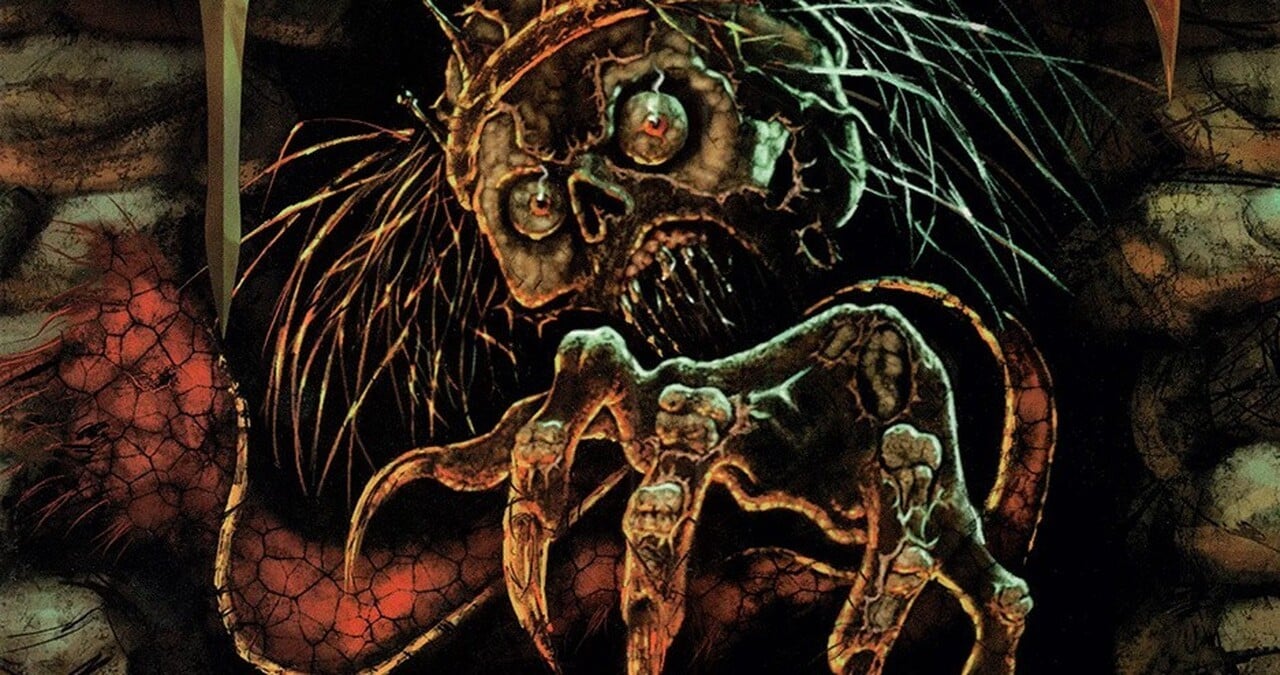
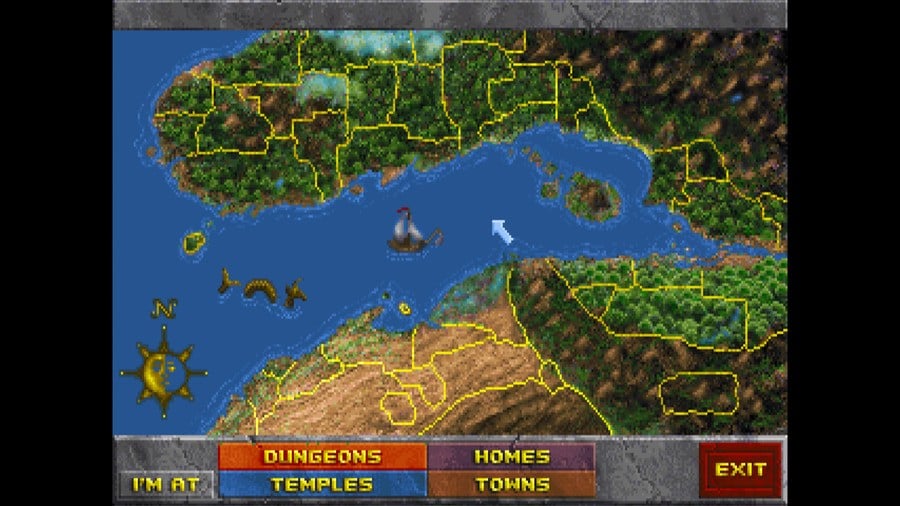
The release of Arena was initially a commercial struggle. Because the game shipped behind schedule, retail support dwindled, with many distributors canceling orders. However, the game’s reputation grew through grassroots word-of-mouth and positive critical reception, eventually securing enough momentum for Bethesda to authorize a sequel. This pivot transformed the series from a potential one-off experiment into a franchise, with the design team setting their sights on a more expansive, standalone campaign set within the region of Iliac Bay: The Elder Scrolls II: Daggerfall.
Daggerfall and the Shift Toward Ambition
Released in September 1996, Daggerfall served as the architectural blueprint for the series. Under the creative direction of Julian LeFay, the "father of The Elder Scrolls," the game sought to replicate the depth of tabletop gaming in a digital space. The shift in design philosophy was stark: the team moved away from the simplistic "evil wizard" tropes of Arena in favor of a nuanced, faction-based narrative. This included the introduction of the Daedra—entities that were not inherently evil but represented extreme, unpredictable cosmic forces—and a complex political landscape involving the Dwemer artifact known as the Numidium.

The technical leap was facilitated by the Xngine, an early 3D engine that allowed for multi-level dungeons and verticality that had been impossible in Arena. Daggerfall’s scope was, and remains, staggering. By utilizing procedural generation, the developers created a map covering approximately 62,000 square miles—a scale that dwarfs the landmasses of many modern open-world titles.
The Death March: A Culture of High-Pressure Development
The development of Daggerfall is widely cited by industry historians as a cautionary tale of "crunch" culture. The project was intended to be a 1.5-year endeavor, but its ambition ultimately required nearly three years of development, much of it under conditions that team members later described as grueling.
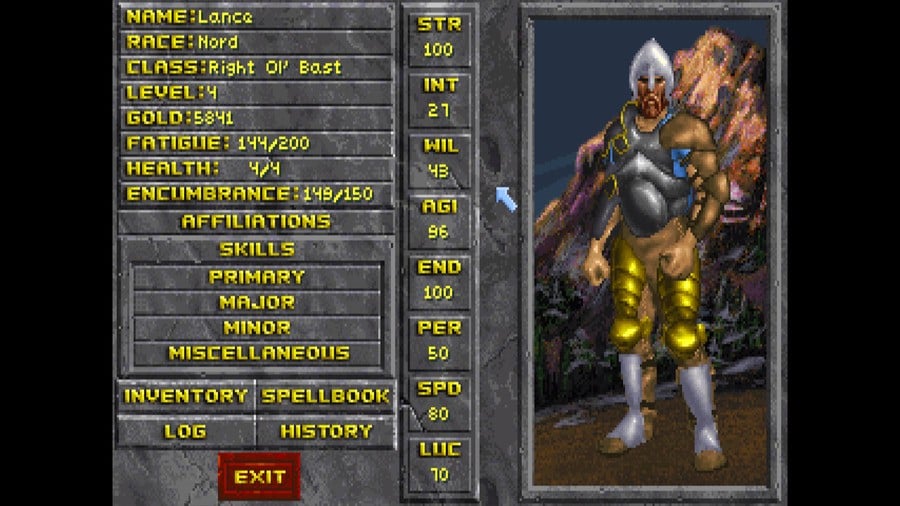
The pressure to meet retail deadlines—compounded by Bethesda’s limited size at the time—created a volatile environment. Junior staff members, such as Hal Bouma and Kurt Kuhlmann, joined the project only to find that the internal timelines provided by management did not align with the reality of the game’s unfinished state. The resulting "death march" saw developers working seven days a week, often in extreme heat, to implement complex systems like vampirism, lycanthropy, and the intricate skill-based leveling system that would eventually become a hallmark of the franchise.
The financial pressure was equally intense. Bethesda management frequently committed to retail shelf space months in advance, forcing the team to rush content to meet "gold master" deadlines. When these deadlines were missed, the company was occasionally forced to fill the purchased retail space with other titles, such as PBA Bowling, to satisfy inventory requirements.
The Legacy of the "Flawed Masterpiece"
When Daggerfall finally reached consumers in 1996, it was a paradoxical success. It was famously riddled with bugs—including game-breaking issues that could delete the main quest—yet it was hailed by critics as a visionary achievement. It received widespread acclaim from publications like PC Gamer and Computer Gaming World, which lauded its ambition and the unprecedented agency it granted the player.
The impact of Daggerfall cannot be overstated. It established the "Elder Scrolls identity": the focus on player-driven narratives, the ability to join various guilds, the skill-based character growth, and the willingness to push the boundaries of what home computer hardware could render. The game’s DNA is clearly visible in the design philosophy of subsequent entries, including Morrowind, Oblivion, and Skyrim.
Implications and Modern Context
Looking back three decades later, the success of Daggerfall serves as a foundational case study for the modern RPG industry. It proved that despite technical hurdles and the risks of a chaotic development cycle, deep, systemic-driven worlds could captivate a mass audience.
The influence of Daggerfall has persisted well beyond its original lifecycle. Fan-driven initiatives, most notably the Daggerfall Unity project, have spent years modernizing the original code to ensure the game remains playable on contemporary systems. Furthermore, former Bethesda developers, including those who worked on the original project, have continued to draw upon the lessons learned in the 1990s as they pursue new ventures.

The transition from a small team struggling to ship a gladiator game to the architect of one of gaming’s most successful intellectual properties remains a testament to the blend of stubbornness, ambition, and creative talent that defined Bethesda during the mid-nineties. While the "death march" that produced Daggerfall is now viewed through a more critical lens in the modern era of game development, the resulting title fundamentally altered the trajectory of the role-playing genre, proving that even a "disaster" in the making could eventually pave the way for a billion-dollar legacy.