 Chalid Lutfie
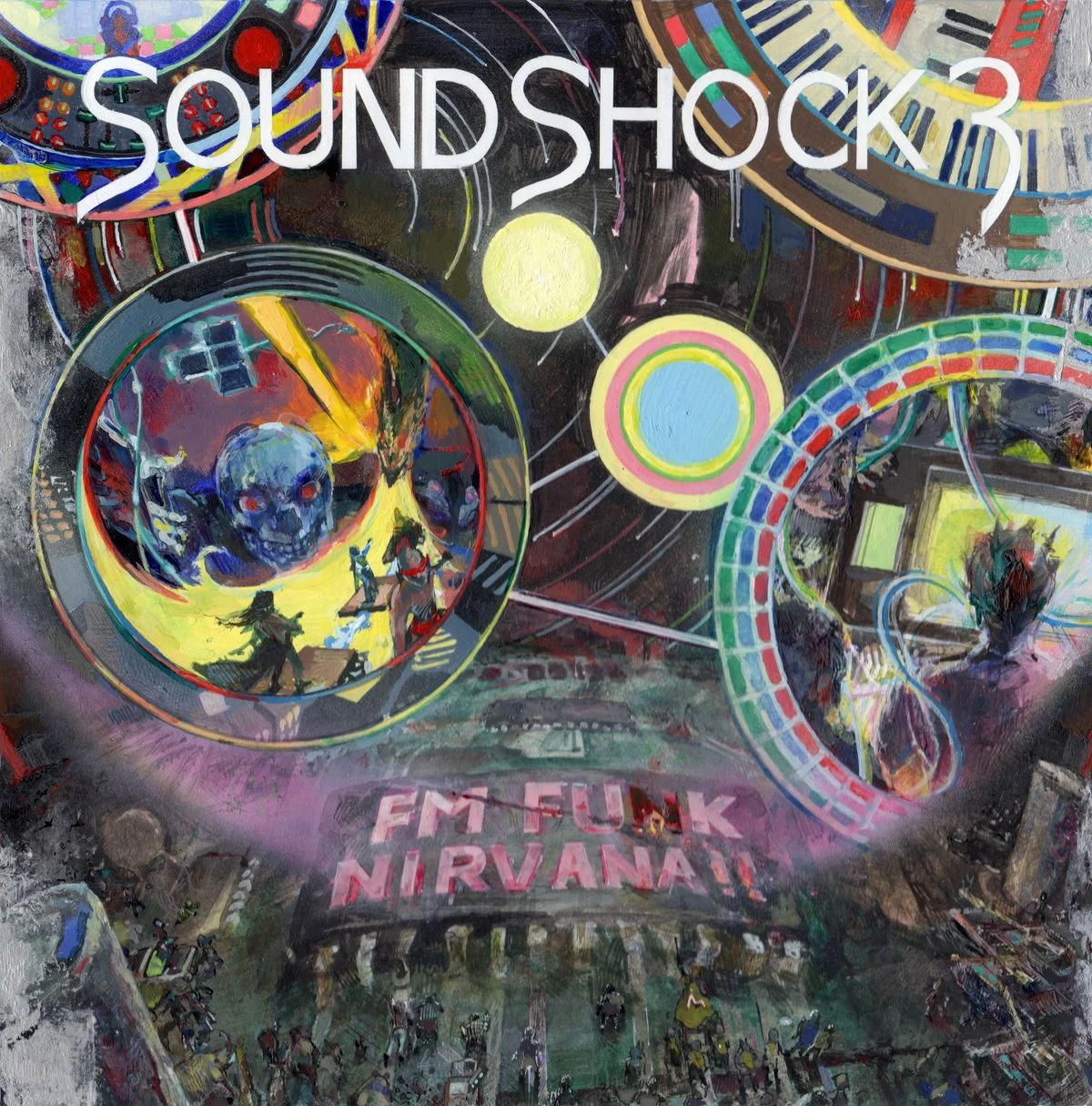
The SOUNDSHOCK project, which emerged from the underground digital music scene in 2010, represents a significant case study in the intersection of niche technological nostalgia and collaborative artistic production. Conceived by the musician known as zinger and facilitated by the independent record label Ubiktune, the series has evolved from a grassroots forum initiative into a definitive repository for Frequency Modulation (FM) synthesis compositions. This article examines the origins of the series, the technical evolution of the artists involved, and the broader implications of community-led archival projects in the digital age.
The Origins of a Digital Soundscape
The genesis of SOUNDSHOCK can be traced back to 2007, when zinger established an online forum dedicated specifically to the technical and aesthetic exploration of FM synthesis. At the time, FM synthesis—a method of sound generation made famous by Yamaha’s line of hardware synthesizers and integrated into the sound chips of the Sega Mega Drive and various arcade platforms—was largely considered a relic of the 1980s and 1990s.
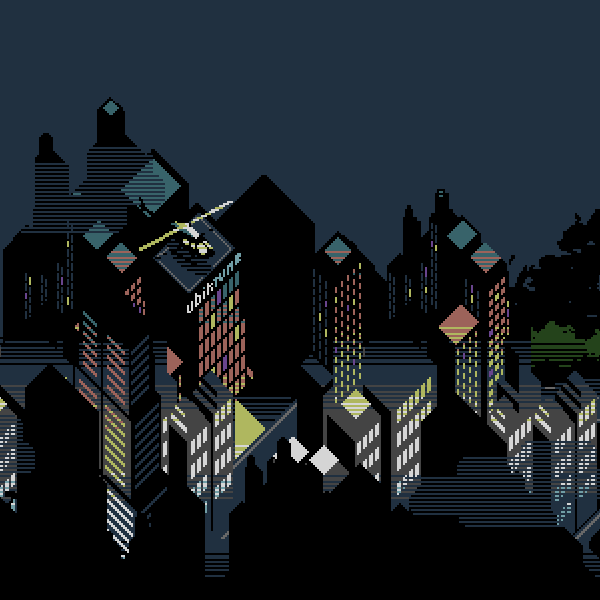
By 2010, the forum had matured into a hub for composers, programmers, and enthusiasts who sought to push the limits of these "obsolete" chips. When approached by C-jeff of Ubiktune to produce a solo album, zinger instead proposed a collaborative compilation. This marked a shift in strategy: rather than a singular artist release, the project aimed to aggregate the efforts of a global community. The objective was to create a formal platform that validated the work of musicians who were, until that point, operating in relative isolation or within fragmented online niches.
Technical Context and the Demoscene Connection
To understand the appeal of SOUNDSHOCK, one must analyze the technical constraints that define the medium. FM synthesis relies on algorithms to modulate carrier waves, creating timbres that are distinctively metallic, sharp, and complex. For many, the fascination with this technology stems from the "Golden Age" of gaming, specifically the hardware iterations found in devices like the Sega Mega Drive, the NEC PC-8801, and various Sharp computer models.
Many of the artists featured in the SOUNDSHOCK series possess backgrounds in the "demoscene"—a subculture focused on creating computer-generated art, music, and visuals within extreme memory and processing constraints. The demoscene provided a rigorous training ground for these composers, teaching them to extract maximum aesthetic value from minimal data footprints. The convergence of these artists within the SOUNDSHOCK framework allowed for a cross-pollination of techniques. Musicians accustomed to Western-style chiptunes found common ground with artists from the Japanese game music tradition, where FM synthesis was the standard for high-end professional game composition for nearly a decade.

Chronology of Development
- 2007: Establishment of the SOUNDSHOCK forums, serving as the initial repository for FM synthesis technical discussion and file sharing.
- 2010: Formal collaboration initiated between zinger and Ubiktune, transitioning from a discussion board to a professional music project.
- 2011–2012: The emergence of spin-off compilations, including the FM FUNK MADDNESS series, which expanded the project’s scope beyond traditional chiptune aesthetics toward funk-inspired electronic music.
- 2017: The publication of retrospective accounts and documentation of the community’s history, solidifying the project’s legacy as a cornerstone of the modern FM synthesis movement.
Perspectives from the Community
The success of the series is largely attributed to its ability to foster a "community of practice." For contributors like boomlinde, a long-time participant, the forum provided a rare environment where technical discussions—such as MML (Music Macro Language) programming and tracker software methodology—could occur at a high level of expertise. Boomlinde notes that for many, the inspiration for a composition is not derived from traditional music theory, but from the limitations and unique tonal signatures of specific FM patches.
This sentiment is echoed by others, such as the collective known as Extent of the Jam, who viewed the forum as a vital bridge between the "micromusic" scene and the broader chiptune community. By providing a dedicated space for FM enthusiasts, the project effectively dismantled the barriers that had previously separated hobbyists from professional composers.
The narrative provided by artist and designer Simon Stålenhag illustrates the human element of this digital convergence. Stålenhag recalls the serendipitous discovery of a colleague’s compositions within a professional office environment. This anecdote highlights a broader trend: the "hidden" talent existing within mainstream creative industries. When these individuals were invited to contribute to the SOUNDSHOCK compilations, it served as a catalyst for their public debut. Stålenhag’s account of his colleague, known as "Bomb Boy," emphasizes that the project acted as a vacuum, drawing in "musical mutants" who were previously hidden behind computer screens, waiting for an opportunity to showcase their technical prowess.

Fact-Based Analysis of Broader Impact
The SOUNDSHOCK series demonstrates the capacity for niche online communities to produce professional-grade cultural artifacts. The implications of this are threefold:
- Archival Preservation: By organizing, documenting, and releasing these compilations, the community has effectively preserved a style of music that might otherwise have been lost to the ephemeral nature of old file-sharing servers and defunct forums.
- Technological Democratization: The project provided a template for how modern software, such as custom-built FM synthesizers and trackers, could be used to replicate and iterate upon 1990s-era sound technology. This has lowered the barrier to entry for new composers, allowing for the continued evolution of the FM sound.
- Cross-Cultural Synthesis: The project bridged a significant gap between Western digital music trends and Japanese video game aesthetics. The presence of artists like Ryu Takami and Keishi Yonao alongside Western counterparts allowed for a genuine exchange of techniques and creative philosophies that transcended language barriers.
Conclusion: The Legacy of FM Synthesis
As of 2017, the SOUNDSHOCK series stands as more than a collection of albums; it is a testament to the longevity of FM synthesis. The project proved that the "marginal hobby" of FM sound programming possessed enough depth and cultural resonance to sustain a long-term artistic endeavor.
The transition from a bedroom-based hobby to an organized series of compilations underscores a significant shift in how digital music subcultures operate. By fostering a sense of community, the organizers ensured that the technical knowledge required to manipulate these classic chips would not be lost. Instead, it was passed down and refined, ensuring that the legacy of the sound—characterized by its distinct, sharp-edged harmonics and complexity—would remain a relevant and vital part of the contemporary electronic music landscape. As the community looks back on its first decade, the focus remains on the intersection of human creativity and technological constraints, a pairing that continues to drive the evolution of digital sound.