 Indra Gunadi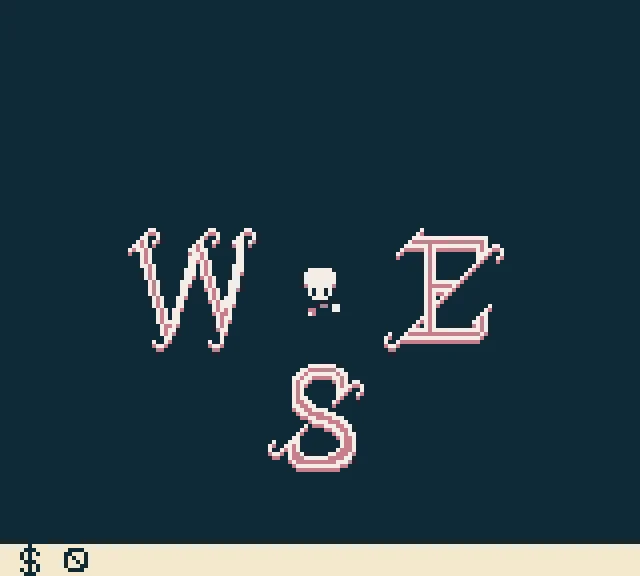
The release of Zuckie’s Funhouse, a new title developed by the independent creator known as Cambroth for the Nintendo Game Boy Color, marks a notable entry in the modern homebrew development scene. Debuting on September 30, 2026, the game emerged from the high-pressure environment of the Alberta Game Jam. Despite its modest development window—spanning approximately 24 hours—the project has garnered attention for its atmospheric narrative themes and technical efficiency, demonstrating the ongoing viability of the Game Boy Color hardware as a platform for experimental game design in the third decade of the 21st century.
The Genesis of a 24-Hour Project
The Alberta Game Jam serves as a focal point for regional developers to stress-test their creative capabilities within rigid time constraints. In the landscape of game development, the "game jam" format is a standardized practice designed to foster innovation through necessity. Participants are typically tasked with conceptualizing, programming, and polishing a functional prototype within a 24- to 48-hour timeframe.
Cambroth’s entry, Zuckie’s Funhouse, was specifically engineered for the Game Boy Color, a console that ceased production in 2003. Developing for such legacy hardware requires developers to navigate severe technical limitations, including a 4.19 MHz processor, 32 KB of RAM, and a limited color palette. By choosing to work within these constraints during a time-sensitive event, Cambroth participated in a tradition of "demake" culture and retro-computing hobbyism that has gained significant traction among independent developers looking to explore the roots of digital interactive media.
Narrative and Mechanical Framework
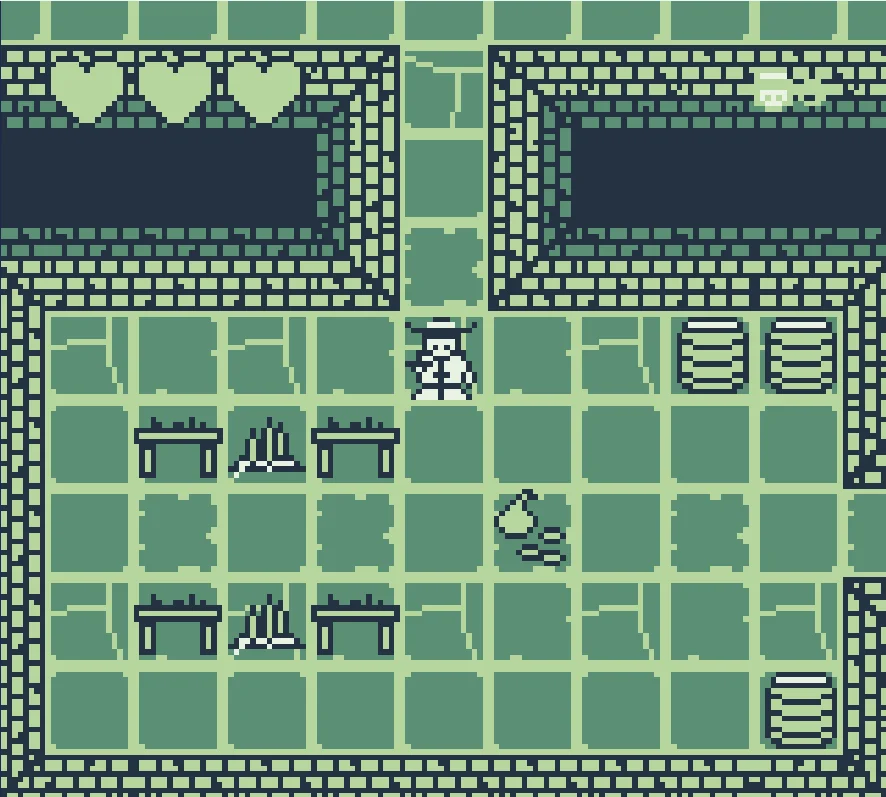
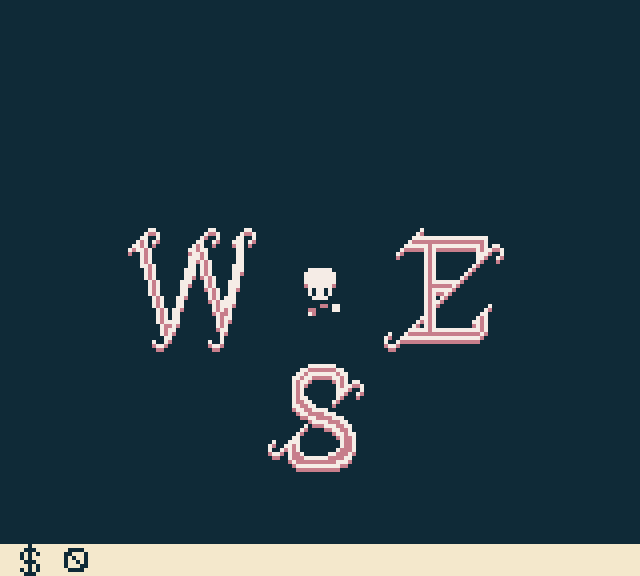
Zuckie’s Funhouse presents a thematic departure from traditional platformers common to the Game Boy library. The title centers on a narrative involving a house of mirrors, an environment defined by total darkness, and the macabre premise of organ trading. This thematic darkness provides a stark contrast to the typically colorful and family-friendly aesthetics usually associated with the Game Boy Color’s library, reflecting a modern trend in indie development where retro hardware is used as a vessel for darker, more mature storytelling.
Mechanically, the game maintains a minimalist design philosophy. The control scheme is restricted to the directional arrow keys and the ‘Z’ button, a choice that mimics the simplified input architecture of the original console. This reliance on a basic control scheme forces the player to engage directly with the game’s environmental puzzles and navigation mechanics, stripping away the complexity of modern gaming interfaces to prioritize the core loop of exploration and resource management.
Technical Constraints and Retro Development
Developing for the Game Boy Color in 2026 involves a distinct set of workflows compared to contemporary PC or console development. Most homebrew developers today utilize specialized toolsets such as GBDK (Game Boy Development Kit), which allows C programming for the platform, or direct assembly language (RGBDS) for those seeking to maximize the console’s limited memory.
The decision to target the Game Boy Color implies a specific set of technical trade-offs. The hardware is limited to a resolution of 160×144 pixels. By designing Zuckie’s Funhouse within these parameters, Cambroth had to rely on tile-based graphics and sprite layering to convey the sense of a "house of mirrors." The implementation of "total darkness" as a gameplay mechanic is a clever technical workaround; by limiting the visible screen space, the developer reduces the number of active sprites the CPU must render simultaneously, thereby maintaining a consistent frame rate despite the hardware’s age.
Chronology of the 2026 Development Cycle
The timeline of Zuckie’s Funhouse is emblematic of the rapid-iteration cycles prevalent in modern jam culture:
- September 28-29, 2026: The Alberta Game Jam convenes, setting the prompt for participants.
- September 29, 2026: Development of Zuckie’s Funhouse begins, with the core concept of the "organ-trading mirror house" established early in the 24-hour window.
- September 30, 2026: The project is finalized, exported into a ROM format compatible with Game Boy Color emulators and flash cartridges, and released to the public via digital distribution platforms.
- October 2026: Initial community feedback begins to circulate within retro-gaming forums, noting the game’s surprising technical stability despite the rapid production schedule.
The Homebrew Ecosystem and Market Impact
The release of Zuckie’s Funhouse contributes to a burgeoning ecosystem of "homebrew" titles that keep legacy consoles active long after their commercial life cycles have ended. Unlike professional commercial releases, homebrew projects are rarely profit-driven. Instead, they serve as a medium for artistic expression and technical challenge.
Data regarding the homebrew market indicates that the Game Boy, Game Boy Color, and Game Boy Advance remain the most popular platforms for indie developers due to the vast availability of open-source documentation and the relative ease of testing via emulation. According to industry analysis from the past five years, the volume of high-quality homebrew releases has increased by approximately 15% annually, as accessibility to development kits has improved and online communities have matured.
Implications for Independent Game Design
The success of a project like Zuckie’s Funhouse, however small in scope, highlights a broader trend in the gaming industry: the democratization of platform development. In the late 1990s, developing a game for the Game Boy Color required significant capital, proprietary hardware, and official licensing from Nintendo. Today, that barrier to entry has effectively evaporated.
This shift has profound implications. First, it allows developers to focus on "niche" narratives—such as the horror-themed premise of Zuckie’s Funhouse—that might not have been commercially viable for major publishers in the 1990s due to potential brand image risks. Second, it creates a sustainable, community-driven archiving effort. As developers continue to write code for these devices, they are simultaneously refining the community’s collective understanding of the hardware’s architecture, ensuring that the legacy of these systems is preserved through active use rather than static museum curation.
Reception and Future Outlook
While Zuckie’s Funhouse is not a mainstream blockbuster, its reception within the retro-development community underscores a growing appreciation for the intersection of modern themes and vintage technology. Critics and players alike have praised the project for its ability to evoke a sense of unease through such limited visual fidelity.
The Alberta Game Jam, in facilitating the creation of such titles, continues to provide a vital service to the development community. By fostering a space where constraints are treated as creative catalysts, events like these ensure that the industry remains experimental. As for Cambroth, the release of Zuckie’s Funhouse serves as a testament to the skill set required to navigate the idiosyncratic nature of 8-bit and 16-bit development.
As we look toward the future of game development, it is increasingly clear that the boundaries between "modern" and "retro" are becoming porous. Projects like Zuckie’s Funhouse are not merely exercises in nostalgia; they are contemporary works of art that utilize the aesthetic and technical language of the past to communicate new ideas. Whether or not this specific title will influence a larger movement remains to be seen, but the continued commitment of developers to the Game Boy Color platform ensures that the legacy of the 1990s handheld era will continue to evolve, one 24-hour jam at a time. The game remains available for enthusiasts who wish to test their hardware or emulator capabilities, serving as a functional piece of digital history that bridges the gap between the limitations of the past and the creative ambitions of the present.