 Retno Hari Mulyono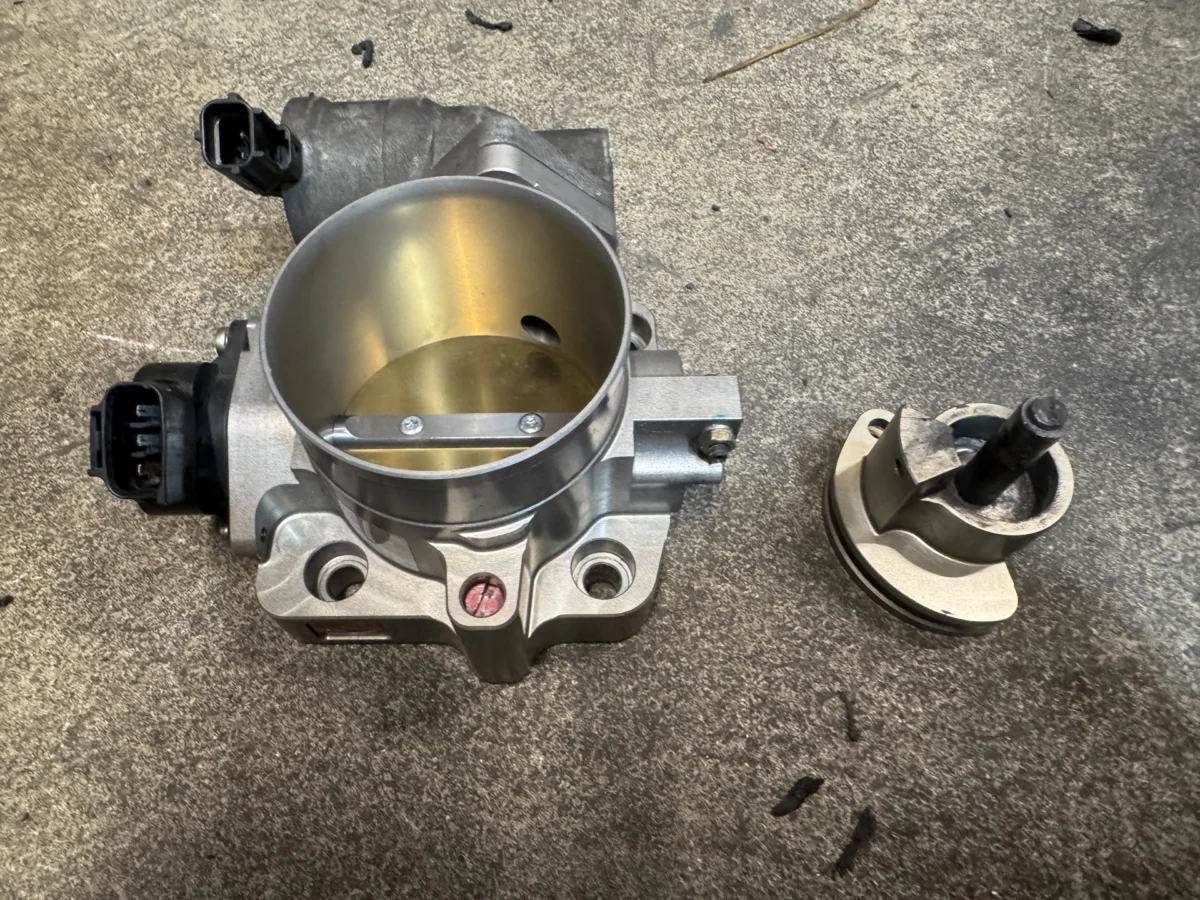
The pursuit of automotive reliability on the racetrack often compels enthusiasts and professional builders alike to re-engineer factory-designed systems that fail under sustained high-performance conditions. For owners of the ubiquitous Mazda MX-5—spanning both the NA (1989–1997) and NB (1998–2005) generations—the cable-actuated throttle body has long served as a standard mechanical interface. However, tracking a heavily utilized platform inevitably exposes vulnerabilities in aftermarket replacements and aging OEM components. Following multiple catastrophic mechanical failures of aftermarket cable-driven throttle bodies during competitive track events over the past year, one automotive builder has initiated a complete conversion to an electronic throttle control (ETC) system, commonly known as drive-by-wire (DBW).
This extensive engineering project leverages a Megasquirt MS3Pro Evo standalone engine management system. While modern high-end engine control units (ECUs)—such as those produced by Haltech and MaxxECU—feature native, out-of-the-box drive-by-wire support, legacy and mid-tier platforms like Megasquirt historically required secondary hardware interventions or complex analog bridging. Recent advancements in Megasquirt MS3 firmware have introduced Controller Area Network (CAN) bus communication capabilities specifically designed to interface with external electronic throttle control modules. This technical case study examines the motivations behind the conversion, evaluates the available CAN-bus compatible DBW controllers on the market as of late 2025, and details the specific hardware selection process required to modernize a 2000 Mazda Miata.
The Engineering Impetus: Mechanical Failures and the Limits of Cable-Actuated Throttles
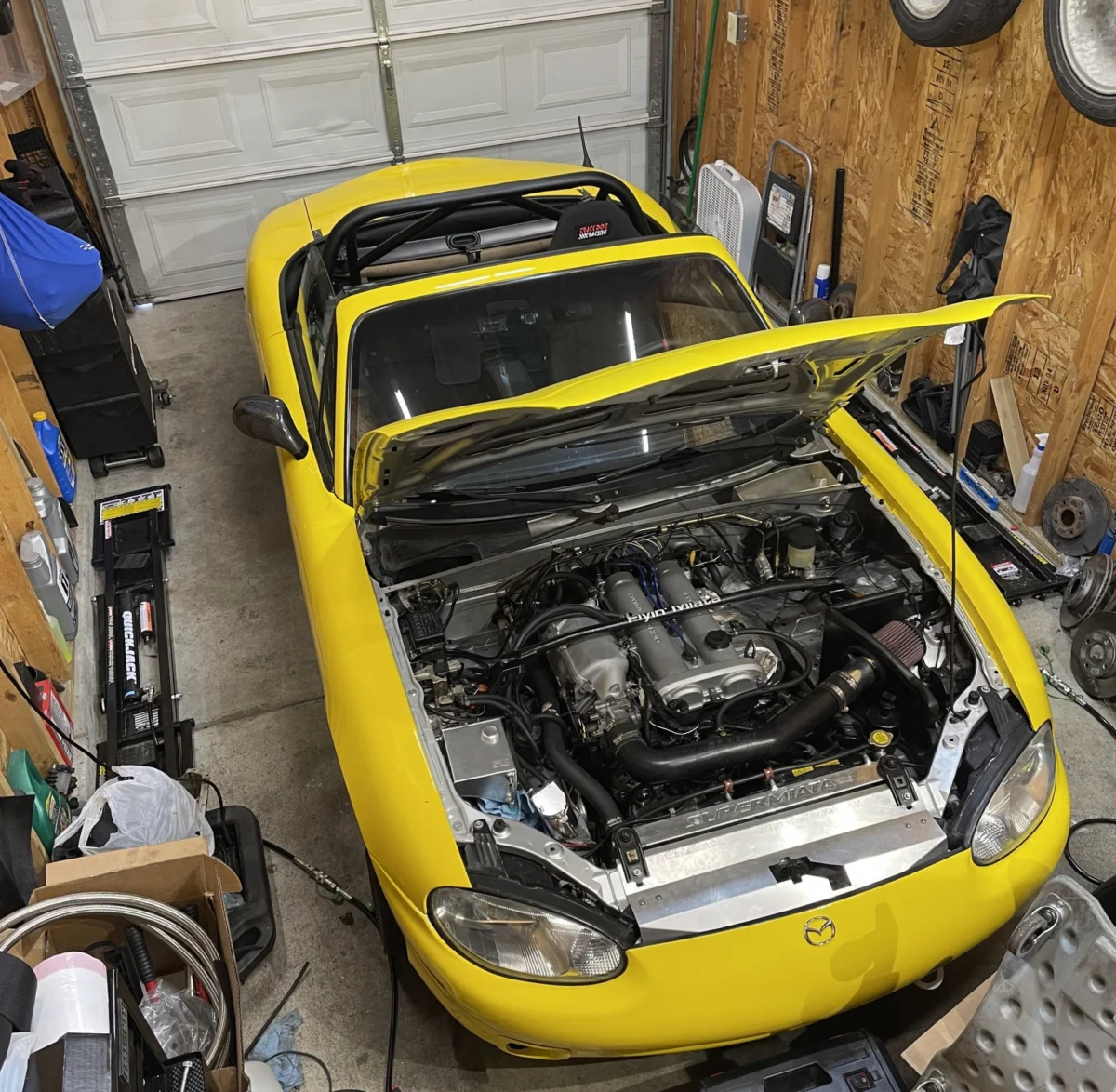
The decision to abandon the traditional throttle cable stems from a series of on-track component failures. The vehicle in question, a 2000 Mazda Miata producing approximately 140 horsepower at the wheels, had been fitted with a Skunk2 aftermarket throttle body. Over the course of the preceding racing season, two distinct thermal and mechanical failures occurred. Most critically, the second incident involved a complete structural fracture of the throttle shaft itself—a catastrophic failure mode that severs the physical connection between the driver’s input and the induction system.

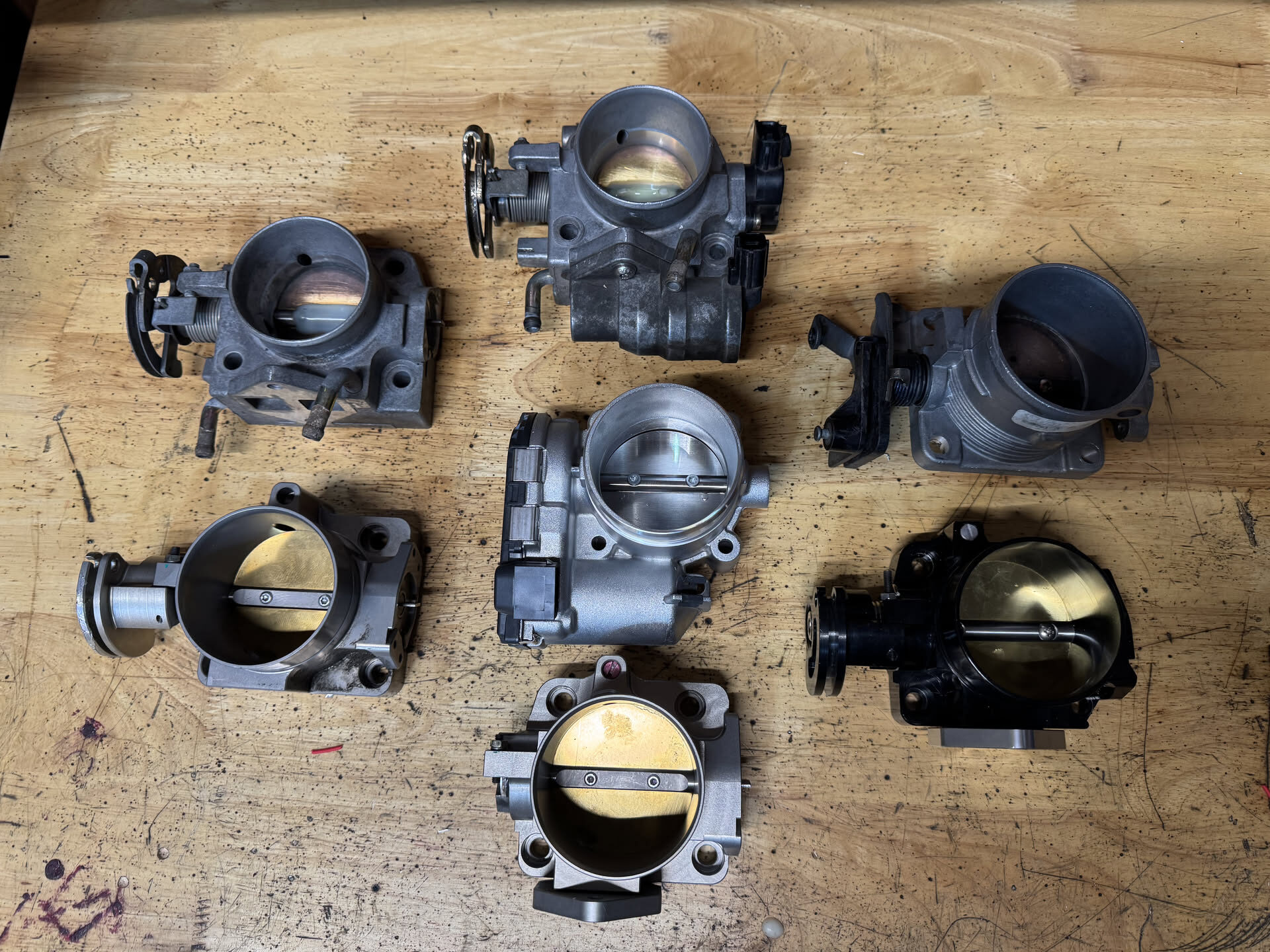
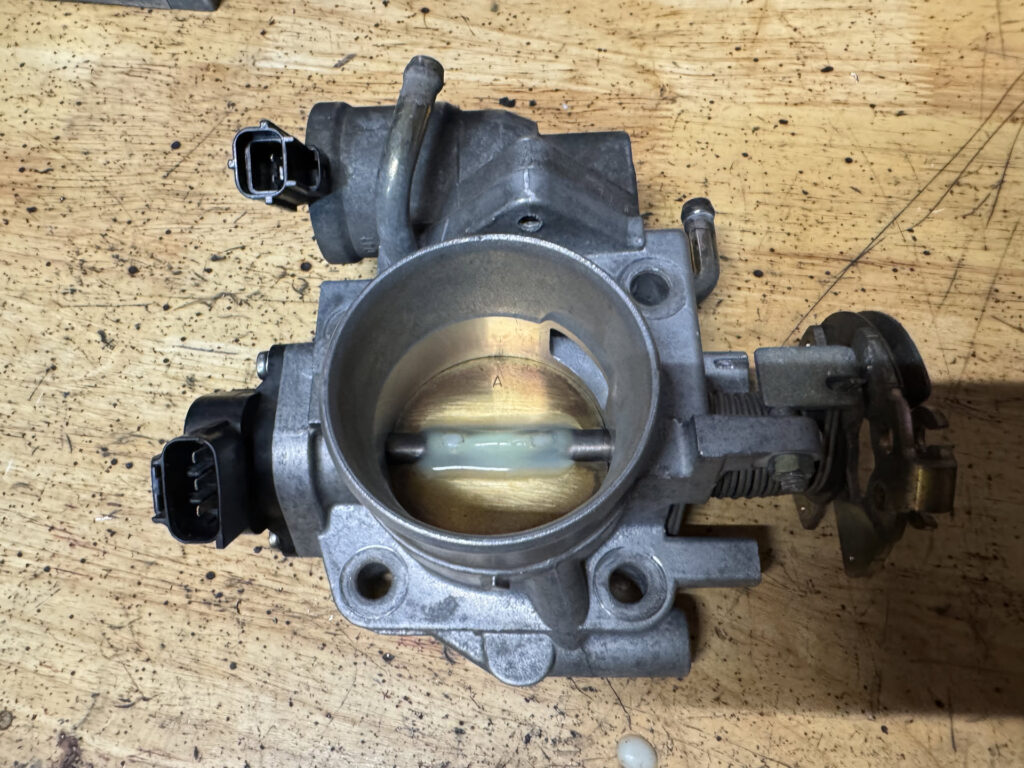
Beyond total structural failure, the Skunk2 unit exhibited operational inconsistencies widely reported within the Mazda enthusiast community, including frequent throttle sticking that resulted in elevated idle speeds and reduced throttle return reliability. While stock OEM throttle bodies theoretically possess sufficient flow capacity for a naturally aspirated 1.8-liter BP engine at this power tier, they are not entirely immune to risk. Documented historical failures across the NA and NB platforms include throttle blade retention screws backing out due to vibration—ingesting metal fasteners into an internal combustion engine typically results in complete engine destruction—as well as fatigue fractures along the butterfly shaft.
To mitigate these risks during the interim 2005 racing season, maintenance protocols required securing factory throttle components using industrial-grade structural epoxies, such as 3M DP420, applied to the shaft and securing screws. Nonetheless, temporary chemical fixes do not address the systemic limitations of cable actuation. Alternative aftermarket cable-driven options remain scarce. Unbranded or budget-oriented overseas clones of the Skunk2 design present even greater metallurgical and quality control risks. Sourcing an original equipment manufacturer (OEM) throttle body from an unrelated platform—such as a 4.6-liter Ford V8—presents severe packaging hurdles, requiring custom manifold adapter fabrication, modification of the throttle cable geometry, and the installation of an external, standalone Idle Air Control (IAC) valve.
Theoretical and Functional Advantages of Drive-By-Wire Systems
Transitioning an older vehicle architecture to drive-by-wire offers significant functional advantages that justify the complexity of the conversion. In a pure electronic throttle setup, the physical linkage between the accelerator pedal and the engine’s air intake is completely severed. Instead, accelerator pedal position sensors (APPS) transmit electrical signals to a designated controller, which actuates an electric motor housed within the throttle body assembly.
This electronic mediation unlocks several advanced motorsport features that are either difficult or impossible to implement with a mechanical cable:

- Configurable Throttle Mapping: Drivers can alter the relationship between pedal travel and throttle plate opening angle. This allows for linear mapping during wet track conditions, aggressive mapping for maximum throttle response at high RPM, or graduated responses to smooth out power delivery in forced-induction configurations.
- Advanced Idle Stability: Electronic throttle control eliminates the need for separate Idle Air Control valves (IACV) or auxiliary air bypass screws. The ECU precisely manages idle speed by making micro-adjustments to the main throttle blade, compensating instantly for electrical loads, power steering pressure, and air conditioning compressor engagement.
- Integration of Driver Aids: Modern software suites enable automated throttle blunting during gear downshifts (commonly known as "auto-blip"), integration with traction control systems by rapidly closing the throttle independently of driver input, and seamless cruise control functionality without vacuum actuators or dedicated control modules.
Evaluating Megasquirt-Compatible CAN-Bus Drive-By-Wire Controllers
Because the vehicle’s existing MS3Pro Evo standalone ECU lacks native internal H-bridge motor drivers capable of directly handling the high electrical currents required to power an electronic throttle motor, an intermediate hardware controller is required. Recent firmware updates for the Megasquirt MS3 ecosystem allow these external controllers to communicate bi-directionally via a CAN bus network, seamlessly sharing throttle position, pedal inputs, and error states.
A market analysis conducted in late 2025 highlights five primary CAN-bus compatible DBW controllers available to builders:

- DBWX2 Drive-By-Wire Controller: Released initially in 2019, the DBWX2 stands as the pioneer in this specific niche. Priced at approximately $500, it represents the highest-cost option on the market. Its defining architectural feature is the ability to independently control two separate electronic throttle bodies simultaneously—a configuration beneficial for complex twin-throttle setups or electronic boost control actuators.
- LD Performance Controller: Retailing at a mid-tier price point of roughly $200, the LD Performance unit provides basic functionality but suffers from integration drawbacks. Most notably, configuration cannot be managed natively through TunerStudio (the primary tuning interface for Megasquirt), requiring proprietary software. Furthermore, its housing and wiring connectors lack environmental sealing, necessitating interior cabin installation to prevent moisture ingress.
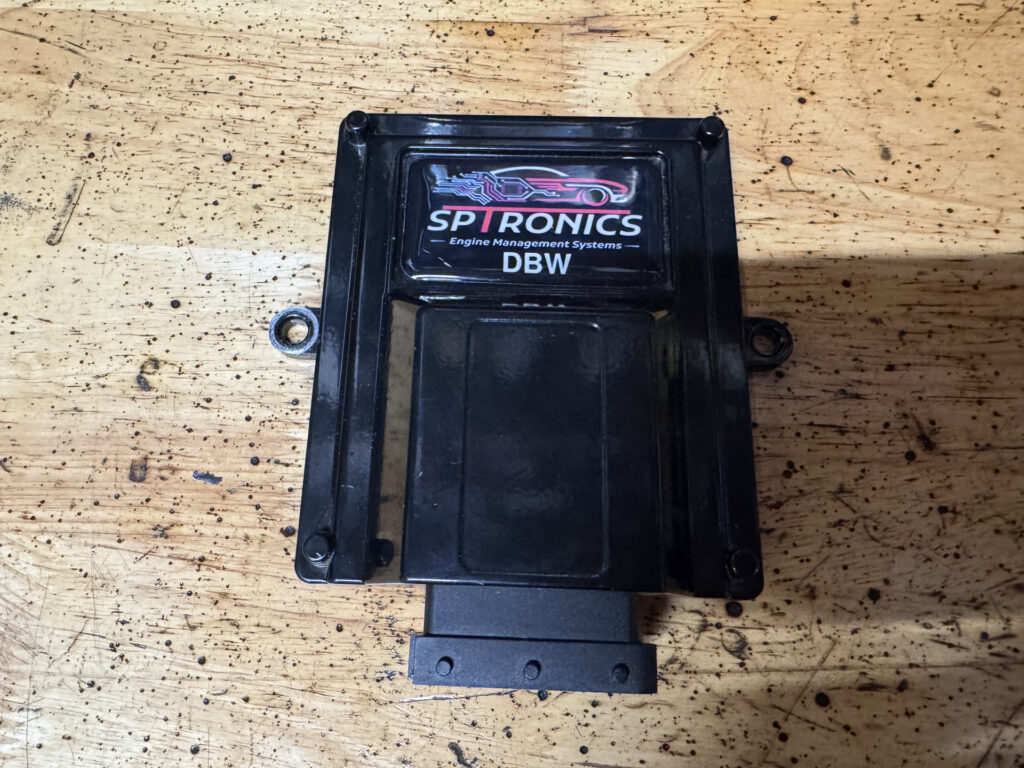
- SPTronics Controller: Positioned as a highly economical choice at approximately $150, the SPTronics controller delivers robust core performance for budget-conscious builders. While a dual-channel variant exists for multi-throttle applications, the platform sacrifices advanced configurability. It lacks firmware updatability, features limited Proportional-Integral-Derivative (PID) tuning parameters, and omits a software-configurable CAN bus termination resistor.
- MS Labs Controller: Occupying the higher tier of pricing, the MS Labs unit offers advanced feature integration, including extensive throttle mapping options, sophisticated idle control algorithms, and native support for auto-blip downshift routines. However, regional distribution restrictions prevent direct sales within the United States, limiting its accessibility for domestic North American builders.
- AMP EFI Controller: Introduced to the market in October 2025 at a competitive price point of around $300, the AMP EFI controller represents the newest hardware option. It includes unique operational flexibility, allowing it to function as a fully standalone fail-safe unit via dedicated TPS output and idle input pins, alongside integrated pins for brake and clutch inputs to govern auto-blip functionality.
Hardware Selection and Implementation Strategy for the 2000 Mazda Miata
To execute the conversion on the target 2000 Mazda Miata, the integration project relies on a carefully selected triad of components: the induction throttle body, the physical pedal interface, and the electronic control module.
Induction and Manifold Adaptations
For the intake tract, the project utilizes a Bosch Motorsports 60mm electronic throttle body. Bosch units are widely regarded for OEM-grade durability, precision feedback sensors, and broad market availability at a moderate price point of approximately $150. These units are mass-produced in various diameters ranging from 32mm to 82mm, making the 60mm variant an ideal volumetric match for a modified 1.8-liter engine.

Because the bolt pattern of the Bosch throttle body does not align with the factory Mazda Miata intake manifold flange, a transition adapter is required. While custom computer-aided design (CAD) and CNC machining were considered, commercially available solutions offer immediate installation. Outsider Garage produces a precision-machined manifold adapter priced at $150, while alternative suppliers such as ChathamCNC offer similar adapters starting at $95.
Accelerator Pedal Position Sensor (APPS) Integration
Converting the driver’s footwell from a mechanical cable pull to an electronic sensor signal presents several packaging choices. Builders may opt for complete electronic pedal box assemblies harvested from modern donor vehicles, custom fabricated linkage boxes mounted in the engine bay, or remote-mounted sensors attached to the existing pedal assembly.

To minimize extensive under-dash fabrication and maintain the tactile resistance profile of a traditional cable throttle, the project utilizes an OEM Honda cable-driven accelerator pedal position sensor. Sourced from 2003–2007 Honda Accord V6 models (as well as contemporary V6 Acura platforms), this assembly incorporates an internal spring-loaded pulley mechanism that accepts a standard throttle cable. The mechanical cable runs from the interior pedal to the sensor module mounted securely in the engine bay, translating physical foot movement into dual electrical position tracks. This configuration preserves the familiar pedal weighting of a cable throttle while simultaneously allowing the retention of the vehicle’s factory cruise control system. Equivalent new units are readily available through both aftermarket and OE suppliers.
Controller Bench Testing and Comparative Evaluation
To determine optimal long-term reliability and performance, three distinct CAN-compatible controllers—supplied by SPTronics, DBWX2, and AMP EFI—have been acquired for empirical testing. The engineering evaluation protocol involves bench-testing and sequential physical installation of each controller within the Miata’s electrical architecture. Performance metrics under evaluation include CAN bus data packet stability, responsiveness during rapid transient throttle inputs, fail-safe recovery behavior in the event of sensor signal drift, and ease of software calibration within the TunerStudio environment. Following comprehensive track and street trials, a single controller will be selected for permanent integration.
Broader Impact and Industry Implications
The transition of legacy motorsport platforms to drive-by-wire via modular aftermarket controllers reflects a broader shift in amateur and professional racing technology. As mechanical components age and the availability of high-performance replacement parts fluctuates, open-architecture engine management systems increasingly bridge the gap between vintage mechanical hardware and modern electronic safety standards. By successfully integrating closed-loop electronic throttle control into legacy chassis like the Mazda Miata, builders can achieve the precision, safety, and functional sophistication characteristic of modern high-performance vehicles without sacrificing the lightweight dynamics of older platforms.