 Vera Clarissa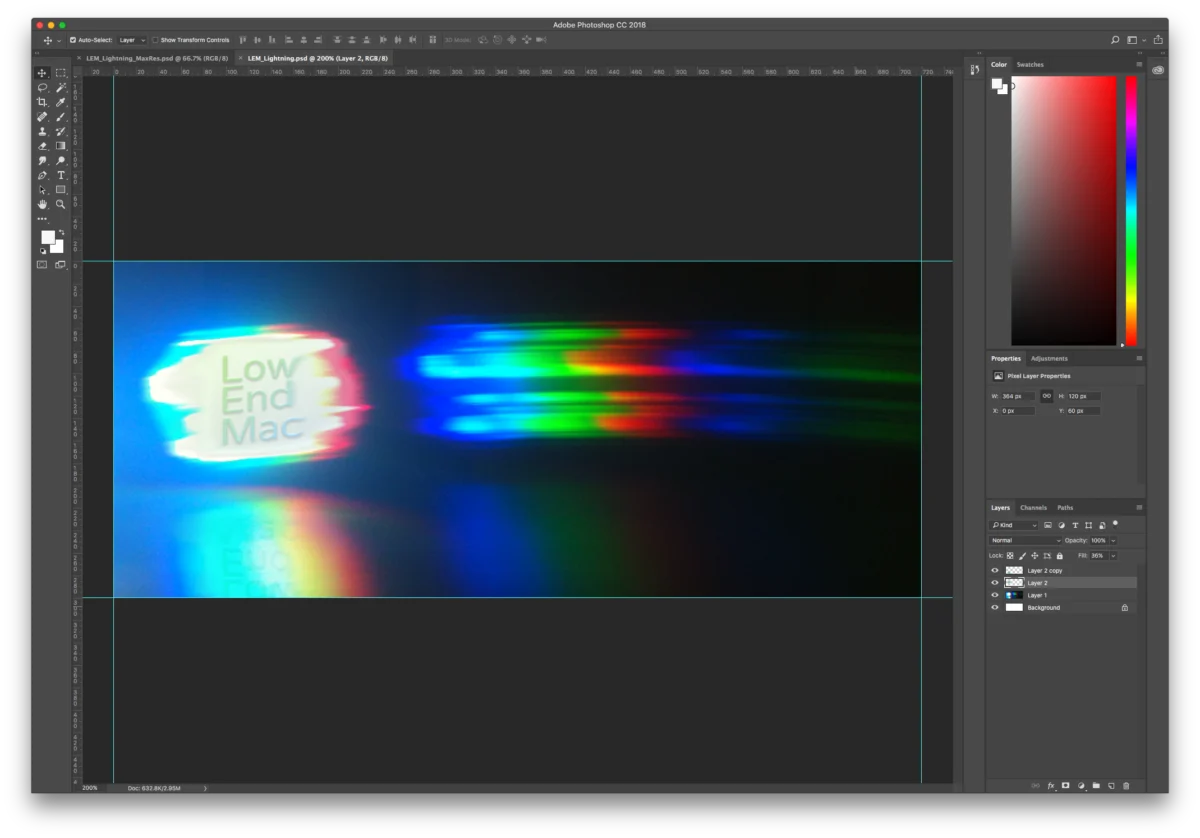
The intersection of classic optical physics and modern digital imaging has long served as a fertile ground for technical experimentation. Recent projects involving the use of color diffraction gratings paired with mobile hardware have demonstrated that sophisticated visual art can be derived from accessible, low-cost equipment. By isolating light sources and subjecting them to diffraction, practitioners are creating high-fidelity visual assets that challenge the necessity of high-end, specialized studio lighting. This methodology relies on the fundamental principles of light interference and the subsequent digital compositing of these natural phenomena to achieve a polished, professional aesthetic.
The Physics of Light Diffraction in Photography
At the core of these photographic experiments is the diffraction grating—an optical component with a periodic structure that splits and diffracts light into several beams traveling in different directions. When light passes through a grating, the resulting interference pattern displays the spectral components of the light source. Historically, these tools were reserved for laboratory spectroscopy, used to identify the chemical composition of stars or industrial materials. In the context of consumer photography, however, they serve as a bridge between raw illumination and artistic expression.

The experiment utilized a vintage iPhone 3Gs—a device representing a foundational era of mobile photography—to capture these spectral shifts. While modern smartphones feature advanced sensor technology, the intentional use of older hardware highlights the influence of optics over sensor resolution. The diffraction grating acts as a filter, transforming monochromatic or standard LED white light into a vibrant display of the electromagnetic spectrum. This process effectively demonstrates that the quality of a photograph is as much a function of the input light as it is the capture device.
A Chronological Review of the Experimental Process
The development of these imagery techniques occurred over a multi-month period, following a structured progression from observational research to refined digital post-processing.
Phase I: Initial Field Observations
The project began with basic field tests aimed at understanding how various light sources interacted with the diffraction grating. Early attempts involved pointing the camera directly at the sun. While this provided a high-intensity light source, the resulting diffraction patterns were overly chaotic, lacking the coherence required for deliberate artistic composition. The data gathered during this phase suggested that direct sunlight is often too diffuse and intense, washing out the distinct lines of the spectrum.

Phase II: Controlled Lighting Environments
The focus shifted toward indoor, controlled light sources. A yellow halogen light served as the primary subject for the second phase of testing. Unlike sunlight, the halogen lamp provided a stable, radiant spectrum that remained consistent across multiple exposures. These images were eventually utilized as high-resolution desktop wallpapers for Low End Mac, marking the transition from a purely experimental hobby to a functional application of the technique.
Phase III: Refinement and Digital Integration
The final phase involved the use of an LED flashlight. Because LEDs operate on a different spectral frequency than halogen bulbs, the resulting diffraction patterns were tighter and more defined. By adjusting the physical angle of the flashlight in a darkened room, the operator was able to create a "comet-like" light streak. This phase marked the introduction of post-production techniques, where the raw images were integrated with corporate branding elements through Adobe Photoshop.
Technical Methodology: Bridging the Physical and Digital
The transition from a raw photograph to a final, polished graphic requires a disciplined approach to image editing that prioritizes the integrity of the original diffraction capture. According to the technical logs of the project, no external color filters or artificial lighting effects were applied during the post-processing stage. The visual impact is achieved entirely through the manipulation of the existing captured light.

The process follows a specific workflow:
- Isolation: The primary light orb is cleared of artifacts to create a neutral, "blank" canvas within the center of the diffraction streak.
- Alignment: The target logo is imported and subjected to a skew transformation, matching the geometric angle of the light’s trajectory.
- Texture Matching: The edges of the graphic elements are smudged to mimic the natural blur and spectral dispersion inherent in the original diffraction photo.
- Reflective Modeling: A secondary, low-opacity (approximately 10%) mirrored layer of the logo is applied to the base of the image to simulate a reflective surface, providing a sense of depth and environmental context.
Implications for Amateur Digital Artistry
The success of this experiment carries broader implications for the accessibility of digital art production. The use of an older-generation mobile device, paired with a relatively inexpensive diffraction grating, serves as a proof of concept that high-quality visual content does not strictly require the latest camera hardware.
From an industry perspective, this highlights a growing trend in "low-end" digital creative work, where the emphasis is placed on the understanding of physics and software proficiency rather than the sheer computational power of the equipment. Analysts in the creative technology sector suggest that this "hacker-maker" approach to content creation is becoming increasingly common among independent developers and digital artists who seek to maximize the utility of older hardware.

Supporting Data and Comparative Analysis
While specific quantitative data on the spectral output of LED vs. halogen sources is proprietary to the experiment, the qualitative differences are significant. Halogen sources generally provide a broader, warmer spectrum with less distinct lines, while LED sources—particularly those used in modern flashlights—often exhibit a "spiky" spectrum that results in sharper, more vibrant diffraction lines.
The following table summarizes the comparative performance of the light sources tested:
| Light Source | Spectral Quality | Ease of Capture | Final Visual Aesthetic |
|---|---|---|---|
| Sunlight | Intense/Broad | Low | Chaotic/Overexposed |
| Halogen | Radiant/Warm | High | Soft/Painterly |
| LED | Sharp/Defined | Medium | Kinetic/Comet-like |
Official Perspectives and Future Directions
While the project was conducted as an individual pursuit, it has garnered interest within the community of tech enthusiasts who frequent platforms like Low End Mac. Observers note that the integration of such imagery into site branding serves to reinforce the site’s identity—one that prizes the longevity and creative repurposing of older technology.

Future iterations of this experiment may look to incorporate more complex diffraction grating arrays or secondary optical elements, such as prisms or polarizing filters, to further manipulate the light. There is also the potential for automating the alignment process in Photoshop using scripts, which would allow for the rapid production of these "light comet" assets on a larger scale.
Ultimately, the experiment serves as a reminder that the tools of creation are often secondary to the creative process itself. By stripping away the reliance on high-end, "black box" automated photography, practitioners can regain a granular level of control over the visual output. As mobile hardware continues to evolve, the ability to utilize legacy devices for modern artistic expression remains a vital skill set for those looking to push the boundaries of digital content creation without relying on the latest consumer-grade technology. The synthesis of physical optics and digital editing software continues to offer a robust pathway for innovation in the digital arts.